


A 2026 Guide by Sellingantiques
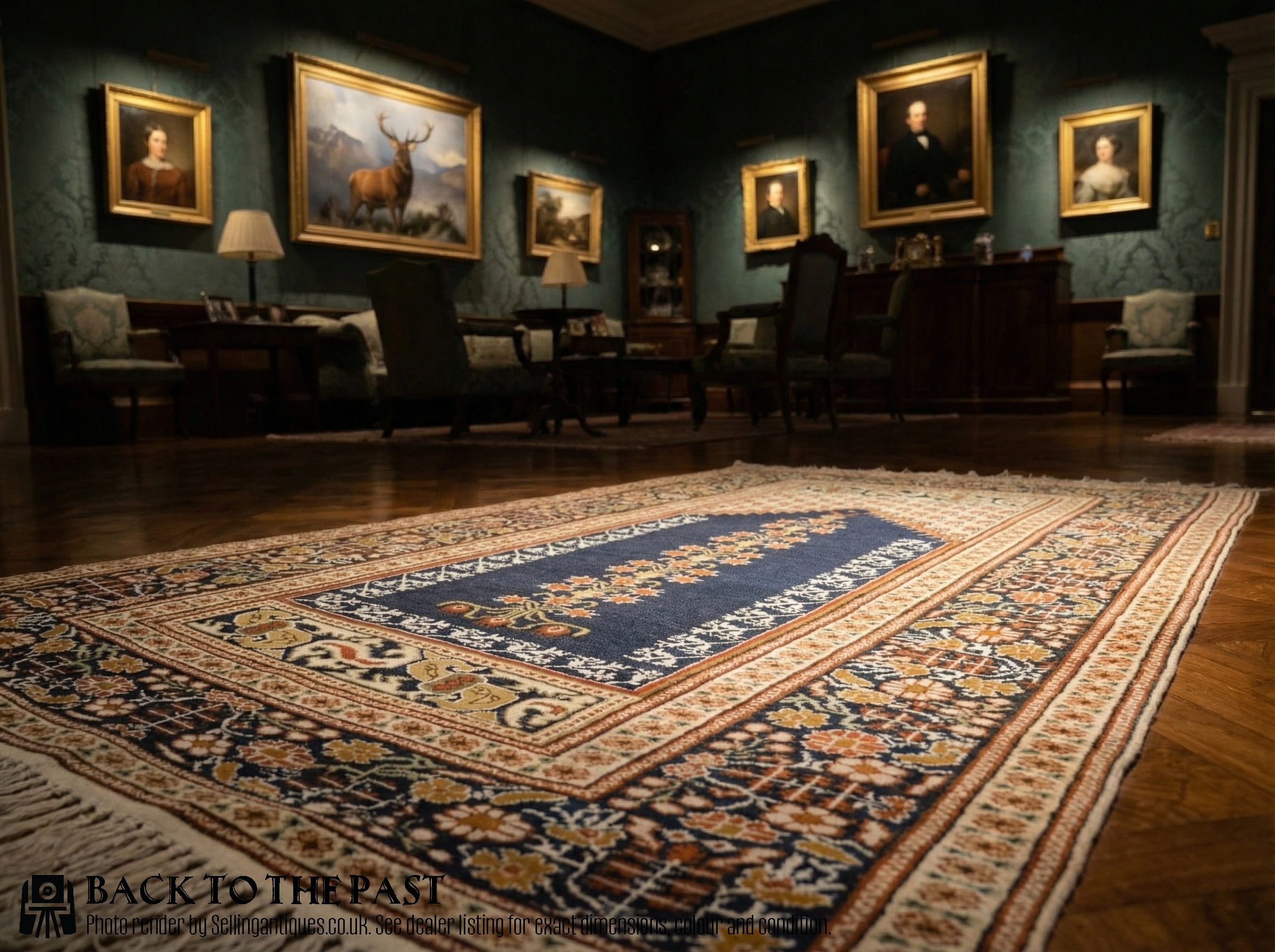
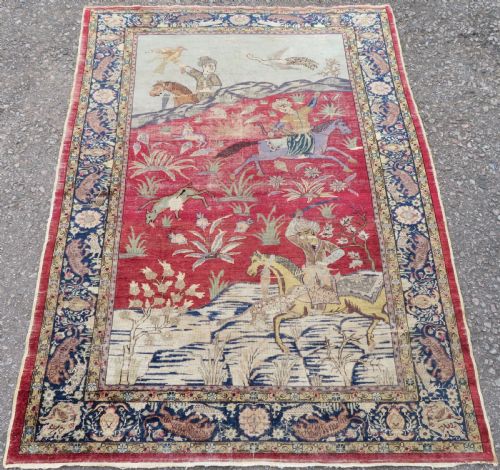
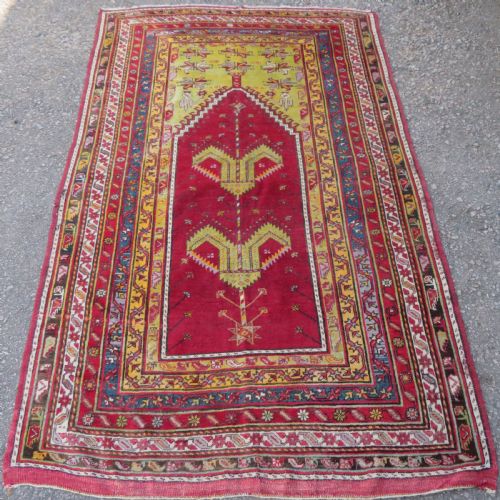
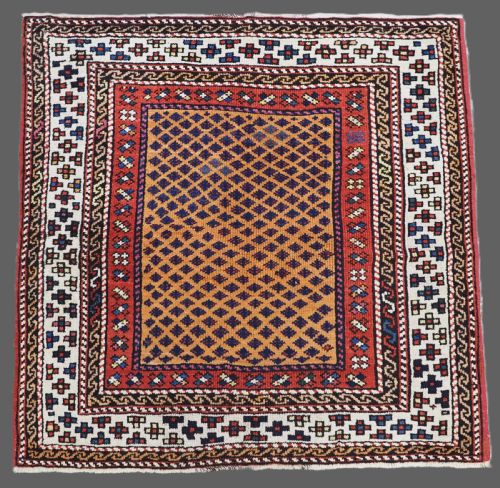
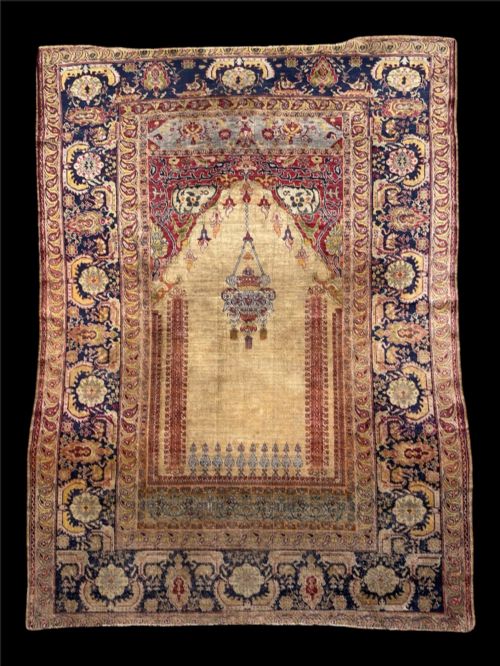
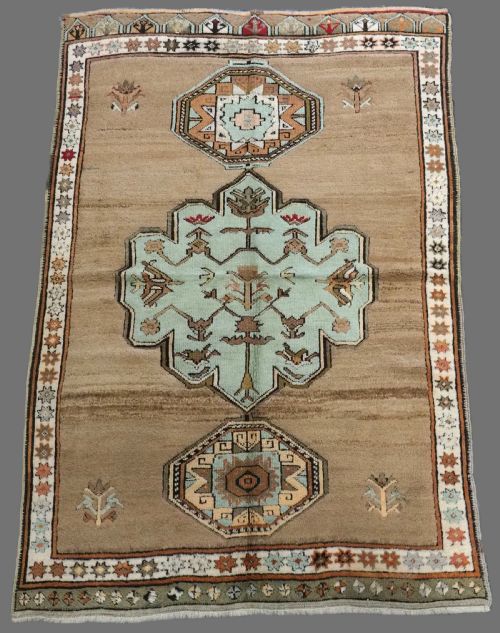
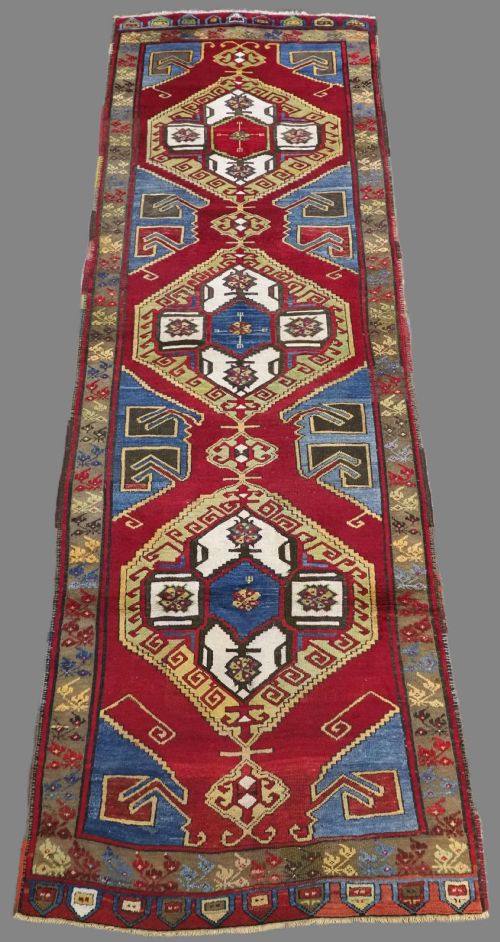
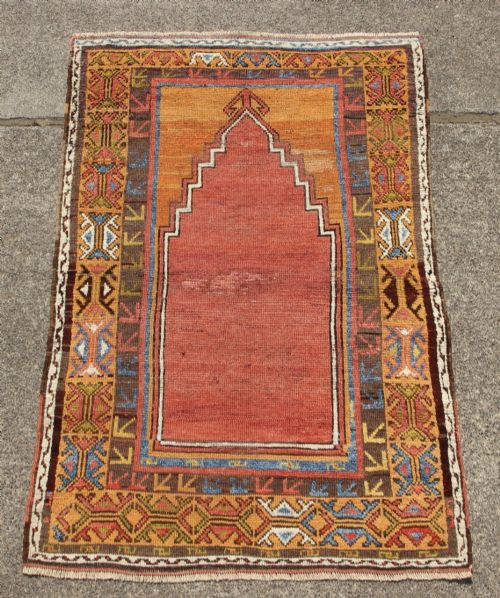
Antique Turkish Panderma / Bandirma Prayer Rug with Blue Ground, Circa 1900., 1900
Priced at £1,250 from Cotswold Oriental Rugs
Nomadic tribes brought distinct weaving traditions across from Central Asia into Anatolia.
Commercial production expanded during the Ottoman Empire to supply European markets.
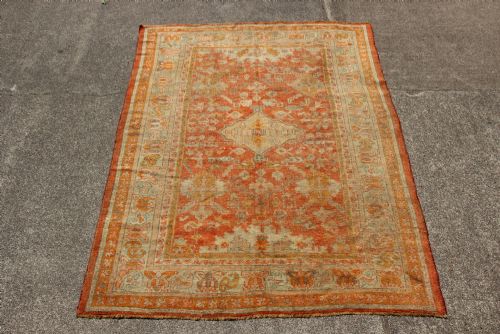
Look at the older Oushak carpets. These influenced Western interior design from the sixteenth century onwards.
Village weavers passed down specific antique Turkish rug motifs through generations.
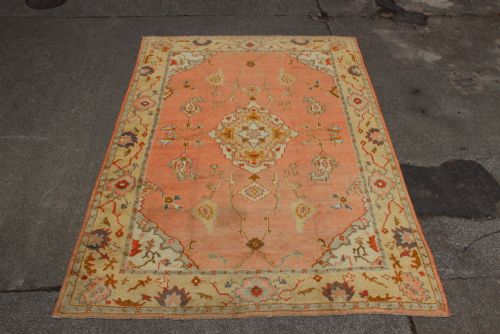
Oushak workshops produced large-scale carpets with grand floral and medallion patterns for export.
Hereke weavers created finely knotted silk examples under direct Ottoman court patronage.
Yuruk tribal groups wove smaller, looser pieces using coarse mountain wool.
The 2026 retail price guide for Antique Turkish Rugs is drawn from a proprietary archive of over 1.1 million retail prices indexed by Sellingantiques since 2003. This guide relies exclusively on their own internal data; no external sources or auction records are used.
Analysing nearly 25 years of UK antique market history alongside current retail values, the data indicates that typical UK retail prices for Antique Turkish Rugs range between £700 and £8,000. Entry-level prices generally fall under £700 and premium examples upwards of £8,000.
Symmetrical knots define the structure of most antique Turkish rugs.
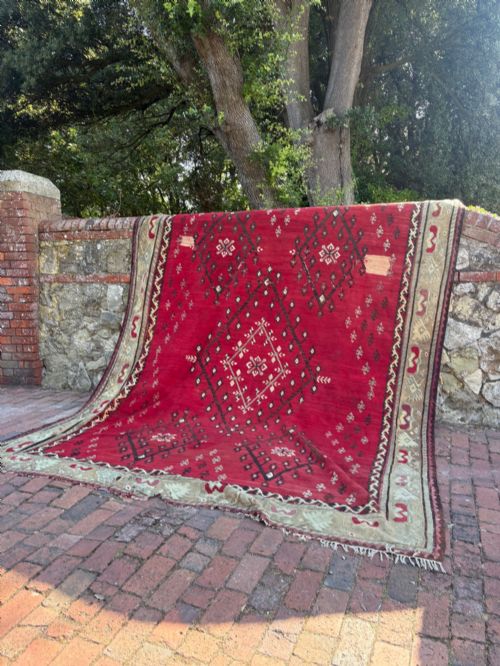
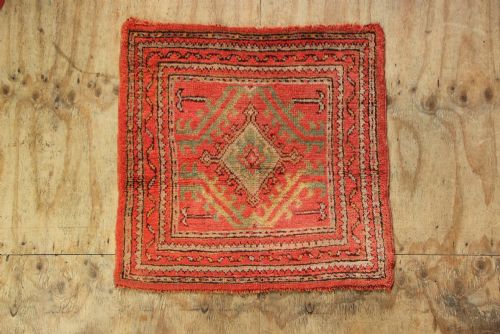
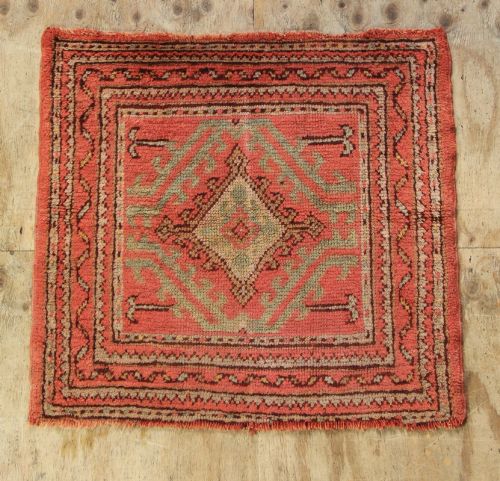
Geometric medallions often sit at the centre of the field.
Multiple borders frame the main design, usually featuring a wide primary band flanked by narrower guard stripes.
Weavers tied each Ghiordes knot individually around two warp threads.
Hand-spun wool retains natural oils that give antique Turkish rugs a distinct sheen and resistance to moisture.
Tension control across the loom dictated whether a carpet would lie flat or buckle on the floor.
"Many village examples feature small intentional irregularities woven in to avoid the arrogance of claiming perfection."
"Abrashes are subtle bands of colour change caused by using different batches of hand-dyed wool."
"Some tribal weavers spun goat hair into the side bindings to deter insects from damaging the wool."
Based on almost 25 years of Sellingantiques UK antique market data, Antique Turkish Rugs appeared 932 times (out of 1,100,000 antiques) which gives it a rarity score of 83/100.
This score measures scarcity within the Sellingantiques archive only and is not a survey of the entire antiques market, so these statistics may not be indicative of the general availability of Antique Turkish Rugs elsewhere.
Gentle vacuuming works best for routine dust removal. Suction across the pile rather than using a rotating beater brush, which risks tearing the wool.
Take it outdoors on a dry day and beat the back lightly. This forces deeply embedded grit out through the front without straining the warp.
Sun fading rarely reverses. The ultraviolet rays break down the chemical bonds in the natural dyes, leaving the wool lighter on the exposed surface.
A professional restorer can sometimes apply tinted washes to disguise the contrast. However, many collectors accept gentle fading as a natural part of the ageing process.
Abrash describes horizontal bands of varying colour tone across the pile.
This happens when a weaver runs out of one batch of hand-dyed wool and ties in a new one.
Curling edges usually mean the side cords were bound too tightly on the loom. Changes in humidity cause the tension to shift, pulling the sides inwards.
Adding a heavy rug pad underneath helps grip the floor and provides some stability. For stubborn curling, a restorer can stitch a leather strip along the underside of the edge to hold it flat.
Please note: This Antique Turkish Rugs guide and its associated pricing data are provided for general informational purposes only. It does not constitute formal financial, investment, or appraisal advice and should not be relied upon as the sole basis for any commercial activity, purchasing, or sales decisions. Sellingantiques.co.uk accepts no liability for any actions taken in reliance on this information. Always consult with a qualified professional or independent appraiser.