




A 2026 Guide by Sellingantiques
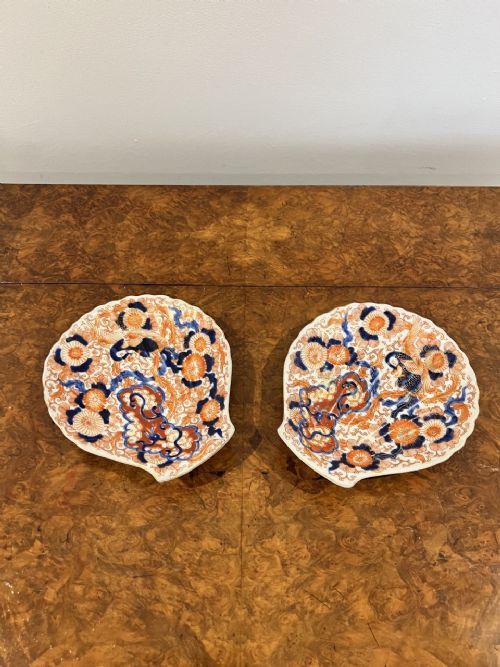
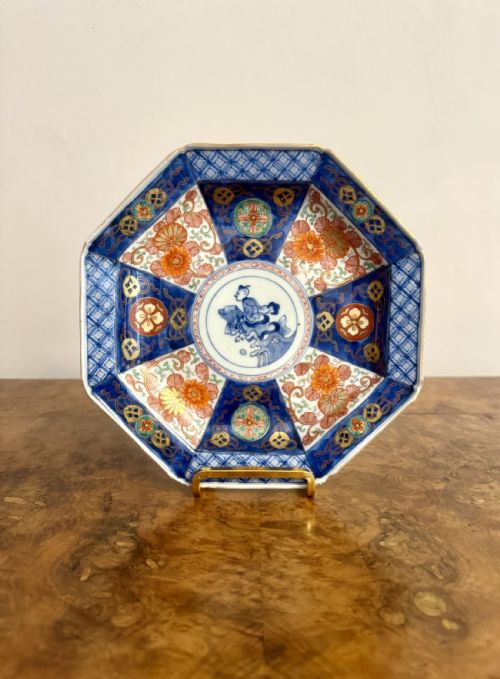
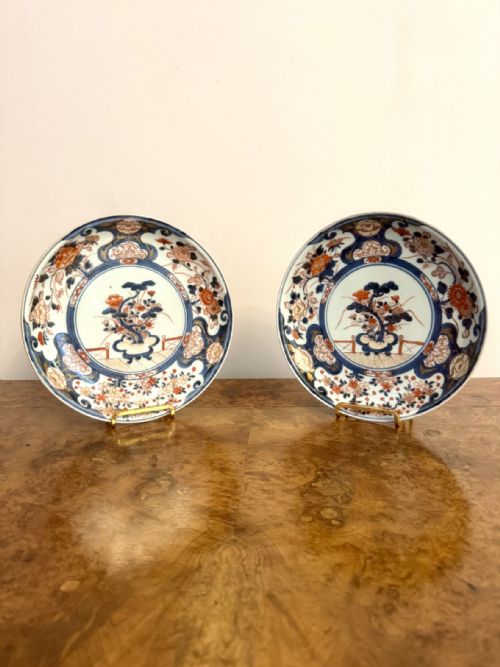
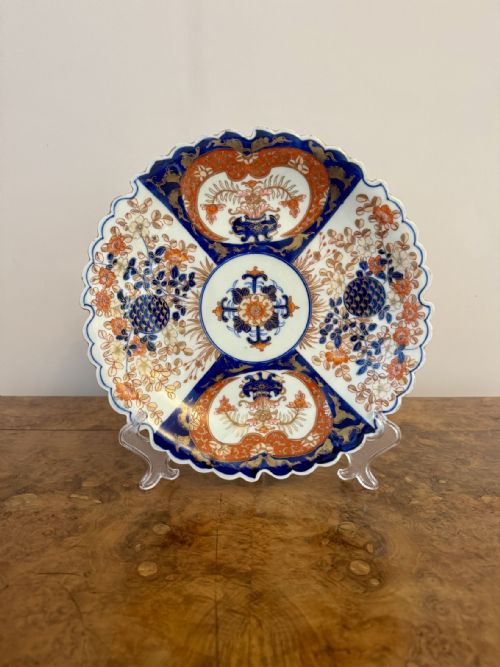
Two Antique 19th Century Japanese Quality Imari Plates, 1880
Priced at £245 from London City Antiques
Production began in the kilns around Arita. Imari was simply the shipping port on Kyushu island where these plates left Japan.
The Dutch East India Company dominated the early trade. They shipped vast quantities to Europe during the Edo period.
Demand peaked in the early eighteenth century. European aristocrats used antique Imari plates to decorate walls and dress dining tables.
Chinese potters later copied the style. They stepped in when Japanese export dropped off in the mid-eighteenth century.
Individual makers rarely signed early antique Imari plates. The trade relied on a network of specialised kilns in the Arita region.
The Kakiemon family kilns produced some related wares. Their style is sparser, leaving more white space than standard Imari.
Nineteenth-century examples sometimes carry fuku marks. These mean good fortune rather than identifying a specific workshop.
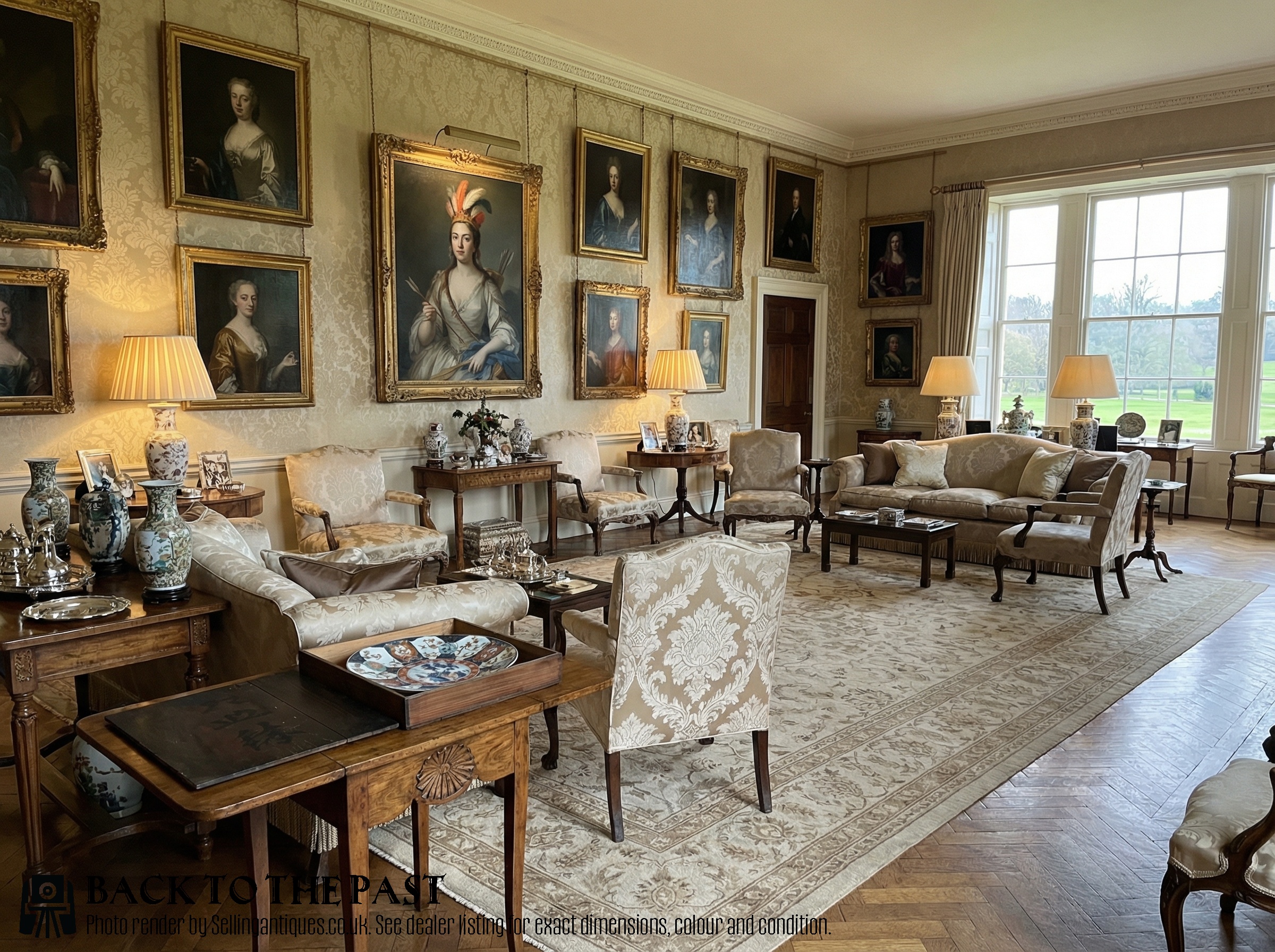
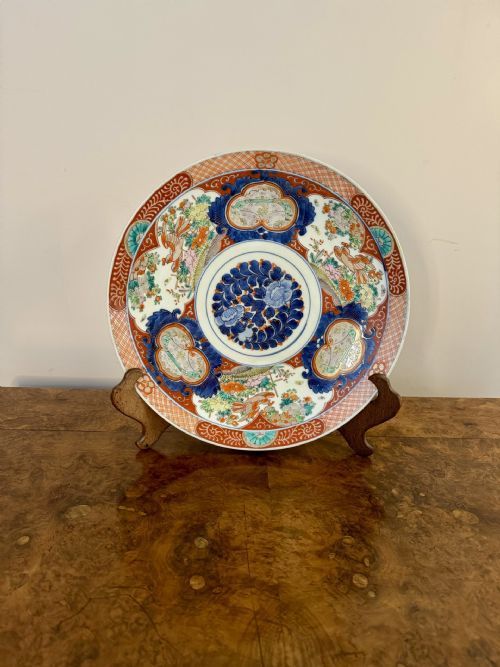
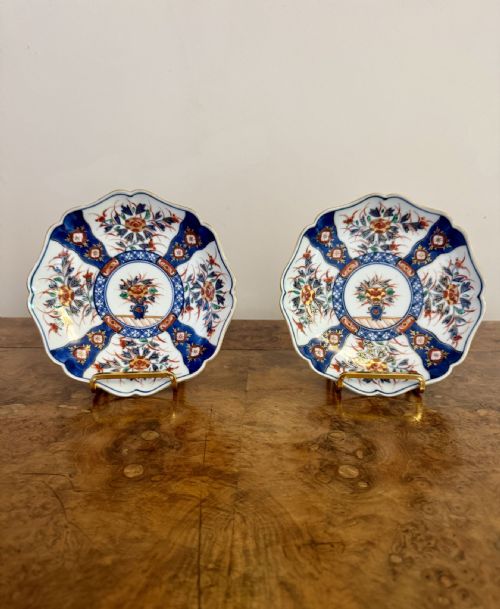
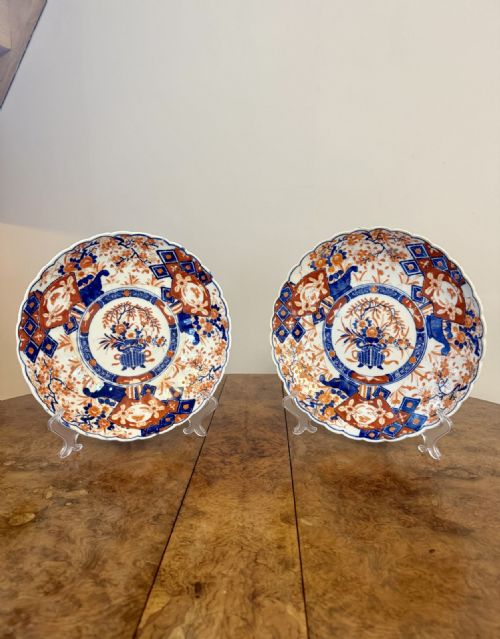
Japanese Imari Porcelain Plate in Box, 19th Century
Priced at £225 from Sinclairs Antiques and Interiors
The 2026 retail price guide for Antique Imari Plates is drawn from a proprietary archive of over 1.1 million retail prices indexed by Sellingantiques since 2003. This guide relies exclusively on their own internal data; no external sources or auction records are used.
Analysing nearly 25 years of UK antique market history alongside current retail values, the data indicates that typical UK retail prices for Antique Imari Plates range between £200 and £800. Entry-level prices generally fall under £200 and premium examples upwards of £800.
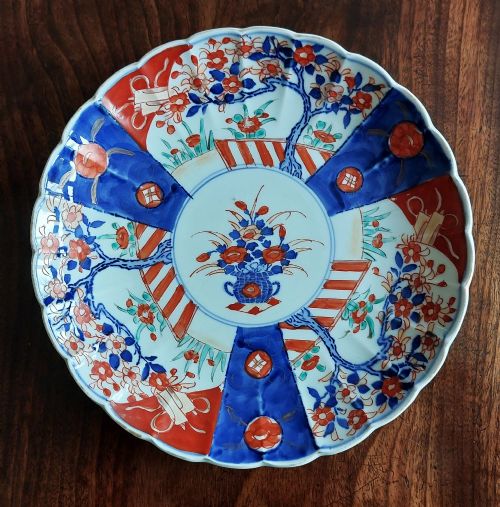
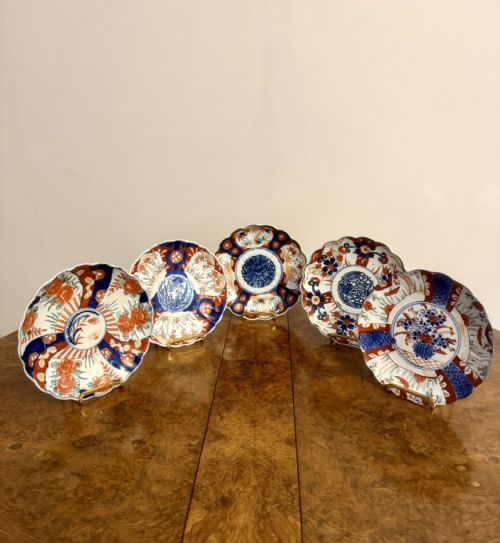
The classic palette restricts the main colours. Underglaze blue and iron red dominate the design alongside bright gilding.
Look for asymmetrical floral arrangements. Chrysanthemums and cherry blossoms often fill the central reserve.
Borders are heavily patterned. You often find textile motifs or small cartouches enclosing landscapes.
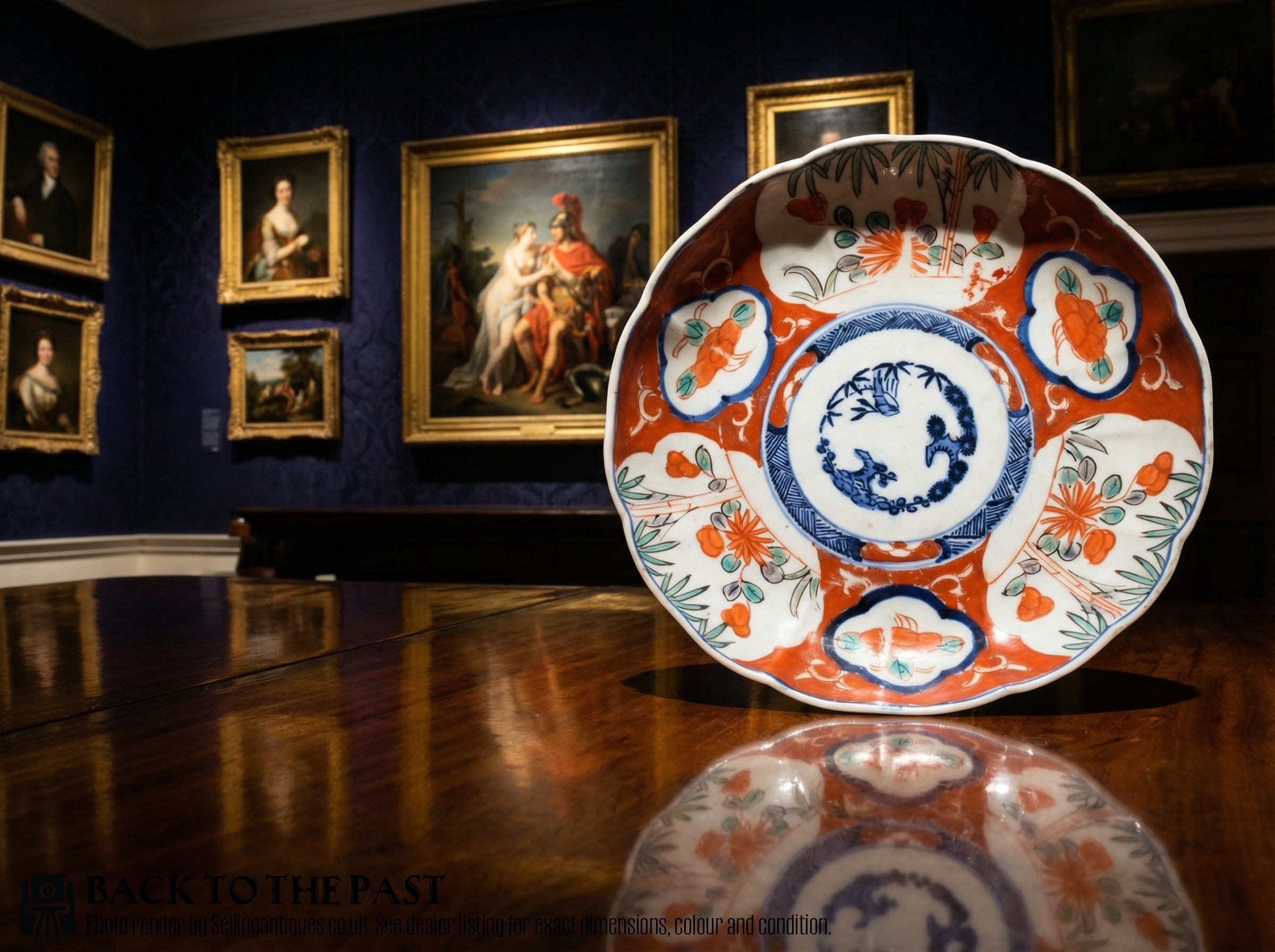
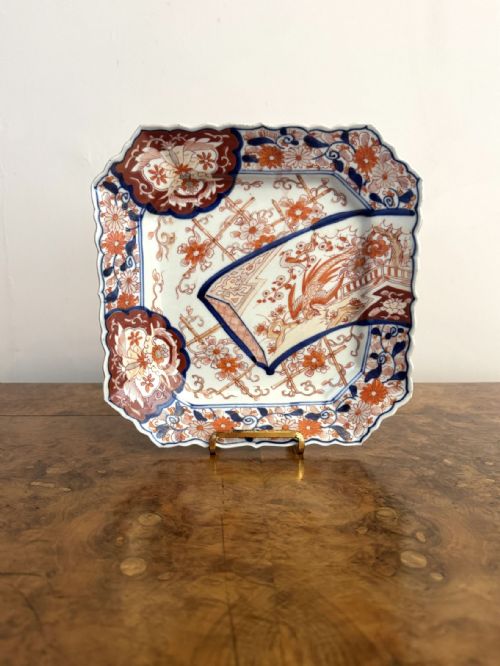
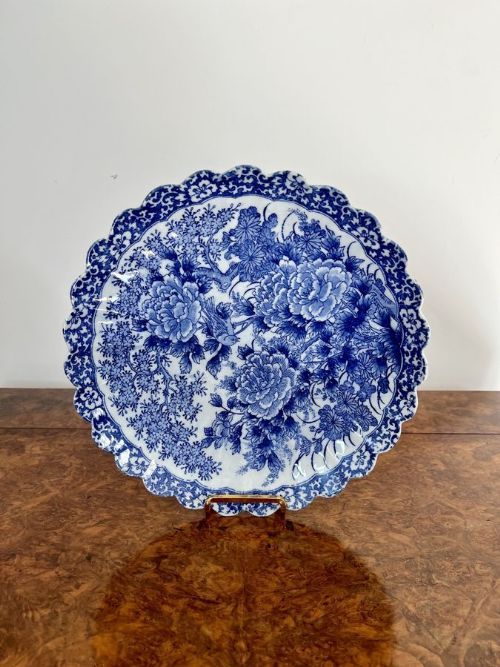
19th Century Japanese Imari Plate, 19th Century
Priced at £75 from Baggott & Co.
Early examples show thicker pooling in the glaze. The firing temperatures fluctuated more before kiln designs improved.
Decorators painted the underglaze blue freehand. The line thickness varies depending on how heavily the brush was loaded.
Later nineteenth-century plates use brighter synthetic enamels. The hand-painting process became more standardised to meet rising export volumes.
"The blue cobalt survives firing so well that it outlasts the other colours."
"Many patterns draw directly from Japanese kimono fabrics. You'll notice the intricate border designs often mimic woven silk textiles that were popular during the Edo period."
"Some plates incorporate subtle green or aubergine enamels. These secondary tones sit quietly alongside the classic red."
Based on almost 25 years of Sellingantiques UK antique market data, Antique Imari Plates appeared 777 times (out of 1,100,000 antiques) which gives it a rarity score of 86/100.
This score measures scarcity within the Sellingantiques archive only and is not a survey of the entire antiques market, so these statistics may not be indicative of the general availability of Antique Imari Plates elsewhere.
Wash them by hand in warm water. Use a mild soap and a soft cloth rather than abrasive sponges.
Dry the plates immediately with a soft towel. Leaving them to drain can cause hard water spots to form on the surface.
Leave the wire hangers on unless you plan to use the plates for dining. Old wire frames often grip the rim tightly. Pulling them off can easily chip the glaze or cause fritting on the edges.
If the wire is rusting, you might want to replace it. Snip the old wire carefully with pliers rather than dragging it across the porcelain surface.
Never put them in a dishwasher. The harsh detergents and high heat ruin the finish.
They strip the overglaze red enamel and gold detailing fast.
Those are usually spur marks or kiln grit. Potters rested the plates on small clay spurs in the kiln to stop them sticking to the surface below during firing.
When the spurs broke off, they left small unglazed dots. Ash and grit also circulated in wood-fired kilns and sometimes settled into the cooling glaze. It is a standard feature of early production.
Please note: This Antique Imari Plates guide and its associated pricing data are provided for general informational purposes only. It does not constitute formal financial, investment, or appraisal advice and should not be relied upon as the sole basis for any commercial activity, purchasing, or sales decisions. Sellingantiques.co.uk accepts no liability for any actions taken in reliance on this information. Always consult with a qualified professional or independent appraiser.

