
A 2026 Guide by Sellingantiques
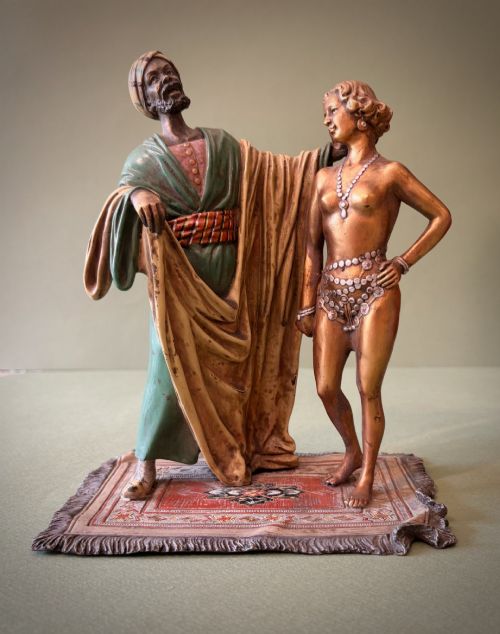
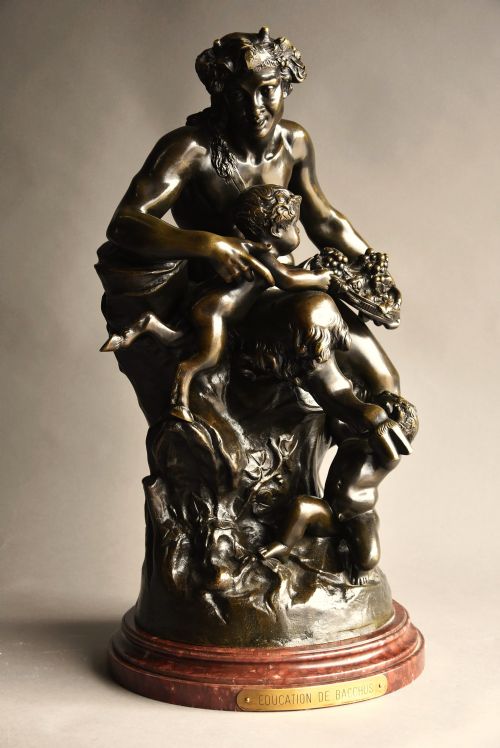
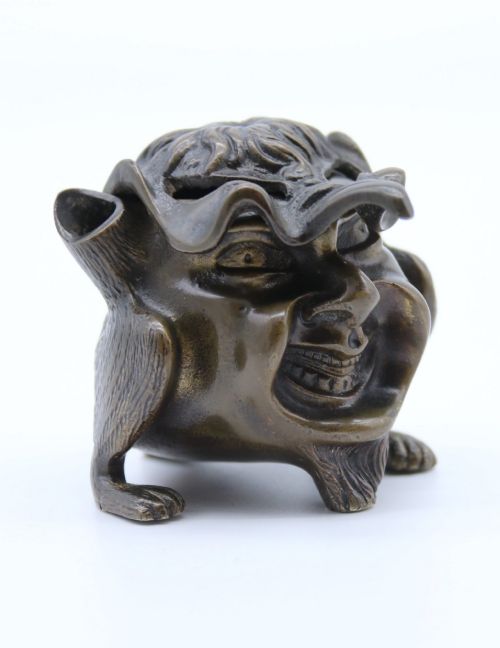
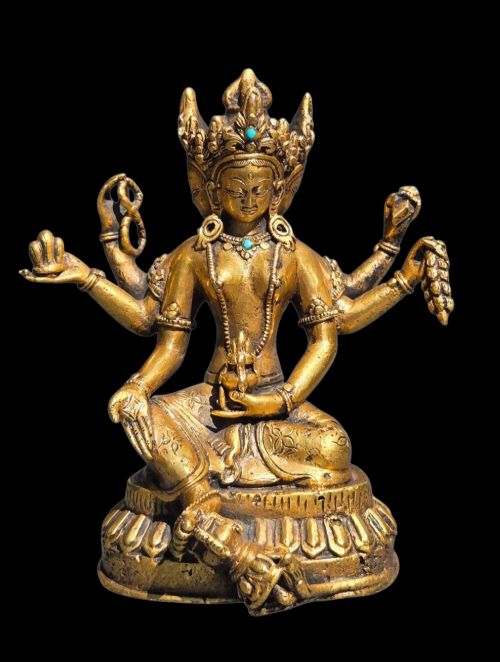
Look closely at the subjects of early antique metal sculptures, which often mirror classical antiquity and mythological themes.
Nineteenth-century foundries scaled up the casting process to meet growing middle-class demand for domestic art.
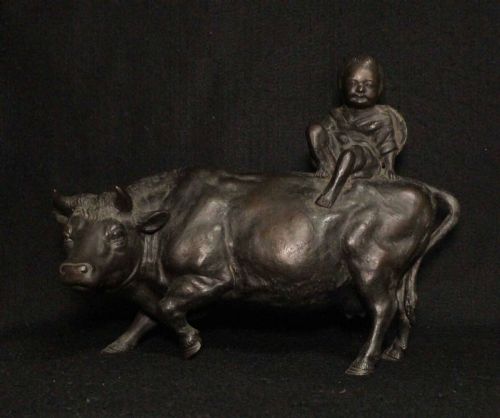
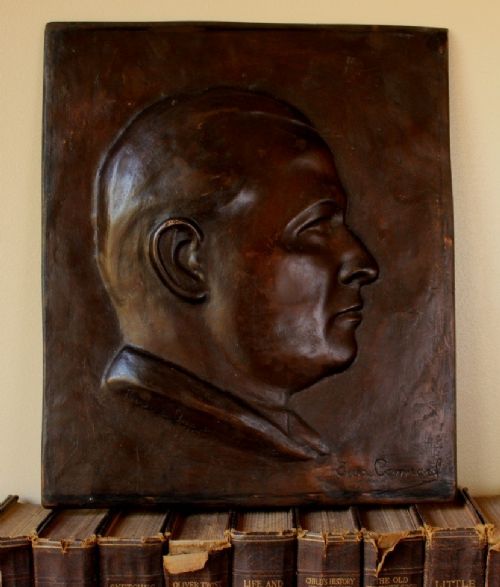
Commemorative figures and animalier bronzes dominating the later Victorian market.
Paris became the centre for fine bronze editions during the 1800s.
Changes in casting technology allowed foundries to produce multiple editions of a single successful model.
The Susse Frères foundry operated in Paris from 1839, casting works for leading nineteenth-century sculptors.
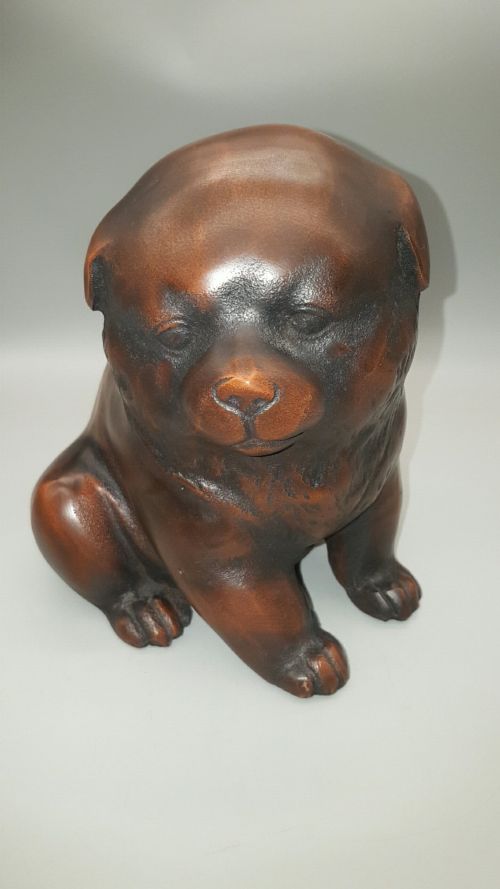
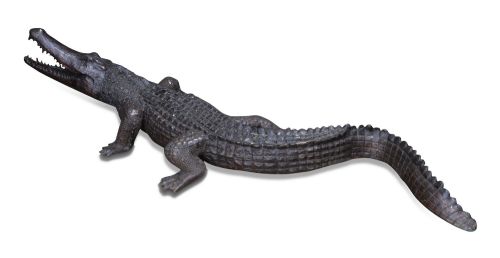
Antoine-Louis Barye worked between 1818 and 1875, producing detailed animalier bronzes that defined the genre.
Ferdinand Barbedienne ran a prolific Parisian foundry from 1838, famous for issuing reductions of classical statues.
The 2026 retail price guide for Antique Metal Sculptures is drawn from a proprietary archive of over 1.1 million retail prices indexed by Sellingantiques since 2003. This guide relies exclusively on their own internal data; no external sources or auction records are used.
Analysing nearly 25 years of UK antique market history alongside current retail values, the data indicates that typical UK retail prices for Antique Metal Sculptures range between £400 and £2,800. Entry-level prices generally fall under £400 and premium examples upwards of £2,800.
Foundry marks or casting stamps often sit discreetly on the base edge of antique metal sculptures.
Multi-part castings rely on visible seams or mechanical joints pinned together under the surface.
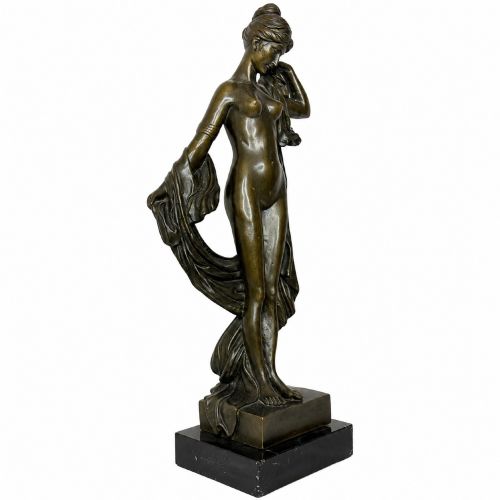
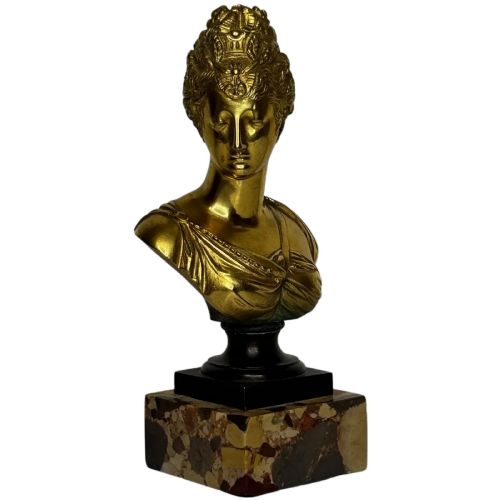
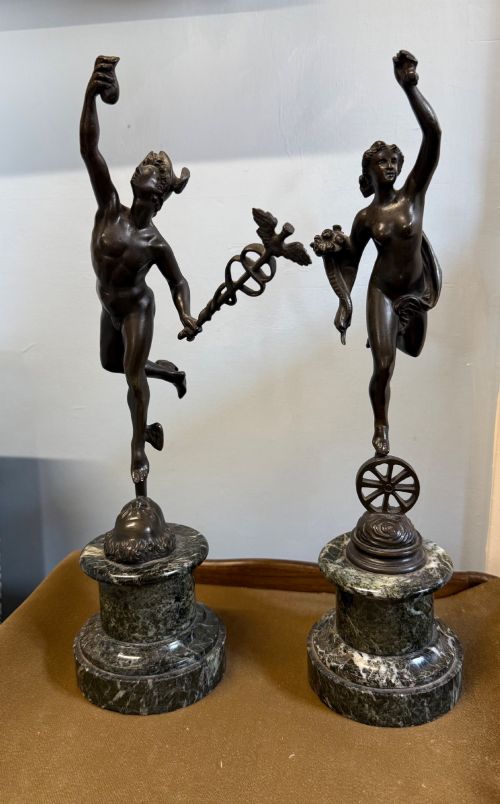
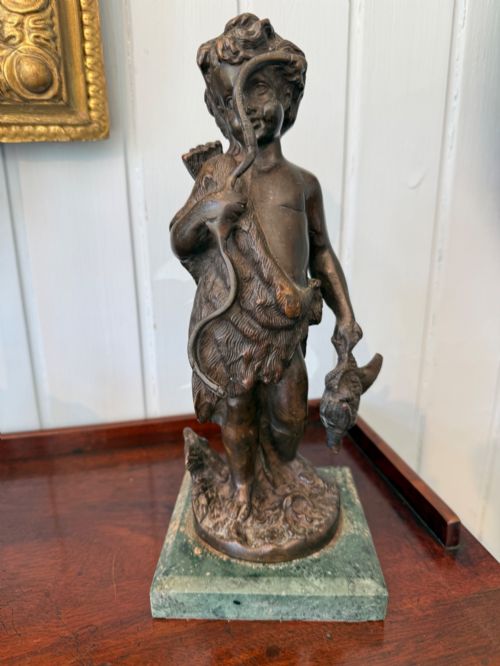
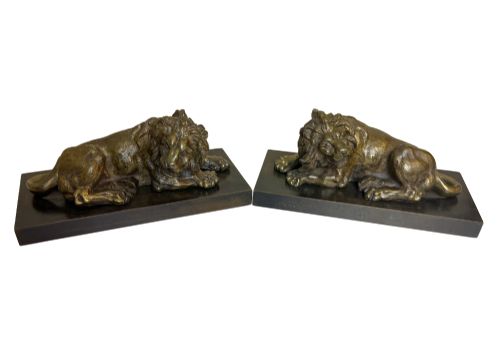
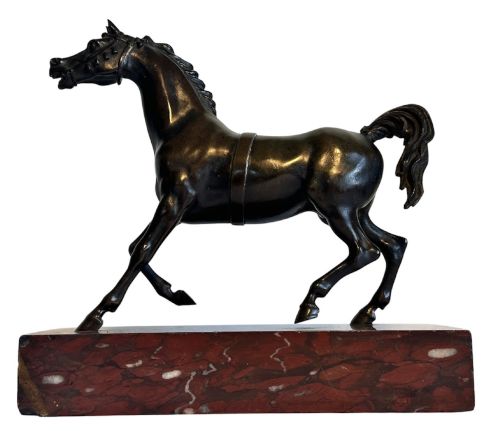
Distinctive mounting bases carved from marble or slate regularly support the metal figure above.
Sand casting involves pressing a master model into fine compacted sand to create a reusable impression.
Lost-wax methods destroy the ceramic mould to release the bronze, making each cast distinct in its final finish.
Master chasers spent hours refining raw castings, filing away seam lines and texturing animal coats by hand.
"Many foundries stamped their casts with specific serial numbers to track limited editions for wealthy collectors."
"Artists often collaborated with specialist patineurs to develop distinct chemical formulas that resulted in unusual red or silver finishes."
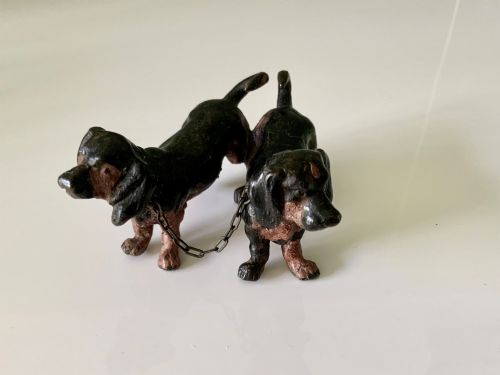
"Heavy cast iron figures occasionally double as functional door stops or hearth ornaments for winter fires."
Based on almost 25 years of Sellingantiques UK antique market data, Antique Metal Sculptures appeared 1107 times (out of 1,100,000 antiques) which gives it a rarity score of 80/100.
This score measures scarcity within the Sellingantiques archive only and is not a survey of the entire antiques market, so these statistics may not be indicative of the general availability of Antique Metal Sculptures elsewhere.
Use a soft bristle brush to work dust out of the crevices. Canned air works well for deep recesses where a cloth won't reach.
A light coat of microcrystalline wax protects the patina once the dust is gone. Buff it gently with a soft cotton cloth.
Spelter suffers from a specific type of corrosion when exposed to damp conditions. You shouldn't use water because it accelerates the chemical reaction and damages the metal further.
Keep the sculpture in a dry environment to stop the oxidisation from spreading. A dry nylon brush helps remove the loose powder safely.
Foundries cast most domestic figures as hollow shells to save expensive metal. It also reduces the final weight for transport.
Core material sits inside the mould during casting to form this hollow cavity.
Signatures on antique metal sculptures usually indicate the sculptor who modelled the original clay or wax. They don't often cast the metal versions themselves.
Most artists contracted commercial foundries to handle the industrial side of production. The foundry might add their own distinct stamp alongside the artist's signature.
This separation of design and production was standard practice across the nineteenth-century bronze trade. Foundries employed specialist chasers to finish the artist's work.
Please note: This Antique Metal Sculptures guide and its associated pricing data are provided for general informational purposes only. It does not constitute formal financial, investment, or appraisal advice and should not be relied upon as the sole basis for any commercial activity, purchasing, or sales decisions. Sellingantiques.co.uk accepts no liability for any actions taken in reliance on this information. Always consult with a qualified professional or independent appraiser.
