
A 2026 Guide by Sellingantiques
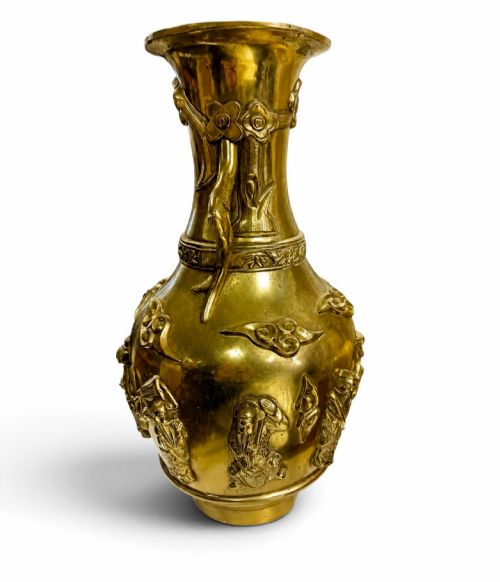
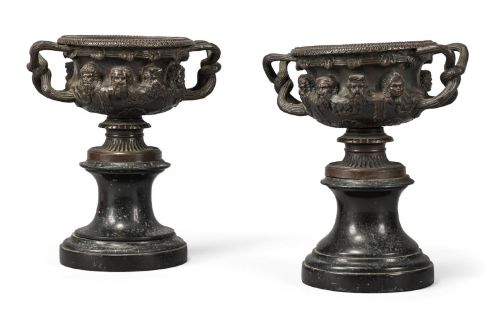
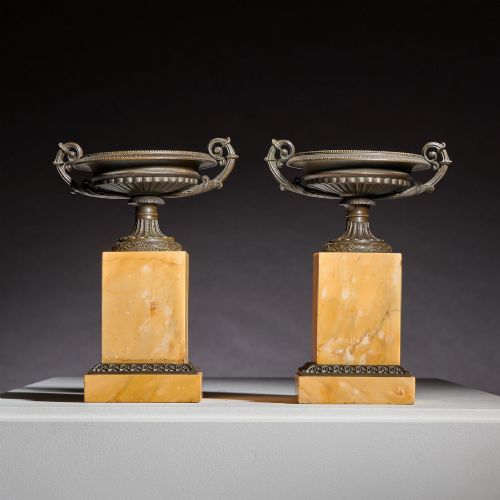
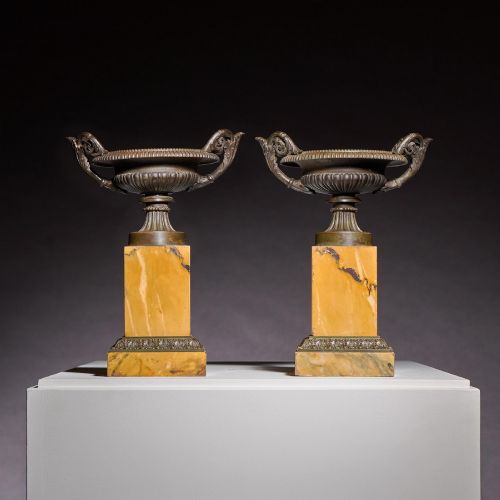
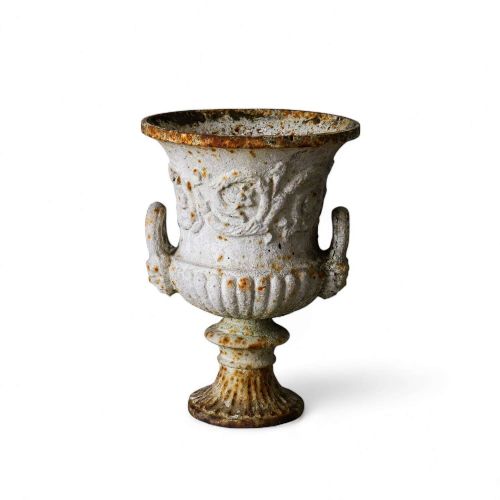
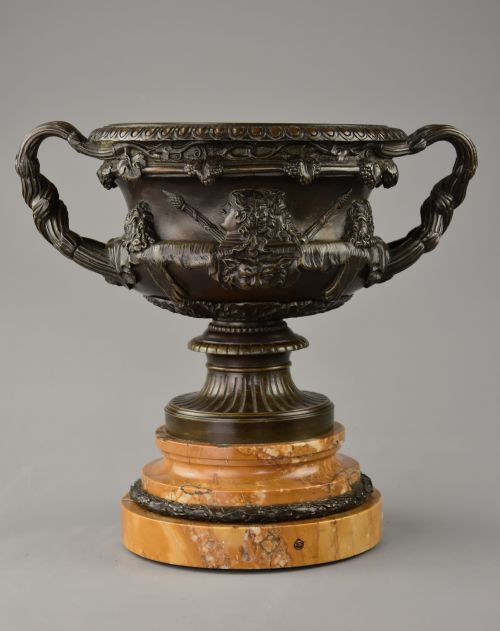
Roman ruins provided the original shapes. Eighteenth-century foundries copied marble forms to produce antique metal urns for the British market.
Look for Neoclassical details. Robert Adam heavily promoted the vase form for both architecture and domestic interiors.
Georgian dining rooms often featured knife boxes shaped exactly like these vessels.
Tea and hot water versions became essential domestic objects by the late eighteenth century.
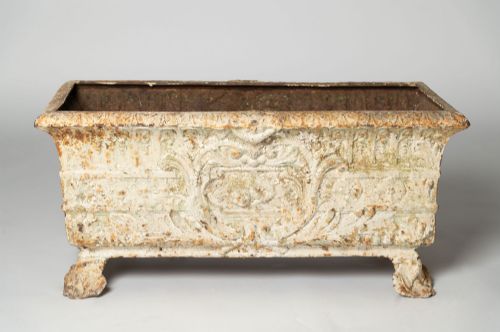
Victorian foundries increased production. They pushed out garden ornaments in huge numbers using new industrial casting techniques.
The Coalbrookdale Company dominated iron production in the nineteenth century. Many antique metal urns bear their stamped foundry mark.
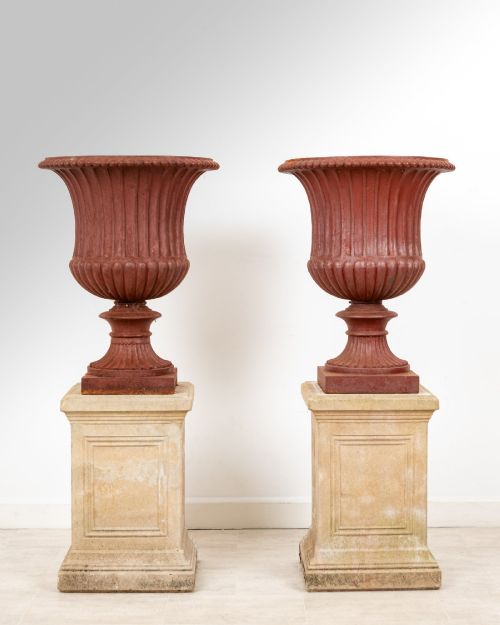
Andrew Handyside manufactured classical garden vessels in Derby. His catalogues show designs copied directly from Medici originals.
Look closely at lead examples for the name John Cheere. He supplied country estates during the mid-eighteenth century.
The 2026 retail price guide for Antique Metal Urns is drawn from a proprietary archive of over 1.1 million retail prices indexed by Sellingantiques since 2003. This guide relies exclusively on their own internal data; no external sources or auction records are used.
Analysing nearly 25 years of UK antique market history alongside current retail values, the data indicates that typical UK retail prices for Antique Metal Urns range between £500 and £2,900. Entry-level prices generally fall under £500 and premium examples upwards of £2,900.
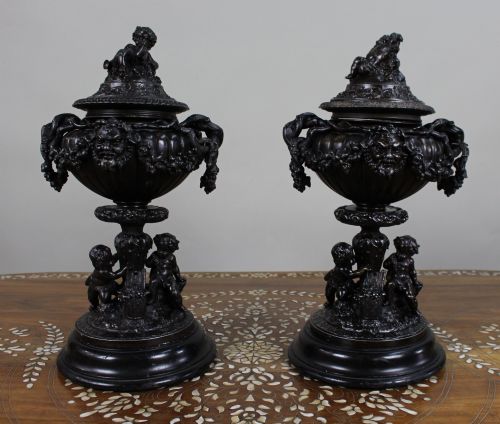
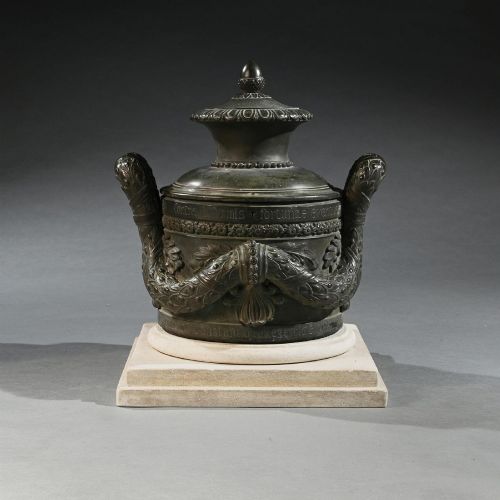
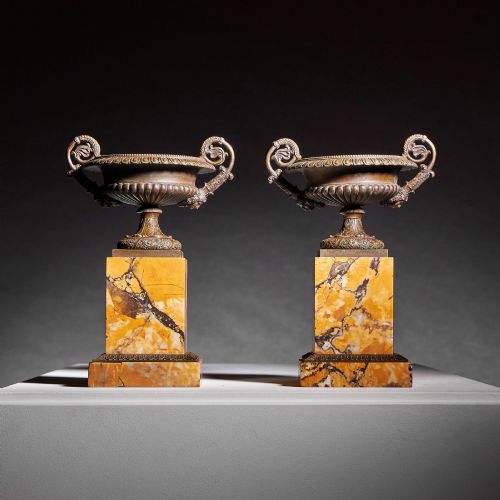
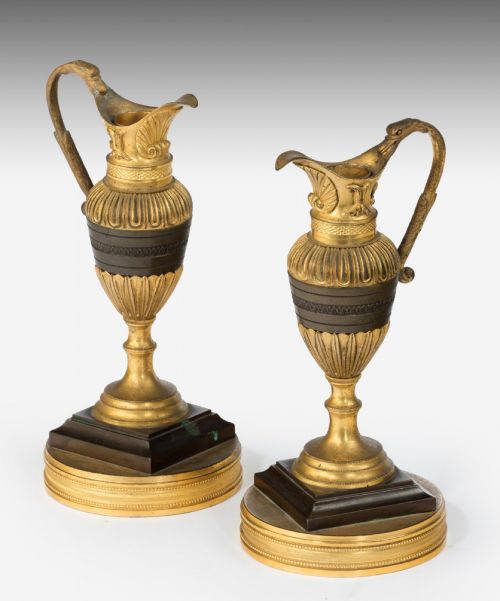
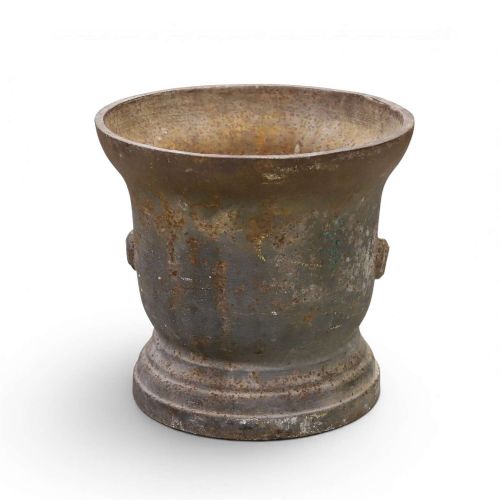
Twin handles are a standard element. They range from simple loops to elaborate cast masks.
A domed lid with a cast finial usually tops the domestic water vessels.
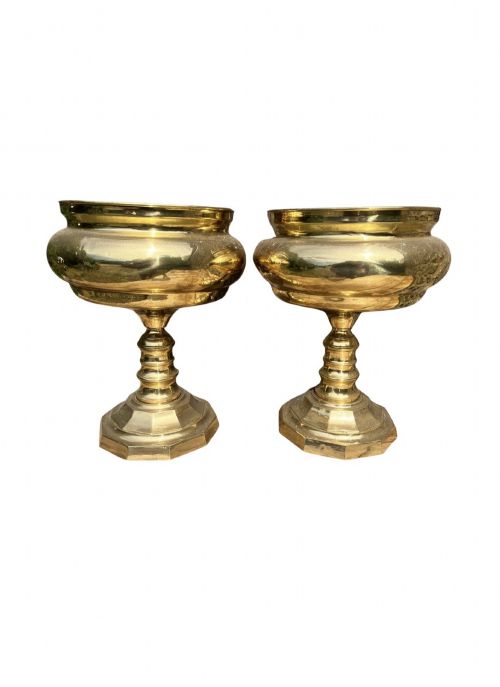
Turn the piece over to inspect the base. Most sit on a stepped square plinth or a flared foot.
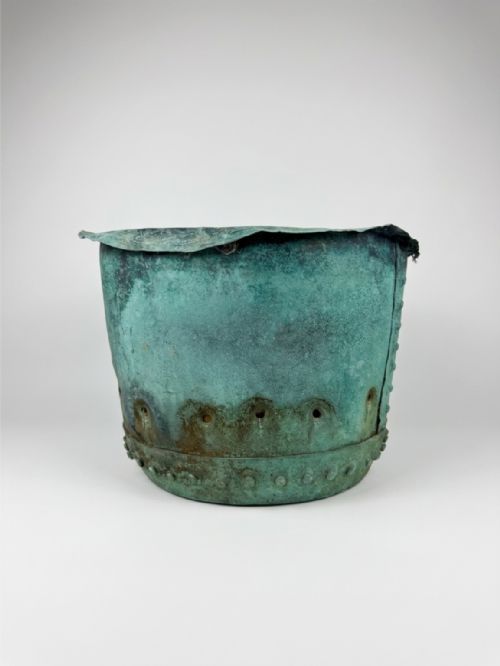
Early copper tea vessels feature dovetailed seams. The maker cut teeth into sheet edges and brazed them firmly together.
Sand casting was standard for heavy iron garden pieces. Workers pressed wooden patterns into damp sand to create the mould.
Lead examples were often cast in pieces. The workshop soldered the sections together and filed the joints smooth.
"Some cast iron vessels were designed to dismantle into parts. A single central iron rod holds the bowl and plinth together."
"Classical flame finials actually served a practical purpose on early tea vessels. They allowed steam to escape safely."
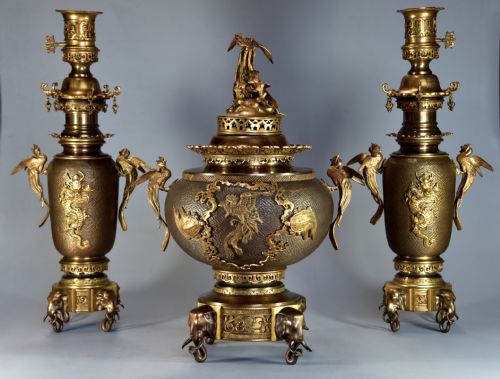
"Foundries sometimes mixed metal batches. This creates subtle colour shifts in bronze patinas that give each casting a unique finish."
Based on almost 25 years of Sellingantiques UK antique market data, Antique Metal Urns appeared 1199 times (out of 1,100,000 antiques) which gives it a rarity score of 79/100.
This score measures scarcity within the Sellingantiques archive only and is not a survey of the entire antiques market, so these statistics may not be indicative of the general availability of Antique Metal Urns elsewhere.
Weight depends heavily on the thickness of the casting. A standard nineteenth-century cast iron vessel on a plinth can easily weigh eighty kilograms.
You should always secure the base properly when placing them. The bowl is quite top-heavy once filled with soil and plants.
These domestic examples were designed for boiling water. The hostess kept it on the table to dilute tea or wash cups during service.
Some featured a central metal sleeve inside. The staff would drop a red-hot iron heater into this sleeve to keep the surrounding water hot without filling the room with smoke.
Wine coolers are a different form and rarely have spigots.
That crust is a natural patina called verdigris. It forms when copper alloys react with moisture over decades.
Most collectors prefer to leave this surface undisturbed.
Lead is a soft metal. Large antique metal urns cast in lead have a tendency to slump under their own weight over the centuries.
This slumping is a common structural issue rather than a defect in the original casting. Heat from the sun softens the metal further, accelerating the lean on exposed garden pieces.
Please note: This Antique Metal Urns guide and its associated pricing data are provided for general informational purposes only. It does not constitute formal financial, investment, or appraisal advice and should not be relied upon as the sole basis for any commercial activity, purchasing, or sales decisions. Sellingantiques.co.uk accepts no liability for any actions taken in reliance on this information. Always consult with a qualified professional or independent appraiser.
