



A 2026 Guide by Sellingantiques
Cast iron became the standard for cooking pots across Britain during the eighteenth century. Foundries turned out thousands of heavy cauldrons for open hearths.
Look at the transition to enclosed ranges. Flat-bottomed pans replaced legged skillets once cooks stopped working directly over embers.
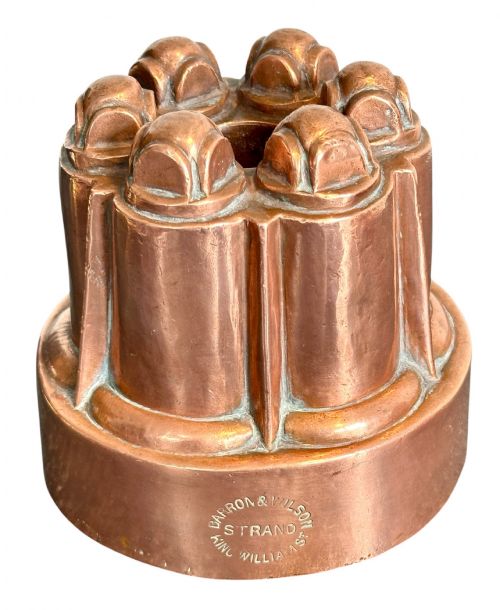
Copper was expensive. Large country houses bought matched sets of copper pans stamped with estate initials to deter theft by staff.
Tinware offered a cheaper alternative for baking moulds and pastry cutters. It rusts fast if neglected.
Antique metal kitchenalia spans everything from massive game pie moulds down to humble brass skimming spoons. Regional foundries and workshops supplied local ironmongers for generations without ever marking their goods.
Coalbrookdale dominated the cast iron trade in the nineteenth century. They marked their kitchen ranges and cooking pots underneath.
Benham & Sons operated out of London supplying vast copper batteries to hotels and estates. Their stamp often includes a Wigmore Street address.
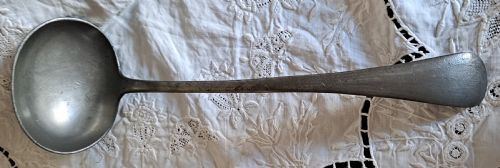
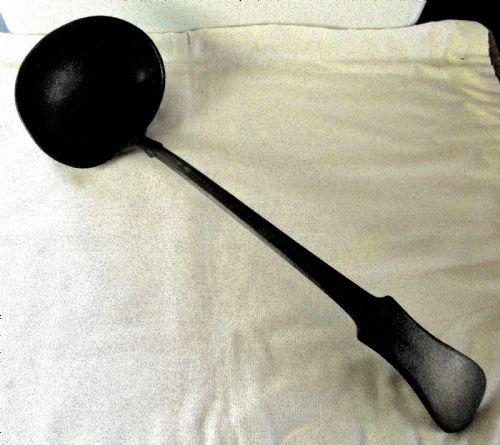
Most provincial antique metal kitchenalia carries no maker name. Local blacksmiths forged meat cleavers and tasting spoons without signing their work.
The 2026 retail price guide for Antique Metal Kitchenalia is drawn from a proprietary archive of over 1.1 million retail prices indexed by Sellingantiques since 2003. This guide relies exclusively on their own internal data; no external sources or auction records are used.
Analysing nearly 25 years of UK antique market history alongside current retail values, the data indicates that typical UK retail prices for Antique Metal Kitchenalia range between £200 and £600. Entry-level prices generally fall under £200 and premium examples upwards of £600.
Solid rivets hold the handles onto better copper pieces. Look for irregular hammered rivet heads rather than neat uniform domes.
Cast iron pots often sit on three short legs. This tripod stance kept the base stable in the ash of a flat hearth.
Makers marks sometimes appear stamped into the handles. You will find them near the hanging loop on heavy iron frying pans.
Early copper vessels feature cramped seams. The coppersmith cut deep teeth into the metal edges before hammering them together and brazing the joint.
Spun metal replaced hand-beaten construction. Late nineteenth-century factories used lathes to form bowls quickly, leaving faint concentric rings inside.
Examine the gate mark on iron pots. This rough raised scar on the base shows where liquid iron entered the sand mould.
"Many odd-looking curved blades were for cutting loaf sugar. Solid sugar cones required strong iron nippers to break off usable lumps for tea."
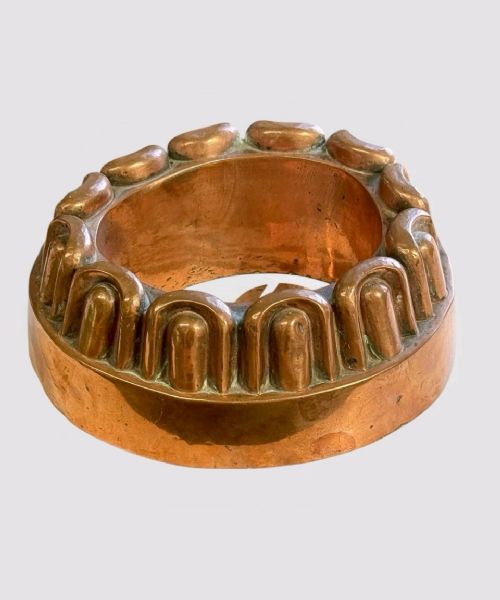
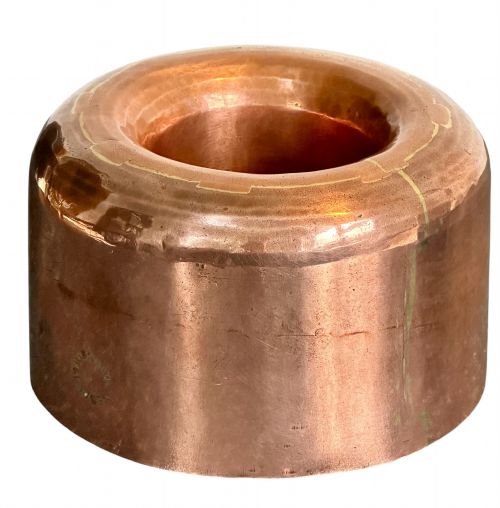
"Cooks displayed polished copper jelly moulds on high dresser shelves. This doubled as decoration and reflected light back into dark kitchen basements."
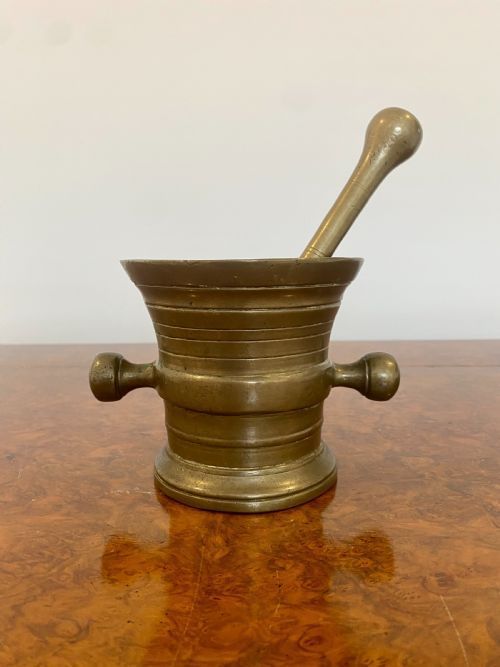
"Brass jam pans preserve fruit colour well. The metal transfers heat rapidly to boil fruit before it turns brown."
Based on almost 25 years of Sellingantiques UK antique market data, Antique Metal Kitchenalia appeared 185 times (out of 1,100,000 antiques) which gives it a rarity score of 96/100.
This score measures scarcity within the Sellingantiques archive only and is not a survey of the entire antiques market, so these statistics may not be indicative of the general availability of Antique Metal Kitchenalia elsewhere.
Yes, provided the internal lining is intact. Copper reacts with acidic foods like tomatoes, so historic pans were lined with a thin layer of tin.
If the tin is worn away and raw copper is visible, you need to send the pan to a specialist coppersmith for retinning before use. Once relined, they function just as well as modern pans.
Surface rust looks rough but rarely damages heavy iron structurally. Gentle wire brushing removes the worst flaky oxidisation without scratching the underlying metal.
After removing the loose rust, wash the pot in warm water and dry it in a low oven. Wipe the warm metal with a light coat of cooking oil to season the surface and prevent moisture causing new rust spots.
Early cooks worked at open hearths rather than flat ranges. The three legs allowed a pot to stand securely in the hot ashes without tipping over.
Once enclosed cast iron ranges with flat hobs became standard in the nineteenth century, pot bellies became flat to sit directly on the hotplate.
Not at all. Coppersmiths and brass workers frequently rolled the top edge of a pan over a thick iron wire to give the rim rigidity. This hollow channel strengthens the entire vessel and stops the circular opening bending out of shape under the weight of hot jam.
Heavy gauge metal was expensive and difficult to hammer. By adding a wire rim, makers could use slightly lighter sheet brass for the bowl while ensuring the pan remained robust enough for a busy kitchen.
Please note: This Antique Metal Kitchenalia guide and its associated pricing data are provided for general informational purposes only. It does not constitute formal financial, investment, or appraisal advice and should not be relied upon as the sole basis for any commercial activity, purchasing, or sales decisions. Sellingantiques.co.uk accepts no liability for any actions taken in reliance on this information. Always consult with a qualified professional or independent appraiser.
