

A 2026 Guide by Sellingantiques

2 Old Weathered Cast Iron Eagle Statues., 1930
Priced at £650 from Elmgarden
A product of the industrial revolution, born from blast furnaces pouring molten metal into damp sand moulds.
Look for a sharp rise in domestic production during the mid-nineteenth century. Foundries scaled up to meet growing urban demands.
Antique cast iron replaced expensive wrought iron for many architectural jobs.
Transport improvements allowed heavy domestic pieces to ship nationwide by rail.
Coalbrookdale operated through the nineteenth century, dominating the market for ornamental garden furniture and hall stands.
Falkirk Iron Company in Scotland, producing vast quantities of grates, stoves, and architectural components from 1819 onwards.
Keep an eye out for lozenge-shaped registration marks. They'd often stamp their patterns to prevent copying.

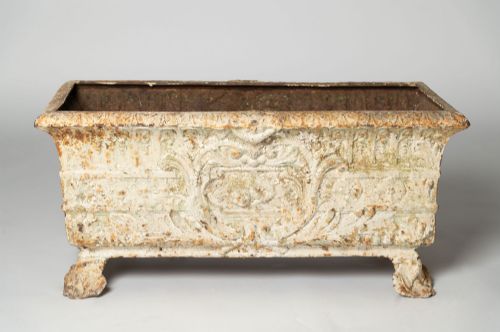
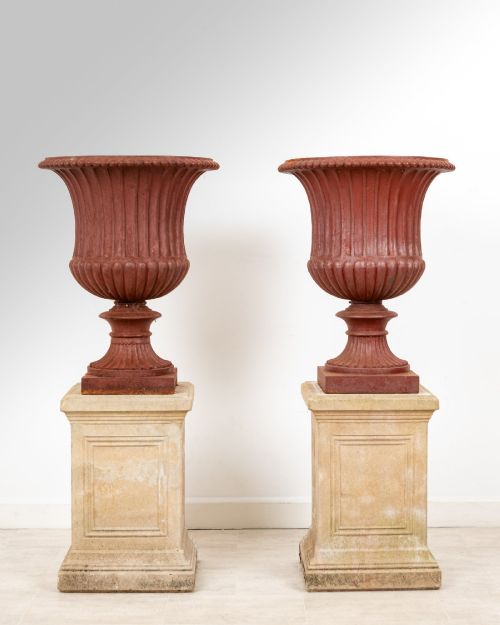
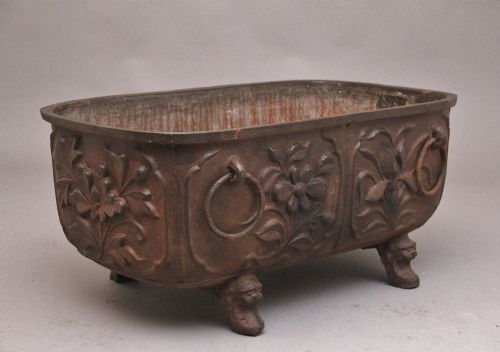
Pair Cast Iron Planters on Plinths, Regency
Priced at £1,295 from Vintage Garden UK
The 2026 retail price guide for Antique Cast Iron is drawn from a proprietary archive of over 1.1 million retail prices indexed by Sellingantiques since 2003. This guide relies exclusively on their own internal data; no external sources or auction records are used.
Analysing nearly 25 years of UK antique market history alongside current retail values, the data indicates that typical UK retail prices for Antique Cast Iron range between £300 and £1,900. Entry-level prices generally fall under £300 and premium examples upwards of £1,900.
Casting allowed for deep, repetitive relief work that manual forging could never achieve at scale.
Trace the seams along the edges where the two halves of the sand mould met.
Heavy gauge construction across the whole category, making even small brackets surprisingly weighty.
Early sand casting required immense physical labour to pack the moulds, resulting in thicker, less refined walls.
Notice how late nineteenth-century pieces show crisper detailing. Better pattern carving and finer sand mixtures improved the final resolution.
A shift towards complex interlocking sections held by bolts, rather than pouring massive items in one single go.
"Foundries recycled the moulding sand endlessly, making the production floors highly efficient operations."
"Look at the hollow nature of many architectural columns. They supported massive weights while keeping metal usage surprisingly low."
"Master carvers spending months shaping a single intricate wooden pattern before a drop of liquid metal was ever poured."
Based on almost 25 years of Sellingantiques UK antique market data, Antique Cast Iron appeared 6080 times (out of 1,100,000 antiques) which gives it a rarity score of 30/100.
This score measures scarcity within the Sellingantiques archive only and is not a survey of the entire antiques market, so these statistics may not be indicative of the general availability of Antique Cast Iron elsewhere.
Start with a stiff wire brush to remove the loose, flaking rust. Work methodically across the surface, taking care not to scratch too deeply into the base metal.
Wipe it down with a dry cloth to clear the dust. You can then apply a rust-inhibiting primer before repainting. This seals the metal against moisture.
Many people still cook with nineteenth-century pans. You need to ensure the interior surface is clean, free of deep active rust, and properly seasoned with oil.
Avoid sudden temperature changes. Putting a cold antique pot directly onto a high flame can shock the brittle metal, causing it to crack. Heat it up gradually.
It is usually a raised set of letters or numbers cast directly into the metal.
Sometimes they include a diamond-shaped registration kite.
It depends on the level of detail you want to see. Thick layers of old paint soften the sharp lines of the original mouldings, making the piece look rounded.
Stripping takes time and often reveals why it was painted in the first place. You might uncover old repairs or uneven casting surfaces beneath the layers.
If you decide to remove it, chemical strippers are generally safer for the iron than aggressive sandblasting. Old paint often contains lead, so take proper precautions.
Please note: This Antique Cast Iron guide and its associated pricing data are provided for general informational purposes only. It does not constitute formal financial, investment, or appraisal advice and should not be relied upon as the sole basis for any commercial activity, purchasing, or sales decisions. Sellingantiques.co.uk accepts no liability for any actions taken in reliance on this information. Always consult with a qualified professional or independent appraiser.
