


A 2026 Guide by Sellingantiques
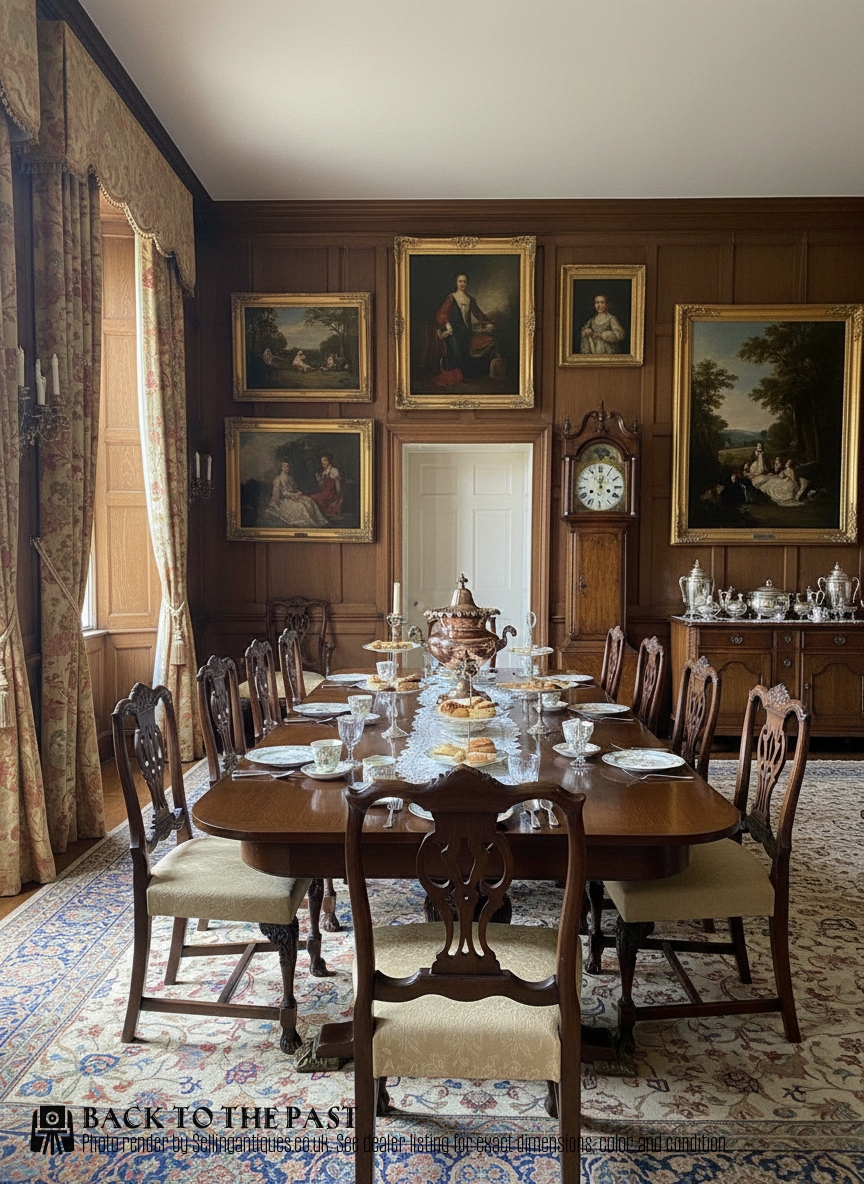
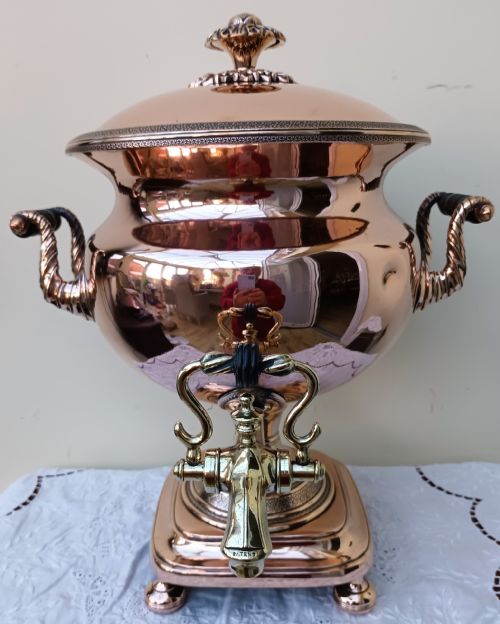
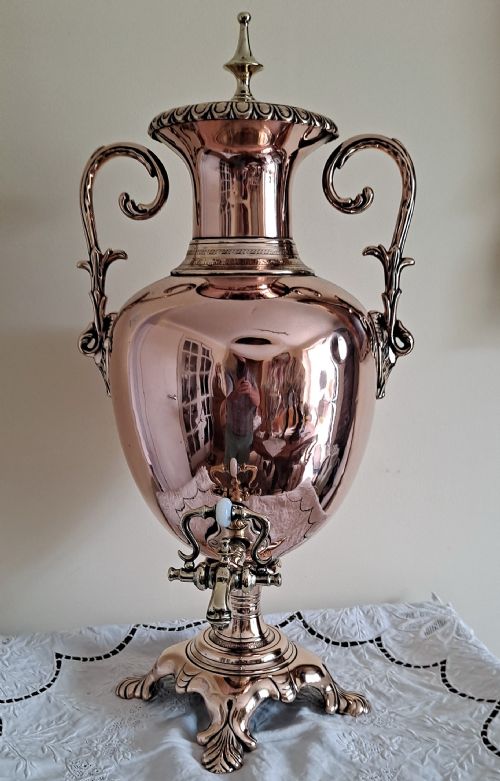
Antique Victorian Quality Copper and Brass Samovar/tea Urn, 1860
Priced at £585 from London City Antiques
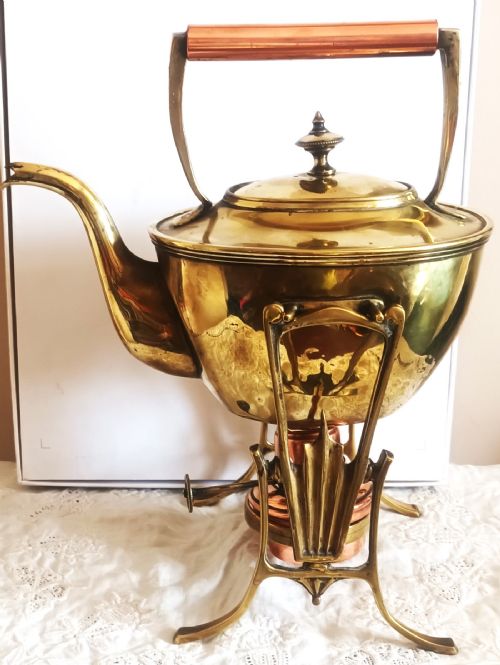
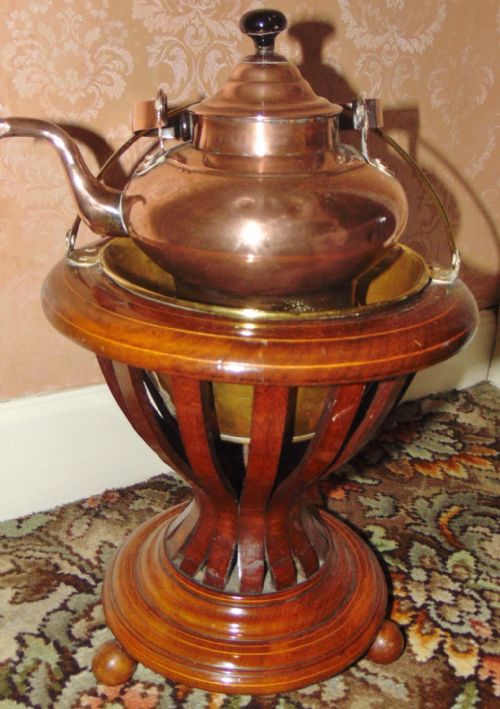
Before these became standard in the mid-eighteenth century, households relied on smaller kettles over spirit lamps.
The introduction of the antique tea urn allowed hosts to keep large volumes of water hot without an exposed flame.
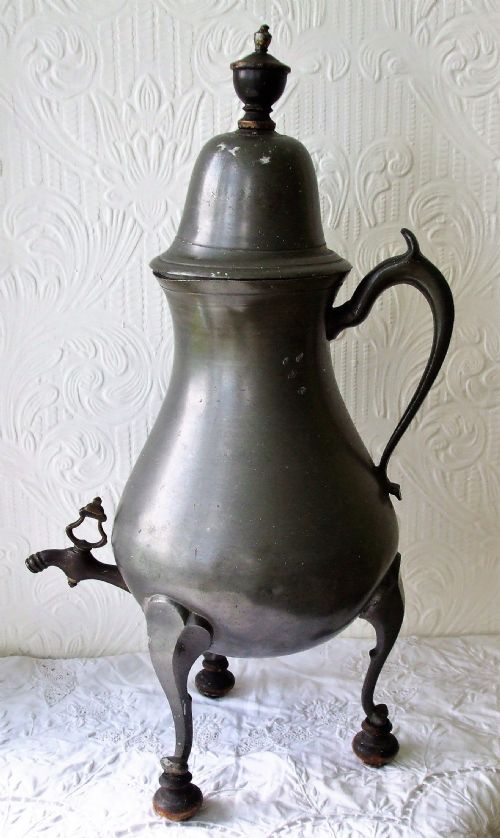
Early Georgian types often follow a vase shape. Neoclassical periods shifted the form towards tall, slender urns with square bases.
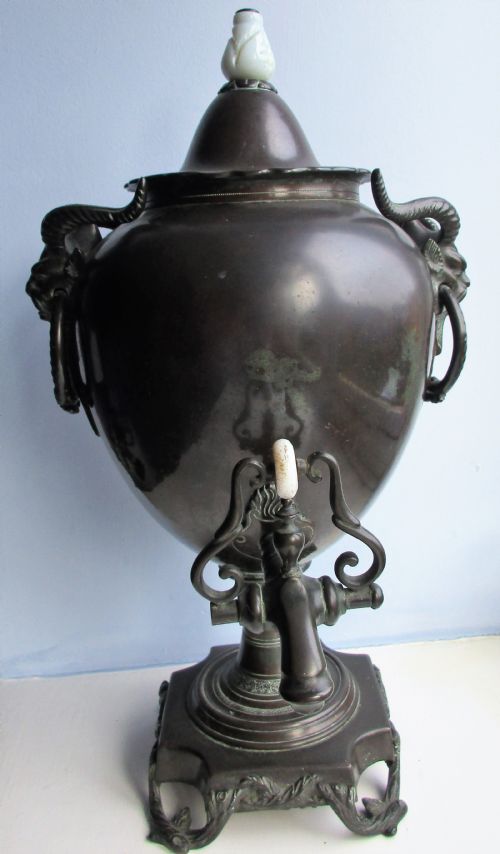
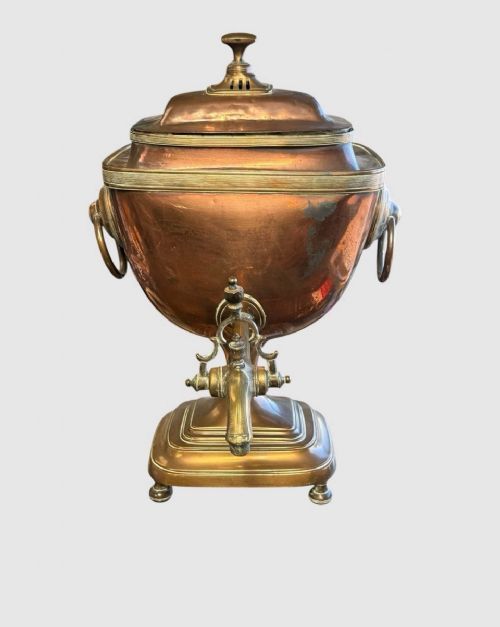
You'll often find Regency examples leaning heavily into Roman motifs. Paw feet and lion mask ring handles show up frequently.
Demand peaked in the early nineteenth century. Changing social customs eventually saw the cumbersome urn give way to lighter kettles.
Matthew Boulton produced many Sheffield plate examples in Birmingham during the late eighteenth century.
Paul Storr made solid silver antique tea urns in London. His early nineteenth-century work often carries heavy classical casting.
Hester Bateman registered her mark in 1761. Her workshop turned out silver urns with fine bead-edged detailing.
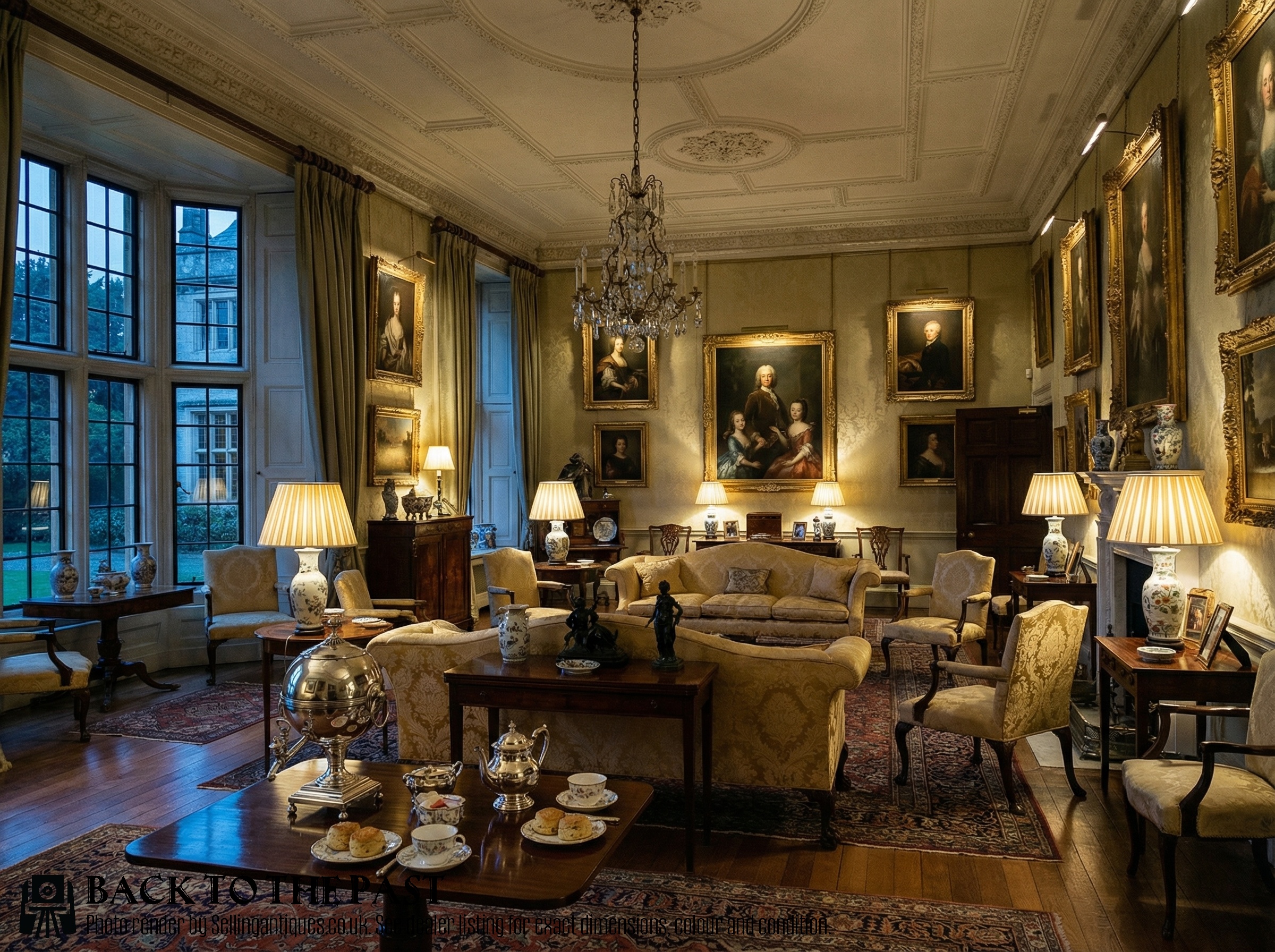
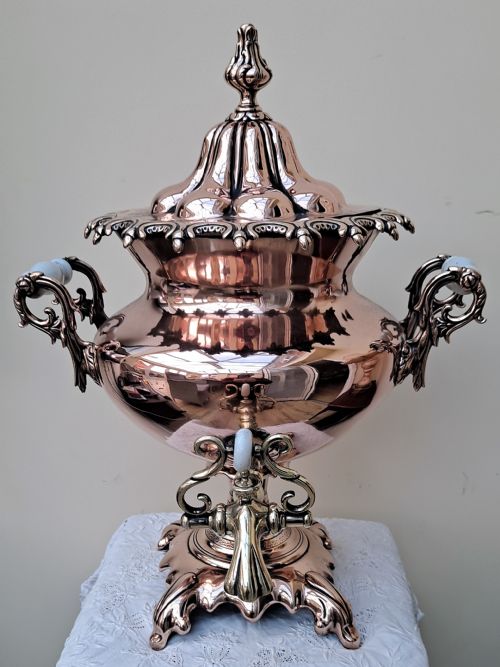
Quality Sheffield Silver Plated Samovar Tea Urn, Georgian
Priced at £725 from Rebecca Sarah Antiques
The 2026 retail price guide for Antique Tea Urns is drawn from a proprietary archive of over 1.1 million retail prices indexed by Sellingantiques since 2003. This guide relies exclusively on their own internal data; no external sources or auction records are used.
Analysing nearly 25 years of UK antique market history alongside current retail values, the data indicates that typical UK retail prices for Antique Tea Urns range between £400 and £3,000. Entry-level prices generally fall under £400 and premium examples upwards of £3,000.
The central heating sleeve dictates the internal shape. A heavy cast iron billet drops straight into this core.
Spigots sit near the base. A simple rotary tap mechanism controls the water flow.
Pay attention to the lid. It must fit snugly to trap the steam and keep the water at brewing temperature.
Early forms rely on seamed copper bodies. Coppersmiths joined the sheets with cramps and brazed them over a forge.
Sheffield plate items require a different approach. Makers fused silver to copper before rolling it into workable sheets.
Later Victorian manufacturers adopted spinning techniques. This allowed them to shape complex bodies from a single disc of metal on a lathe.
"Some contained separate internal chambers. This allowed the host to dispense tea and coffee from a single vessel."
"Heavy iron billets stay hot for hours. You can still use them to keep water warm during long gatherings."
"A few Georgian designs feature concealed spirit burners. They blend the classical urn shape with continuous heating capability."
Based on almost 25 years of Sellingantiques UK antique market data, Antique Tea Urns appeared 224 times (out of 1,100,000 antiques) which gives it a rarity score of 96/100.
This score measures scarcity within the Sellingantiques archive only and is not a survey of the entire antiques market, so these statistics may not be indicative of the general availability of Antique Tea Urns elsewhere.
Most antique tea urns only held hot water. The host kept a separate teapot on the table, brewing a strong concentrate.
To serve, you pour a little strong tea. You'd then turn the urn's spigot to dilute it with hot water.
That dark layer's usually heavy tarnish mixed with mineral deposits from hard water. Many old copper urns were tinned inside to stop the water tasting metallic. That tin lining dulls down to a dark grey over time.
Warm water and a gentle brush will remove the loose scale. Don't scrub too hard. You'll risk stripping the remaining tin, which exposes the bare copper beneath.
You need to check the internal lining first. Bare copper can leach into the water, so it requires intact tinning for modern use.
The tap seals often dry out and leak. A plumber or silversmith can replace the old cork or leather washers inside the spigot to make it watertight again.
The iron billet should sit right at the base of the central sleeve.
This placement pushes heat straight into the widest part of the water chamber.
Please note: This Antique Tea Urns guide and its associated pricing data are provided for general informational purposes only. It does not constitute formal financial, investment, or appraisal advice and should not be relied upon as the sole basis for any commercial activity, purchasing, or sales decisions. Sellingantiques.co.uk accepts no liability for any actions taken in reliance on this information. Always consult with a qualified professional or independent appraiser.
