
A 2026 Guide by Sellingantiques
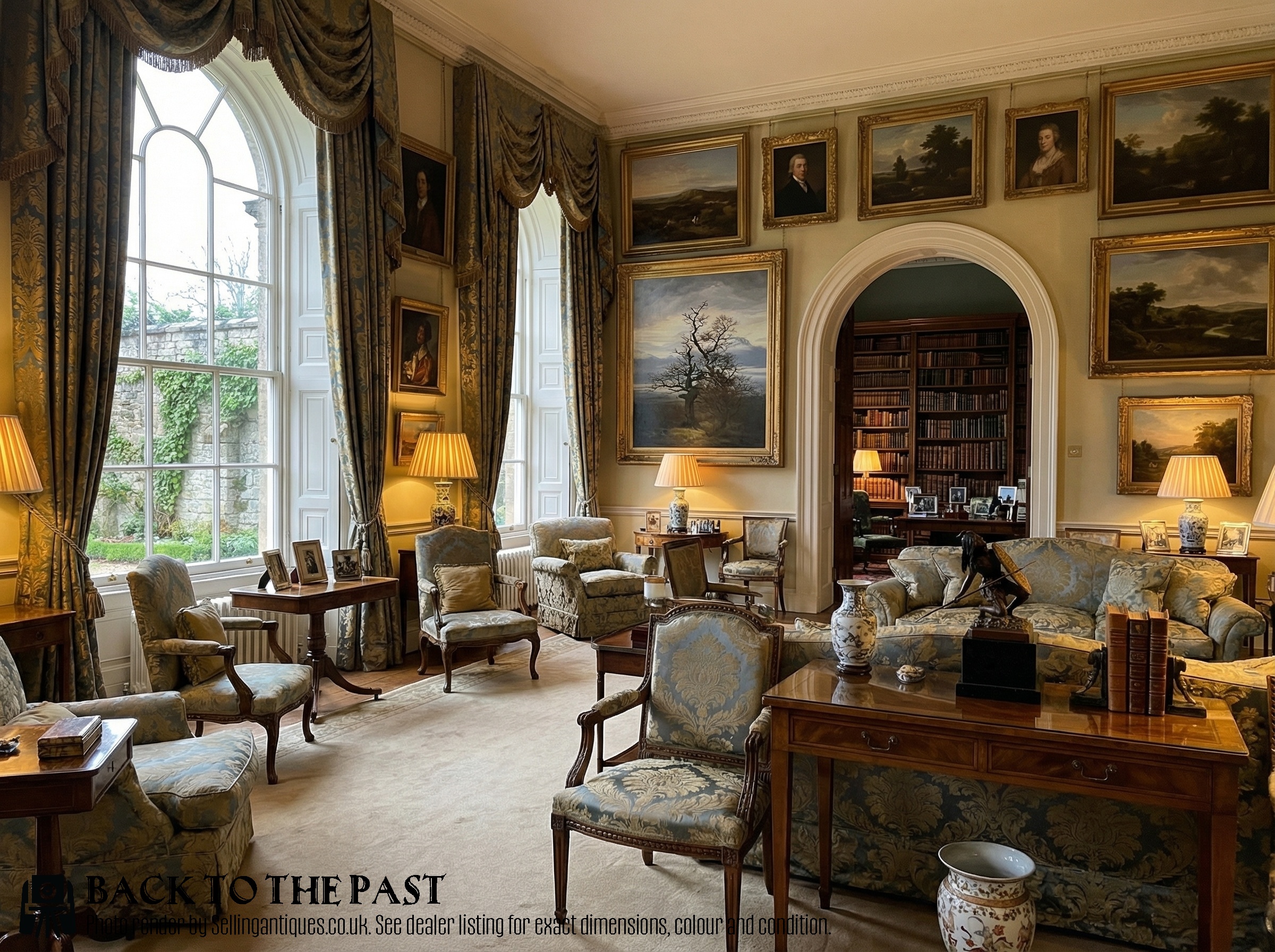
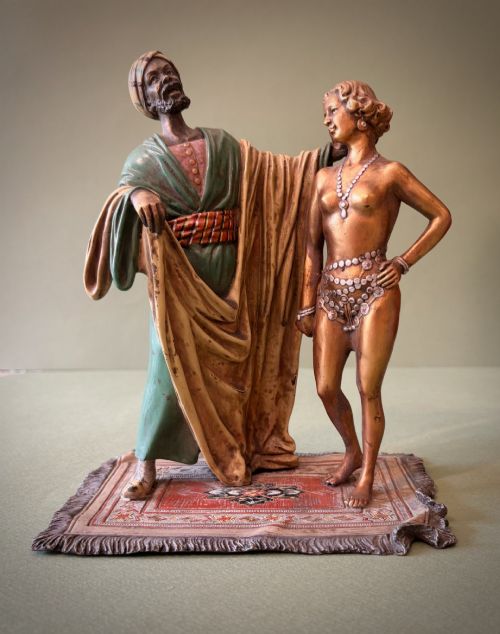
Bergman Bronze Warrior, Vienna, C. 1900. Franz Bergman., Victorian
Priced at £2,900 from Philip Carrol Antiques
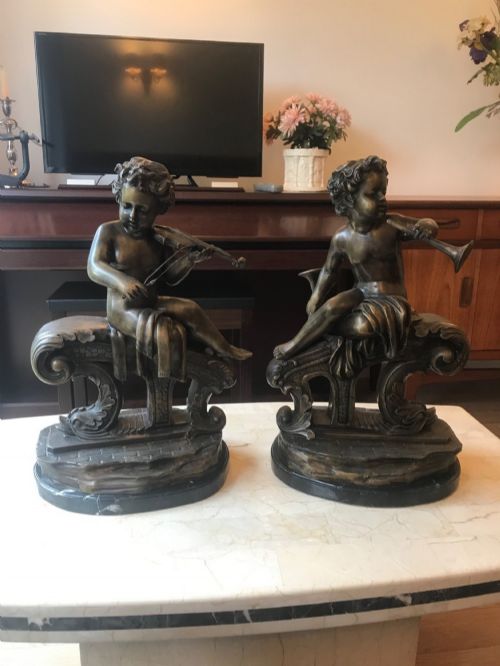
Small decorative bronzes. Gained widespread popularity in the nineteenth century when foundries scaled up casting operations for middle-class homes.
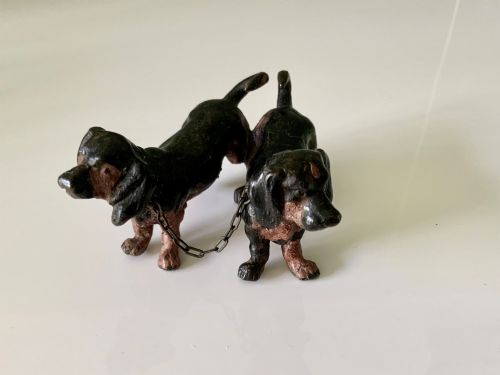
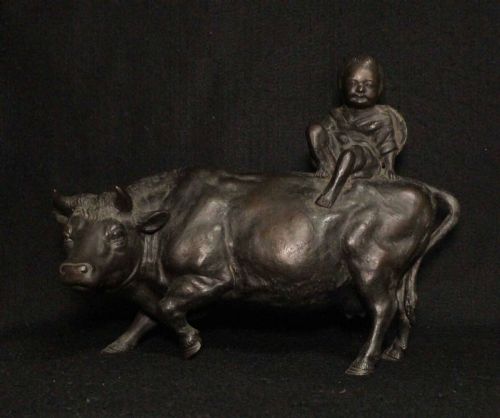
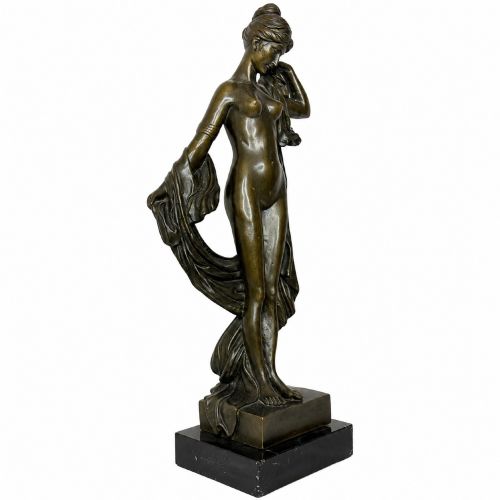
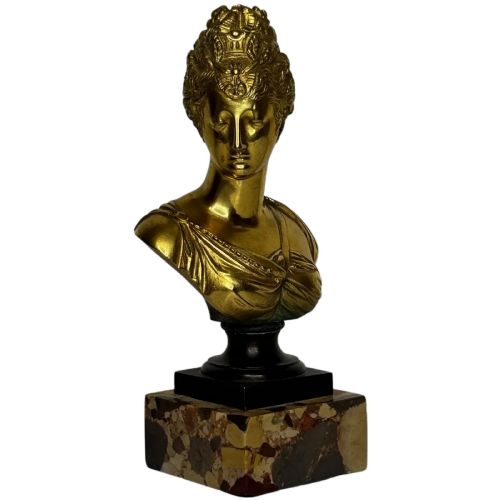
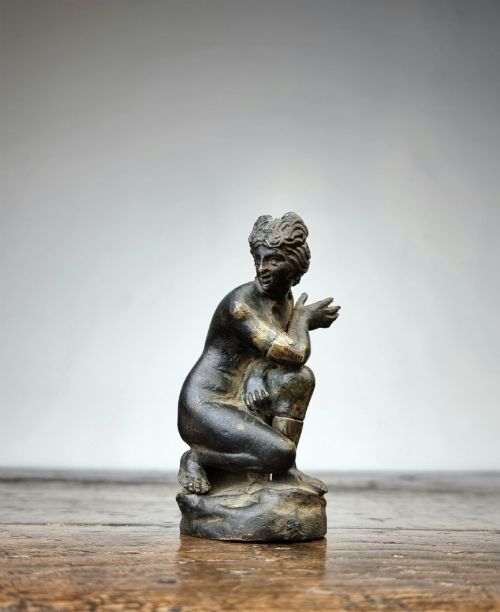
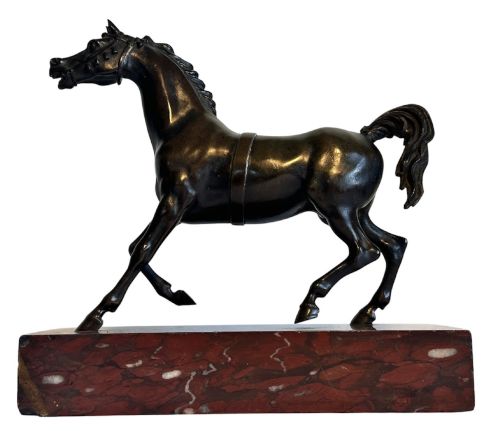
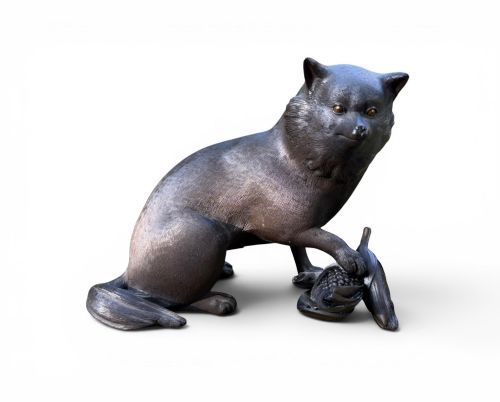
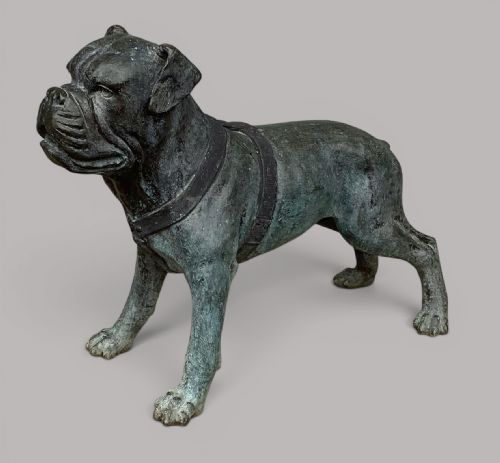
Look closely at the subjects chosen. French foundries frequently cast animal groups, classical figures and romanticised historical portraits.
Remember that earlier eighteenth-century examples were usually commissioned by aristocratic patrons rather than cast in large editions.
During the late nineteenth century, the scale of antique bronze figures shifted to include countless domestic mantelpiece decorations.
Expanding trade routes brought imported ores to European foundries, allowing them to keep up with the rising demand for statuary.
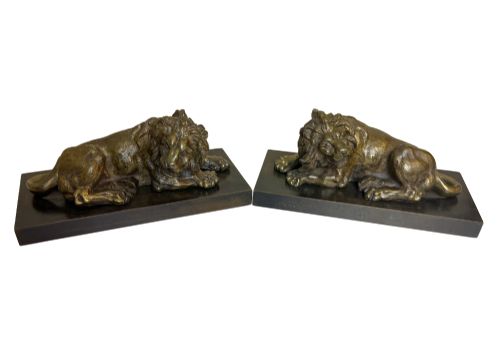
Antoine-Louis Barye worked in Paris during the nineteenth century, establishing a massive market for animalier bronzes.
The Susse Frères foundry operated throughout the nineteenth and twentieth centuries, producing high-quality editions of prominent sculptors' works.
Ferdinand Barbedienne ran a major Parisian workshop that systematically reduced famous classical statues into tabletop antique bronze figures.
The 2026 retail price guide for Antique Bronze Figures is drawn from a proprietary archive of over 1.1 million retail prices indexed by Sellingantiques since 2003. This guide relies exclusively on their own internal data; no external sources or auction records are used.
Analysing nearly 25 years of UK antique market history alongside current retail values, the data indicates that typical UK retail prices for Antique Bronze Figures range between £700 and £4,700. Entry-level prices generally fall under £700 and premium examples upwards of £4,700.
Foundry marks are often stamped near the base. These small seals indicate which commercial workshop cast the piece.
Crisp chasing defines a good cast. Skilled workers used small punches to sharpen hair, fur and facial features after the metal cooled.
Hollow interiors make them manageable. You can sometimes see the core pins or casting flaws if you turn an unmounted figure upside down.
Sand casting uses tightly packed sand boxes to form a two-part mould. This method was widely adopted for flatter or less complex forms.
Lost-wax casting involves melting a wax model out of a ceramic shell, capturing undercuts and intricate details well.
Notice the joining methods. Complex antique bronze figures were cast in multiple sections and pinned together before the seams were hammered flat.
"Many foundries kept the original moulds for decades, allowing them to issue new casts long after the initial sculptor had passed away."
"The Collas machine revolutionised the trade. It was a pantograph device that allowed foundries to scale down massive public monuments into mantelpiece sizes."
"Quite a few figures were actually cast in separate sections. The arms or weapons were slotted in with tiny hidden pins to save on casting complex shapes."
Based on almost 25 years of Sellingantiques UK antique market data, Antique Bronze Figures appeared 3666 times (out of 1,100,000 antiques) which gives it a rarity score of 48/100.
This score measures scarcity within the Sellingantiques archive only and is not a survey of the entire antiques market, so these statistics may not be indicative of the general availability of Antique Bronze Figures elsewhere.
It is usually better to leave the deep dust where it sits. Over decades, this accumulation in the recesses creates a natural shadowing effect that highlights the texture of the casting.
If you must clean it, a very soft dry brush is enough. Using liquid polish or abrasive cloths will strip the delicate foundry patina and expose raw, shiny metal.
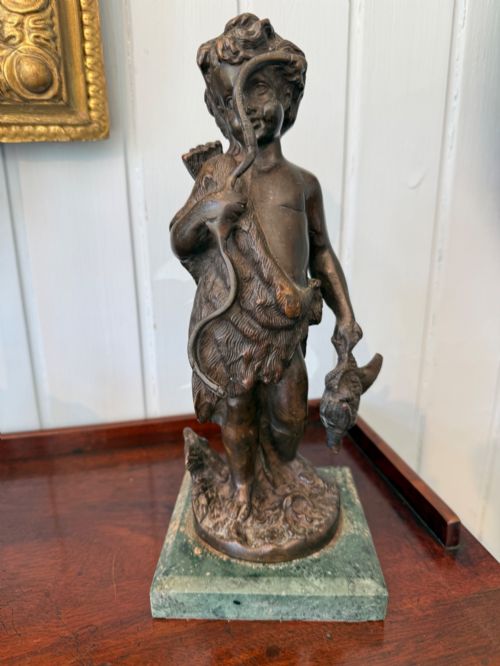
A slight looseness is very common with antique bronze figures mounted on stone. The metal and the marble expand and contract at different rates as room temperatures change over the decades.
Usually, the figure is held by a single iron rod threaded through the base. The square nut underneath can sometimes be tightened slightly, but it is often better to leave it alone rather than risk cracking the stone.
A foundry mark is a stamp or seal pressed into the bronze. It identifies the commercial workshop that actually melted and poured the metal, rather than the sculptor who designed the model.
These marks help identify where a piece was made. Famous Parisian foundries often stamped their names proudly, while regional makers sometimes left their casts unmarked.
The colour of the patina depends on the specific chemicals the foundry applied when the piece was finished. Different acid mixtures were heated onto the surface to create browns, greens or even black finishes.
Certain foundries favoured specific tones. Animal figures were often given rich brown patinas to mimic fur, while classical subjects sometimes received green tones to imitate the oxidised look of ancient excavated metal.
Please note: This Antique Bronze Figures guide and its associated pricing data are provided for general informational purposes only. It does not constitute formal financial, investment, or appraisal advice and should not be relied upon as the sole basis for any commercial activity, purchasing, or sales decisions. Sellingantiques.co.uk accepts no liability for any actions taken in reliance on this information. Always consult with a qualified professional or independent appraiser.
