


A 2026 Guide by Sellingantiques
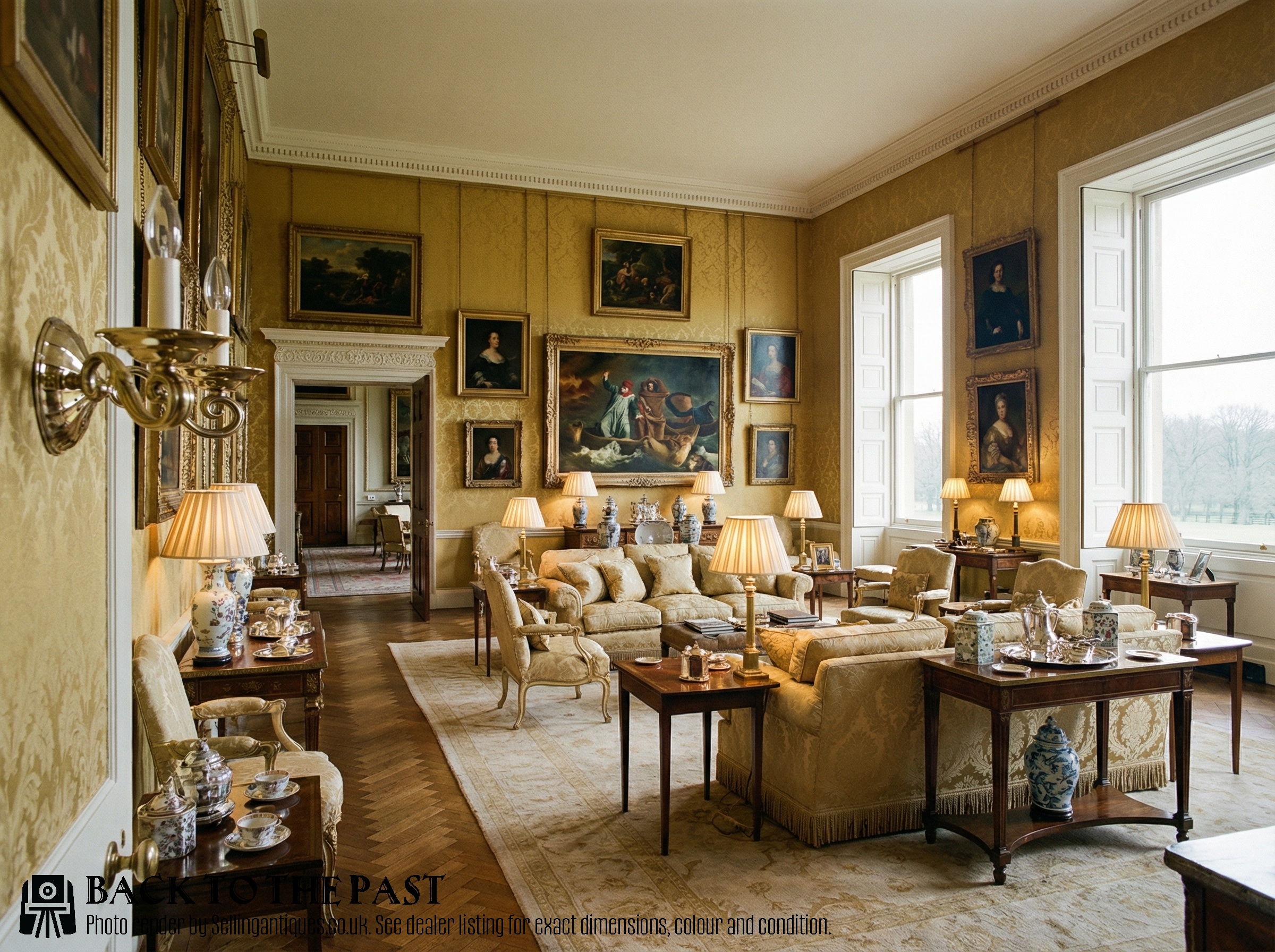
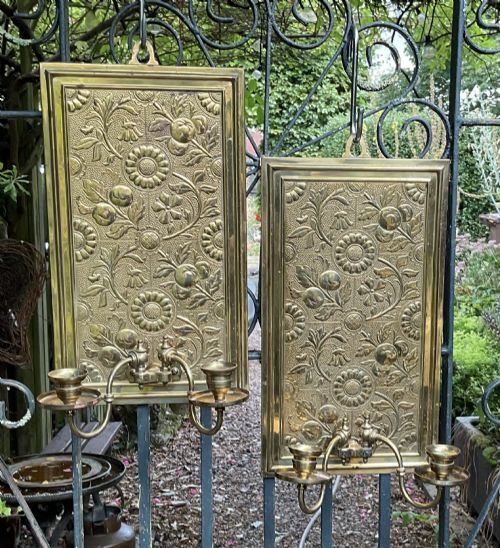
English Pair of Brass Twin Arm Antique Wall Lights, 1920
Priced at £575 from O'Keeffe Antiques
Early examples held wax candles. Most households used simple iron brackets.
The wealthy bought mirrored backplates. These reflected the weak candlelight back into the room.
Gas lighting changed the form in the nineteenth century. The fittings needed hollow tubes rather than solid arms.
Electricity arrived later and required different wiring paths. You often find Victorian gas brackets converted for lightbulbs.
Look for the transition periods. Antique wall lights tell the story of domestic technology moving from flame to filament.
F. & C. Osler worked during the nineteenth century. They produced heavy glass antique wall lights for the export market.
Perry & Co. operated in London. They produced elaborate crystal lighting for high-status interiors.
W.A.S. Benson is known for Arts and Crafts fittings. His late Victorian output mostly relies on polished brass and copper.
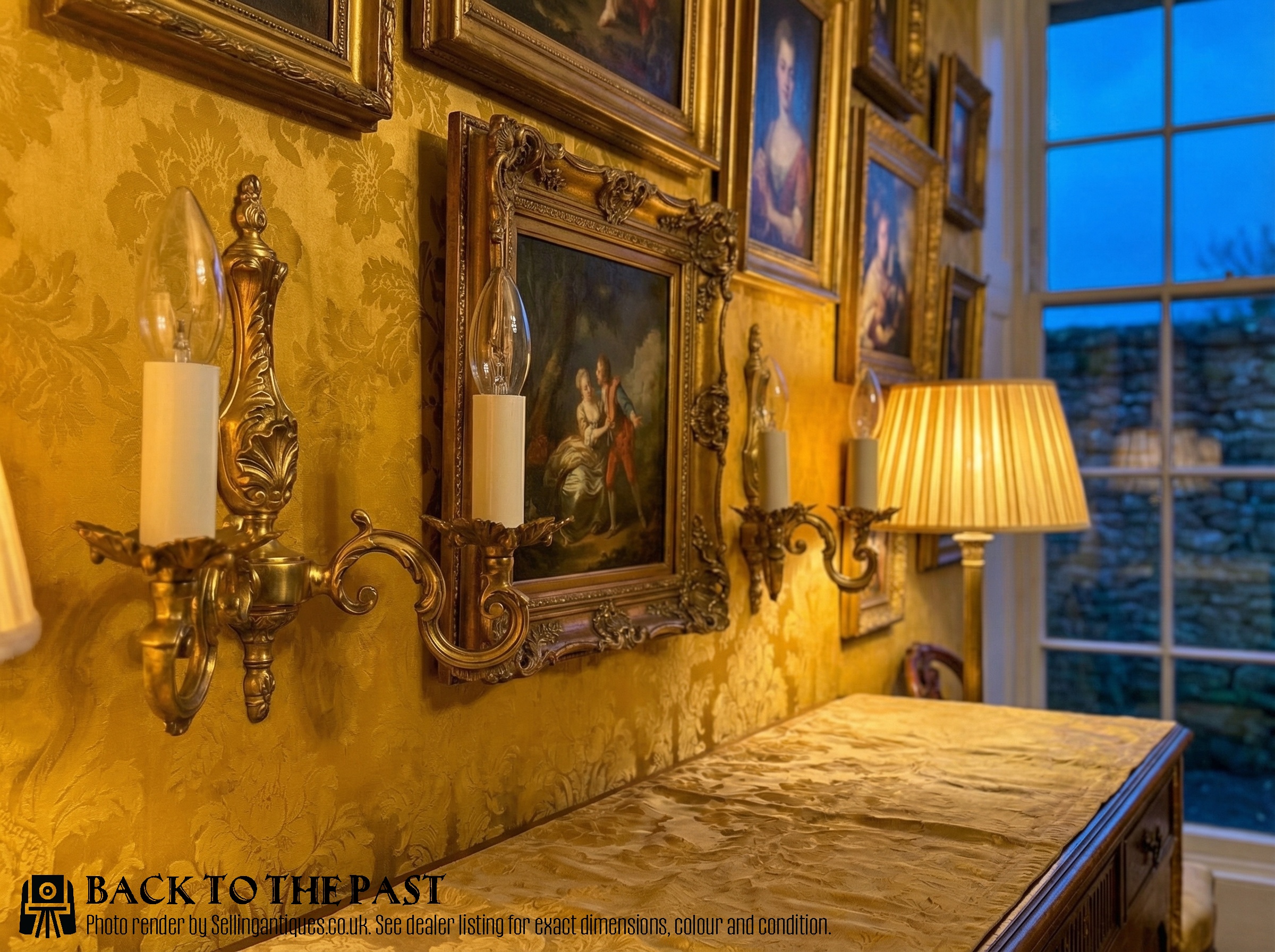
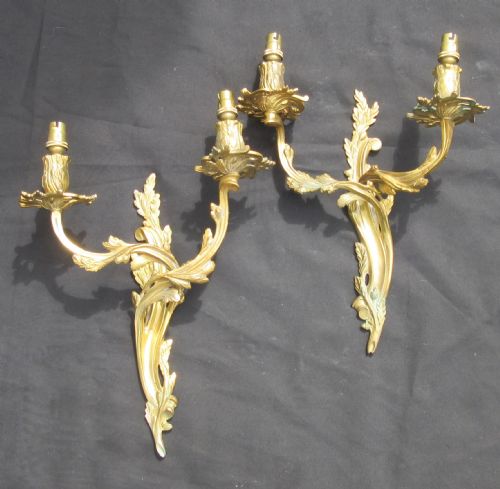
French Pair of Gilded Brass Twin Arm Wall Lights, 1930
Priced at £295 from O'Keeffe Antiques
The 2026 retail price guide for Antique Wall Lights is drawn from a proprietary archive of over 1.1 million retail prices indexed by Sellingantiques since 2003. This guide relies exclusively on their own internal data; no external sources or auction records are used.
Analysing nearly 25 years of UK antique market history alongside current retail values, the data indicates that typical UK retail prices for Antique Wall Lights range between £300 and £1,600. Entry-level prices generally fall under £300 and premium examples upwards of £1,600.
Backplates secure the fixture to the plaster. They spread the load and protect the wall from heat.
Check the drip pans. These catch melting wax on candle-lit sconces and sit just below the nozzle.
Projecting arms give the light clearance. Some are fixed while others swing out on simple hinge joints.
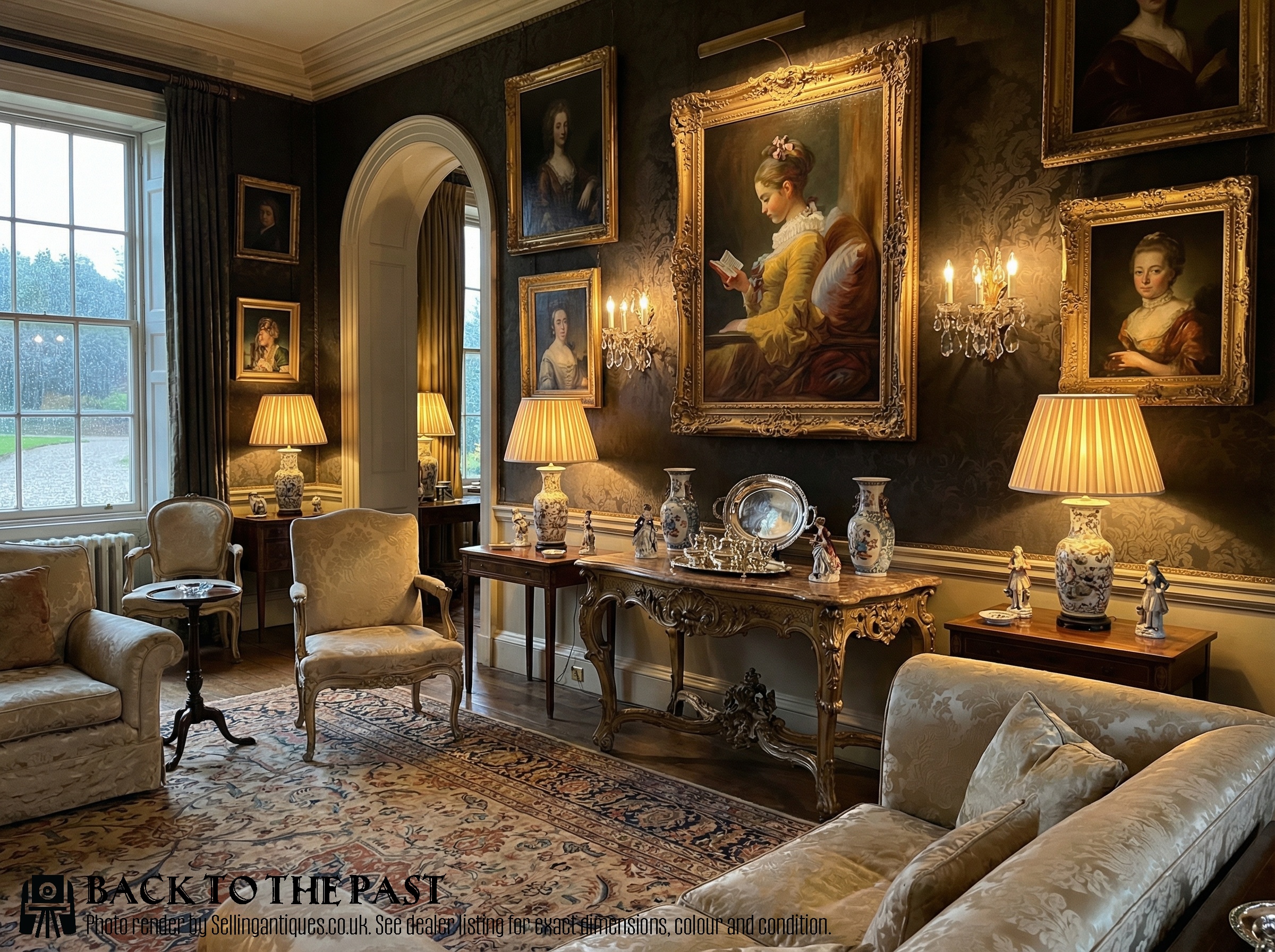
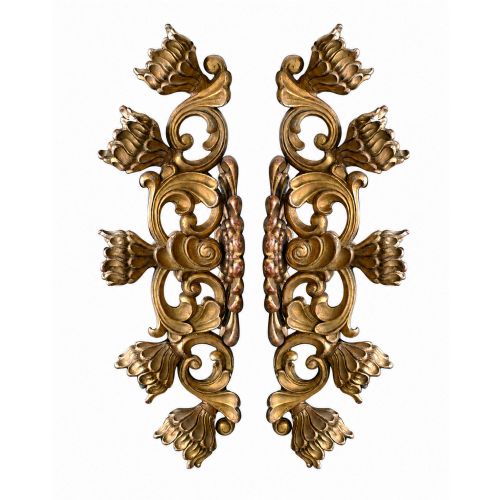
French Gilded Triple Arm Gilded Bronze & Crystal Antique Wall Lights, 1920
Priced at £1,450 from O'Keeffe Antiques
Early brass was cast in sand moulds. You feel the rough texture on the hidden back surfaces.
Glassmakers cut facets by hand on rotating wheels. The slight irregularities catch the light differently than modern pressed glass.
Stamped sheet metal became common in the nineteenth century. It reduced weight and allowed for faster assembly.
"Mirrored plates amplify the glow. They turn a single candle into a practical light source for a hallway."
"Articulated arms allow you to direct the beam. People used them for reading before the invention of the desk lamp."
"Surviving pairs are a fortunate find. Many started life as larger matched suites that were divided between heirs."
Based on almost 25 years of Sellingantiques UK antique market data, Antique Wall Lights appeared 5735 times (out of 1,100,000 antiques) which gives it a rarity score of 32/100.
This score measures scarcity within the Sellingantiques archive only and is not a survey of the entire antiques market, so these statistics may not be indicative of the general availability of Antique Wall Lights elsewhere.
Warm water and mild soap handle the surface dirt. You want to avoid abrasive modern metal polishes.
Heavy rubbing removes the historic patina. A soft cloth and gentle pressure will lift the dust without stripping the character away.
The hollow tube usually indicates a gas fitting. Gas required a pipe to carry the fuel to the burner, whereas early electrical wires could run externally along a solid frame.
Many makers designed gas fittings to mimic the look of candles to suit conservative tastes. They often feature a tap near the backplate to control the gas flow. This valve is a clear giveaway of their original purpose.
Yes, most can.
A qualified electrician will run modern double-insulated flex through the existing arms. They sometimes need to add a discreet backplate.
Historic placement depended entirely on the ceiling height and the room's function. They were usually mounted at eye level when standing, roughly five and a half feet from the floor.
This height made them easy to reach for lighting and snuffing candles. It also kept the glare out of the eyes of people seated at the dining table.
Please note: This Antique Wall Lights guide and its associated pricing data are provided for general informational purposes only. It does not constitute formal financial, investment, or appraisal advice and should not be relied upon as the sole basis for any commercial activity, purchasing, or sales decisions. Sellingantiques.co.uk accepts no liability for any actions taken in reliance on this information. Always consult with a qualified professional or independent appraiser.
