
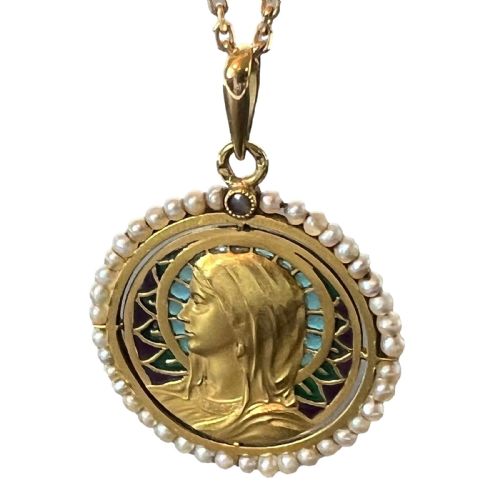
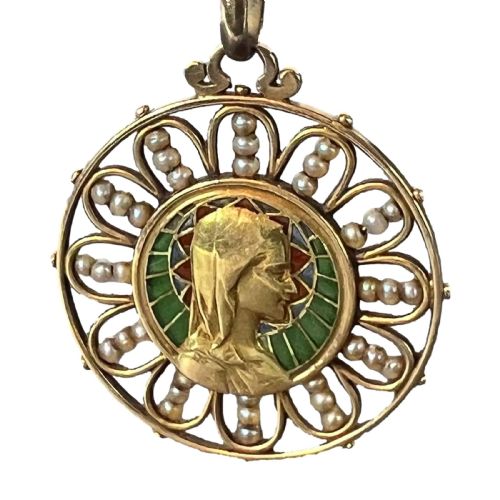


A 2026 Guide by Sellingantiques
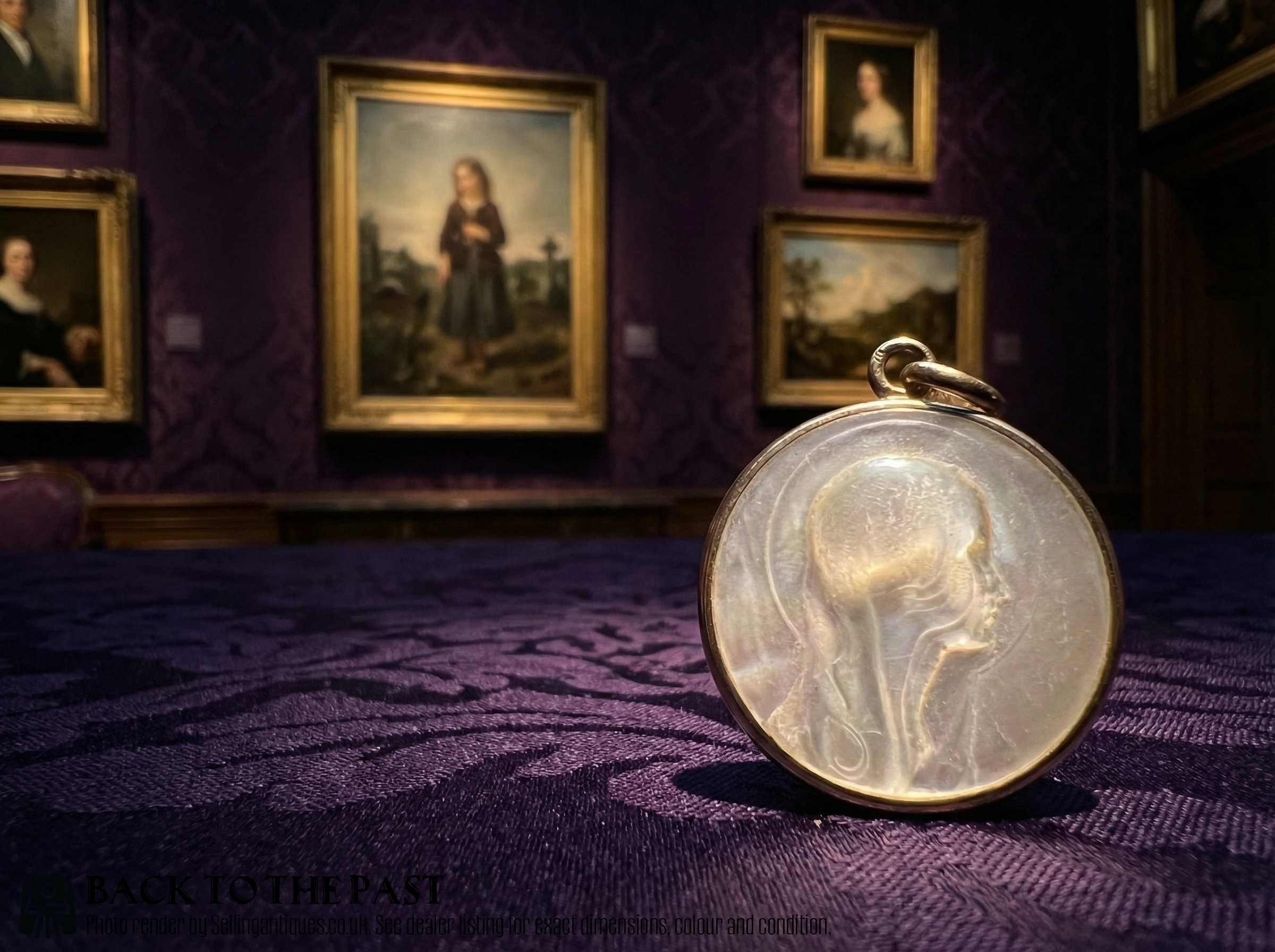
French Virgin Mary Mother of Pearl 18k White Gold Medal Pendant, 1900
Priced at £1,850 from ShinyPrettyThings Ltd
Campaign medals became standard issue in Britain after the Battle of Waterloo.
Earlier conflicts often saw only senior officers receive gold awards.
Look for commemorative antique medals marking coronations or jubilees.
Victorian expansion led to numerous distinct campaign stars and clasps being established to recognise service in specific colonial conflicts.
The Royal Mint struck the vast majority of official British campaign awards throughout the nineteenth and twentieth centuries.
William Wyon served as Chief Engraver from 1828.
Private firms like Spink produced unofficial commemorative pieces and mounted dress sets for officers.
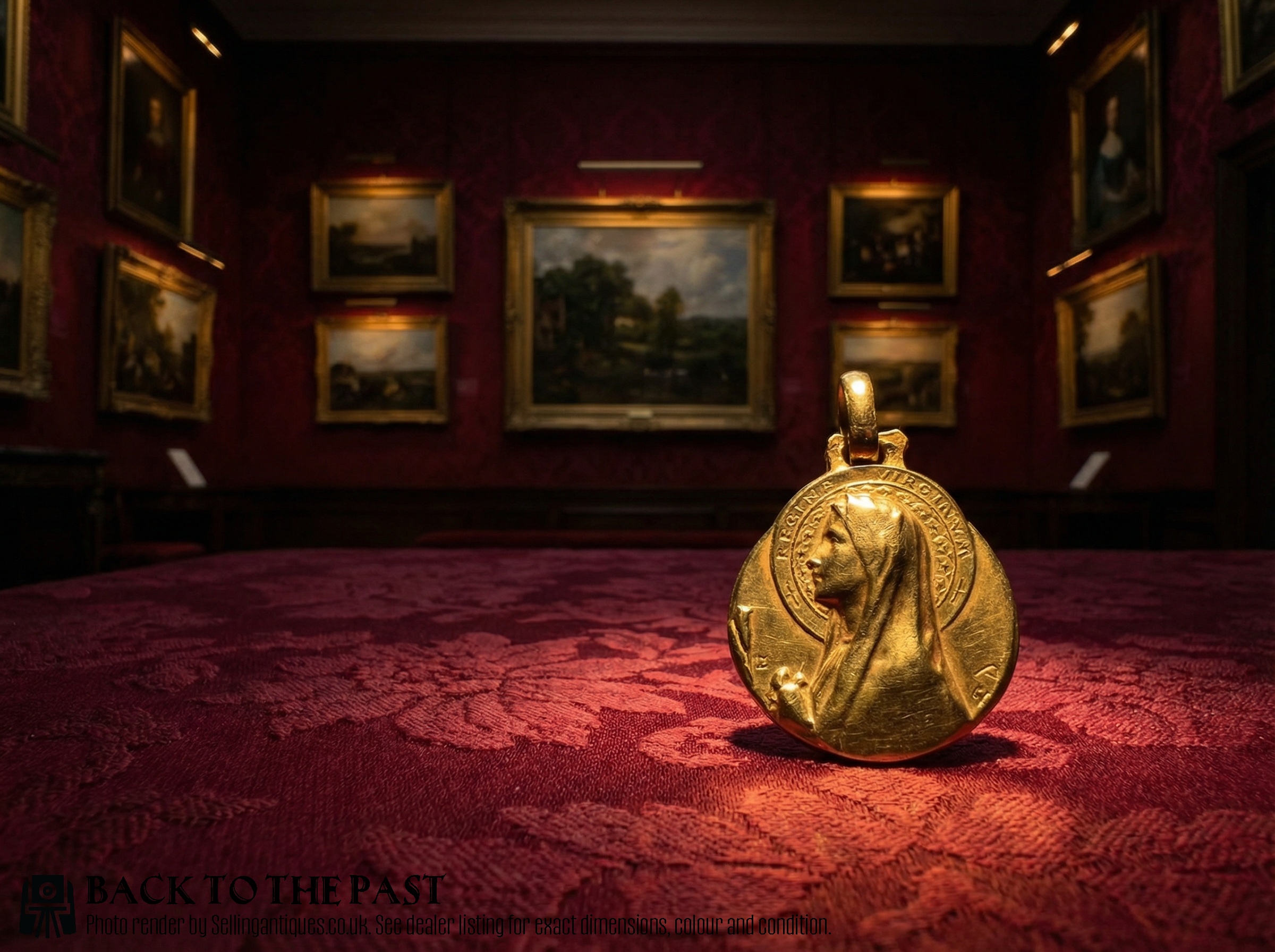
French Emile Dropsy Virgin Mary 18k Yellow Gold Medal Pendant, 1910
Priced at £1,850 from ShinyPrettyThings Ltd
The 2026 retail price guide for Antique Medals is drawn from a proprietary archive of over 1.1 million retail prices indexed by Sellingantiques since 2003. This guide relies exclusively on their own internal data; no external sources or auction records are used.
Analysing nearly 25 years of UK antique market history alongside current retail values, the data indicates that typical UK retail prices for Antique Medals range between £200 and £2,000. Entry-level prices generally fall under £200 and premium examples upwards of £2,000.
Impressed or engraved details on the rim usually record the recipient rank, name, and regiment.
Bars attached to the suspender indicate participation in specific battles or phases of a campaign.
The obverse normally carries the profile of the reigning monarch at the time the award was instituted.
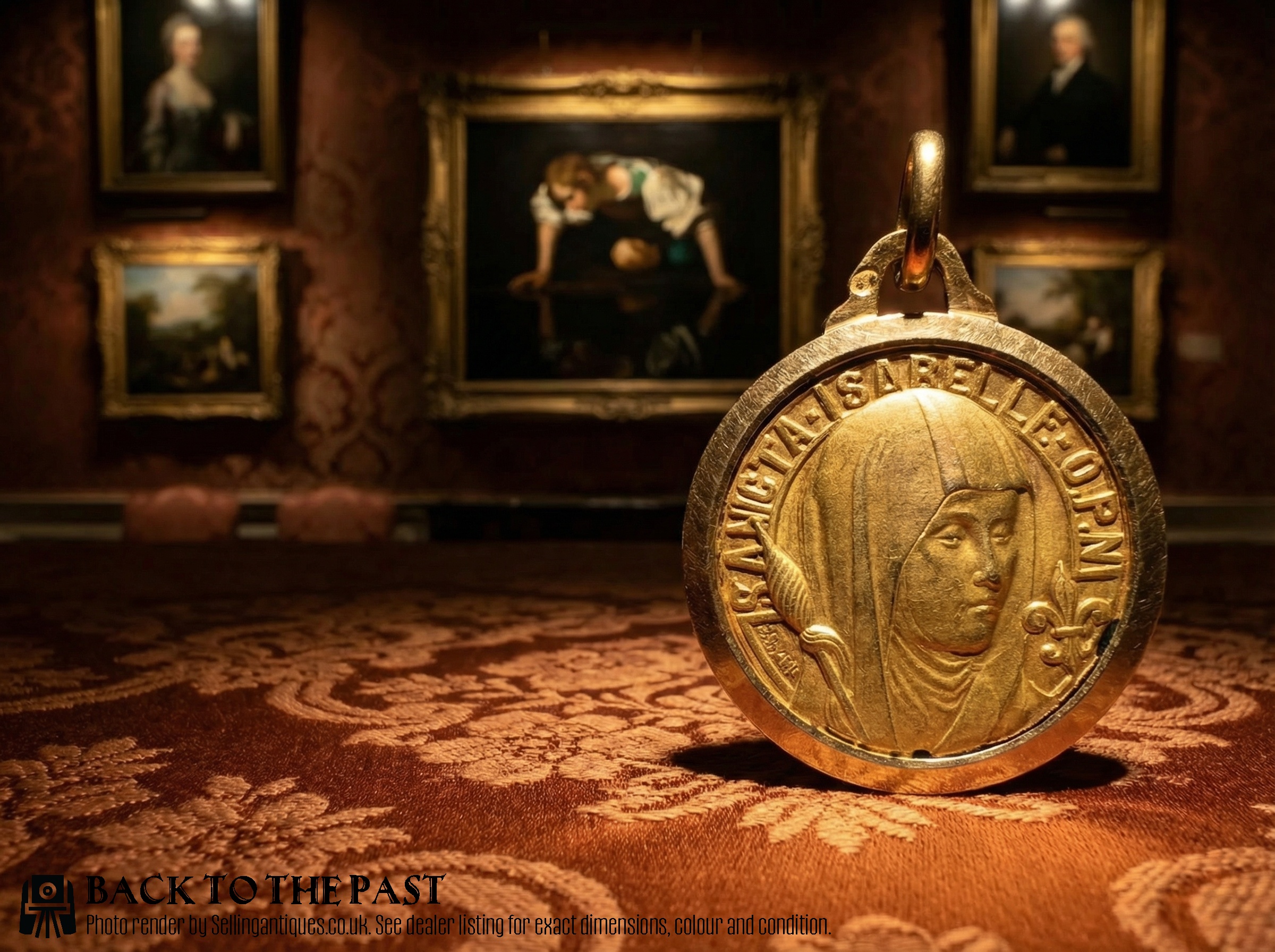
Vintage French Saint Isabelle of France 18 Karat Yellow Gold Medal Charm Pendant, 1930
Priced at £1,250 from ShinyPrettyThings Ltd
Early pieces were cast in moulds and hand-finished by jewellers.
Steam-powered presses later stamped blank metal discs with steel dies.
Mounting styles changed from loose rings to straight rigid suspenders as wearing multiple awards became standard practice.
"Some specific clasps were authorised for actions where no actual fighting took place."
"Next of kin received bronze memorial plaques instead of standard discs to commemorate soldiers who died in the First World War."
"Merchant navy sailors were eligible for campaign stars alongside regular military personnel during major global conflicts."
Based on almost 25 years of Sellingantiques UK antique market data, Antique Medals appeared 527 times (out of 1,100,000 antiques) which gives it a rarity score of 90/100.
This score measures scarcity within the Sellingantiques archive only and is not a survey of the entire antiques market, so these statistics may not be indicative of the general availability of Antique Medals elsewhere.
You generally leave them alone. Water and modern detergents can destroy antique silk in seconds, washing out the original dyes and weakening the fibres.
If a ribbon is brittle or fraying, store the piece flat in a dry environment. Some collectors replace ruined ribbons with modern equivalents, but the soiled original fabric tells the physical story of the object.
Impressing machines stamped the recipient details onto the edge of the planchet before the suspender was fitted. The operator simply placed the disc into the machine without checking the orientation of the head.
Upside down naming is a standard variation found across millions of issued military awards. It has no bearing on the history of the piece.
A small bronze oak leaf attached to the ribbon indicates that the recipient was mentioned in despatches. This means a senior commander specifically noted their good conduct in an official report.
Only one leaf was worn per ribbon, even if the individual received multiple mentions during that specific campaign. They are easily lost, so you often find ribbons with just the small pin holes remaining.
Regulations dictated the maximum width a row of medals could occupy on a uniform tunic. As veterans accumulated more awards, they had to overlap the ribbons to keep the group within the mandated space.
Court mounting, where the ribbon extends down behind the medal to keep it rigid, also dictates how tightly they sit together. Groups mounted for wear by private tailors often show slight variations in spacing.
Please note: This Antique Medals guide and its associated pricing data are provided for general informational purposes only. It does not constitute formal financial, investment, or appraisal advice and should not be relied upon as the sole basis for any commercial activity, purchasing, or sales decisions. Sellingantiques.co.uk accepts no liability for any actions taken in reliance on this information. Always consult with a qualified professional or independent appraiser.
