


A 2026 Guide by Sellingantiques
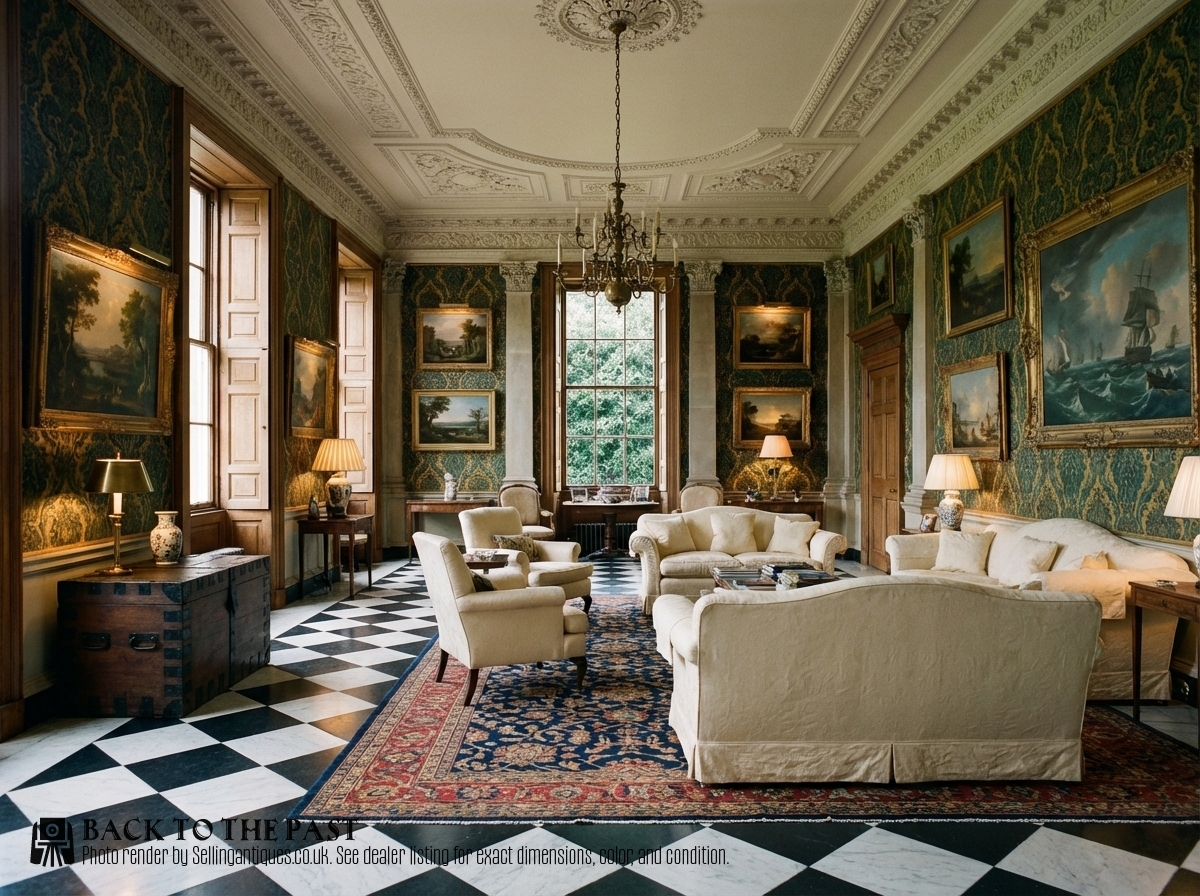
Victorian Oak and Metal Bound Silver Chest., Victorian
Priced at £265 from Rupert Hitchcox Antiques
Wealthy households needed a secure way to move valuables between country estates and townhouses.
Standard luggage for an aristocratic family on the move. An antique silver chest offered protection on rough turnpike roads.
Banks held these heavy boxes in their vaults when owners travelled abroad for extended periods.
Look for brass plaques on the lids. They often carry the engraved name of the original owner or their family crest.
Purpose-built storage for domestic plate became much more common in the late eighteenth century as dining sets expanded.
Many bearing retailer labels were supplied by prominent London silversmiths like Garrard or Hunt & Roskell.
Independent trunk makers in provincial towns supplied plain, unlabelled versions for local gentry.
Notice the cabinet maker pieces. Documented workshops such as Gillows occasionally produced highly finished examples that looked like standard mahogany furniture.
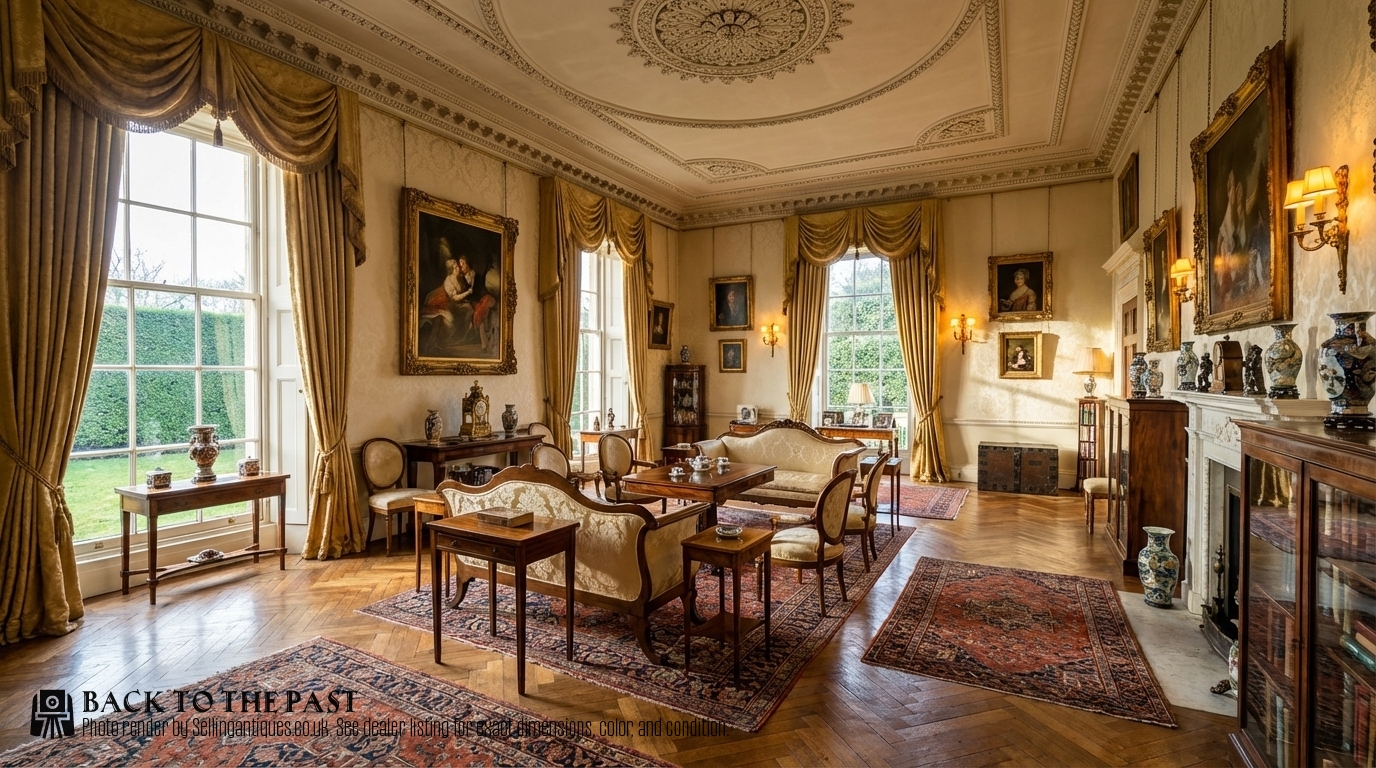
Good Sized Mid 19th Century Oak Silver Chest., 1850
Priced at £295 from Rupert Hitchcox Antiques
The 2026 retail price guide for Antique Silver Chests is drawn from a proprietary archive of over 1.1 million retail prices indexed by Sellingantiques since 2003. This guide relies exclusively on their own internal data; no external sources or auction records are used.
Analysing nearly 25 years of UK antique market history alongside current retail values, the data indicates that typical UK retail prices for Antique Silver Chests range between £400 and £2,800. Entry-level prices generally fall under £400 and premium examples upwards of £2,800.
Lift-out trays are the defining interior feature. They stack neatly to maximise space for spoons and forks.
Heavy-duty locks secure the front. Security was the main point of an antique silver chest.
Check the side handles. Drop handles need to be substantial enough to take the weight of a fully loaded interior.
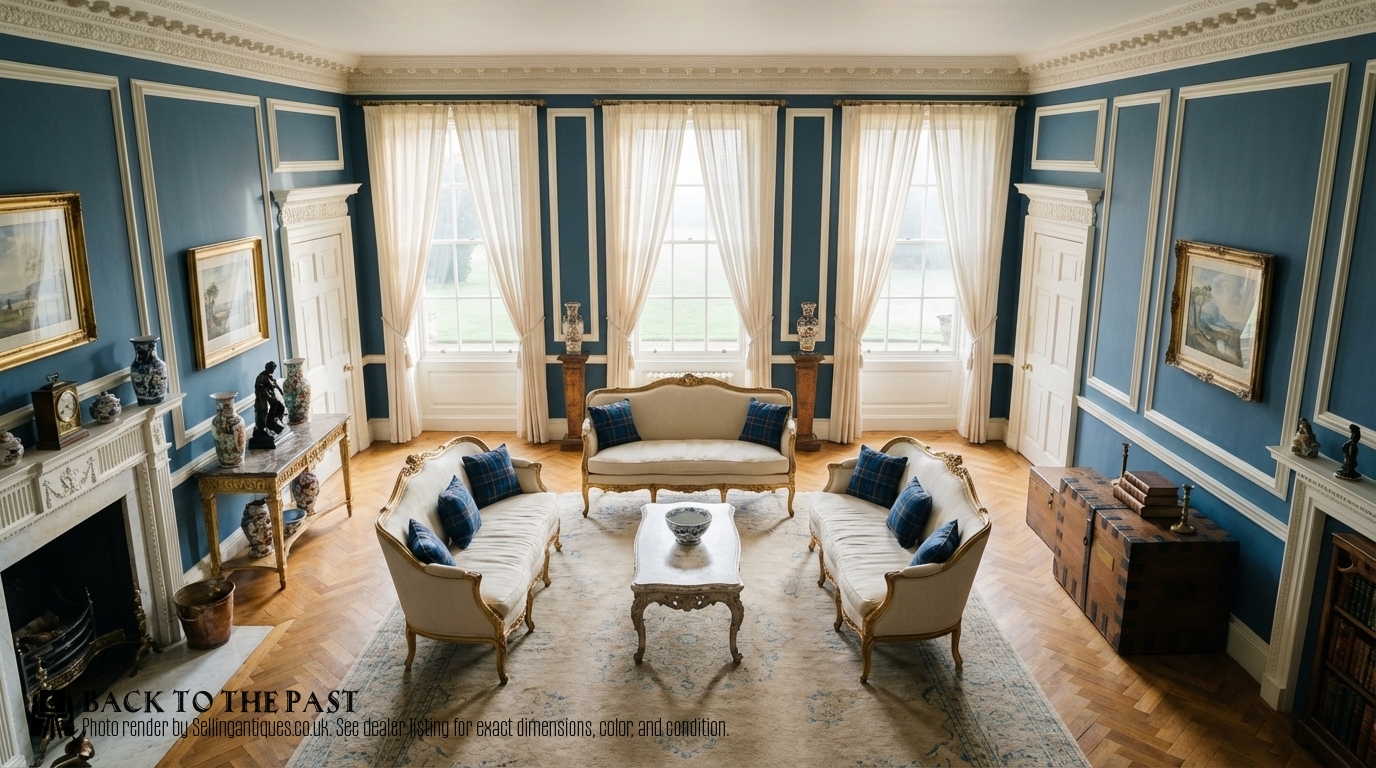
19th Century Oak and Metal Bound Silver Chest, 19th Century
Priced at £895 from Shackladys Antiques
Early examples tend to be simple iron-bound oak boxes. They have basic internal divisions for loose storage.
Nineteenth-century makers introduced precisely fitted trays. These feature slotted wooden racks carefully designed to separate individual spoons and forks.
Look for mahogany replacing oak in later Victorian chests. Makers built these polished versions to sit visibly inside the dining room rather than hidden down in a vault.
"Some retain original handwritten inventory lists pasted inside the lid to help the butler check everything back in."
"The layout of the trays often reveals how many courses a family typically served at dinner."
"Repurpose an empty chest. They're highly sought after today as secure storage for modern document archives or textile collections."
Based on almost 25 years of Sellingantiques UK antique market data, Antique Silver Chests appeared 403 times (out of 1,100,000 antiques) which gives it a rarity score of 92/100.
This score measures scarcity within the Sellingantiques archive only and is not a survey of the entire antiques market, so these statistics may not be indicative of the general availability of Antique Silver Chests elsewhere.
You can remove the slotted dividers, but it takes time. The makers glued and pinned these delicate wooden racks directly to the tray bases.
Pulling them out isn't a good idea because it often tears the original baize lining. It is usually better to lift the fitted trays out and use the empty base section.
The construction methods give the clearest timeline. Look at the hinges and the type of locks fitted to the front. Hand-forged iron strapwork points to early production, while machine-cut screws suggest a later date.
Research the name on the brass plaque. A family crest or a specific military rank can narrow down the decade the owner commissioned the box.
The traditional lining is baize. It is a woven woollen fabric, similar to the material used on billiard tables.
Makers chose wool because it breathes well and draws moisture away from the metal. This helps stop the contents from tarnishing while packed away.
Sometimes you find later replacements in cotton velvet or synthetic felt. The original wool baize is thicker and has a slightly coarse texture.
A good locksmith can cut a new key for an antique lock. They take an impression of the internal levers without needing to force the mechanism.
Don't try to pry the lid open or dig the lock out of the wood. The timber around the hasp is often brittle and splinters easily under pressure.
If the lid is stuck shut, unfastening the hinges at the back is sometimes a safer way to gain access.
Please note: This Antique Silver Chests guide and its associated pricing data are provided for general informational purposes only. It does not constitute formal financial, investment, or appraisal advice and should not be relied upon as the sole basis for any commercial activity, purchasing, or sales decisions. Sellingantiques.co.uk accepts no liability for any actions taken in reliance on this information. Always consult with a qualified professional or independent appraiser.
