


A 2026 Guide by Sellingantiques
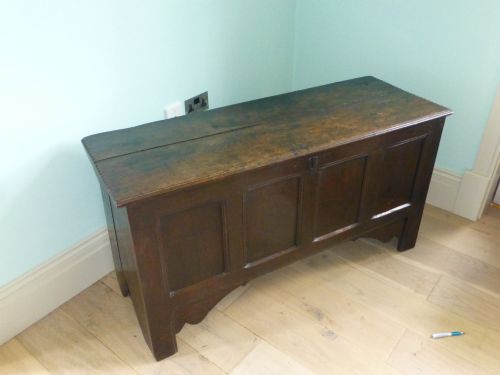
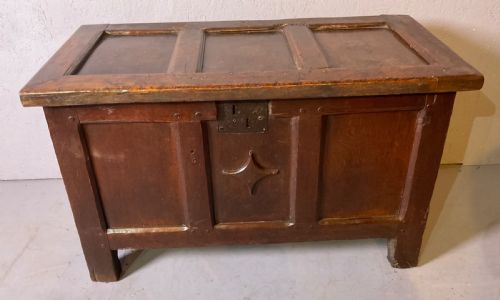
Most antique kists originate from Scottish farming and coastal communities, where secure storage was a basic necessity.
Track the regional variations. Highland examples sometimes differ distinctly in proportion from the heavier chests built down in the borders.
These boxes were essential baggage for agricultural labourers carrying everything they owned between seasonal tenancies.
Often commissioned as practical wedding presents to help young couples establish a new household.
Few antique kists carry a maker's stamp. Village wrights built most of them alongside carts and agricultural implements.
Estate carpenters produced them for local tenant farmers. The work reflects rural traditions rather than metropolitan cabinetmaking trends.
Sometimes you'll find painted initials. These point to the original owner rather than the person who cut the joints.
The 2026 retail price guide for Antique Kists is drawn from a proprietary archive of over 1.1 million retail prices indexed by Sellingantiques since 2003. This guide relies exclusively on their own internal data; no external sources or auction records are used.
Analysing nearly 25 years of UK antique market history alongside current retail values, the data indicates that typical UK retail prices for Antique Kists range between £400 and £1,400. Entry-level prices generally fall under £400 and premium examples upwards of £1,400.
Internal candle boxes sit at one end. This small compartment kept valuable wax dry and away from heavy linens.
Heavy iron carrying handles usually drop from the sides. You'll need them when moving a loaded chest.
Skirting wraps around the base. A deep plinth protects the main carcase from damp stone floors.
Early examples rely on pegged mortise and tenon frames holding loose panels. This allowed the wood to shrink without splitting.
Boarded construction took over by the nineteenth century. Wide planks were simply dovetailed or nailed at the corners.
Painted finishes evolved to mimic expensive timber. Scumble glaze was dragged over a pale ground coat to suggest oak grain.
"Seamen used variations of these chests. The flat lids doubled as tables or seating in cramped ship quarters."
"The internal till often has a secret drawer. A false bottom sometimes slides away to reveal a hidden cavity."
"Some paint finishes survive for centuries under later layers of varnish. Careful cleaning can reveal original strong colours."
Based on almost 25 years of Sellingantiques UK antique market data, Antique Kists appeared 222 times (out of 1,100,000 antiques) which gives it a rarity score of 96/100.
This score measures scarcity within the Sellingantiques archive only and is not a survey of the entire antiques market, so these statistics may not be indicative of the general availability of Antique Kists elsewhere.
Wipe it gently with a damp cloth. Avoid modern spray polishes or abrasive cleaners.
Beeswax feeds the surface and protects the old paint. Apply it sparingly once a year and buff with a soft duster.
Iron banding suggests the chest was built for travel or heavy trade use. It reinforces the carcase against impacts in the hold of a ship or on the back of a cart.
Many emigrants took their possessions in banded kists when leaving for North America or Australia. The extra ironwork kept the boards together during long sea voyages.
Look for old shipping labels pasted inside the lid. They often survive long after the exterior paint wears away.
Decades of closed storage trap stale air. The bare wood absorbs ambient moisture.
Leave the lid open on a dry day to let it breathe.
Carved dates usually record a marriage or a significant coming of age. They tell you when the piece was gifted, which aligns well with when it was built.
The initials belong to the recipient, not the joiner. Regional furniture makers rarely signed their output, preferring to focus on the person commissioning the work.
Sometimes later generations added their own initials. You'll have to check if the carving style matches the age of the timber.
Please note: This Antique Kists guide and its associated pricing data are provided for general informational purposes only. It does not constitute formal financial, investment, or appraisal advice and should not be relied upon as the sole basis for any commercial activity, purchasing, or sales decisions. Sellingantiques.co.uk accepts no liability for any actions taken in reliance on this information. Always consult with a qualified professional or independent appraiser.
