


A 2026 Guide by Sellingantiques
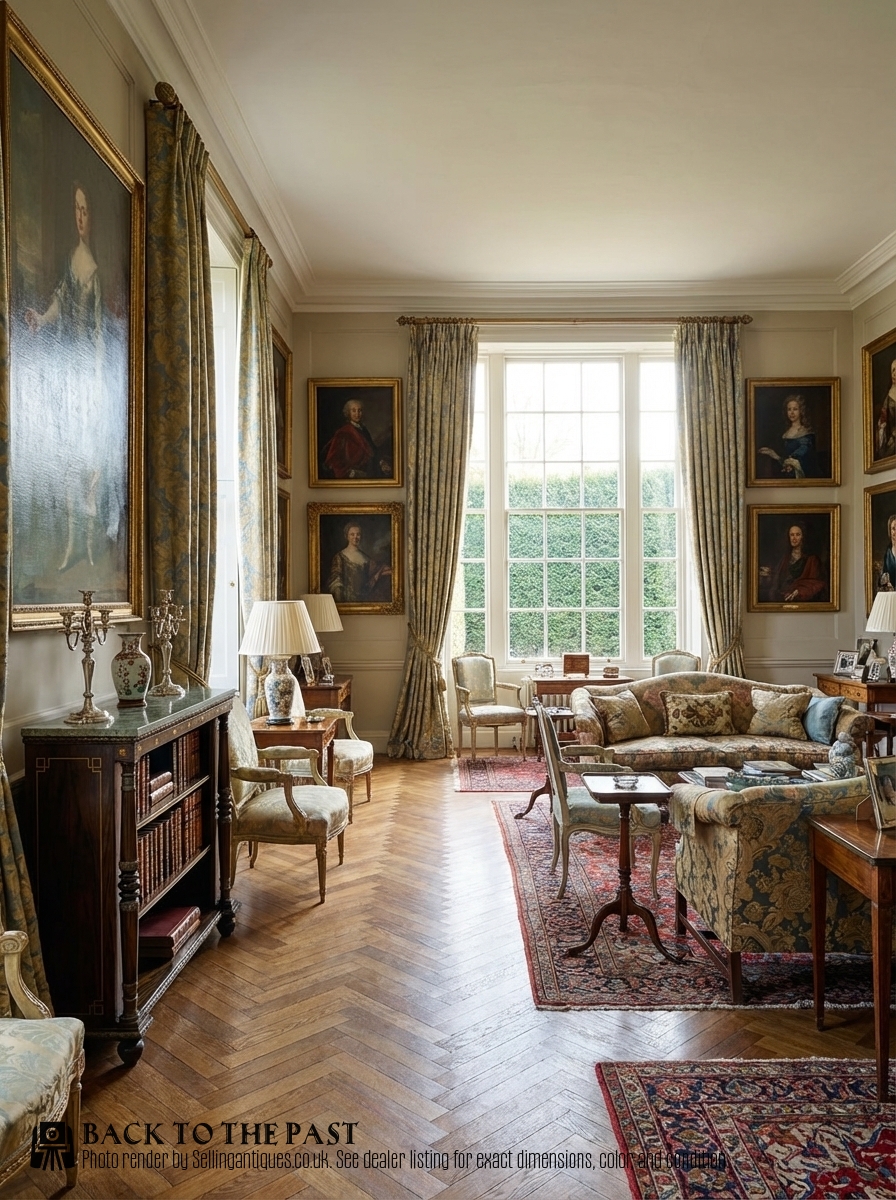
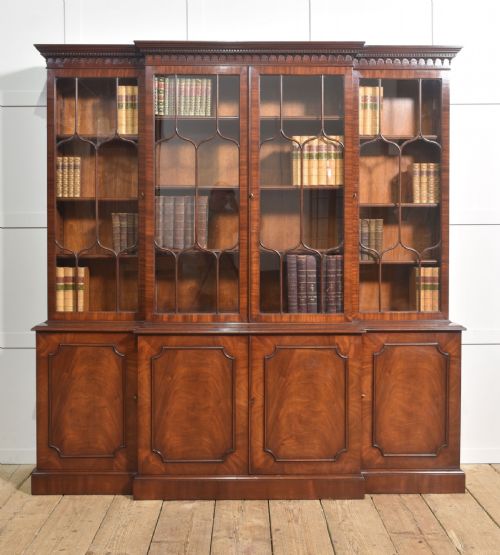
Early Nineteenth Century Bookcase in Simulated Paint, 19th Century
Priced at £780 from Ropeworks Antiques
Driven by the merchant classes. Domestic reading grew popular during this era, creating a huge market for new bookcases.
Notice the shift from massive Georgian built-in installations to freestanding units. These fitted neatly into ordinary drawing rooms.
Glazed doors protected the expensive leather bindings from the heavy coal smoke of townhouses.
Smaller rooms required different solutions. Chiffonier styles with a low waist and brass grilles often replaced tall cabinets.
Check the proportions, which tend to be lower and wider than previous decades.
Gillows of Lancaster and London supplied many well-documented Regency bookcases throughout the period.
George Bullock made distinctively heavy, brass-inlaid examples. He favoured British oak and rich rosewood.
Anonymous craftsmen built the vast majority. They relied on standard pattern books published by Sheraton and Thomas Hope.
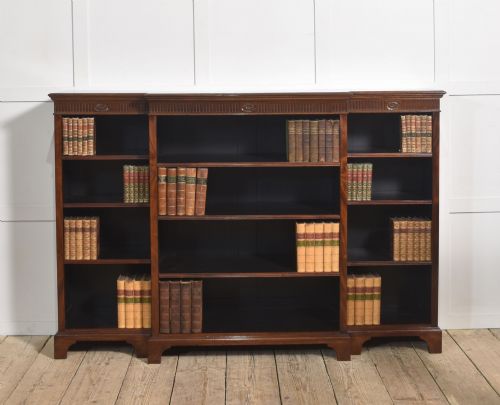
Regency Inverted Breakfront Bookcase / Cabinet in Striking Gonçalo Alves, Regency
Priced at £6,800 from Gary Wright Antiques Ltd
The 2026 retail price guide for Regency Bookcases is drawn from a proprietary archive of over 1.1 million retail prices indexed by Sellingantiques since 2003. This guide relies exclusively on their own internal data; no external sources or auction records are used.
Analysing nearly 25 years of UK antique market history alongside current retail values, the data indicates that typical UK retail prices for Regency Bookcases range between £1,200 and £6,800. Entry-level prices generally fall under £1,200 and premium examples upwards of £6,800.
Geometric glazing bars. These wooden mouldings hold the individual panes of glass in place across the upper doors.
Look for brass grilles. They often sit behind pleated silk on the lower cabinet sections to hide the contents.
Adjustable shelves run on wooden ratchets or simple peg supports inside the top sections.
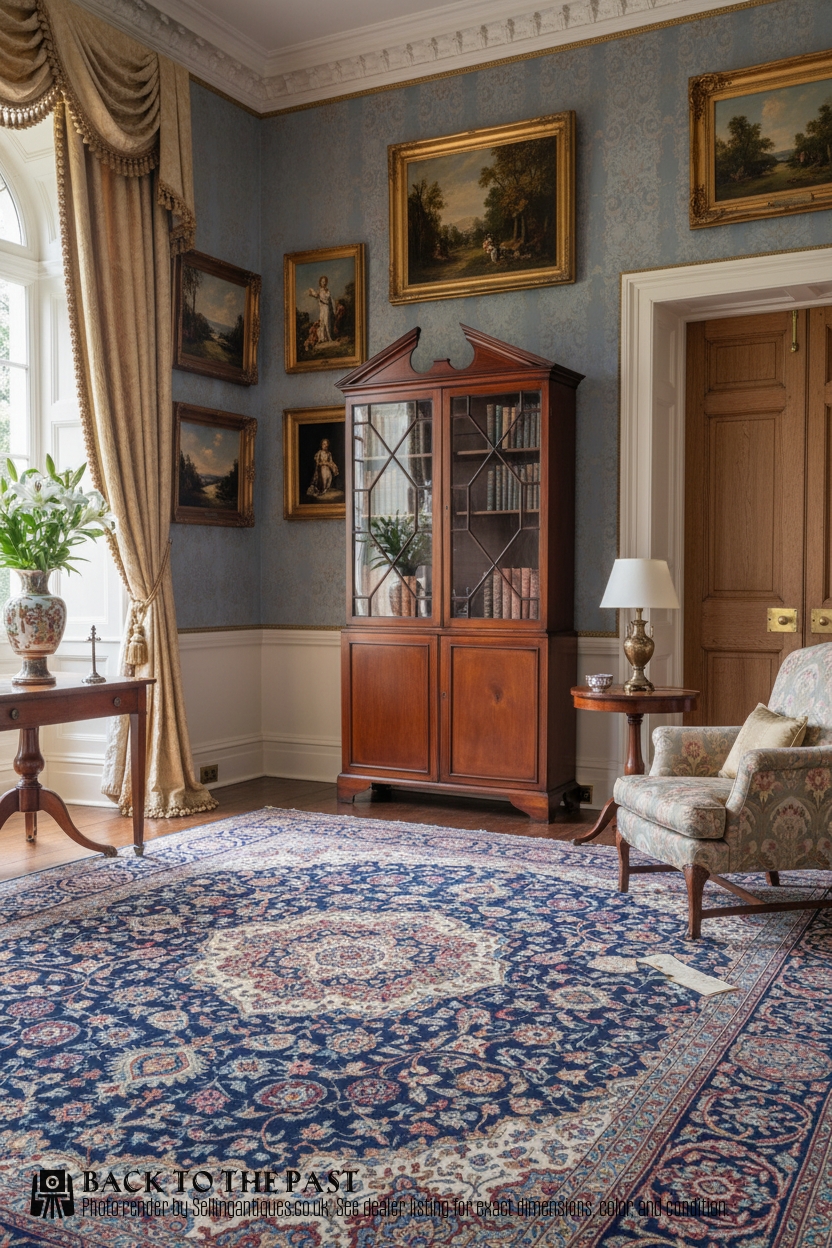
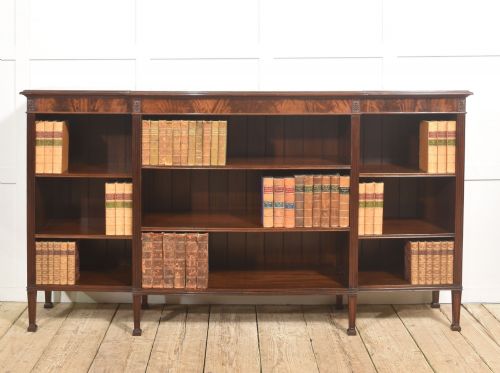
Regency Mahogany Glazed Bookcase, Regency
Priced at £1,750 from Philip Hunt Antiques
Flat veneers replaced heavy carved details. This shift let the timber grain serve as the main decorative element.
Adding brass mounts and stringing required specialist inlay skills rather than traditional woodworking techniques.
Machine-cut screws start appearing in the hardware hinges towards the end of the period.
"Brightly coloured silk pleating originally sat behind the lower brass grilles, contrasting sharply with the dark wood."
"Shallow top shelves were specifically sized for the small octavo volumes popular at the time."
"Lower cupboards housed heavy folios or print portfolios that needed to lay flat."
Based on almost 25 years of Sellingantiques UK antique market data, Regency Bookcases appeared 1873 times (out of 1,100,000 antiques) which gives it a rarity score of 69/100.
This score measures scarcity within the Sellingantiques archive only and is not a survey of the entire antiques market, so these statistics may not be indicative of the general availability of Regency Bookcases elsewhere.
They're usually made of mahogany. The cabinet makers bought logs shipped into London or Liverpool and cut them into thick veneers. This method gave them matching grain patterns across the doors.
Rosewood is the other main timber you'll find. It has a darker, striped appearance and turns up on the smarter pieces from the period.
Take the glass doors off first. You'll find they're heavy and the hinges can bend if the carcase twists during the move. Remove the adjustable shelves and pack them flat.
The cornice and plinth usually unscrew. Once they're off, a large breakfront will separate into manageable vertical sections. Keep all the original screws in a labelled bag.
The upper shelves are shallow. They provide just enough depth for standard reading books.
Lower sections project further out. You'll find those bottom shelves offer plenty of room for oversized volumes and heavy atlases.
Lower cupboards held unbound prints and ledger books. These items looked messy when stacked, so makers used blind doors to hide the clutter.
Brass grilles backed with pleated fabric offered a lighter appearance than solid wood. They kept the dust out while hiding the storage behind a neat, decorative front.
Please note: This Regency Bookcases guide and its associated pricing data are provided for general informational purposes only. It does not constitute formal financial, investment, or appraisal advice and should not be relied upon as the sole basis for any commercial activity, purchasing, or sales decisions. Sellingantiques.co.uk accepts no liability for any actions taken in reliance on this information. Always consult with a qualified professional or independent appraiser.
