
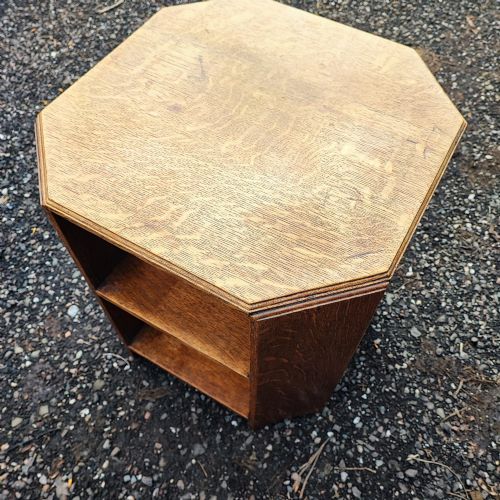


A 2026 Guide by Sellingantiques
Edwardian Mahogany Library Book Trough, Edwardian
Priced at £1,250 from Church Street Antiques & Interiors
Farmers required durable vessels for watering cattle and horses across open fields.
Antique troughs were carved from local materials directly at the quarry. They needed to be heavy enough that livestock could not tip them over while drinking.
Look for a shift in use. Many transitioned from agricultural objects to garden planters in the late nineteenth century.
Wood rots. Early timber examples perished in the damp ground, meaning most survivors on the market today date from much later periods.
Documented names rarely exist. You won't find maker's marks on early agricultural stone.
Local stonemasons carved them to order. They simply worked whatever rock the nearest quarry pulled out of the ground that week.
Regional foundries cast the later iron versions. Some of these workshops moulded their location and company name onto the side panels.
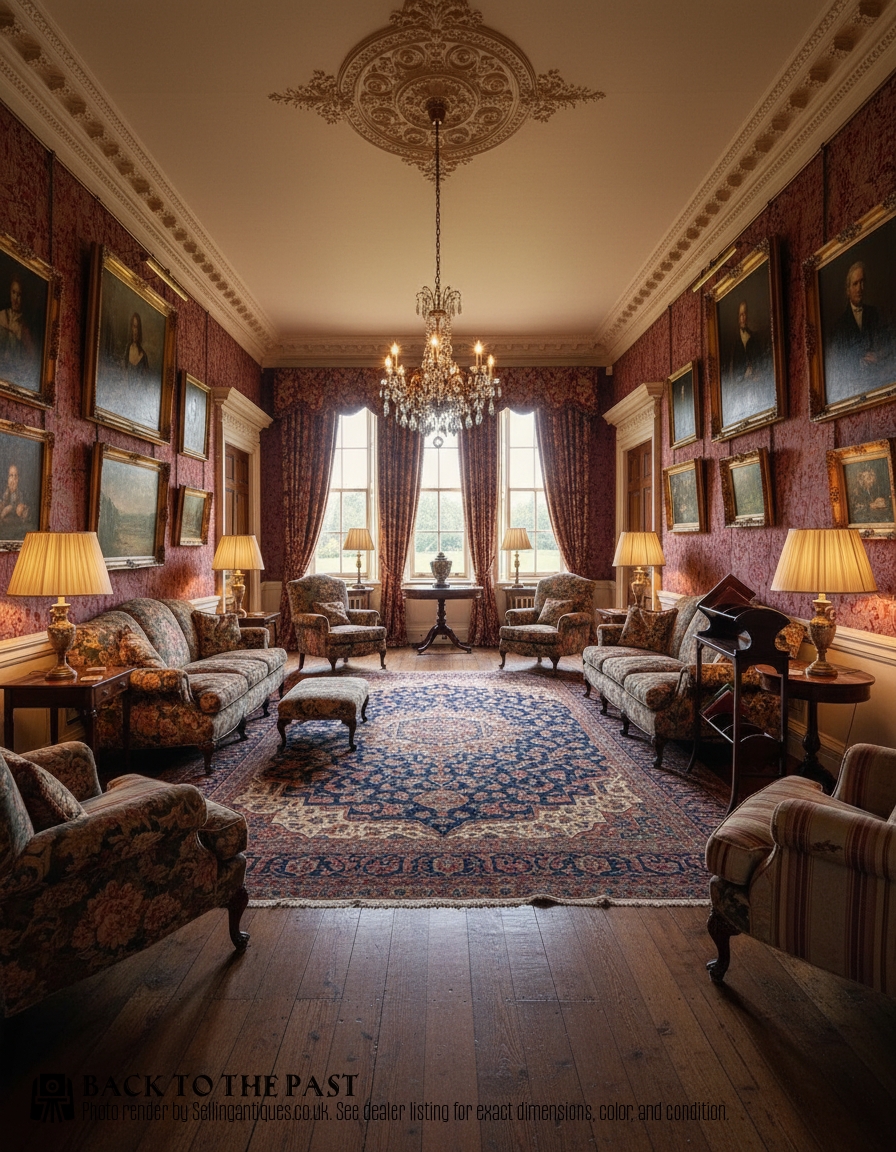
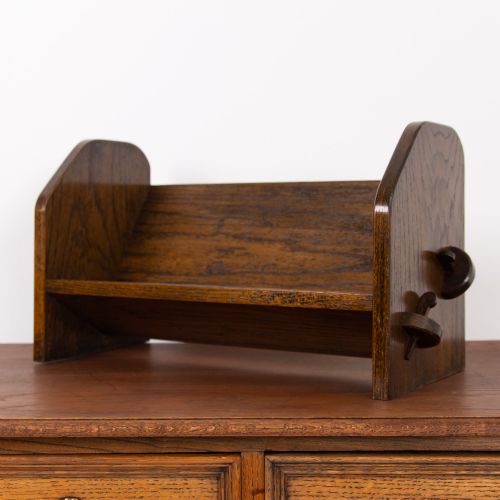
Edwardian Mahogany Book Trough, 1910
Priced at £475 from Heydays Antiques
The 2026 retail price guide for Antique Troughs is drawn from a proprietary archive of over 1.1 million retail prices indexed by Sellingantiques since 2003. This guide relies exclusively on their own internal data; no external sources or auction records are used.
Analysing nearly 25 years of UK antique market history alongside current retail values, the data indicates that typical UK retail prices for Antique Troughs range between £300 and £1,600. Entry-level prices generally fall under £300 and premium examples upwards of £1,600.
Thick walls designed to withstand kicking hooves and freezing water.
A drainage hole near the base is standard on most antique troughs, allowing the farmer to empty and clean the vessel out.
Rough tooling marks usually cover the exterior. You will often see parallel grooves left behind by the mason's pick.

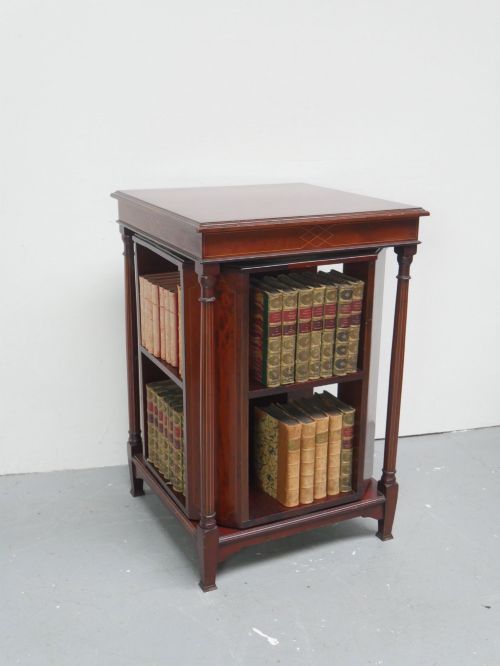
Edwardian Inlaid Mahogany Book Trough, Edwardian
Priced at £480 from Andros Antiques
Early masons worked with heavy picks to hollow out a single solid block.
Chisel work became refined on later estate pieces. The carving is noticeably smoother than the rough rural vessels.
Iron examples introduced rounded corners. Modular casting techniques allowed foundries to mass produce identical panels and bolt them together.
"Moss and lichen growth on old stone adds immediate age to a garden setting."
"They create excellent habitats for alpine plants. These species need the shallow soil and rapid drainage that a stone basin provides."
"Some shallow rectangular forms served as cooling vessels in dairies rather than animal feeders. Farm workers sat milk churns in the cold water to prevent spoiling."
Based on almost 25 years of Sellingantiques UK antique market data, Antique Troughs appeared 934 times (out of 1,100,000 antiques) which gives it a rarity score of 83/100.
This score measures scarcity within the Sellingantiques archive only and is not a survey of the entire antiques market, so these statistics may not be indicative of the general availability of Antique Troughs elsewhere.
Weights vary depending on the material and dimensions. A small sandstone piece might take two people to lift.
Larger estate examples can weigh well over a tonne. You'll need a crane or a tractor to move those.
Yes, if you seal the drainage hole. People use them to create small water features.
You might need a lining to stop water seeping through the porous sides.
Farmers tethered animals directly to the vessel while they drank. The metal ring kept a horse from wandering off.
Sometimes they were used to pull the heavy stone across a field using a chain. It is common to find them rusted into the masonry.
A rusted base is actually ideal for a planter. It provides natural drainage for the soil.
You can line the inside with a porous membrane to stop dirt washing out. The structural integrity of the sides is what matters most for a garden display.
Please note: This Antique Troughs guide and its associated pricing data are provided for general informational purposes only. It does not constitute formal financial, investment, or appraisal advice and should not be relied upon as the sole basis for any commercial activity, purchasing, or sales decisions. Sellingantiques.co.uk accepts no liability for any actions taken in reliance on this information. Always consult with a qualified professional or independent appraiser.
