

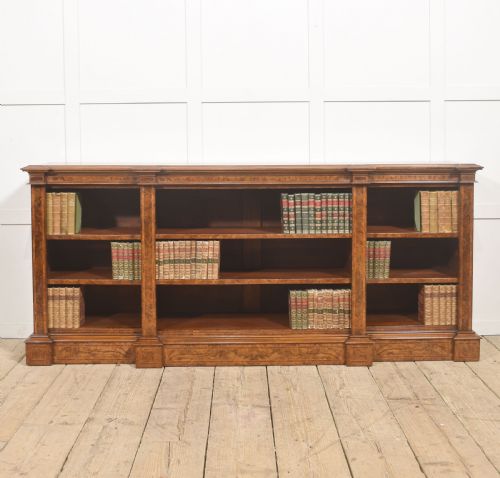


A 2026 Guide by Sellingantiques

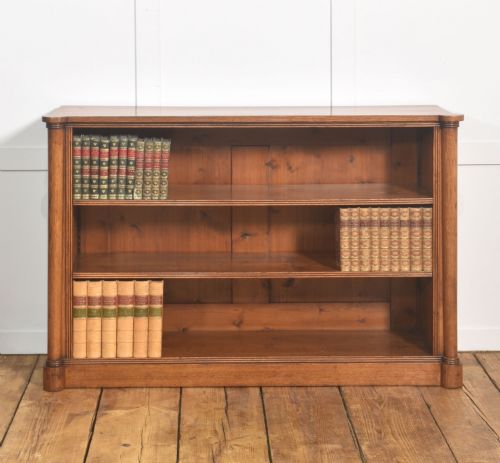
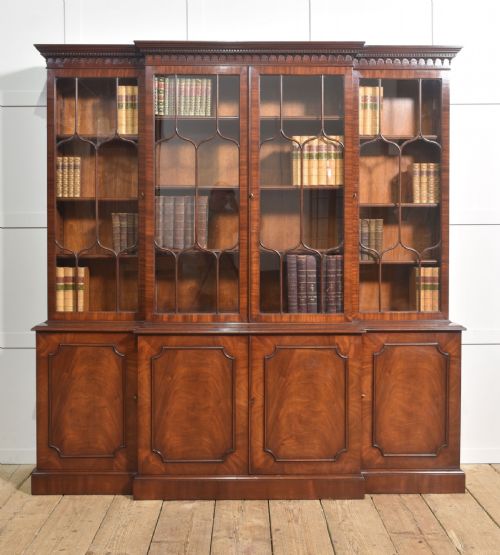
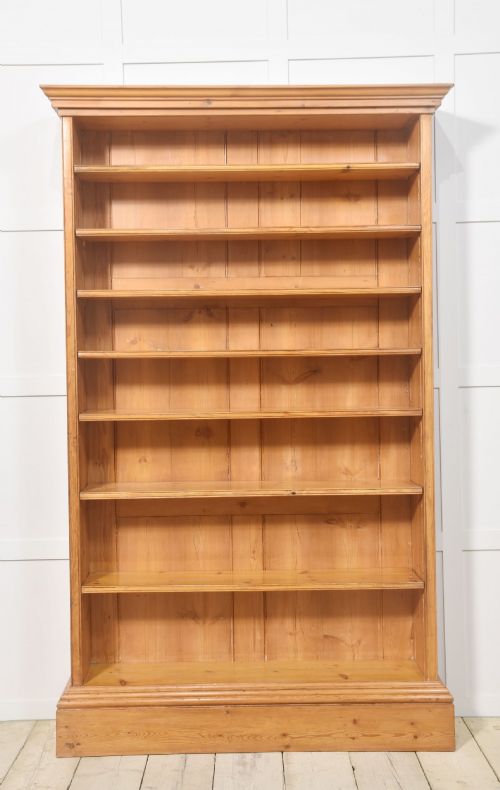
Irish Library Bookcase, 1880
Priced at £6,995 from Arcadia Antiques
Demand grew during the eighteenth century as book ownership expanded beyond wealthy scholars.
Built-in shelving was common in grand houses. Most antique library bookcases you find today were made as freestanding units for flexibility.
Look for glazing bars on the upper doors. These held expensive crown glass panes while keeping dust off the bindings.
Lower sections often feature solid panelled doors. Hidden cupboards stored larger folios or messy ledgers out of sight.
Thomas Chippendale supplied grand examples to aristocratic clients in the 1760s and 1770s.
Look for Gillows of Lancaster pieces. They produced good variations throughout the late eighteenth and nineteenth centuries, sometimes leaving a firm stamp on a drawer edge.
London workshops turned out most of the smart veneered models. Regional craftsmen tended to rely on solid timber and simpler mouldings.
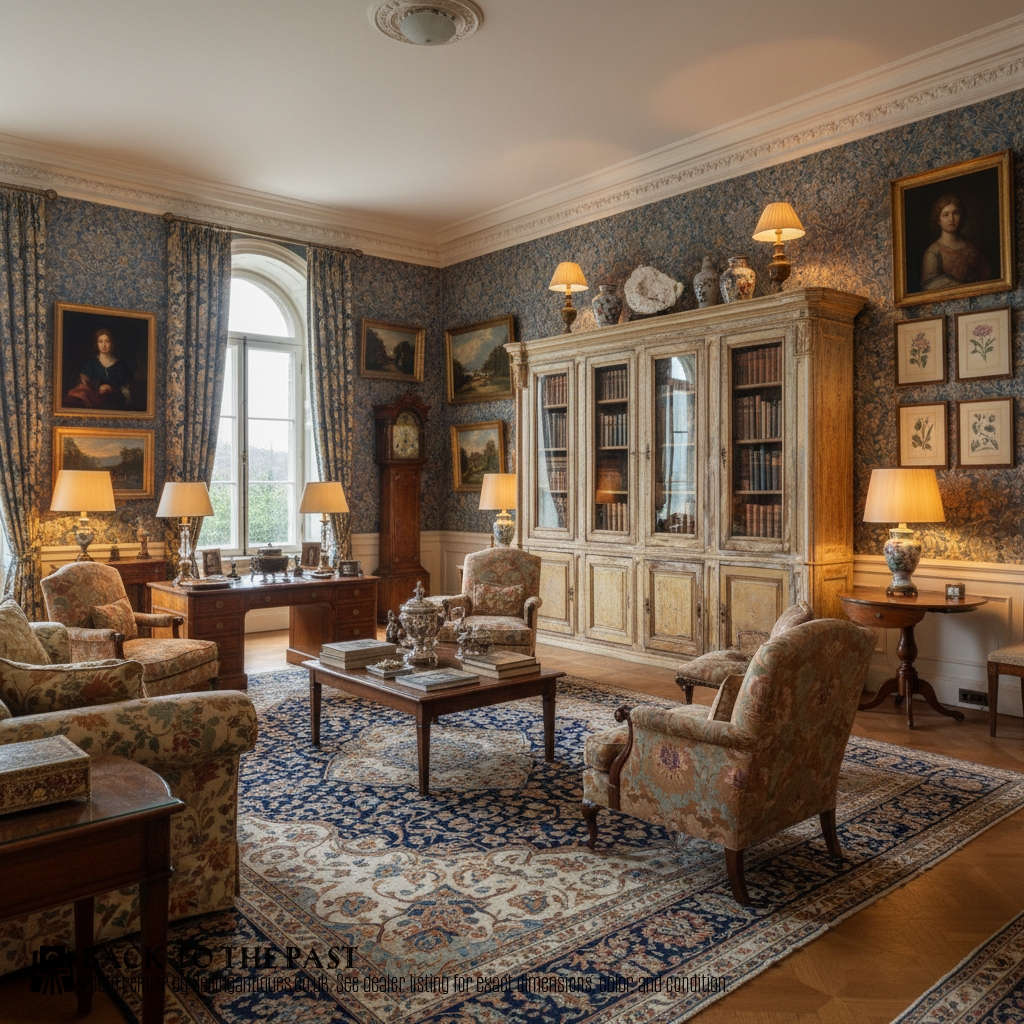
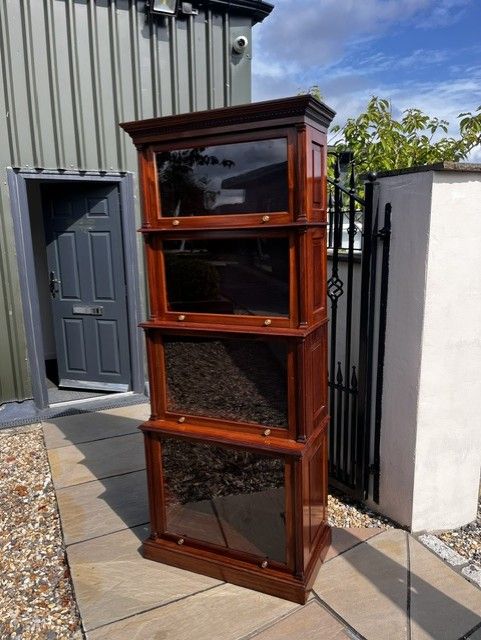
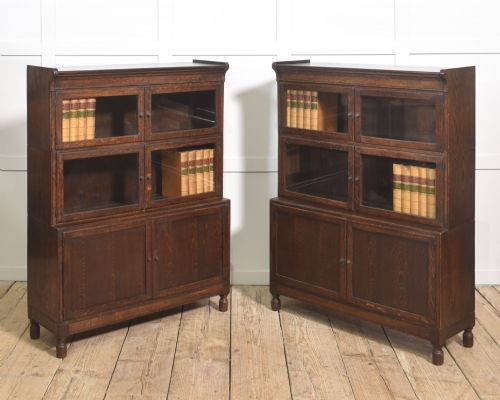
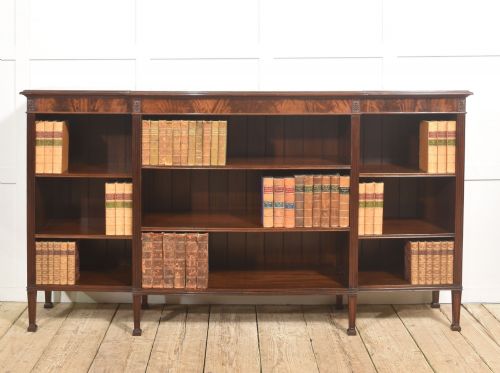
Huge French Library Bookcase, 19th Century
Priced at £28,500 from Arcadia Antiques
The 2026 retail price guide for Antique Library Bookcases is drawn from a proprietary archive of over 1.1 million retail prices indexed by Sellingantiques since 2003. This guide relies exclusively on their own internal data; no external sources or auction records are used.
Analysing nearly 25 years of UK antique market history alongside current retail values, the data indicates that typical UK retail prices for Antique Library Bookcases range between £700 and £6,000. Entry-level prices generally fall under £700 and premium examples upwards of £6,000.
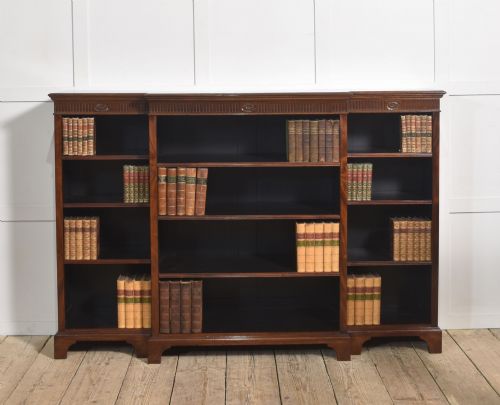
Breakfront designs step out in the middle section. This breaks up the visual bulk of a large piece.
Adjustable timber shelving. You usually find this resting on wooden tonks or inset sawtooth racks.
Deep base cabinets contrast with shallower glazed upper tiers. The step creates a narrow waist where you rest a book temporarily.
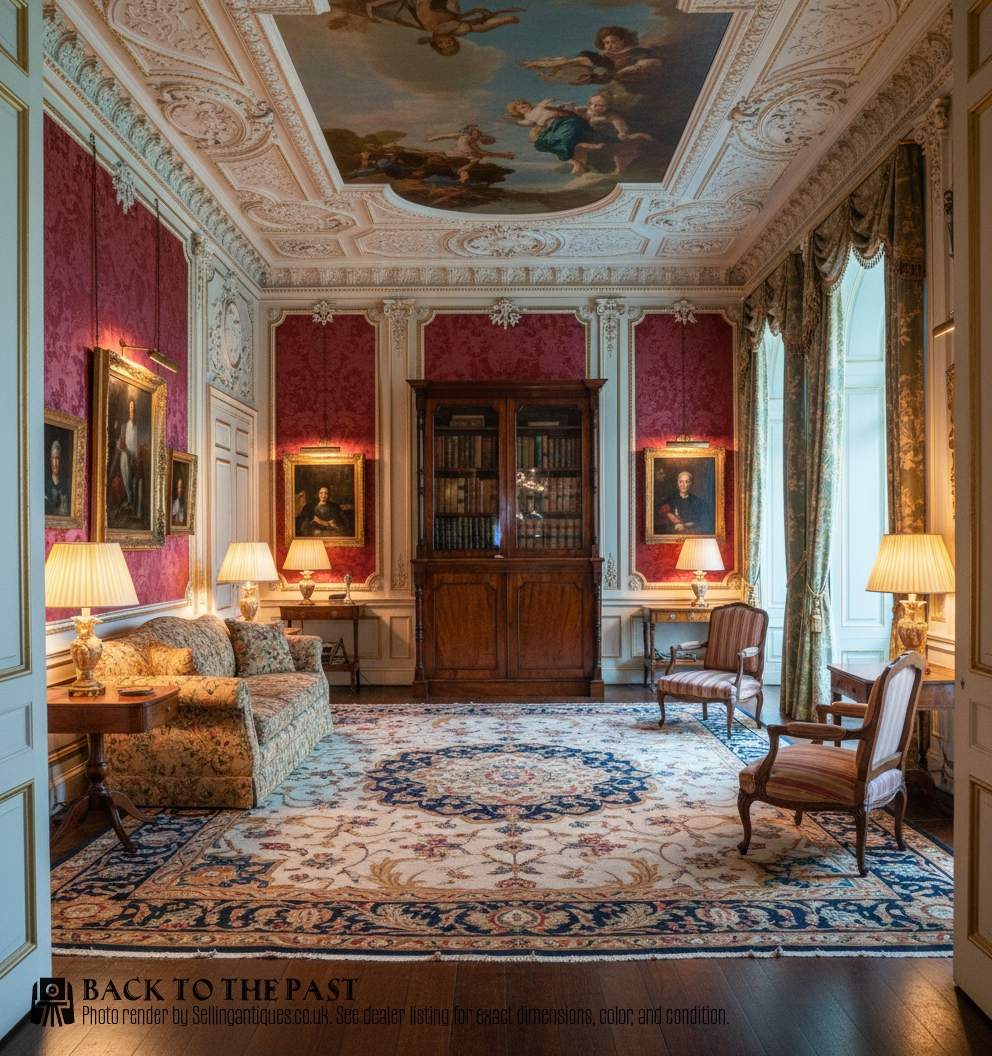
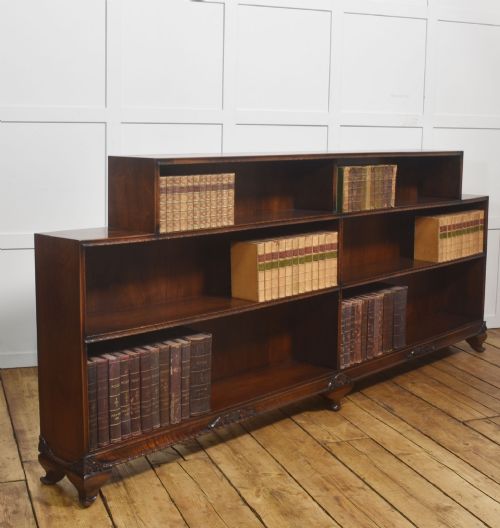
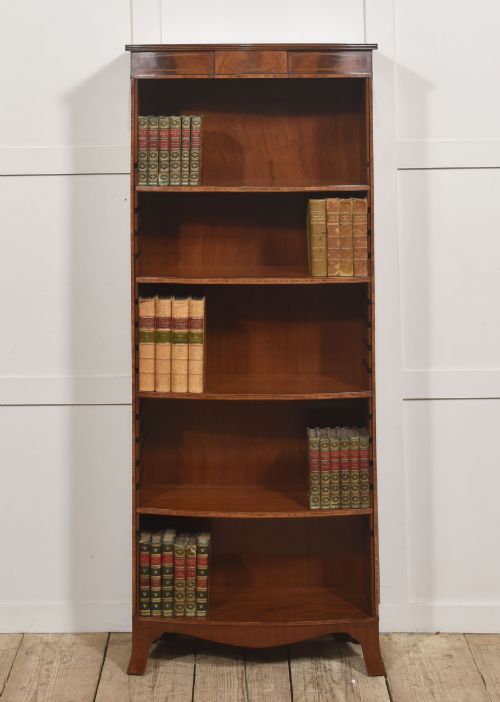
A 19th Century Mahogany Library Bookcase., 19th Century
Priced at £1,895 from Long Melford Antiques
Craftsmen assembled the carcase using large hand-cut dovetail joints. These are usually hidden behind the backboards or under the cornice.
Veneering allowed cabinetmakers to use highly figured timber on the prominent door panels. Thick saw-cut veneers from the Georgian period stand up well to age.
Study the back panels. Frame and panel construction allowed the wood to move with seasonal humidity changes without splitting.
"The glazing bar patterns often mimic gothic arches or geometric shapes to match plasterwork ceilings."
"Some bases hide pull-out slides. You rest heavy volumes on these while pulling them down from the upper shelves."
"Breakfront examples dismantle into several smaller sections. This made transport up narrow staircase halls much easier for the original delivery men."
Based on almost 25 years of Sellingantiques UK antique market data, Antique Library Bookcases appeared 3892 times (out of 1,100,000 antiques) which gives it a rarity score of 46/100.
This score measures scarcity within the Sellingantiques archive only and is not a survey of the entire antiques market, so these statistics may not be indicative of the general availability of Antique Library Bookcases elsewhere.
Use a soft cloth and a gentle glass cleaner. You don't want liquid running down into the wooden putty lines, so spray the cloth rather than the pane.
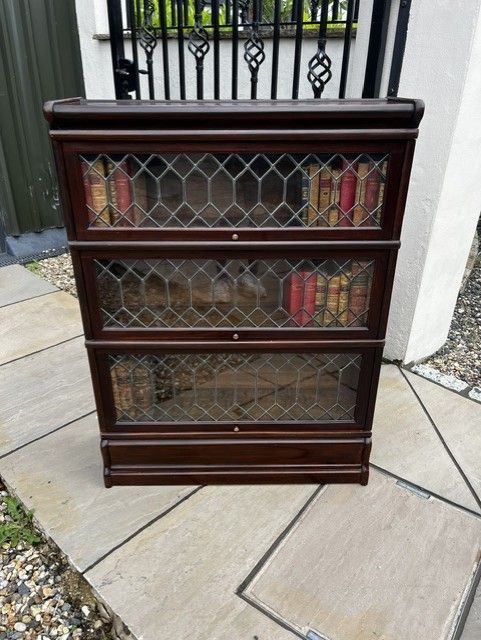
Be gentle when wiping near the thin astragal bars. The old crown glass is thin and cracks under firm pressure.
It isn't unusual for large cabinet furniture to need a little help sitting level on old floorboards. You should use wooden shims packed under the plinth or feet.
Ensure the carcase is square before loading any books. If the unit twists, the glazed doors bind in their frames and might warp.
Solid mahogany or oak shelves are tough. They'll easily hold heavy art books without trouble.
If the span is wide, you'll want to distribute the heaviest volumes towards the outer edges near the side supports.
Almost all large examples were designed to be dismantled. The cornice lifts off, and the top glazed sections usually separate from the deeper base cupboards.
On breakfront models, the side wings detach from the central section. Check the backboards for original screws holding the carcase sections together.
Label the original screws and tonk fittings when you remove them. The hardware is difficult to match if lost during a house move.
Please note: This Antique Library Bookcases guide and its associated pricing data are provided for general informational purposes only. It does not constitute formal financial, investment, or appraisal advice and should not be relied upon as the sole basis for any commercial activity, purchasing, or sales decisions. Sellingantiques.co.uk accepts no liability for any actions taken in reliance on this information. Always consult with a qualified professional or independent appraiser.
