29,022  PAGES BROWSED TODAY PAGES TODAY • 105 ANTIQUES UPLOADED TODAYNEW ARRIVALS
GIFTS
105 ITEMS ADDED TODAY
Sort Order
Items Per Page
Antiques dealer?
Join as a Seller
Browse Categories
Sort order
Relevant Links
Items per page
sold SA1119345
Sorry, but this item has been sold.
Regent Antiques

Regent Antiques

Sellingantiques Verified Since Sep 2016
Browse dealers 639 items
  • About Us
    We specialise in english and continental furniture, silver, porcelain and decorative items.
  • Trade Associations
    Regent Antiques is a registered member of LAPADA  CINOA
Id #SA1119345
SHARE
SAVE

Antique Betjemann’s Coromandel Miniature 3 Bottle Tantalus 19th C

19th century
Sold 9 June 2026 · Regent Antiques
This “Antique Betjemann’s Coromandel Miniature 3 Bottle Tantalus 19th C” found a buyer.

It was listed by Regent Antiques. Sold pieces stay on Sellingantiques as a record of what has passed through, and the next one is rarely far away.

Description

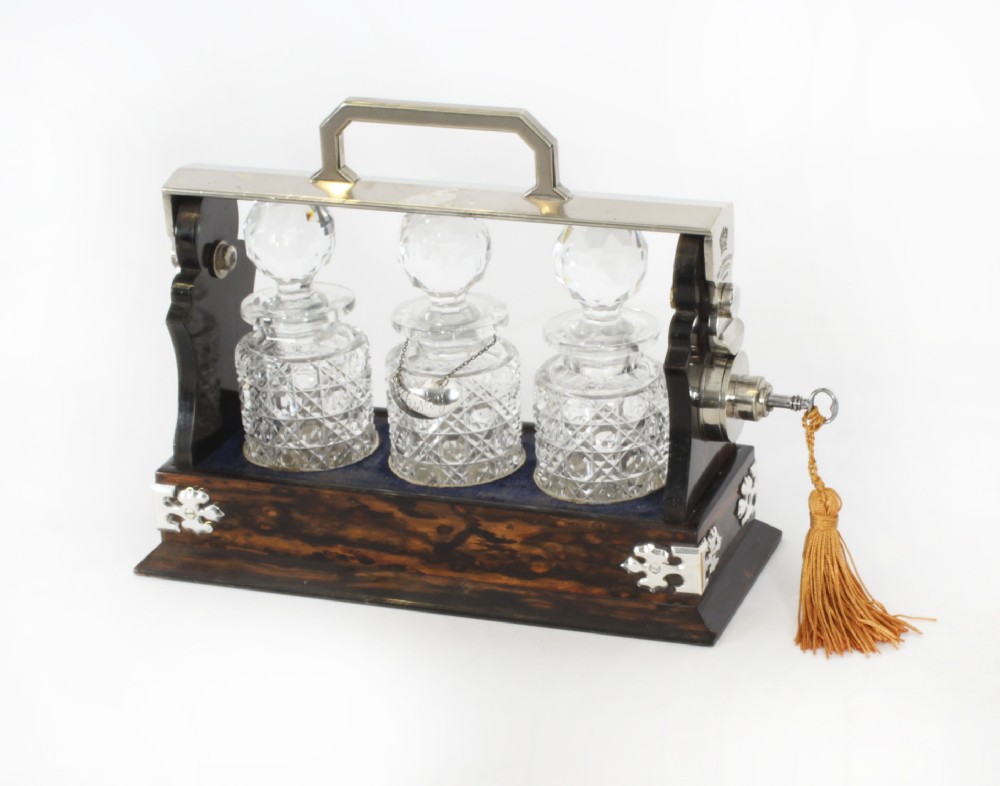
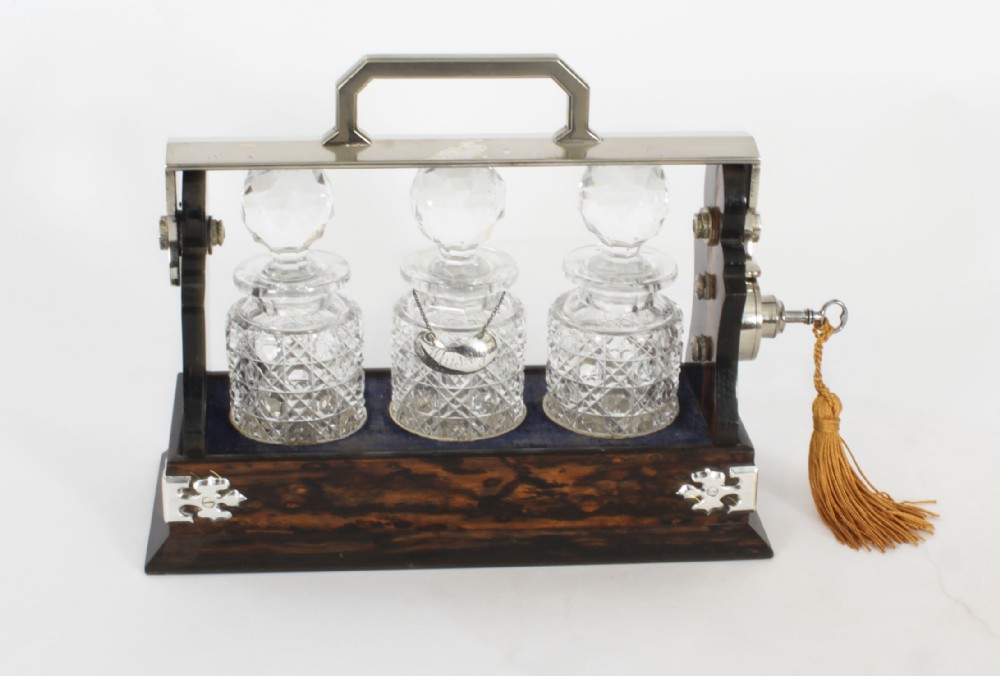
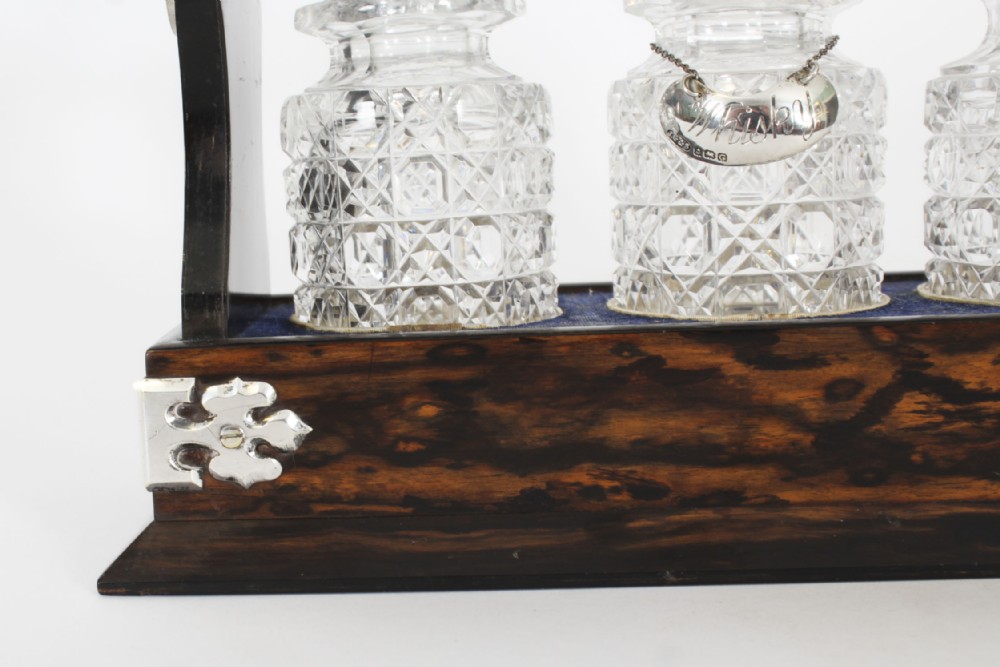
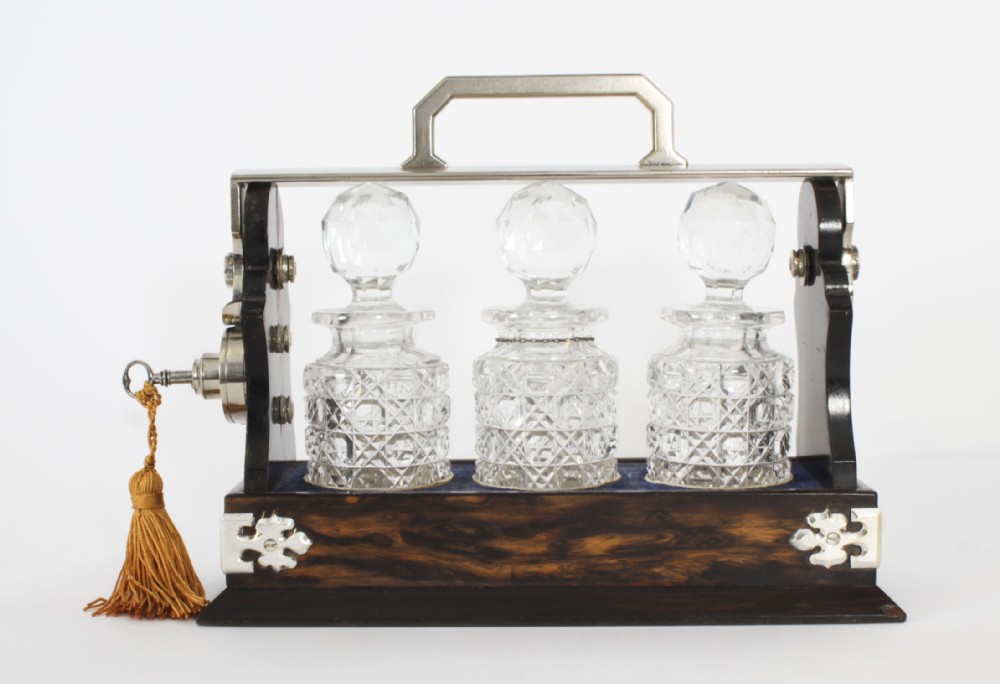
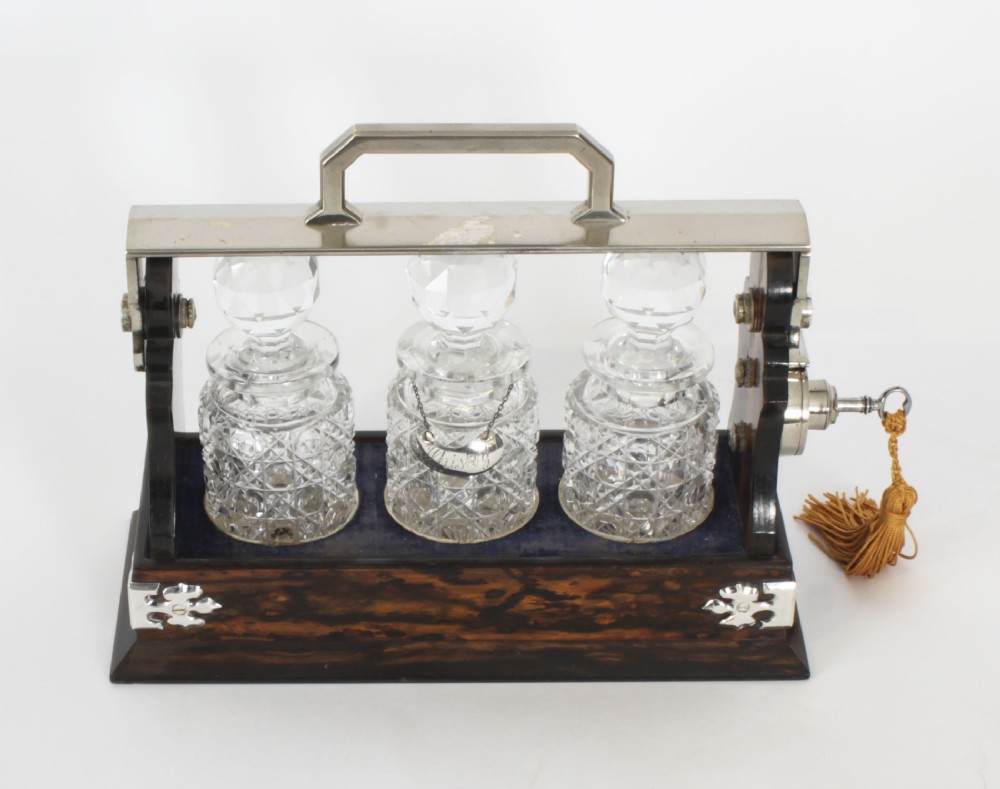
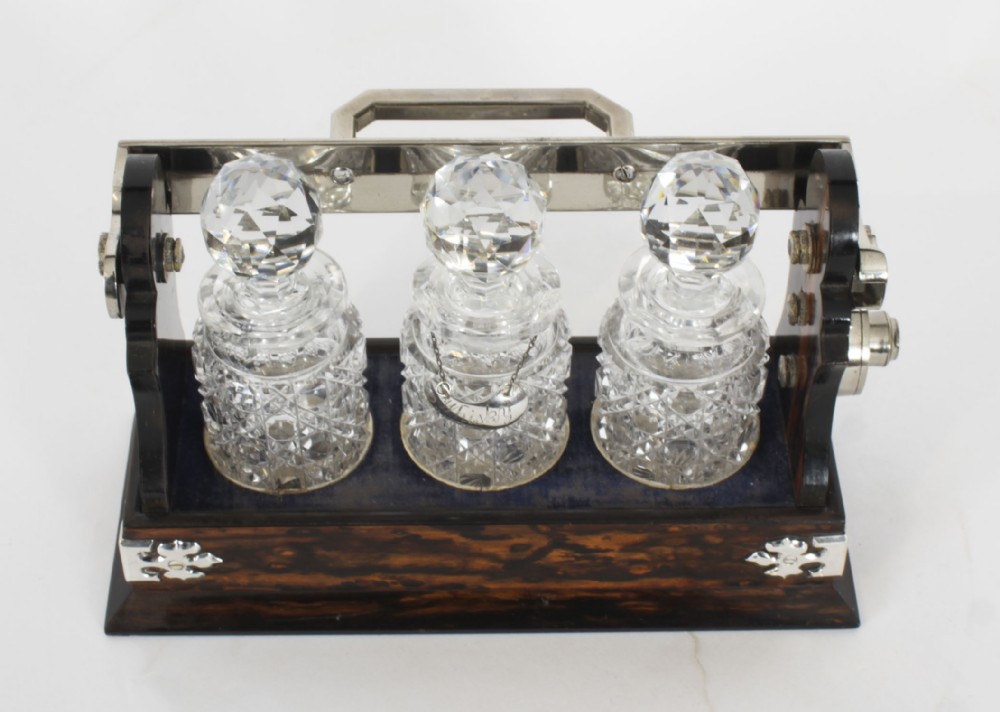
This is a superb antique Victorian coromandel and silver plated three decanter Betjemann’s patent action tantalus, Circa 1870 in date.

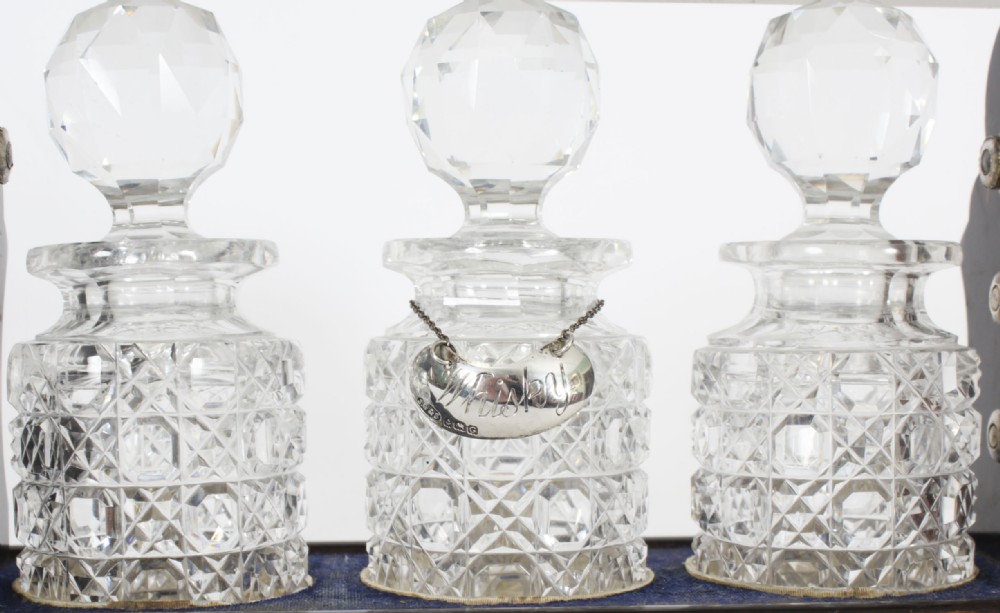
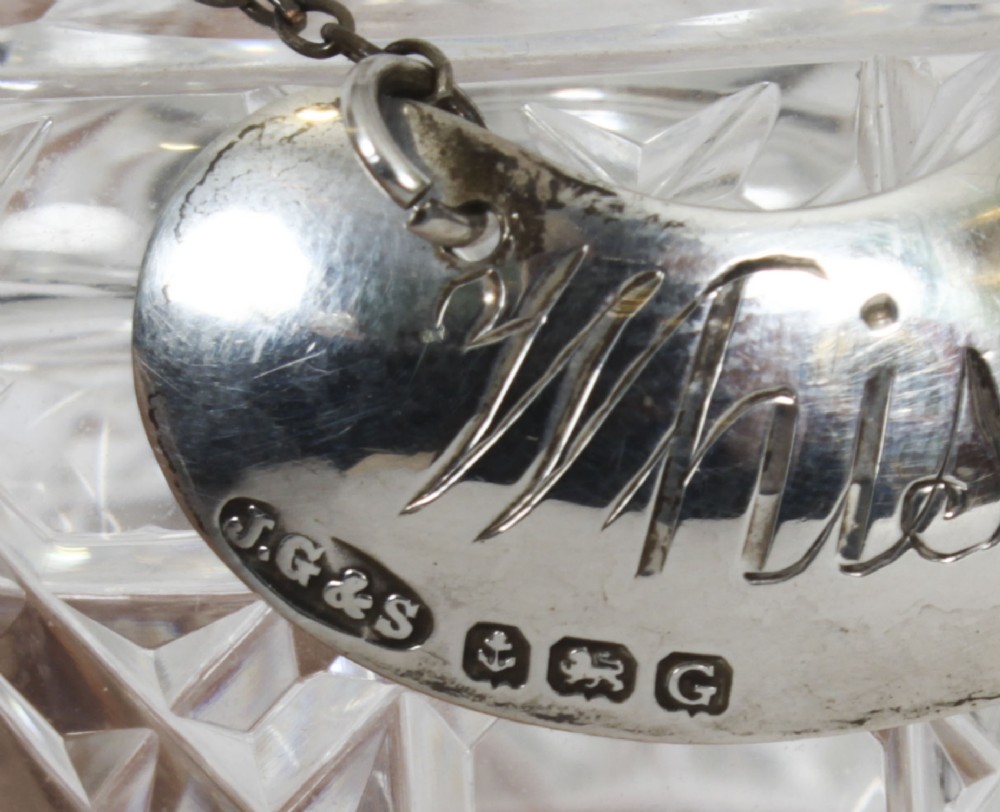
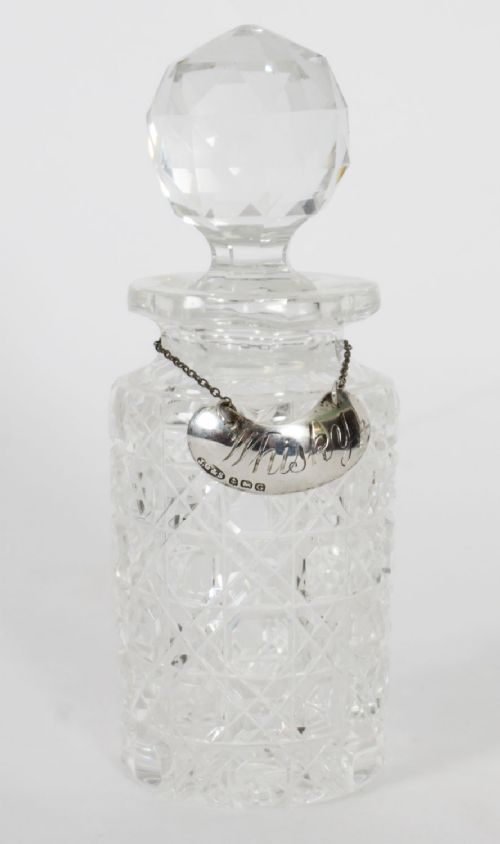
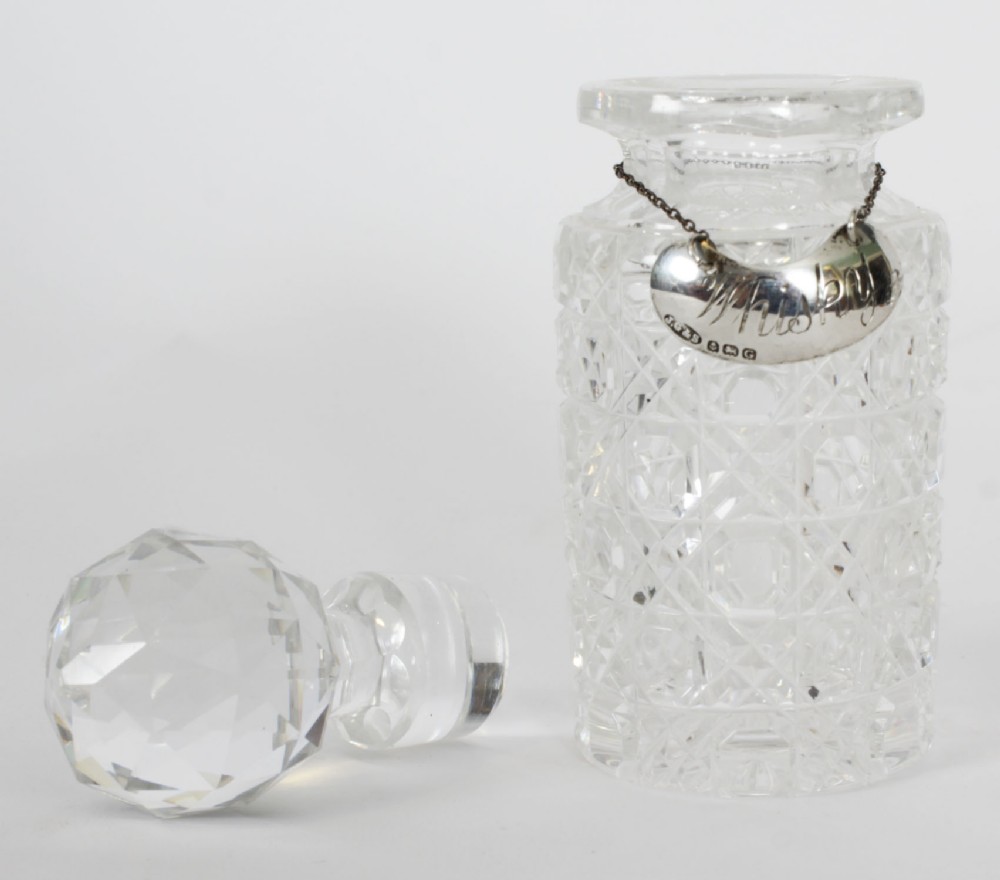
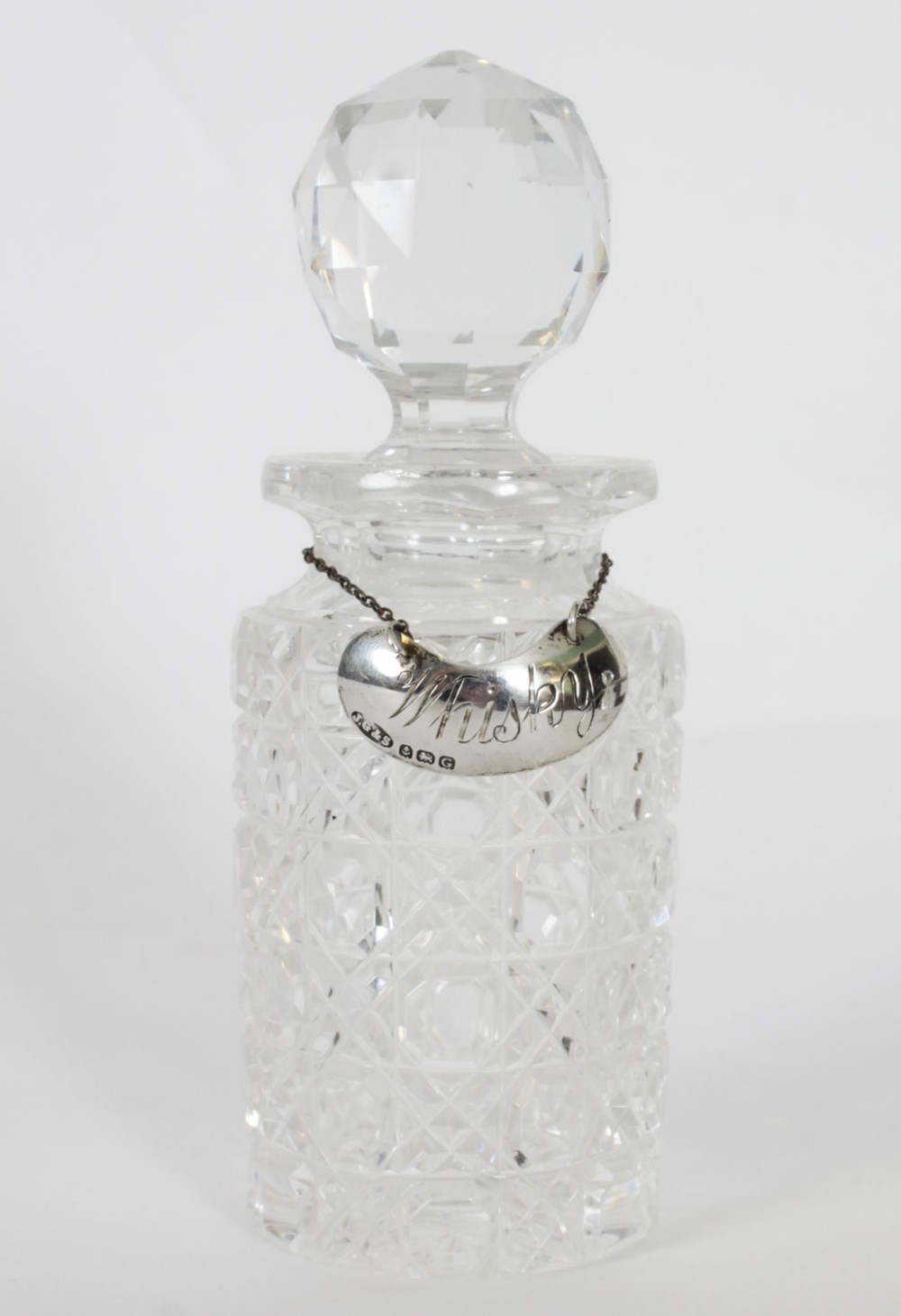
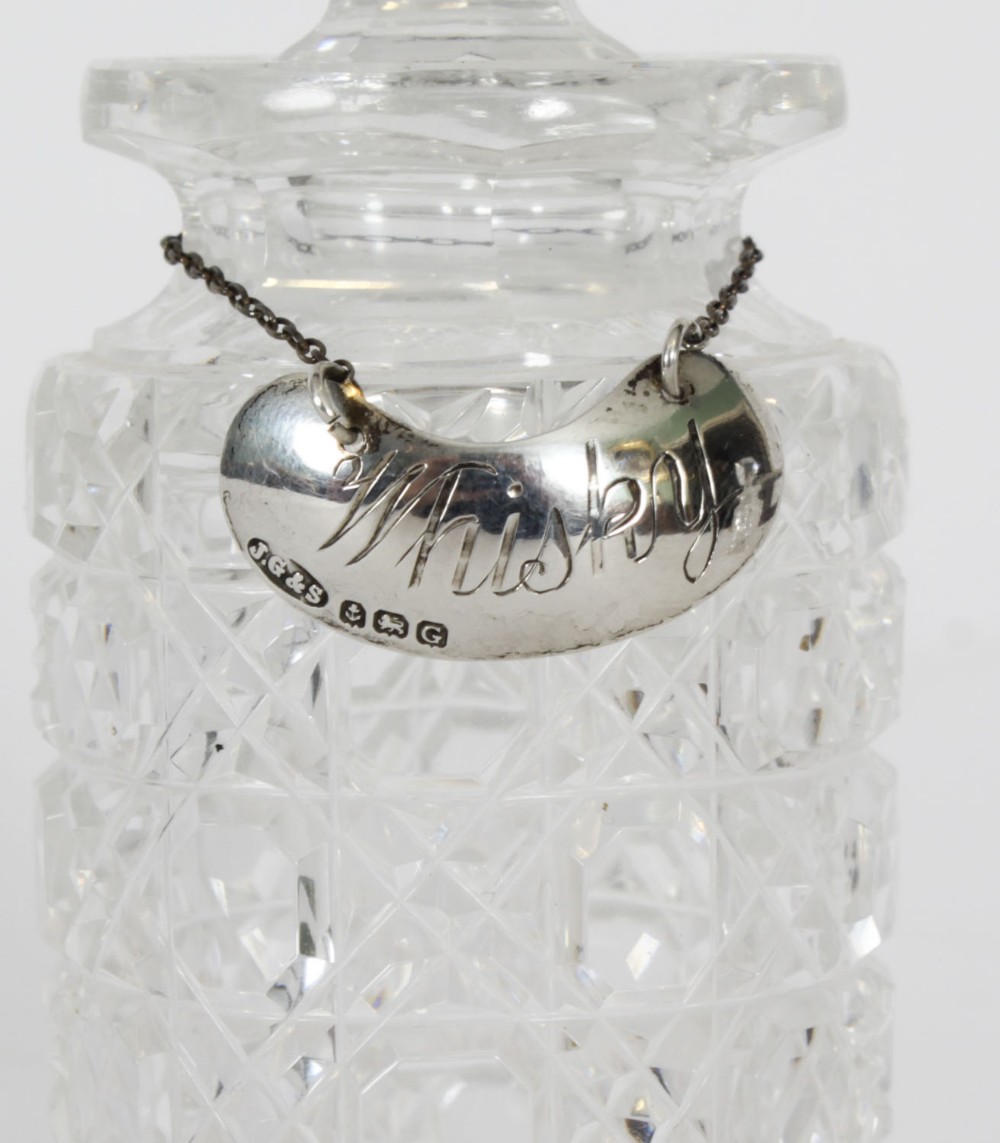
The bottles each with hobnail cut decoration and bulbous stoppers, one with a sterling silver collar annotated for Whisky

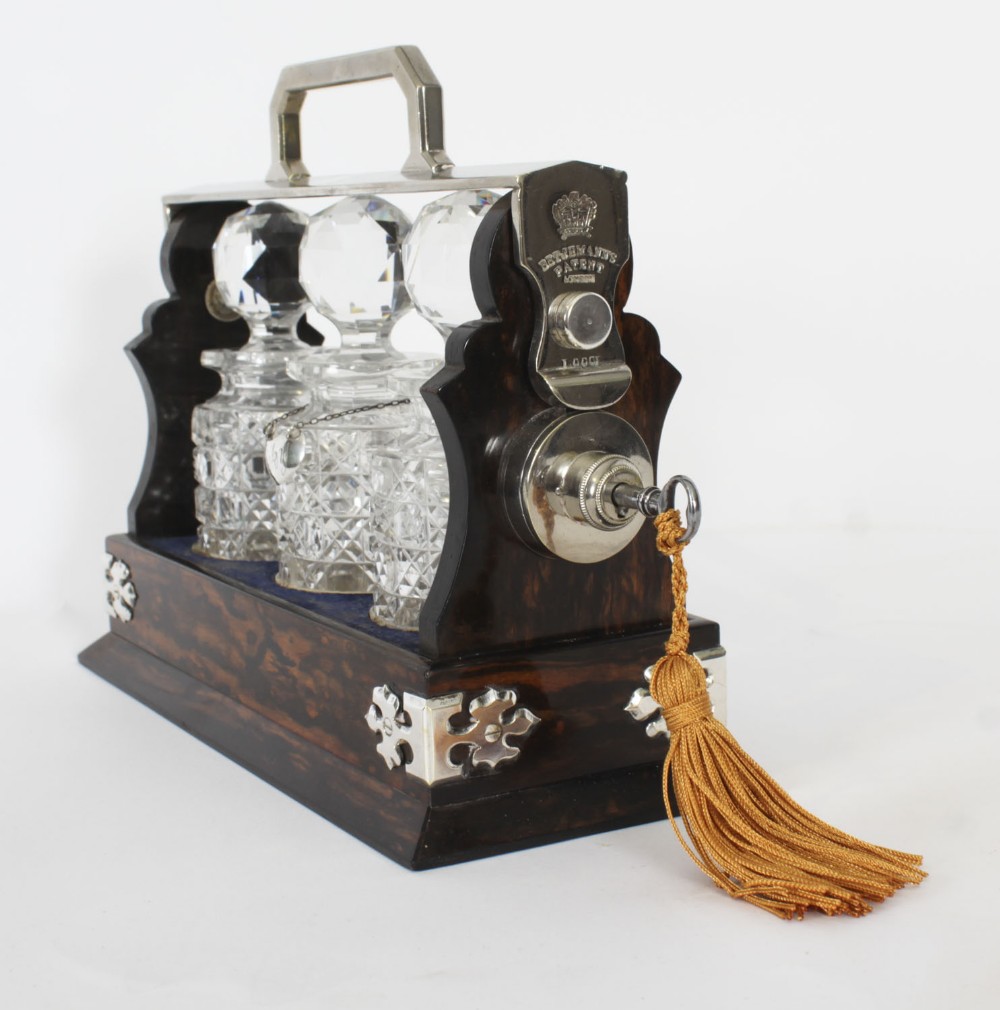
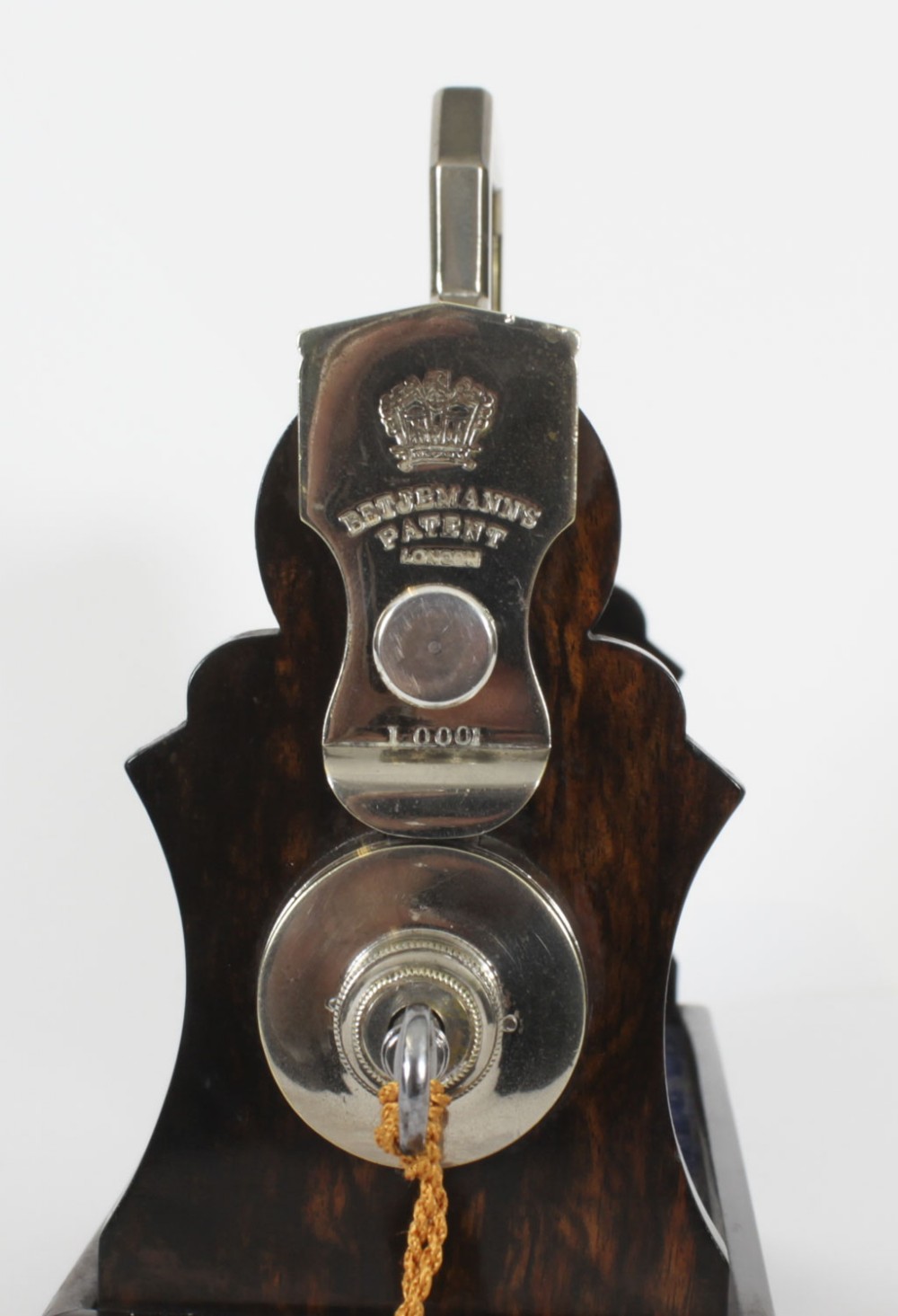
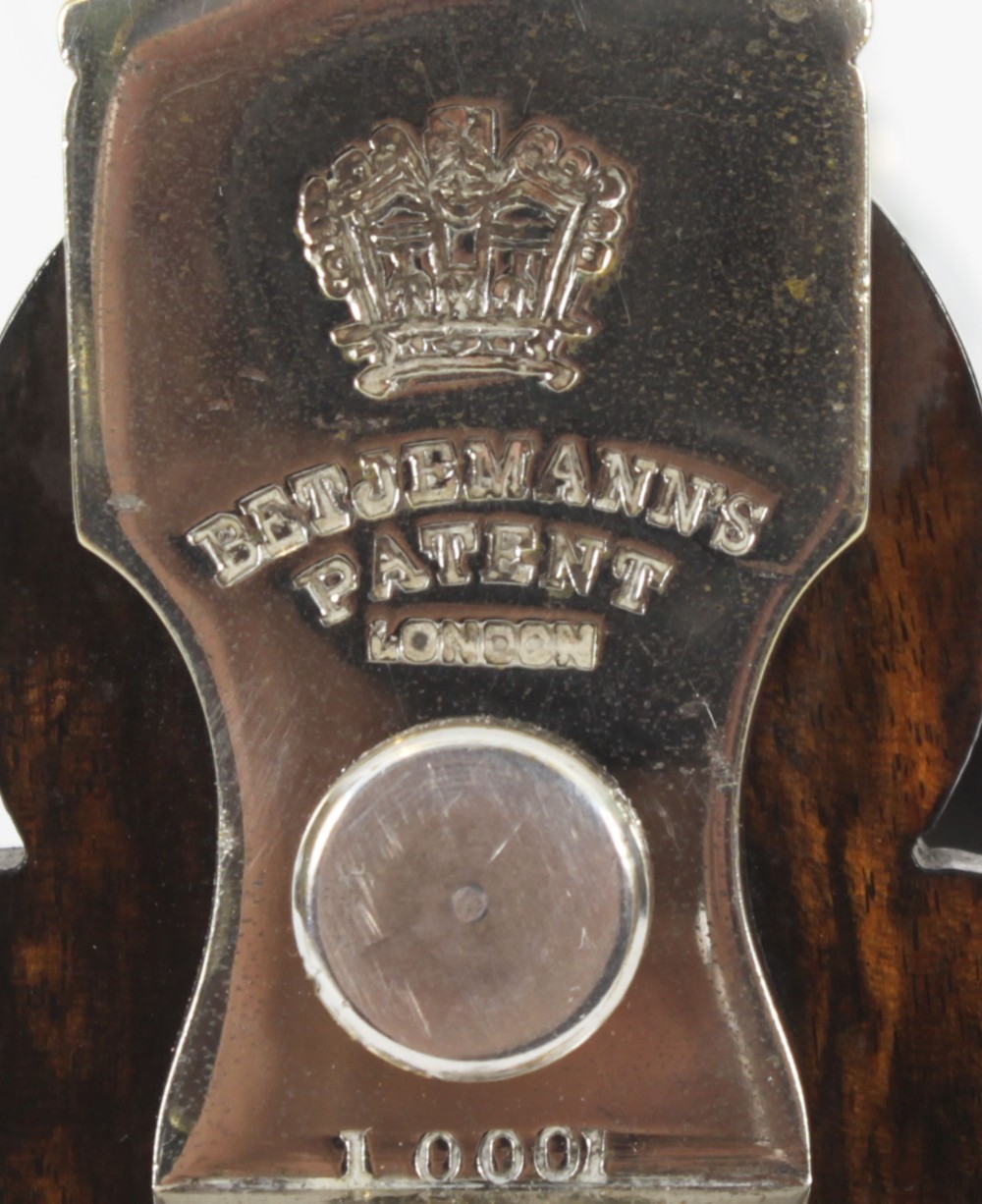
Skillfully crafted in coromandel with a stylish silver plated locking bar, stamped one side ‘Betjemann's Patent, London, 10001, and a crown over "The Tantalus", on the other

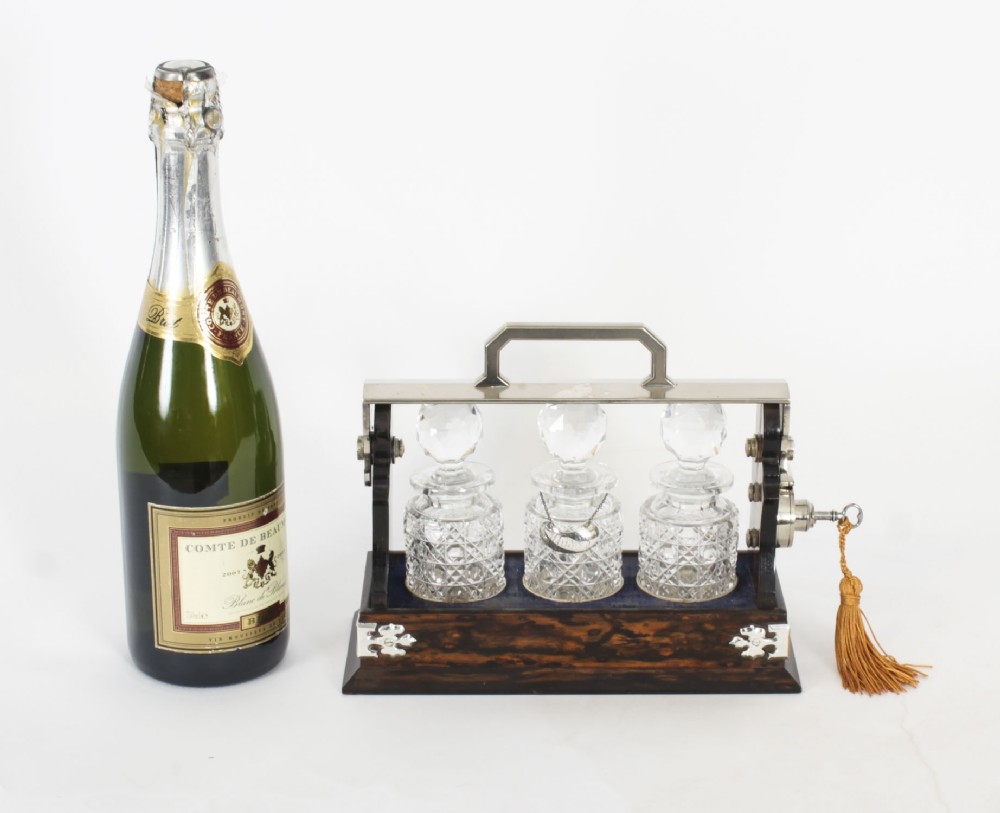
It is fitted with a Betjemann’s Bramah locking system, complete with original key.

It is a very decorative high quality piece which is also very practical and would  make a lovely gift.

Condition:

In excellent condition having been beautifully cleaned and wax polished in our workshops.

Dimensions in cm:

Height 18.5 cm x Width 23.5 cm x Depth 9.5 cm

Dimensions in inches:

Height 7 inches x Width 9 inches x Depth 4 inches

Betjemann & Sons

In 1812 George Betjemann started apprenticing as a cabinet maker with his uncle, Gilbert Slater at his premises on Carthusian Street, London. In 1834, George then joined his father-in-law, William Merrick’s cabinet making business on Red Lion Street, Clerkenwell, London. George brought his sons, George William Betjemann and John Betjemann to apprentice with him from 1848. He began his own business at 6 Upper Ashby Street, Clerkenwell, London, and with his two sons having completed their apprenticeships in 1855, expanded to 7 Upper Ashby Street shortly after.

In 1859, George moved into 36 Pentonville Road, London where he continued his business, now called George Betjemann & Sons, alongside his two sons. George William never married but instead was ‘married’ to his work, being a true artist and perfectionist. Their work was on display at the International Exhibition of 1862, and the International Exposition of 1867 in Paris. They took the art of cabinet, box and book slide making to new heights. They specialised in designs for operating the way that different compartments in vanity boxes opened and also the sprung system for book slides.

By 1871, they had expanded their residence to incorporate 38 Pentonville Road and were employing 119 people. Records show that by 1875 a further incorporation of 40 Pentonville Road was undertaken. George died in 1886 at the age of 88 and George William and John ran George Betjemann & Sons in partnership until John’s death in 1893. George William then established a business partnership with John’s sons, John George Betjemann and Ernest Edward Betjemann. Around 1896, John George and Ernest Edward established an offshoot company called Betjemann Brothers, based at 2 Newcastle Place, Clerkenwell, London. This company ran alongside George Betjemann & Sons until they were merged in 1903, following the death of George William. In 1909, they became a limited company, known as George Betjemann & Sons Ltd.

With Ernest’s son John (the future poet Sir John Betjeman) having no interest in carrying on the family business, George Betjemann & Sons Ltd finally wound up in 1939.

Bramah

is London's oldest security company. Established at 124 Piccadilly, London in 1784, and today based in Marylebone, London and Romford, Essex.

Bramah made their first lock in 1784 and the patent was awarded in 1787. The designer was Joseph Bramah. Joseph Bramah was a leading inventor of the industrial revolution, patenting over 18 new ideas, including a new valve for the water closet (toilet), the hydraulic pump, a fountain pen, and a fire engine.

Bramah also introduced a beer hand pump for use at the bar, to prevent fluid loss when barmen went downstairs to pour a new jug! Due to the quality of his manufacturing, his name became a by-word amongst British Engineers for engineering excellence and many of his inventions are on display in the Science Museum in London. You can find one of his original toilets still working in Osborne

Date of Manufacture

Regent Antiques has dated this Antique Coromandel Miniature Tantalus to the 1870s.

Physical Dimensions
Height
18.5cm (7.28")
Width
23.5cm (9.25")
Depth
9.5cm (3.74")
Reference Numbers
Sellingantiques Reference
SA1119345
Dealers Internal Reference
A4259
A miniature wooden tantalus crafted from dark coromandel wood, featuring three cut-crystal decanters secured beneath a silver-plated locking mechanism.Detail view 1Detail view 2Detail view 3Detail view 4Detail view 5Detail view 6Detail view 7Detail view 8Detail view 9Detail view 10Detail view 11Detail view 12Detail view 13Detail view 14Detail view 15
SOLD9 JUN 26
1 / 16
1870s · SA1119345
Antique Betjemann’s Coromandel Miniature 3 Bottle Tantalus 19th C
Sorry, but this item has been sold.
Description
This is a superb antique Victorian coromandel and silver plated three decanter Betjemann’s patent action tantalus, Circa 1870 in date.

The bottles each with hobnail cut decoration and bulbous stoppers, one with a sterling silver collar annotated for Whisky

Skillfully crafted in coromandel with a stylish silver plated locking bar, stamped one side ‘Betjemann's Patent, London, 10001, and a crown over "The Tantalus", on the other

It is fitted with a Betjemann’s Bramah locking system, complete with original key.

It is a very decorative high quality piece which is also very practical and would  make a lovely gift.

Condition:

In excellent condition having been beautifully cleaned and wax polished in our workshops.

Dimensions in cm:

Height 18.5 cm x Width 23.5 cm x Depth 9.5 cm

Dimensions in inches:

Height 7 inches x Width 9 inches x Depth 4 inches

Betjemann & Sons

In 1812 George Betjemann started apprenticing as a cabinet maker with his uncle, Gilbert Slater at his premises on Carthusian Street, London. In 1834, George then joined his father-in-law, William Merrick’s cabinet making business on Red Lion Street, Clerkenwell, London. George brought his sons, George William Betjemann and John Betjemann to apprentice with him from 1848. He began his own business at 6 Upper Ashby Street, Clerkenwell, London, and with his two sons having completed their apprenticeships in 1855, expanded to 7 Upper Ashby Street shortly after.

In 1859, George moved into 36 Pentonville Road, London where he continued his business, now called George Betjemann & Sons, alongside his two sons. George William never married but instead was ‘married’ to his work, being a true artist and perfectionist. Their work was on display at the International Exhibition of 1862, and the International Exposition of 1867 in Paris. They took the art of cabinet, box and book slide making to new heights. They specialised in designs for operating the way that different compartments in vanity boxes opened and also the sprung system for book slides.

By 1871, they had expanded their residence to incorporate 38 Pentonville Road and were employing 119 people. Records show that by 1875 a further incorporation of 40 Pentonville Road was undertaken. George died in 1886 at the age of 88 and George William and John ran George Betjemann & Sons in partnership until John’s death in 1893. George William then established a business partnership with John’s sons, John George Betjemann and Ernest Edward Betjemann. Around 1896, John George and Ernest Edward established an offshoot company called Betjemann Brothers, based at 2 Newcastle Place, Clerkenwell, London. This company ran alongside George Betjemann & Sons until they were merged in 1903, following the death of George William. In 1909, they became a limited company, known as George Betjemann & Sons Ltd.

With Ernest’s son John (the future poet Sir John Betjeman) having no interest in carrying on the family business, George Betjemann & Sons Ltd finally wound up in 1939.

Bramah

is London's oldest security company. Established at 124 Piccadilly, London in 1784, and today based in Marylebone, London and Romford, Essex.

Bramah made their first lock in 1784 and the patent was awarded in 1787. The designer was Joseph Bramah. Joseph Bramah was a leading inventor of the industrial revolution, patenting over 18 new ideas, including a new valve for the water closet (toilet), the hydraulic pump, a fountain pen, and a fire engine.

Bramah also introduced a beer hand pump for use at the bar, to prevent fluid loss when barmen went downstairs to pour a new jug! Due to the quality of his manufacturing, his name became a by-word amongst British Engineers for engineering excellence and many of his inventions are on display in the Science Museum in London. You can find one of his original toilets still working in Osborne
Date1870s
Height18.5cm (7.28")
Width23.5cm (9.25")
Depth9.5cm (3.74")
ReferenceSA1119345
Dealer's referenceA4259
Regent Antiques
Regent AntiquesSellingantiques verified since Sep 2016

We specialise in english and continental furniture, silver, porcelain and decorative items.

Member of LAPADA CINOA

SHARE
SAVE
Archive I A miniature wooden tantalus crafted from dark coromandel wood, featuring three cut-crystal decanters secured beneath a silver-plated locking mechanism. SOLD9 JUN 26

Antique Betjemann’s Coromandel Miniature 3 Bottle Tantalus 19th C

Archive II A miniature wooden tantalus crafted from dark coromandel wood, featuring three cut-crystal decanters secured beneath a silver-plated locking mechanism. View II
Archive III A miniature wooden tantalus crafted from dark coromandel wood, featuring three cut-crystal decanters secured beneath a silver-plated locking mechanism. View III
Archive IV A miniature wooden tantalus crafted from dark coromandel wood, featuring three cut-crystal decanters secured beneath a silver-plated locking mechanism. View IV
Archive V A miniature wooden tantalus crafted from dark coromandel wood, featuring three cut-crystal decanters secured beneath a silver-plated locking mechanism. View V
Archive VI A miniature wooden tantalus crafted from dark coromandel wood, featuring three cut-crystal decanters secured beneath a silver-plated locking mechanism. View VI
Archive VII A miniature wooden tantalus crafted from dark coromandel wood, featuring three cut-crystal decanters secured beneath a silver-plated locking mechanism. View VII
Archive VIII A miniature wooden tantalus crafted from dark coromandel wood, featuring three cut-crystal decanters secured beneath a silver-plated locking mechanism. View VIII
Archive IX A miniature wooden tantalus crafted from dark coromandel wood, featuring three cut-crystal decanters secured beneath a silver-plated locking mechanism. View IX
Archive X A miniature wooden tantalus crafted from dark coromandel wood, featuring three cut-crystal decanters secured beneath a silver-plated locking mechanism. View X
Archive XI A miniature wooden tantalus crafted from dark coromandel wood, featuring three cut-crystal decanters secured beneath a silver-plated locking mechanism. View XI
Archive XII A miniature wooden tantalus crafted from dark coromandel wood, featuring three cut-crystal decanters secured beneath a silver-plated locking mechanism. View XII
Archive XIII A miniature wooden tantalus crafted from dark coromandel wood, featuring three cut-crystal decanters secured beneath a silver-plated locking mechanism. View XIII
Archive XIV A miniature wooden tantalus crafted from dark coromandel wood, featuring three cut-crystal decanters secured beneath a silver-plated locking mechanism. View XIV
Archive XV A miniature wooden tantalus crafted from dark coromandel wood, featuring three cut-crystal decanters secured beneath a silver-plated locking mechanism. View XV
Archive XVI A miniature wooden tantalus crafted from dark coromandel wood, featuring three cut-crystal decanters secured beneath a silver-plated locking mechanism. View XVI
Enlarged Archival View
Location
Manor Warehouse
318 Green Lanes
London
N4 1BX
United Kingdom
Verified Since Sep 2016
Items For Sale 639
Items Sold 2,756
Regent Antiques
Regent Antiques
Verified Since Sep 2016
View Dealer Info
Location: Manor Warehouse, 318 Green Lanes, London, N4 1BX, United Kingdom
Verified
Sep 2016
For Sale
639
Sold
2,756
A miniature wooden tantalus crafted from dark coromandel wood, featuring three cut-crystal decanters secured beneath a silver-plated locking mechanism.
Antique Betjemann’s Coromandel Miniature 3 Bottle Tantalus 19th C
Ref: SA1119345
A miniature wooden tantalus crafted from dark coromandel wood, featuring three cut-crystal decanters secured beneath a silver-plated locking mechanism.
Detail View 1
Detail View 2
Detail View 3
Detail View 4
Detail View 5
Detail View 6
Detail View 7
Detail View 8
Detail View 9
Detail View 10
Detail View 11
Detail View 12
Detail View 13
Detail View 14
Detail View 15
Archival Detail
Every single antique dealer on our platform is individually approved by our internal team. We verify their professional trade history, ethical standards, and photographic quality to ensure a secure, high-standard buying environment. Upon joining, every dealer agrees to a strict 9-point code of conduct. While issues can occasionally arise, our dealers typically resolve them swiftly and directly with the buyer. In fact, since our founding in 2002, Sellingantiques has only had to step in to help resolve an issue on roughly five occasions—a true testament to the quality of our dealers and their dedication to your happiness.
Our dealers are highly experienced in packing and shipping fragile, high-value antiques. Because you are in direct contact with the dealer, you will be able to easily go through all available shipping and insurance options together to ensure your item arrives safely.
Antiques are the ultimate green purchase. By choosing historical pieces over newly manufactured goods, you completely eliminate the carbon footprint of modern mass production while preserving exceptional, timeless craftsmanship.
Written by Sellingantiques from the dealer’s photographs and listing
  • ObjectDecorative Objects
  • Period19th century
  • StyleVictorian
  • MaterialCoromandel, Cut Crystal, Silver Plate
  • ColourDark Brown
  • MotifsCut crystal diamond pattern, Silver-plated locking mechanism, Exotic wood grain
  • SizeH 18.5 cm (7 in) x W 23.5 cm (9 in) x D 9.5 cm (4 in)

Maintain the wood with appropriate microcrystalline wax, avoid direct sunlight to prevent fading, and clean the crystal decanters with gentle, non-abrasive methods.

Such pieces function well as statement display objects on a home bar, sideboard, or desk, adding historical texture and a refined focal point to the room.

Authenticity is verified by makers marks, such as patent stamps or inscriptions on the metal locking bar, high-quality hand-cut crystal, and traditional joinery consistent with 19th-century cabinet making.

Authentic tantalus sets are typically constructed from dense exotic hardwoods such as coromandel, mahogany, or oak, fitted with a mechanism of cast metal bars, locks, and cut crystal decanters.

The tantalus was patented in the mid-19th century by George Betjemann and Sons in London, designed as a locking drink cabinet to restrict household staff from accessing expensive spirits while keeping the bottles visible.
items
Add keywords to the filter
Price
£100
£250000
Era
Period
Style
Material
Origin
Stock Location
Recently Added
Online Payments
Categories