


Yellow Glazed Vase
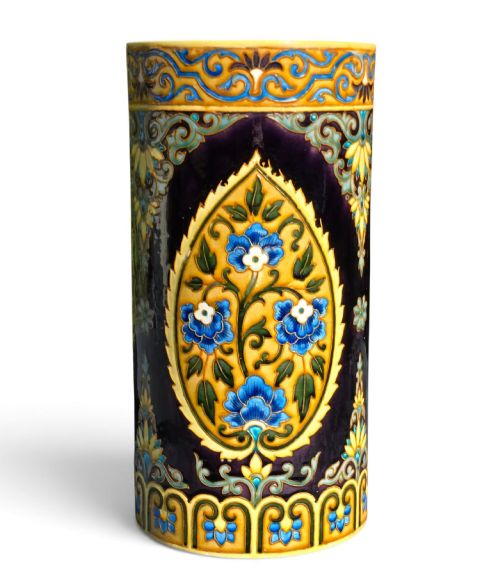
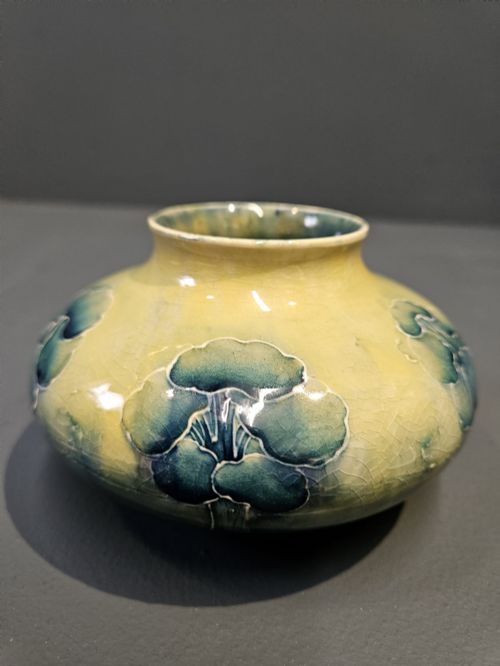
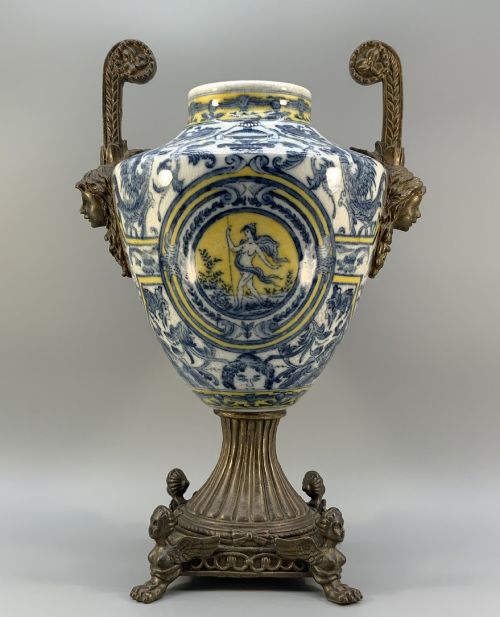
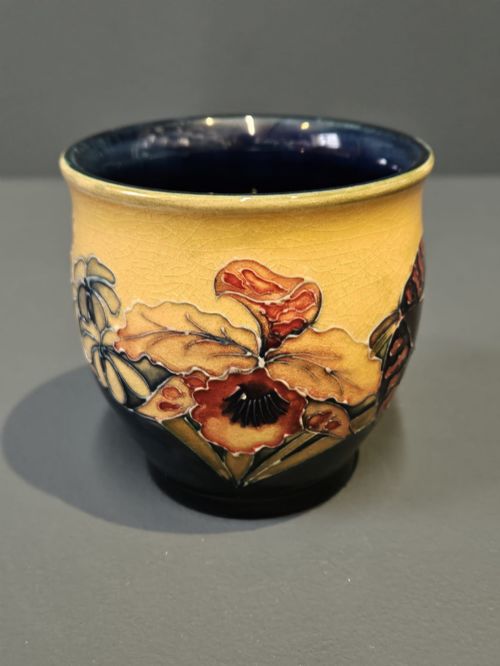
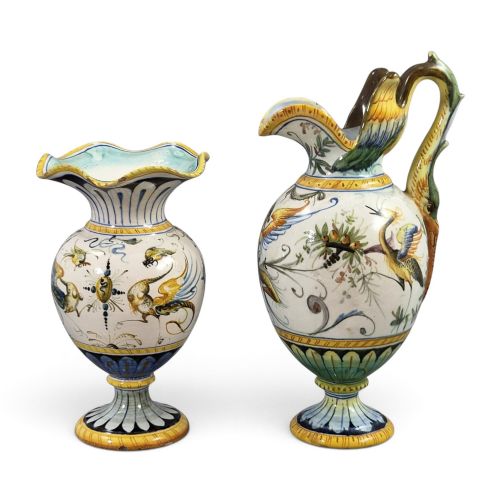
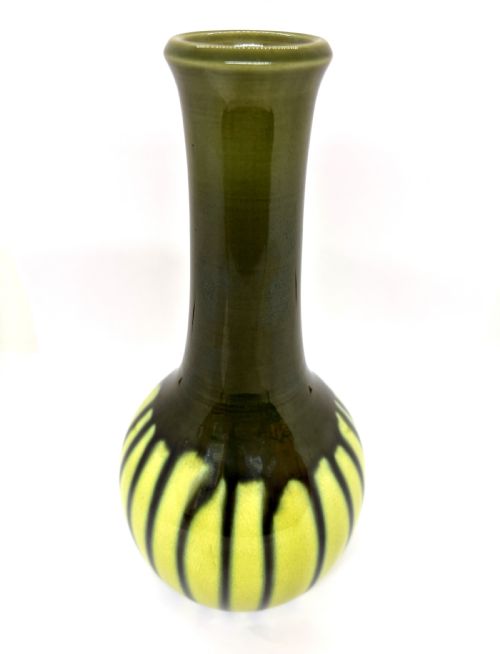
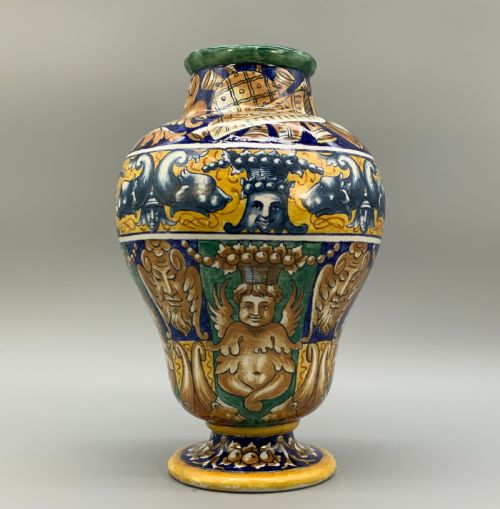
These yellow glazed vase examples bring rich colour and historic ceramic form into a room, spanning revival styles and periods.
Yellow Glazed Vase
A yellow glazed vase encompasses pieces originating from the 18th century through to the 1930s, taking forms such as standard vessels, ewers, urns, and umbrella stands. Buyers seeking this phrase encounter European majolica, faience, and art pottery alongside Chinese ceramic works.
The selection on this page leans heavily toward 19th-century European revivals and English art pottery, capturing Renaissance Revival, Arts and Crafts, and Art Nouveau aesthetics. Makers and potteries from Italy, England, and China provide the primary origins for these ceramic items.
What varies in quality
Quality rests upon the depth and control of the glaze work, from standard earthenware finishes to complex crystalline or tin-glazed surfaces. The crispness of moulded relief details and the integration of bronze mounts also separate standard items from ambitious workshop productions.
Peculiarities in studio output, such as the scale of a vessel or the complexity of a Renaissance Revival design, dictate the distinction between ordinary production pieces and major factory or potter works.
One cheerful Shiwan figure vase depicts Hotei sharing space with a bright yellow glaze.
Théodore Deck·Moorcroft·Cantagalli·Burmantoft's Pottery·Ruskin Pottery·Minton
The Yellow Glazed Vase Glossary
- Majolica
- A type of earthenware decorated with tin glazes and colourful metallic oxides. It achieved widespread popularity during 19th-century revival periods.
- Faience
- Tin-glazed earthenware produced in Europe, particularly associated with French and Italian historic traditions. The glaze creates an opaque white or coloured surface for further painting.
- Crystalline glaze
- A specialised ceramic finish where zinc or other minerals form visible crystal patterns during the kiln firing process. This technique defines specific 20th-century art pottery pieces.
- Revival
- An artistic style that imitates or adapts the visual vocabulary of earlier historical eras, such as the Renaissance or 17th-century aesthetics.
Yellow Glazed Vase: Frequently Asked Questions
How do I date a yellow glazed vase?
Dating relies on identifying the underlying ceramic body, the style of the glaze, and any factory marks on the base. Comparing the piece to known periods like the 19th century or the 1930s helps narrow the timeframe.
Stylistic cues such as Renaissance Revival or Art Nouveau motifs provide further chronological context for European and English ceramics.
Where were these ceramic pieces made?
The pieces originate from various European ceramic centres, notably Italy, England, and France, alongside examples from China. Different regions specialised in distinct glaze types and revival aesthetics.
Italian potteries focused heavily on majolica traditions, while English kilns developed distinct art pottery and crystalline finishes.
What is the difference between faience and majolica?
Both terms describe tin-glazed earthenware, but faience is more commonly applied to French and general European wares, while majolica often denotes Italian tin-glazed pottery and the colourful 19th-century Victorian interpretations.
Both techniques involve applying an opaque glaze that accepts painted metallic oxide decoration before firing.
How should I display a ceramic vase?
Display depends on the scale and weight of the vessel, with larger umbrella stands and pedestals suited to floor placement. Smaller decorative urns and vases require stable tabletops away from high-traffic edges.
Consider natural light sources that highlight the depth of the yellow glaze and any metallic or crystalline effects.