
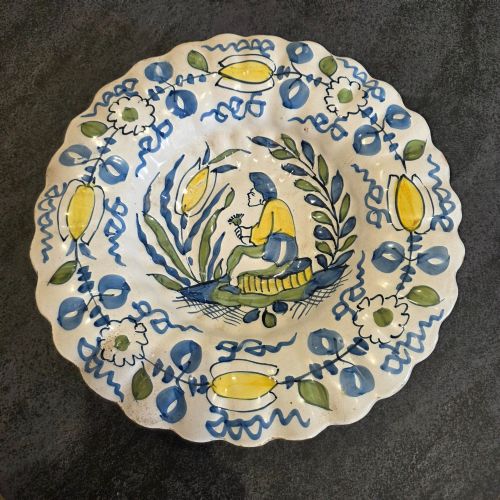
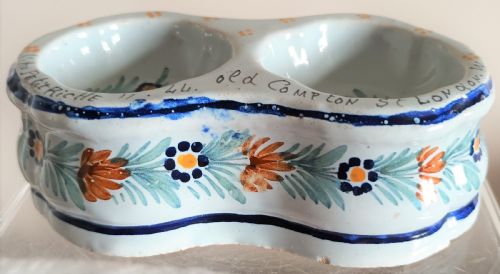
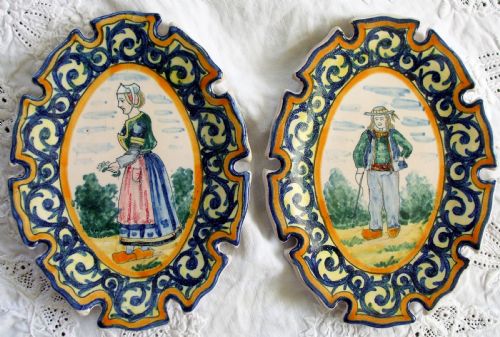
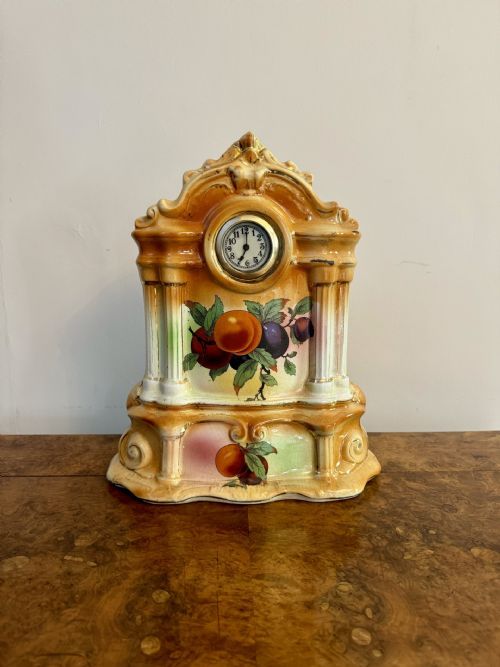
Yellow Ceramic Pottery
Yellow ceramic pottery spans centuries of earthenware, porcelain, and tin-glazed vessels designed to bring bright, warm tones into domestic spaces.
Yellow Ceramic Pottery
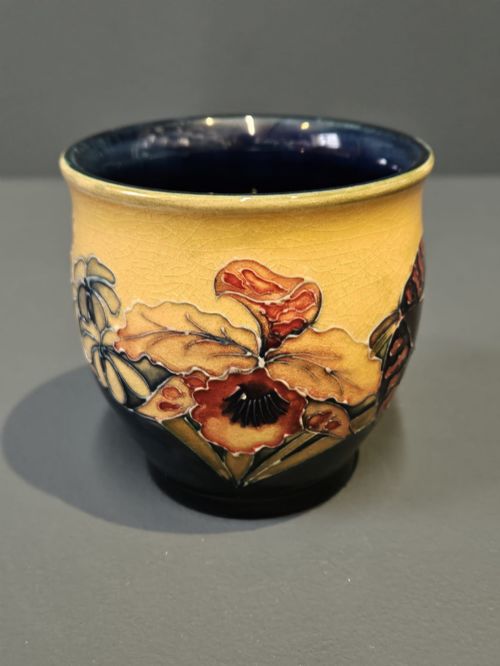
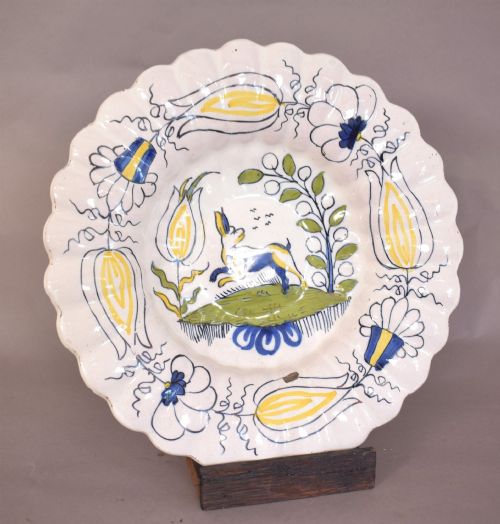
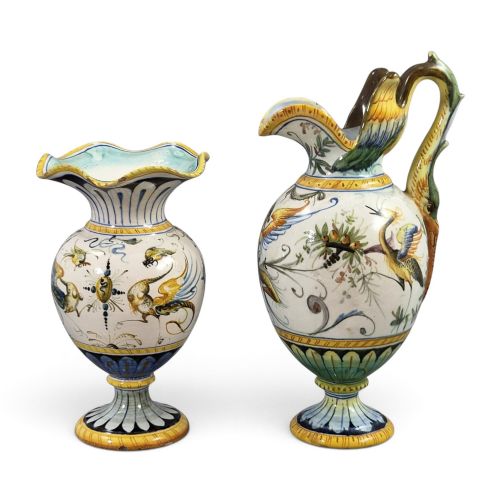
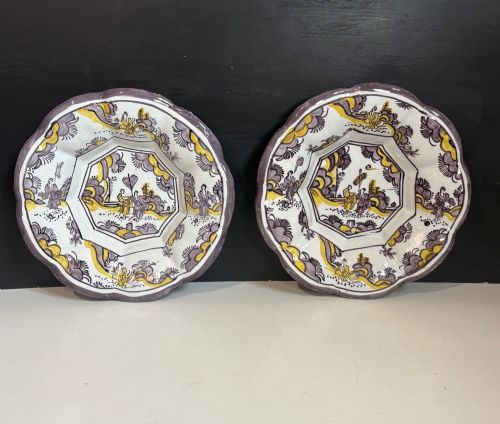
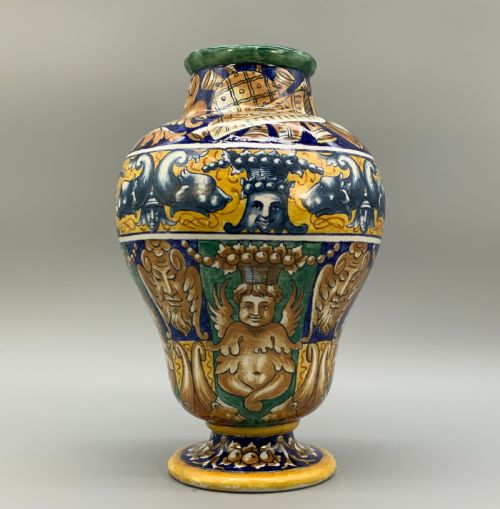
Yellow ceramic pottery encompasses everything from early earthenware dishes and apothecary jars to twentieth-century art pottery and tableware. When exploring this selection, buyers frequently encounter majolica, faience, and delft pieces alongside bright Art Deco tea sets and vases.
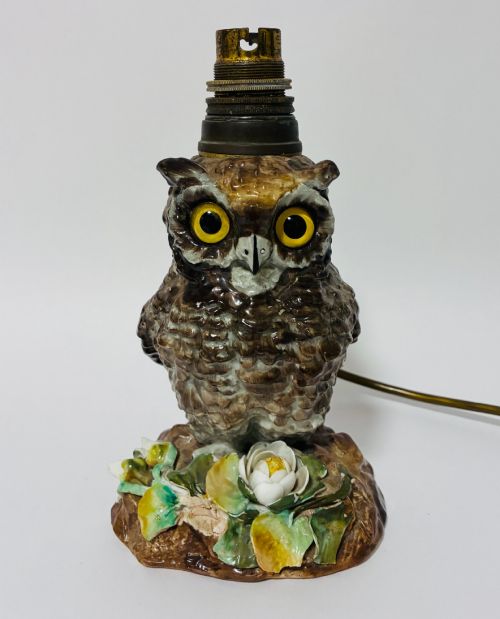
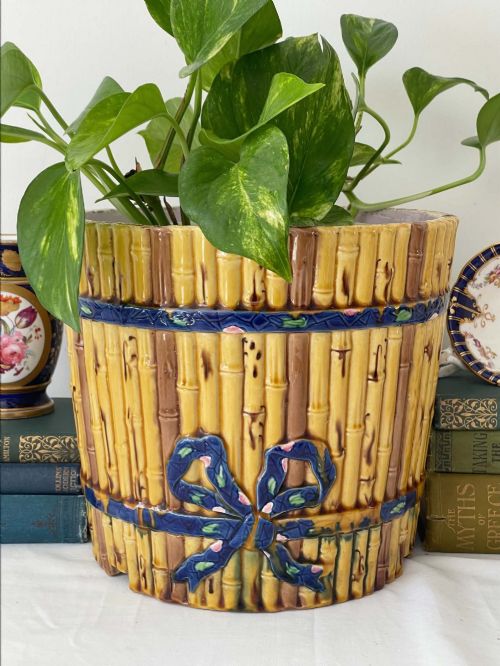
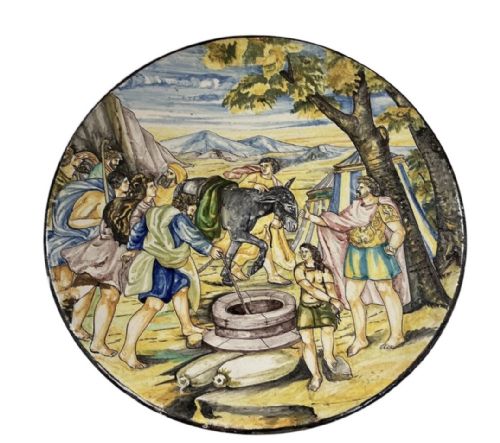
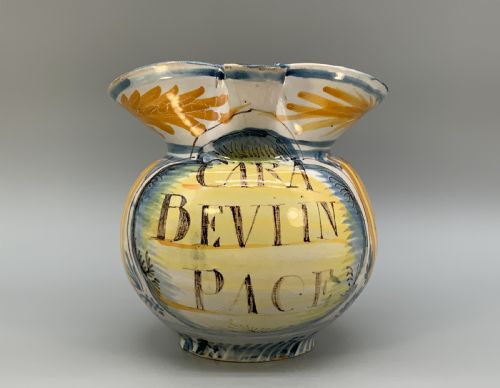
The objects originate across European and Asian traditions, ranging from seventeenth-century Dutch chargers to nineteenth-century Italian ewers and English majolica planters. Forms include vases, pharmacy jugs, wall plaques, and lamp bases produced for practical utility or display.
Materials and production methods
Potters shaped these pieces from earthenware, terracotta, or porcelain bodies before applying tin-glaze, enamel, or lead-based glazes to achieve the characteristic yellow ground. Pigments were frequently hand-painted onto the raw glaze before firing in kilns to fix the vibrant polychrome or monochrome surface.
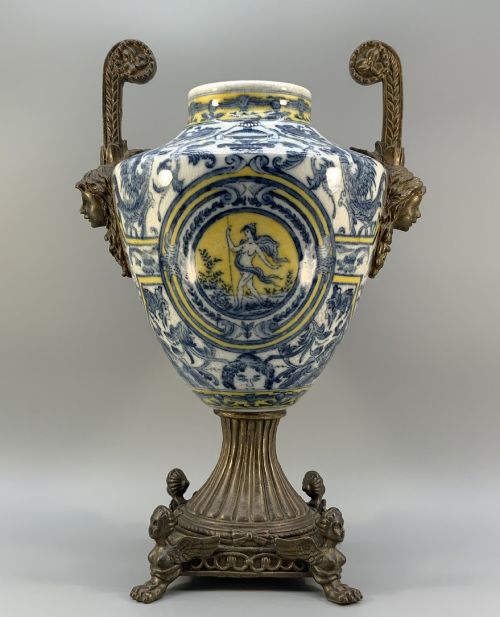
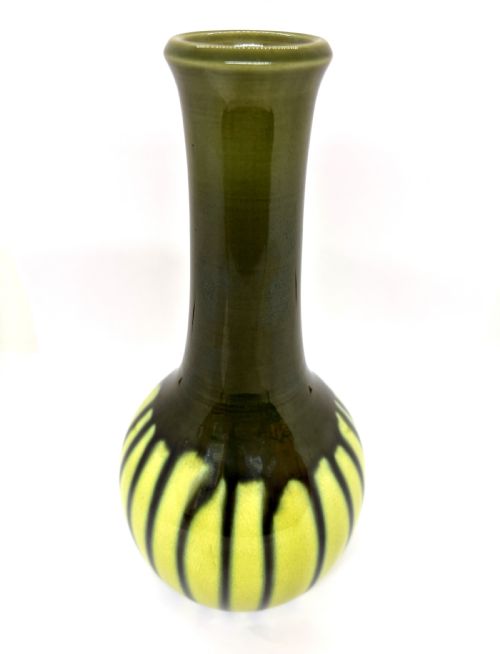
Specialised techniques such as drip-glazing, Slaters patent texturing, and moulded bronze mounts appear across various periods, adding physical depth and tactile contrast to the finished ceramic forms.
Listings feature yellow ceramic pottery produced across four centuries, stretching from the seventeenth century through to the Art Deco period.
What distinguishes finer examples
Quality rests upon the crispness of the painted decoration, the evenness of the glaze coverage, and the sophistication of the form itself. Stronger pieces display confident brushwork and balanced colour distribution across the yellow ground without muddying the secondary tones.
The reputation of the workshop or maker, alongside the preservation of the original glaze surface, dictates the standing of individual items within the wider scope of ceramic history.
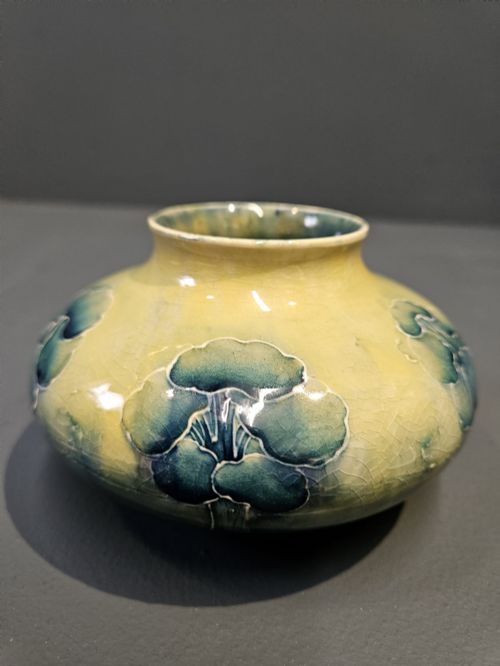
Moorcroft·Minton·Cantagalli Florence·Burmantoft s Pottery·HB Quimper·Doulton Lambeth·Enoch Wood and Sons·Clarice Cliff·Rozenburg·Royal Doulton·Mason s·Sewell
The Yellow Ceramic Pottery Glossary
- Majolica
- Tin-glazed earthenware decorated with brightly coloured metal oxides on an opaque white or cream glaze. This technique flourished during the Renaissance and saw major revivals throughout the nineteenth century.
- Faience
- European tin-glazed pottery, particularly French, Italian, or Dutch wares produced from the sixteenth century onwards. The technique creates a smooth, absorbent surface ideal for painted narrative or floral scenes.
- Albarello
- A vertical earthenware jar used by apothecaries to store dry drugs, herbs, and ointments. These vessels typically feature an incurved waist for easy gripping.
- Charger
- A large ornamental decorative plate intended for display on a sideboard or wall rather than for everyday dining. They often showcase elaborate polychrome painting.
- Tin Glaze
- A ceramic glaze made opaque by the addition of tin oxide, providing a white background for painted decoration. It defines much of the historical earthenware on this page.
Yellow Ceramic Pottery: Frequently Asked Questions
How do I care for antique ceramic pottery?
Dust these pieces gently with a dry, soft cloth to prevent surface scratching. Avoid harsh chemical cleaners and keep them away from direct, prolonged moisture.
Display them away from areas prone to sudden temperature fluctuations or heavy impacts. Handle glazed earthenware with care to protect the edges from chipping.
Were these apothecary jars used for medicine?
Apothecary jars and albarellos served a purely functional role in historical pharmacies and dispensaries. They stored dried herbs, liquid medicines, and pharmaceutical compounds.
Over time, these utilitarian vessels transitioned into decorative objects prized for their hand-painted labels and vibrant colour palettes.
What is the difference between majolica and delft?
Majolica generally refers to Italian and revival tin-glazed earthenware featuring rich, multi-coloured polychrome decoration. The style focuses heavily on sculptural forms and vibrant glazes.
Delft typically describes tin-glazed wares originating from the Netherlands or Spain, traditionally employing blue and white pigments, though polychrome examples also appear in historical collections.
How can I identify the period of a ceramic piece?
Dating relies on examining the clay body, the chemistry of the glaze, and the painting style characteristic of specific eras. Maker marks, painted ciphers, and impressed stamps provide definitive chronological markers.
Comparing the form and decorative motifs against documented historical examples helps narrow down the decade or century of manufacture.