


English Art Deco Pottery
English art deco pottery brings geometric lines and vibrant glazes into a room, offering the bold spirit of the interwar period.
English Art Deco Pottery
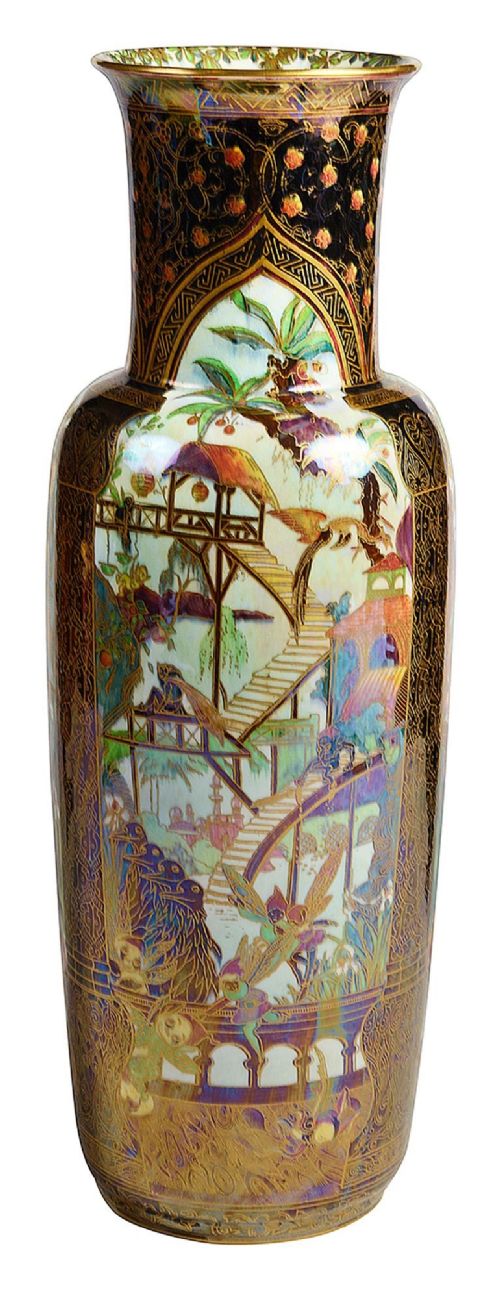
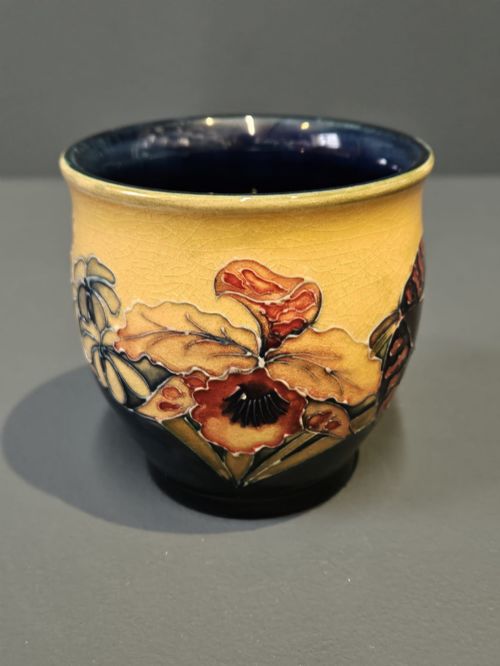
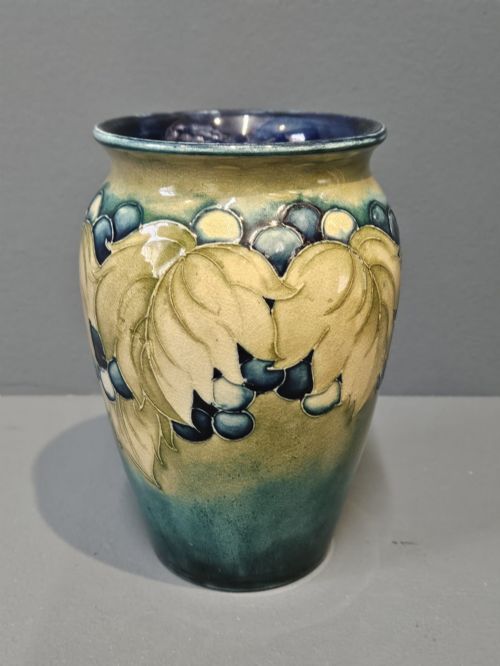
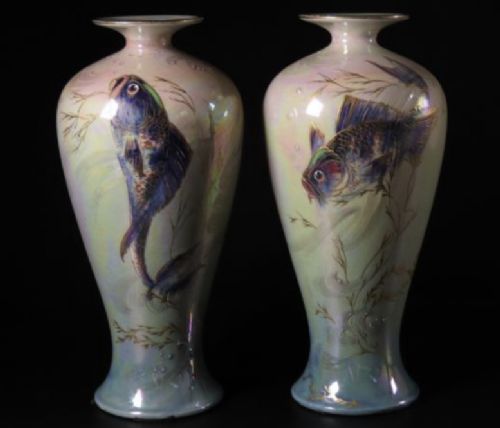
When you search for english art deco pottery, you encounter vibrant ceramics that capture the shifting aesthetic of the early twentieth century. The pieces on this page span decorative bowls, vases, tea sets, and figurines produced during the 1920s and 1930s. Most items meet you as glazed earthenware or porcelain, often bearing distinct hand-painted or tubelined patterns from notable potteries.
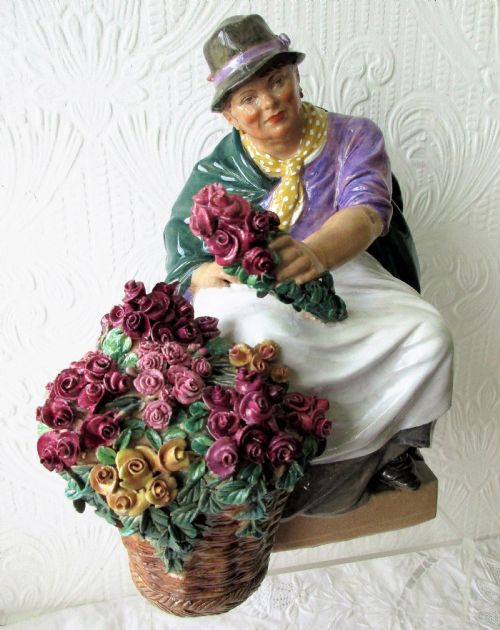
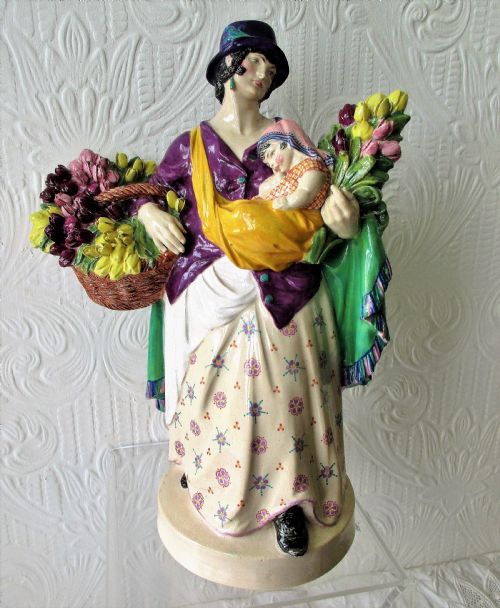
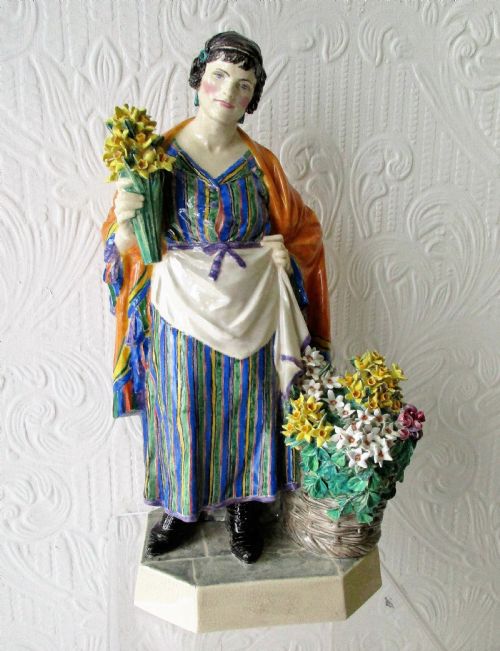
Vases and bowls form the bulk of the selection, frequently displaying rich lustre finishes or bold floral motifs. Studio pottery figurines also appear, capturing human subjects with stylised modelling characteristic of the period. These objects reflect a transition from traditional Victorian ornamentation towards modern, streamlined forms.
Materials and Technique
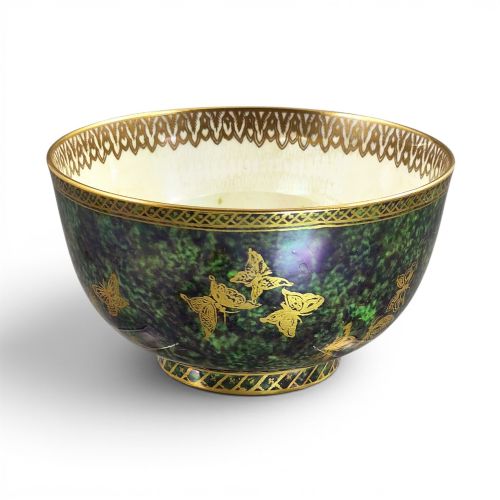
Makers shaped these items primarily from earthenware, ceramic, and porcelain, frequently employing bone china for finer tea services. Potters applied glazes to create reflective surfaces, utilising specialised lustre techniques that produced iridescent sheens in greens, blues, and yellows. Gold leaf and enamel additions further enriched the decorated surfaces of vases and bowls.
Techniques such as tubelining allowed artisans to trail raised clay lines onto the body before glazing, creating distinct compartments for vibrant enamel colours. This method defined much of the surface pattern work seen on chargers and jugs from the era. Salt glazing also appears on specific vases, imparting a textured, pitted surface finish to the ceramic body.
Ceramic birds and deer occasionally gaze out from the kiln.
Assessing Quality and Execution
Quality in these ceramics rests on the precision of the hand-painted or tubelined decoration and the depth of the glaze. Pieces featuring complex multi-coloured enamels or iridescent lustre finishes demand greater technical skill from the potter. Crisp application of pattern lines without blurring separates standard production items from superior studio examples.
The reputation of the designer and the pottery significantly influences the standard of the piece. Controlled firing processes that yield an even, luminous glaze without surface blemishes elevate the standing of a vase or bowl. Signature marks and clear stamps from established designers indicate careful workshop oversight.
Daisy Makeig-Jones·Walter Slater·Charles Vyse·Clarice Cliff·Richard Joyce·Charlotte Rhead
The English Art Deco Pottery Glossary
- Lustre
- A type of ceramic glaze containing metallic salts that produce an iridescent sheen upon firing. This finish reflects light to create shifting colour effects.
- Tubelining
- A decorative technique where liquid clay is squeezed through a nozzle onto a ceramic body to outline a pattern. The resulting raised ridges contain the subsequent enamel colours.
- Earthenware
- Porous pottery fired at a relatively low temperature, requiring a glaze to render it waterproof. It serves as the primary body for many decorative bowls and vases.
- Charger
- A large decorative plate intended for display rather than service. These pieces often showcase expansive painted or tubelined designs.
- Garniture
- A set of three or more matching ceramic vases or ornaments designed to sit on a mantelpiece together. They provide a balanced decorative arrangement.
English Art Deco Pottery: Frequently Asked Questions
How do I clean ceramic vases?
Dust surfaces gently with a soft, dry cloth to prevent accumulation. Avoid submerging older lustre or enamel pieces in water, as moisture can damage delicate metallic glazes.
Keep ceramics away from direct sunlight to preserve the vibrancy of hand-painted enamels. Handle items by their main body rather than delicate handles or rims.
Were these tea sets used daily?
Many tea services saw occasional use for special gatherings rather than daily domestic routines. The delicate nature of porcelain and bone china meant owners preserved them carefully.
Over time, careful stewardship kept most surviving sets complete and undamaged. Today, they function primarily as decorative centrepieces.
How do I identify a tubelined design?
Run a finger gently across the surface of the pattern to feel the raised outline of clay. This technique creates physical barriers that separate different enamel colours.
Plain painted ceramics lack this tactile ridge entirely. The raised lines are a hallmark of specific decorative methods from the period.