





Green Pottery Jug
These green pottery jugs span centuries of ceramic artistry, offering functional vessels and decorative forms that anchor any room with earthy colour.
Green Pottery Jug
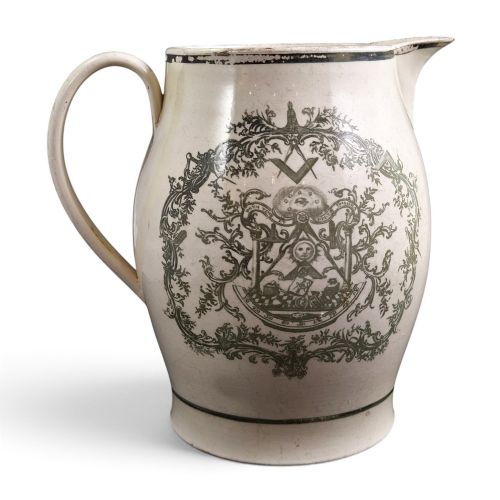
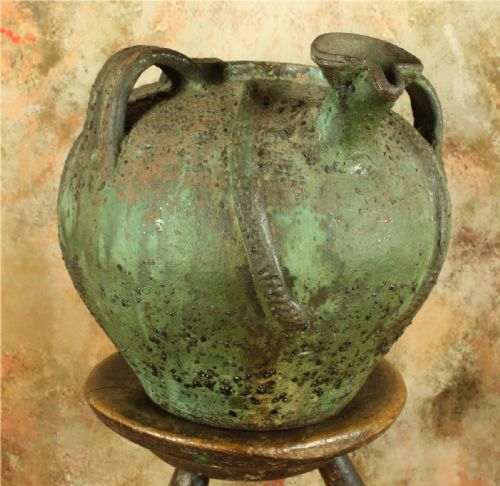
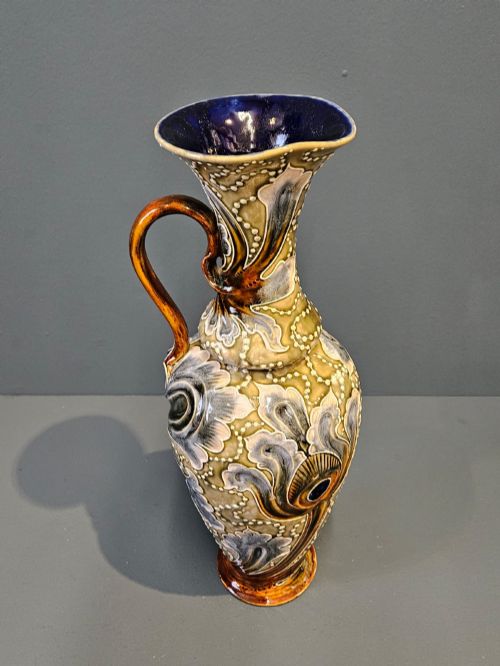
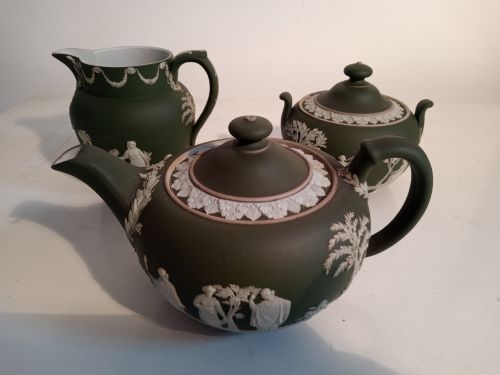
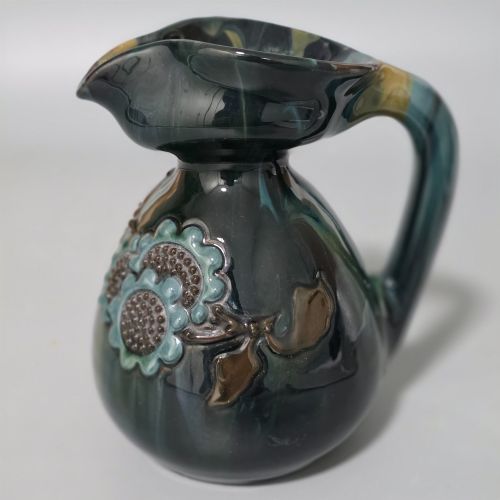
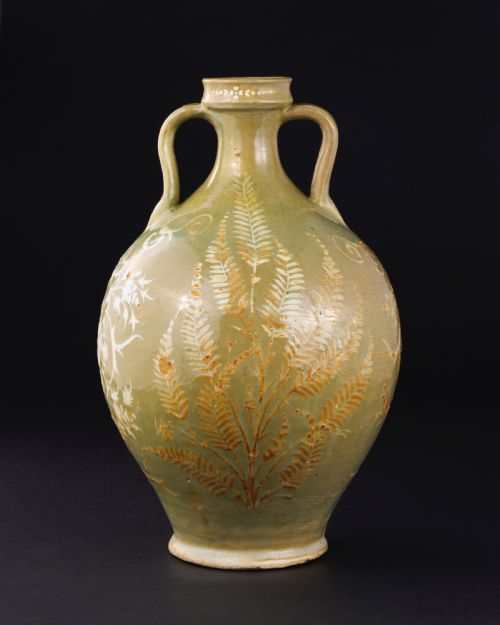
A green pottery jug encompasses a diverse range of vessels and pitchers, from eighteenth-century creamware to late nineteenth-century studio pottery and Majolica. Buyers seeking a green pottery jug will encounter forms ranging from utilitarian water vessels and oil pots to ornate decorative ewers and bachelor teasets.
What varies in quality
Quality rests in the crispness of moulded relief details, the depth and consistency of the glaze application, and the reputation of the maker or pottery. Studio pieces by named artists and works from major factories exhibit superior artistry in their modelling and finish.
The sophistication of the design, whether an elaborate Art Nouveau botanical motif or a finely potted creamware body, separates standard utilitarian wares from exceptional collector pieces.
Regional styles include French country oil pots, Austrian Art Nouveau ewers, Persian Safavid vessels, and English Staffordshire wares.
Sir Edmund Elton·Doulton Lambeth·Wedgwood·George Jones·Minton
The Green Pottery Jug Glossary
- Creamware
- A fine earthenware developed in the eighteenth century with a pale yellowish-cream body, often covered with a clear lead glaze. Staffordshire potteries produced notable examples.
- Majolica
- A type of earthenware glazed with opaque tin-lead enamel, brightly coloured with metallic oxides. It gained immense popularity during the Victorian era for decorative vessels.
- Ewer
- A large jug with a wide spout and handled base, traditionally used for holding water. Many antique examples survive purely as decorative objects.
- Stoneware
- A robust, vitrified ceramic fired at high temperatures until non-porous. It provides a durable body suited to salt-glazed decorative ewers.
- Celadon
- A pale grey-green glaze originating in East Asia, emulated in various historic ceramic traditions to create translucent green surfaces.
Green Pottery Jug: Frequently Asked Questions
How do I date a green pottery jug?
Dating relies upon identifying the ceramic body, glaze type, and stylistic markers such as Art Nouveau curves or Regency forms. Factory marks and artist signatures provide definitive chronological anchors.
Examining the wear on the base and the manufacturing technique helps distinguish eighteenth-century creamware from later nineteenth-century studio pottery and early twentieth-century majolica.
Were these jugs used for water?
Many historic vessels served practical domestic roles, holding water, wine, walnut oil, or tea at the table. Larger ewers and pitchers fulfilled functional pouring duties in the household.
Over time, numerous decorative examples transitioned into purely ornamental display pieces due to their elaborate glazes and sculptural modelling.
What is Majolica pottery?
Majolica is a brightly glazed earthenware decorated with metallic oxide colours over an opaque tin enamel base. Victorian makers utilised this technique to create vibrant, nature-inspired vessels featuring botanical motifs.
These pieces are celebrated for their rich palette of greens, browns, and blues, capturing organic textures like bulrushes, lilies, and sunflowers.
How do I display an antique jug?
These vessels suit placement on open shelving, sideboards, or mantels where their varied green glazes catch the light. Grouping pieces of differing heights and periods creates visual interest.
Ensure they rest on stable, flat surfaces away from heavy foot traffic to protect their historic handles and delicate spouts from accidental knocks.