
Art Deco Glazed Ceramic
When you handle art deco glazed ceramic, you hold the bold geometries and vivid finishes that defined interwar interiors.
Art Deco Glazed Ceramic
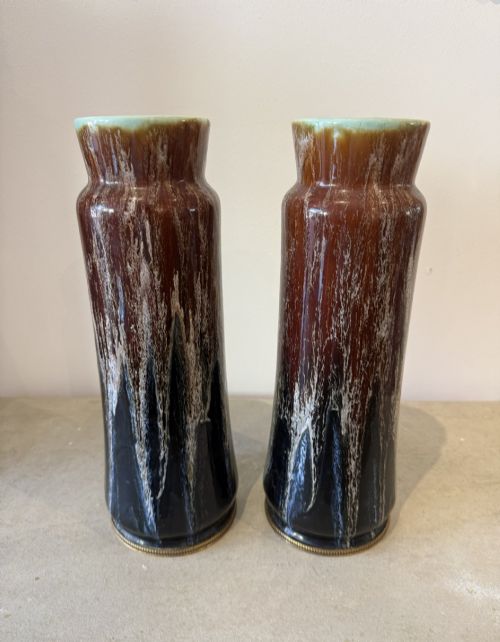
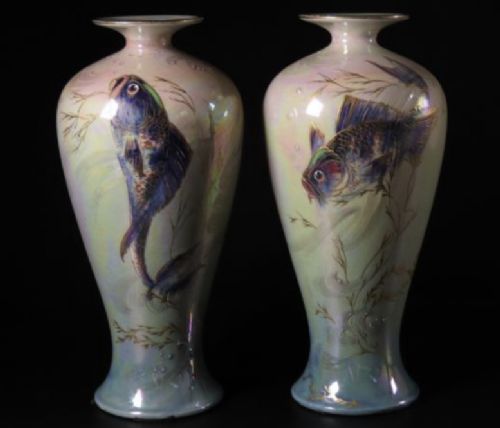
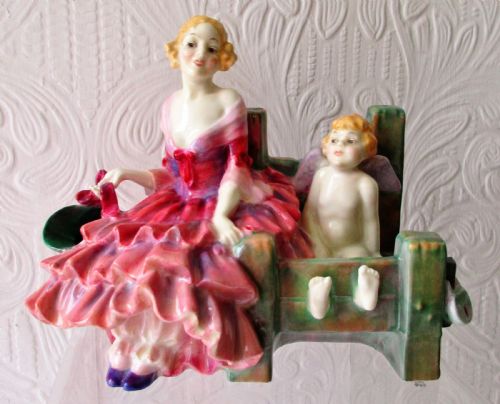
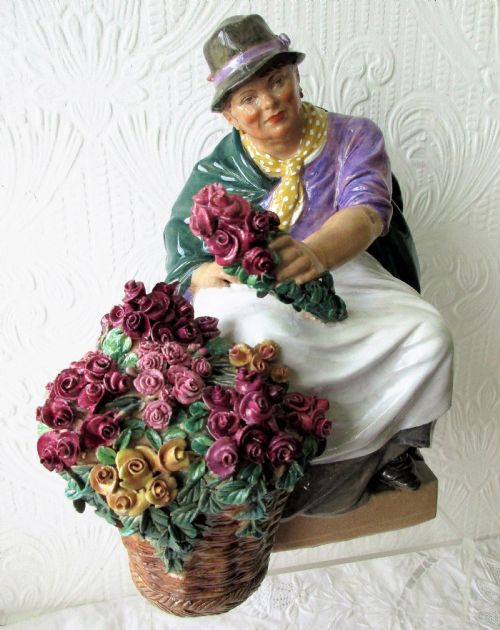
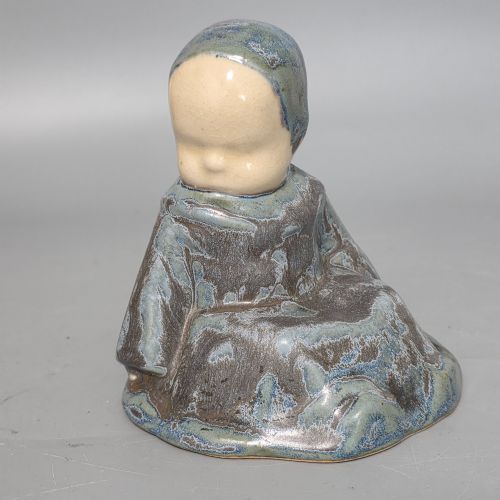
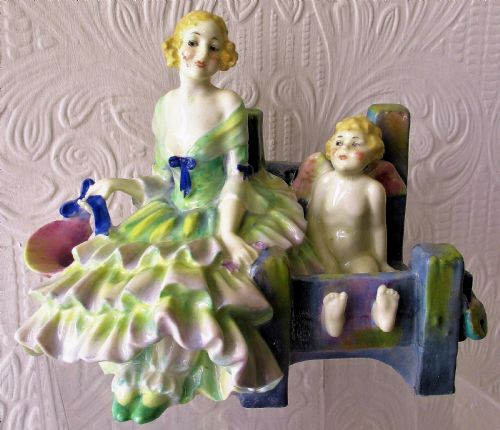
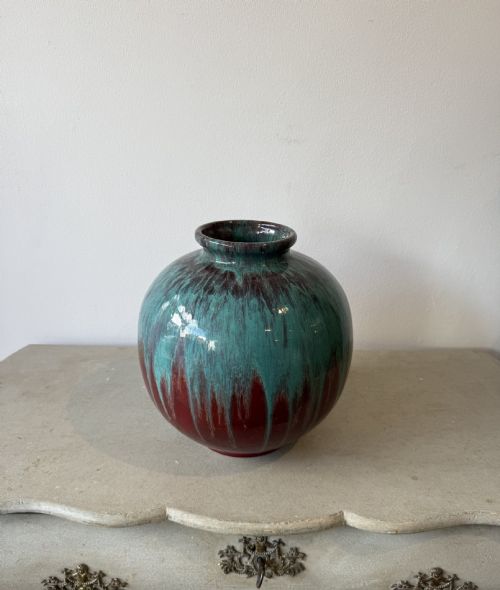
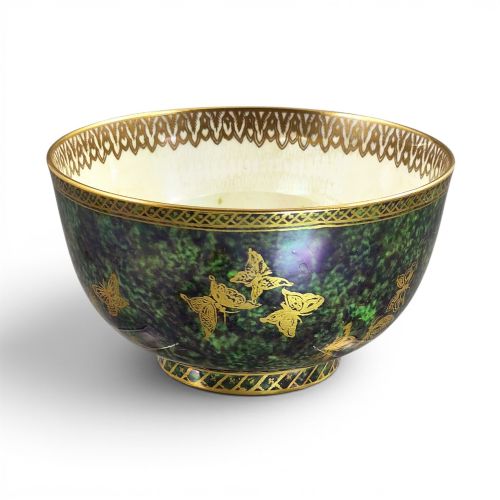
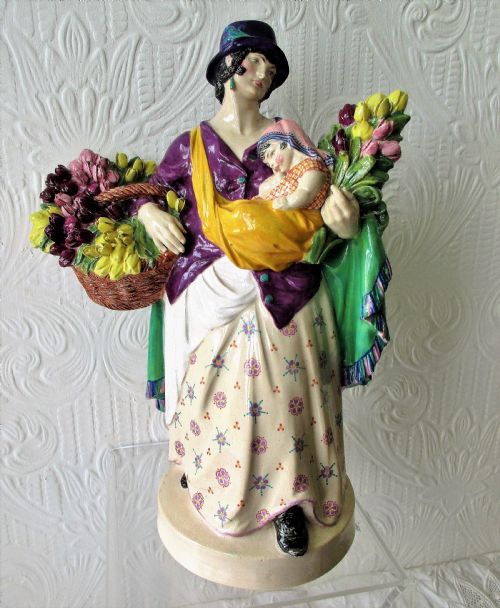
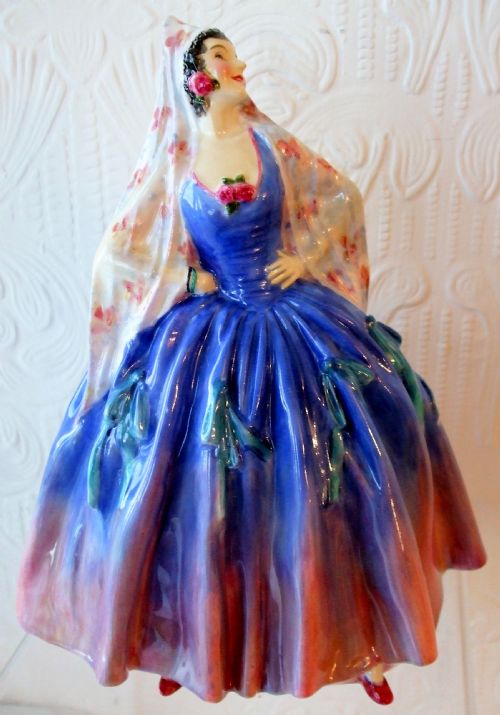
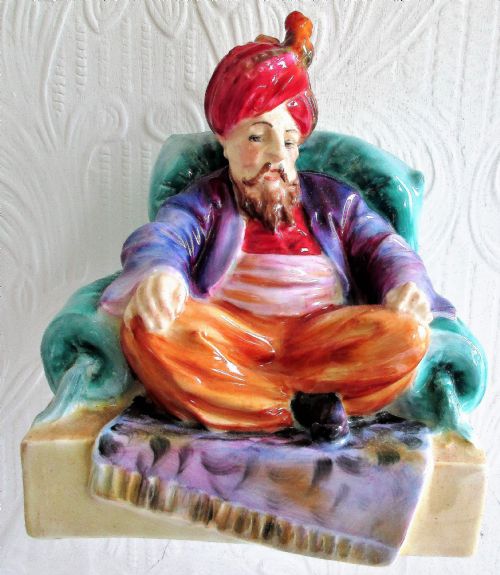
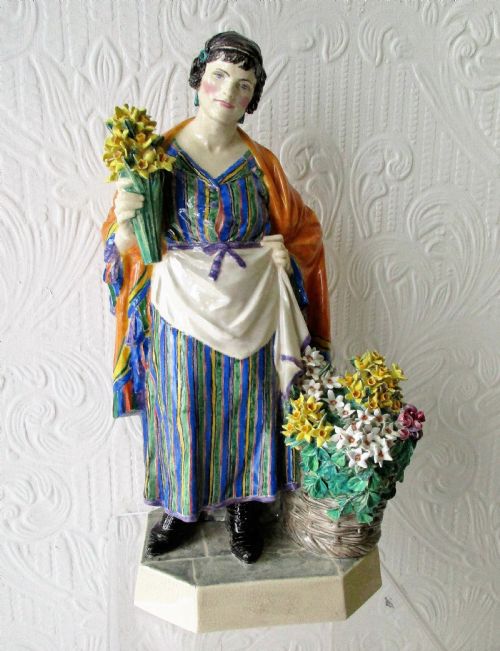
Art deco glazed ceramic covers functional vessels, wall masques, and figurative sculpture produced primarily during the 1920s and 1930s. The selection on this page spans vibrant earthenware bowls, porcelain figures, and studio pottery decorated with lustres and glazes.
Vases and decorative chargers dominate the functional forms, often featuring geometric patterns or stylised animal subjects. Figurative works include dancers, animals, and character studies modelled by prominent European and British potteries.
Origins range from English factories and studio potters to French ateliers and Austrian works. These pieces bring distinct period character to domestic spaces through rich coloration and stylised moulding.
Materials and production techniques
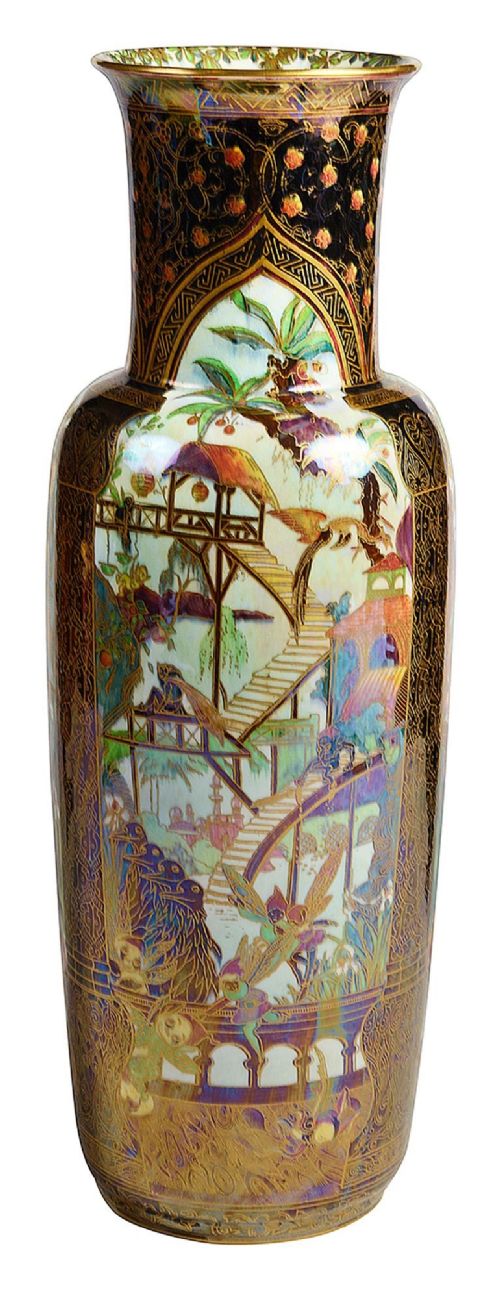
Potters shaped these objects from earthenware, porcelain, and stoneware bodies before applying coloured glazes, lustres, and occasionally gilding or gold leaf. Lustre finishes required specialised firing techniques to achieve iridescent, metallic sheens across surfaces.
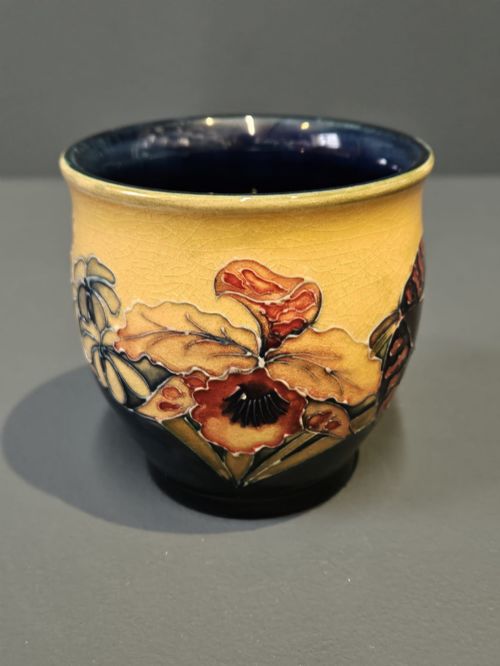
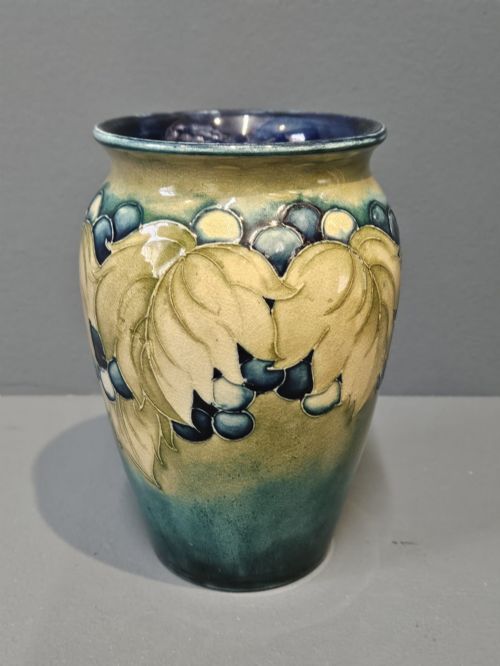
Many ceramic surfaces received hand-painted designs or tubelined patterns, where raised clay lines contained pools of vibrant enamel colours. Studio pieces relied on individual throwing and modelling, whereas larger factories utilised moulds for consistent porcelain and earthenware output.
Cats, dogs, elephants, and deer populate these ceramic shelves, proving interwar decorators possessed an enduring fondness for metallic-glazed fauna.
Distinctions in quality and execution
Quality rests in the crispness of the modelling and the depth of the glaze chemistry, particularly in complex lustre and tubelined finishes. Master decorators achieved precise colour separation and rich metallic effects that elevate standard earthenware into distinct works of art.
The reputation of the designer and the prestige of the pottery dictate the standing of individual pieces within the market. Factory output from renowned makers demonstrates superior body preparation and glaze control compared to anonymous commercial wares.
Wedgwood·Moorcroft·Royal Doulton·Boch Freres·Shelley·Charles Vyse·HB Quimper·Boch Freres·Meissen·Gmundner·Robert T Lallement·Carlton Ware·Rosenthal·Crown Ducal·Wemyss·Argilor·Royal Lancastrian·Denby Ware·Clarice Cliff
The Art Deco Glazed Ceramic Glossary
- Lustre
- A ceramic glaze containing metallic salts that produce an iridescent, reflective sheen upon reduction firing. This technique creates shimmering surface effects found on many decorative vessels.
- Tubelining
- A decorating method where liquid clay is squeezed through a nozzle onto a ceramic body to form raised outlines. These barriers hold subsequent enamel colours during firing.
- Earthenware
- A porous pottery body fired at lower temperatures than stoneware or porcelain. It requires an impermeable glaze to hold liquids.
- Wall Masque
- A decorative ceramic wall plaque modelled as a human or character face. These pieces were popular interior ornaments during the interwar period.
- Bone China
- A type of porcelain incorporating animal bone ash, resulting in a strong, highly translucent white body. It permits thinner walls and refined vessel shapes.
Art Deco Glazed Ceramic: Frequently Asked Questions
How do I clean ceramic art deco lamps safely?
Dust surfaces gently with a soft, dry cloth to prevent moisture damage to vintage wiring and painted glazes. Avoid chemical cleaners that can strip delicate lustre layers or gilding.
Inspect the fabric shade and cord separately for wear, keeping all liquid away from the ceramic body during maintenance.
Can I use these decorative bowls for food?
Most antique glazed ceramics feature lead-based or porous glazes unsuited for modern culinary use. Display them dry to preserve the fragile interwar surface decorations.
Using these vessels for food can introduce contaminants or cause irreversible staining to the historic glaze.
How do I identify a tubelined ceramic design?
Run a finger gently across the surface to feel the distinct raised clay lines that separate the enamel colours. These tactile borders distinguish tubelined wares from flat painted or printed ceramics.
Maker signatures on the base often corroborate the studio or factory responsible for the technique.
Where were most French art deco ceramics made?
Production centred around regional studios in Paris and provincial pottery towns, alongside individual ceramicists working independently. These workshops prioritised sculptural forms and experimental glaze effects.
Signatures or impressed marks on the base usually indicate the specific French atelier or artist.