


1930s Art Deco Pottery
These 1930s art deco pottery pieces bring bold geometric patterns, vibrant hand-painted glazes and sculptural animal forms straight into a modern interior.
1930s Art Deco Pottery
When you search for 1930s art deco pottery, you encounter a diverse range of objects spanning utilitarian tea sets, decorative chargers, table lamps, and figurative sculptures. These pieces originate predominantly from the 1930 period, drawing on distinct modernist and avant-garde design principles.
The selection on this page includes earthenware, porcelain, stoneware, and glazed ceramic items. Notable decorative forms take shape as French cats with glass eyes, flapper girl powder boxes, and female terracotta bust sculptures.
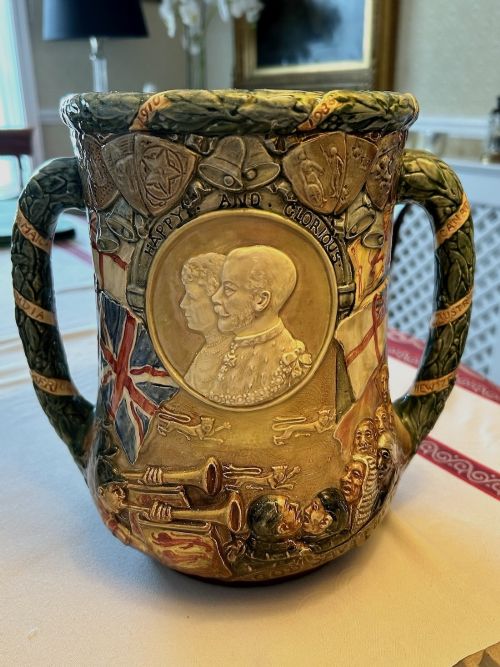
Makers and designers expressed the style through distinctive patterned bowls, bulbous flower vases, and commemorative loving cups. Each object captures the exuberant aesthetic of the interwar decades through stylised motifs and rich surface decoration.
Qualities that distinguish individual pieces
The crispness of the tubelined design work and the precision of hand-painted patterns differentiate standard production wares from superior studio pieces. Strong saturation in multi-coloured glazes and evenly applied lustre finishes indicate careful kiln management during firing.
The complexity of the form influences the overall standard, with naturalistic animal figures, detailed female busts, and large chargers demanding greater sculptural skill than basic vessels. Clear factory stamps, painter monograms, and artist signatures confirm authenticity and add distinction.
The complexity of glaze interactions, such as high-fired salt glazes or rich metallic accents, distinguishes ambitious art pottery from commercial tablewares. Preservation of original enamels and minimal surface wear maintain the visual impact of the decorative scheme.
A French ceramic cat gazes out with striking glass eyes, watching the interwar tea sets and powder boxes go by.
Royal Doulton·Clarice Cliff·Maling·Charlotte Rhead Crown Ducal·Shelley·Denby Ware·Bursley Ware·Gio Ponti For Richard Ginori·Moorcroft·Keith Murray·Roger Guerin·Limoges
The 1930s Art Deco Pottery Glossary
- Tubelined
- A decorative technique where a fine trail of liquid clay is squeezed onto the pottery body to form raised outlines before glazing. This creates distinct compartments for holding pools of vibrant paint.
- Charger
- A large decorative plate or disk designed for display on a wall or sideboard rather than for dining use. These often showcase elaborate painted or tubelined patterns.
- Bizarre
- A distinctive trade name used for brightly coloured, hand-painted art pottery featuring abstract or stylised natural motifs. The style relies on bold geometric divisions and saturated hues.
- Gres
- A French term for stoneware ceramics fired at high temperatures to achieve a dense, vitrified body. It frequently appears on heavy, robust art pottery vessels and jardinières.
- Bonbonniere
- A small ornamental box or jar originally intended to hold sweets or confectionery. In this period, they often take the form of moulded ceramic figurines or powder boxes.
1930s Art Deco Pottery: Frequently Asked Questions
How do I identify a genuine 1930s art deco piece?
Examine the underside for period factory stamps, hand-written pattern names, or artist signatures that align with interwar ceramic manufacturers. Look for characteristic design traits such as stylised geometric motifs, bold colour palettes, and moulded figurative shapes.
Compare the glaze consistency and manufacturing techniques against documented examples from the same potteries to confirm the period of production.
Can I use these ceramic items for daily dining?
Most decorative chargers, figurative sculptures, and hand-painted vases are intended for display rather than everyday functional use. Items like tea sets and coffee sets were made for serving, but older glazed surfaces require gentle manual washing to preserve the enamel.
Avoid dishwashers and harsh detergents, which can dull original hand-painted highlights and vintage glazes over time.
What is the difference between earthenware and stoneware?
Earthenware is fired at lower temperatures, resulting in a porous ceramic body that requires an impervious glaze to hold liquids. Stoneware is fired much higher until the clay vitrifies, creating a dense, non-porous and heavier material.
Stoneware pieces like heavy jardinières and salt-glazed vases resist chipping better than standard earthenware items.
How should I display art deco pottery safely?
Place ceramic vessels and figurines away from direct sunlight to prevent the fading of hand-painted enamels and coloured glazes. Ensure shelves are stable and level, particularly when displaying heavy chargers or large sculptural bowls.
Use museum putty or secure mounts for tall items like flower jugs and animal figurines to prevent accidental tipping.