
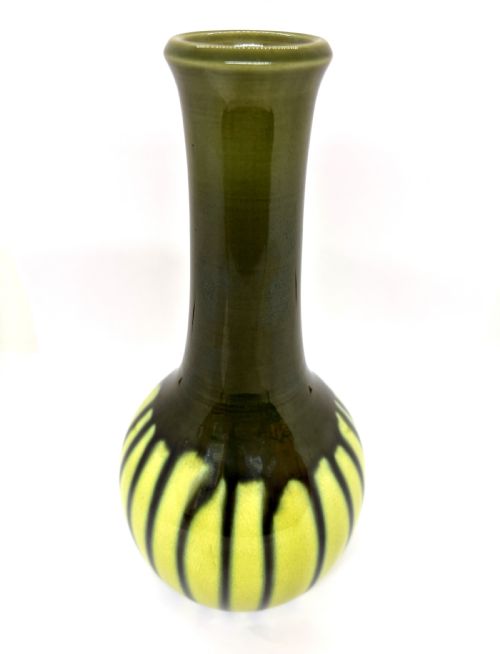
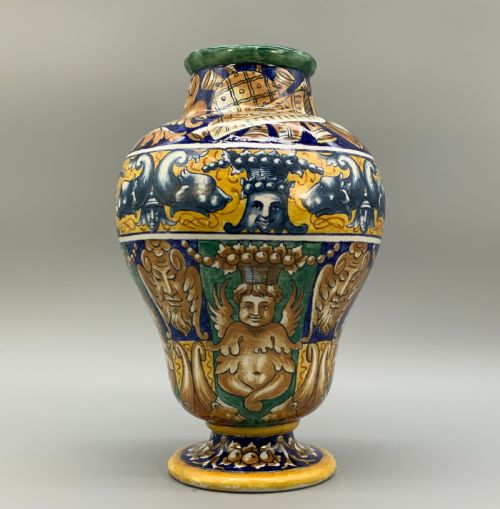


Yellow Glazed Pottery Vase
A yellow glazed pottery vase brings bright colour and striking form to a room, spanning revival styles and studio ceramics.
Yellow Glazed Pottery Vase
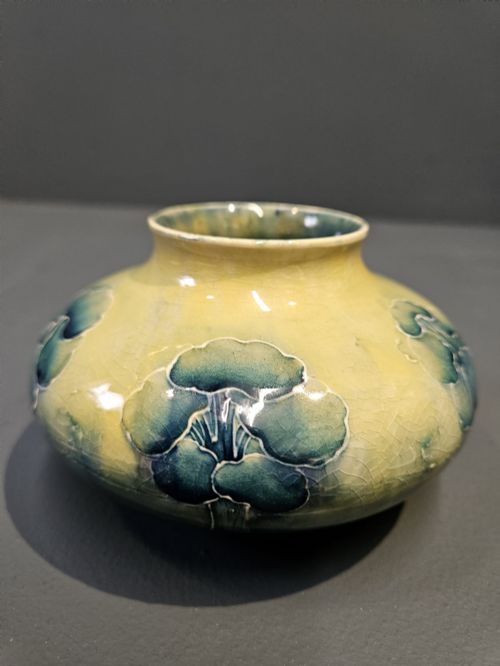
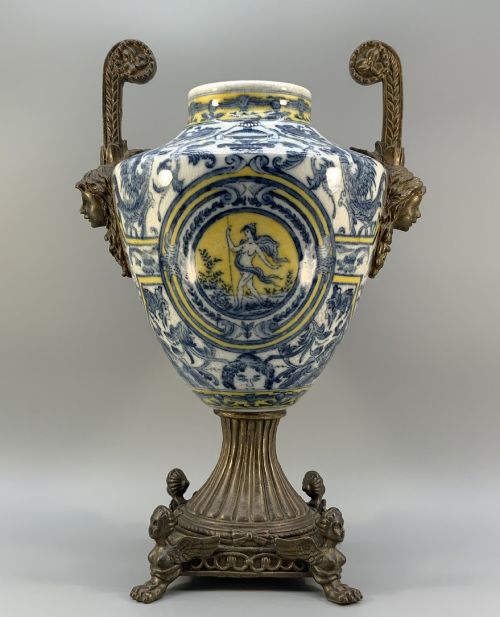
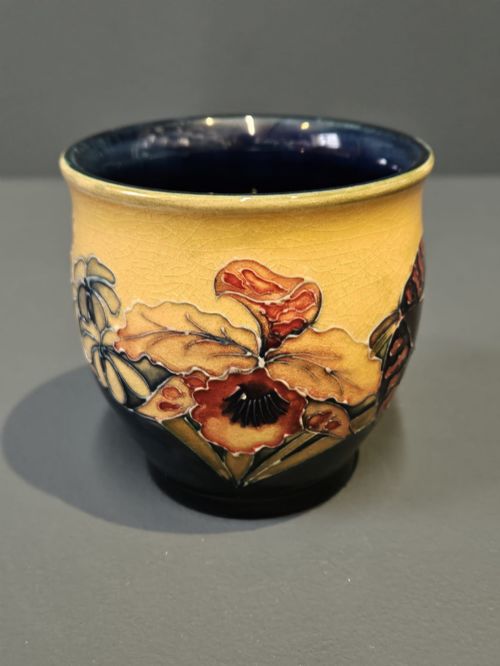
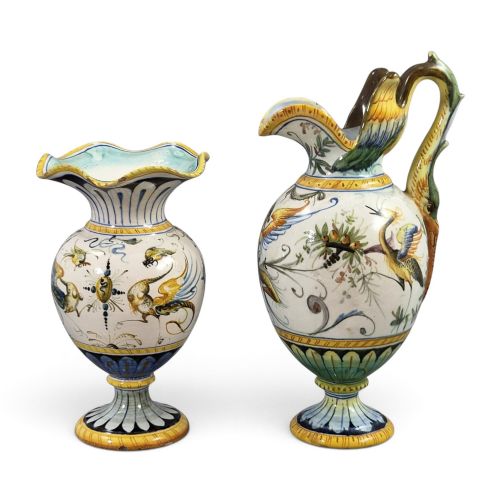
A yellow glazed pottery vase encompasses earthenware and faience vessels shaped in periods from the seventeenth-century revival onwards. Buyers looking at this phrase find pieces ranging from Italian majolica ewers to early twentieth-century studio pottery.
The most common examples on this page date from the nineteenth and early twentieth centuries. These include English art pottery and continental faience produced during the Arts and Crafts and Art Nouveau movements.
Materials and methods
Potters built these vessels using earthenware and ceramic bodies before applying tin glaze or crystalline glazes. Many examples incorporate bronze mounts or enamel decoration to accent the clay body.
Kiln techniques determined the character of the surface, with tin glazes providing an opaque white ground for polychrome painting and crystalline glazes creating varied surface patterns during firing.
Listings span earthenware, faience, and ceramic materials produced across the eighteenth, nineteenth, and twentieth centuries.
Assessing the work
Quality rests in the precision of the throwing and the depth of the glaze application. Stronger pieces show careful control over high-firing techniques and successful integration of metal mounts or handles.
The sophistication of the painted surface or the complexity of the crystalline glaze distinguishes standard production from exceptional studio output. Form and proportion dictate the visual balance of each vessel.
Moorcroft·Cantagalli·Burmantofts Pottery·Ruskin Pottery·Minton
The Yellow Glazed Pottery Vase Glossary
- Earthenware
- Porous pottery fired at lower temperatures, requiring a glaze to hold water. It forms the foundation for much of the nineteenth-century faience found here.
- Faience
- Tin-glazed earthenware decorated with opaque colours, often produced in imitation of Italian majolica. It appears frequently in nineteenth-century revival pieces.
- Crystalline glaze
- A specialised ceramic coating that develops distinct zinc-silicate crystals during the cooling phase in the kiln. This effect produces striking star-like patterns on the pottery surface.
- Majolica
- Opaque tin-glazed pottery associated with Italian traditions and later Victorian revivals. It displays rich polychrome pigments on shaped ceramic bodies.
Yellow Glazed Pottery Vase: Frequently Asked Questions
How do I date these vases?
Dating relies on body weight, glaze characteristics and stylistic revivals that signal nineteenth or twentieth-century production.
Pottery marks on the base often provide further confirmation of workshop origins.
Where were these pieces made?
Production centres span English art potteries and continental European workshops, particularly in Italy.
Each region employed distinct glaze recipes and clay bodies.
Can I use these vases for fresh flowers?
Earthenware vessels with sound interior glazes hold water safely for display.
Porosity in older bodies means liners protect the interior from moisture damage.
What styles dominate this selection?
Revival aesthetics such as Renaissance and Italian Baroque sit alongside Arts and Crafts and Art Nouveau designs.
Maker interpretations vary from traditional majolica to experimental crystalline glazes.