
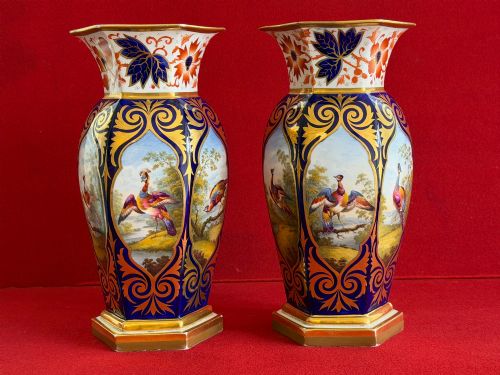
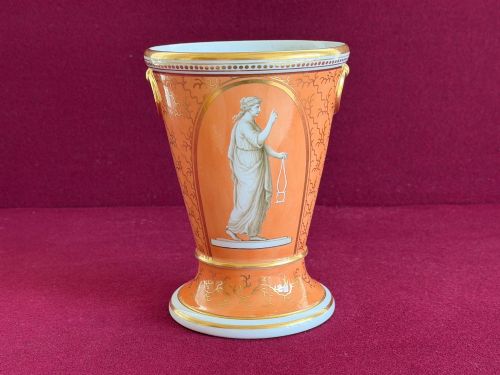
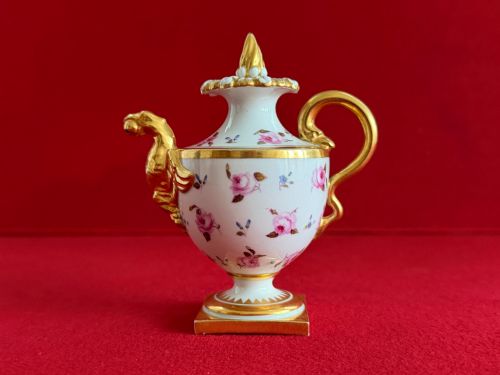
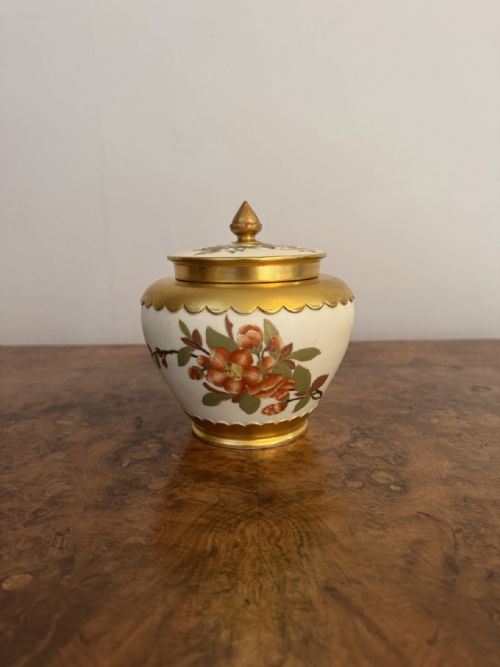



Worcester Ceramic Vase
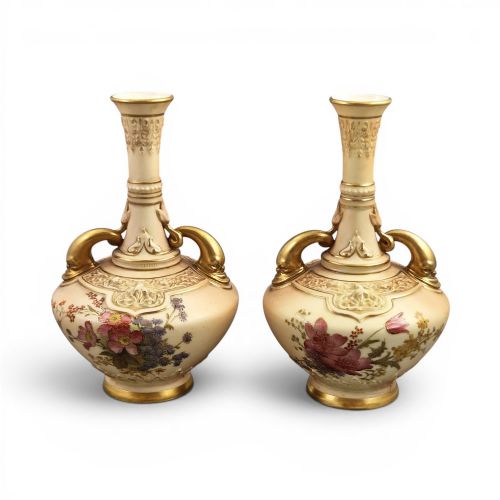
These pieces are a worcester ceramic vase, prized for their painted surfaces and varied forms from Georgian to later periods.
Worcester Ceramic Vase
A worcester ceramic vase encompasses diverse shapes spanning Georgian, Regency, Victorian, and Edwardian periods.
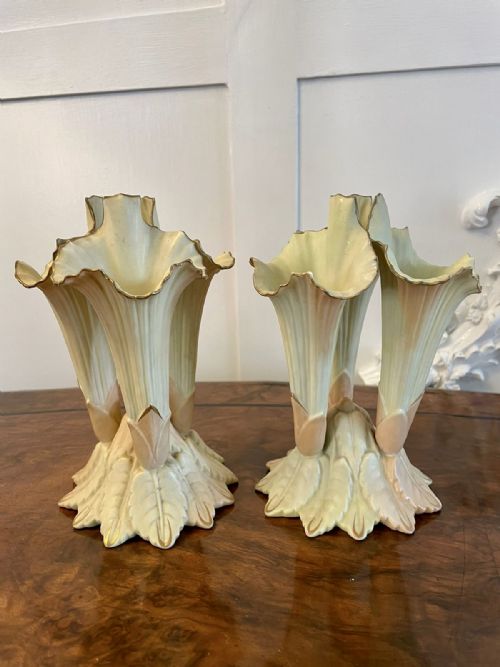
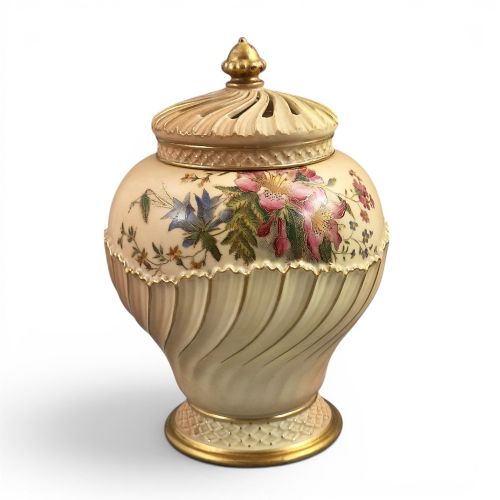
Collectors frequently encounter blush ivory pieces, potpourri jars, jardinières, and spill vases produced by historic factories.
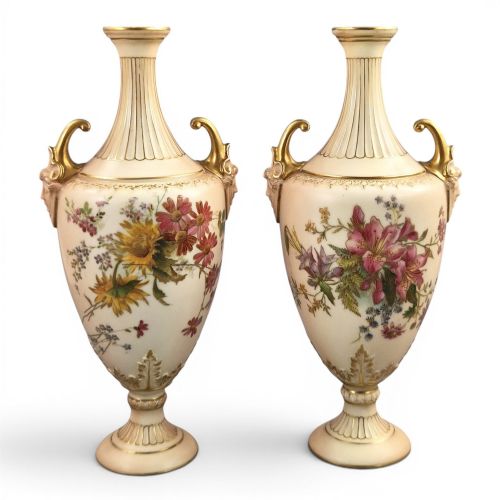
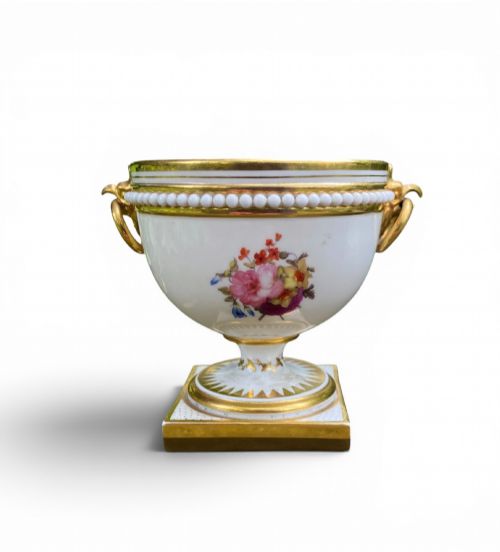
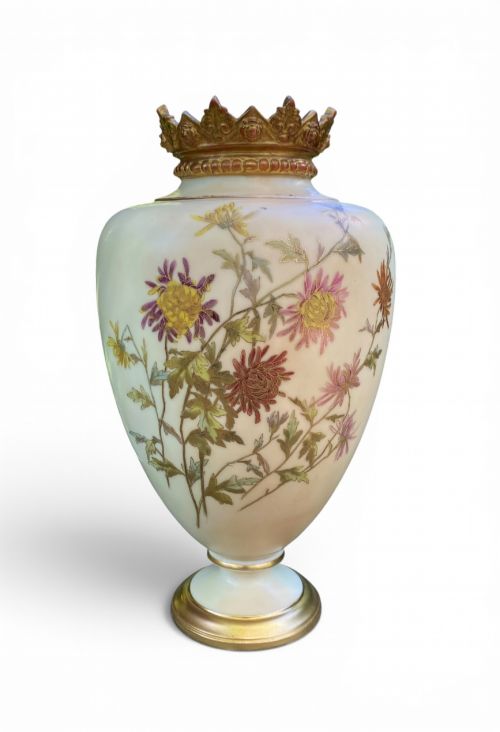
Earlier Georgian and Regency examples sit alongside later Victorian exhibition pieces and Edwardian floral designs.
Materials and Technique
Makers utilised fine bone china and porcelain as the foundational body for hand-painted decoration.
Enamel colours, glaze, and gold leaf or gilding were applied and fired to create detailed surface finishes.
Intricate techniques such as piercing and reticulation are found alongside delicate blush ivory finishes.
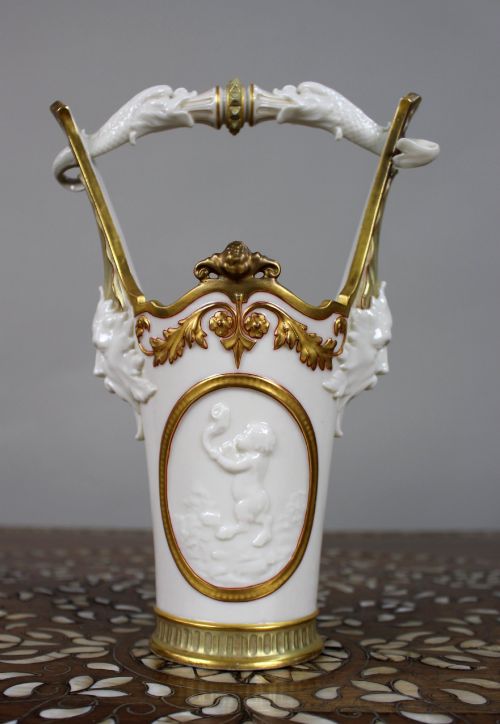
Some vases feature handles shaped like leaping dolphins, proving that even porcelain needed a touch of sea life.
Assessing Quality
Quality depends on the crispness of the porcelain body and the precision of the hand-painted details.
Signed works by known artists and elaborate gilt handles elevate the distinction of individual pieces.
Early Georgian thrown vessels display different technical standards compared to later moulded Edwardian bodies.
Flight Barr And Barr·Royal Worcester·Locke And Co·Grainger Worcester
The Worcester Ceramic Vase Glossary
- Blush ivory
- A soft, matt cream-coloured body finish often associated with late nineteenth and early twentieth-century wares. It mimics the tone of ivory and serves as a background for floral painting.
- Gilding
- The application of gold leaf or powdered gold to ceramic surfaces. This technique highlights handles, rims, and borders.
- Reticulation
- An openwork pattern pierced into the clay body before firing. It creates decorative lattice effects seen on ewers and vases.
- Jardinière
- An ornamental pot designed to hold plants or flowers. These items often match the ceramic style of concurrent vase production.
- Bough pot
- A vessel intended for holding cut branches or flowers. These containers frequently include pierced covers for stem arrangement.
Worcester Ceramic Vase: Frequently Asked Questions
How do I date a worcester ceramic vase?
Dating relies on factory marks stamped or painted on the underside, alongside stylistic indicators like Victorian neo-classical motifs or Edwardian blush ivory finishes.
Comparing the specific shape number and artist signature against known production records helps narrow the exact decade of manufacture.
What is blush ivory porcelain?
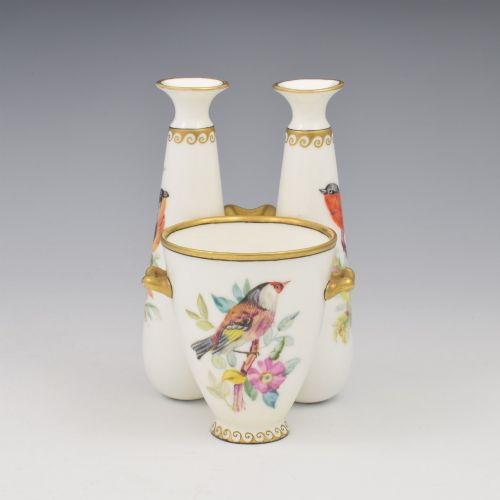
Blush ivory is a specialised soft-toned ceramic finish developed in the late nineteenth century. It provides a warm, matt backdrop for painted floral or bird scenes.
This technique became a signature look for specific factories during the Victorian and Edwardian eras.
How were potpourri jars used?
Potpourri jars and lidded pots held dried scented plant materials to freshen historic rooms. Pierced covers allowed the fragrance to diffuse into the surrounding space.
These ornamental vessels were often displayed prominently on mantelpieces or tables in reception rooms.
Are all pieces marked by the maker?
Most factory productions carry impressed, painted, or printed ciphers on the base. Early Georgian and Regency items sometimes feature script marks or factory initials.
Later pieces frequently include date codes, pattern numbers, and specific artist signatures.