


White Pottery Figurines
White pottery figurines are sculptural ceramics recording animals, historical personalities and rural companions, prized for their expressive domestic charm.
White Pottery Figurines
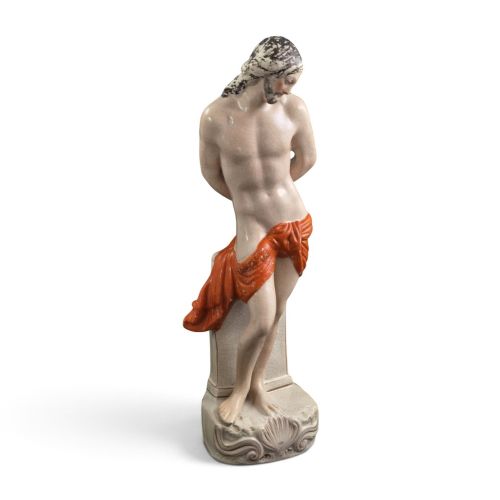
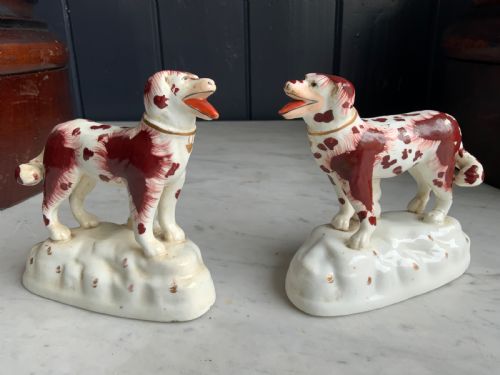
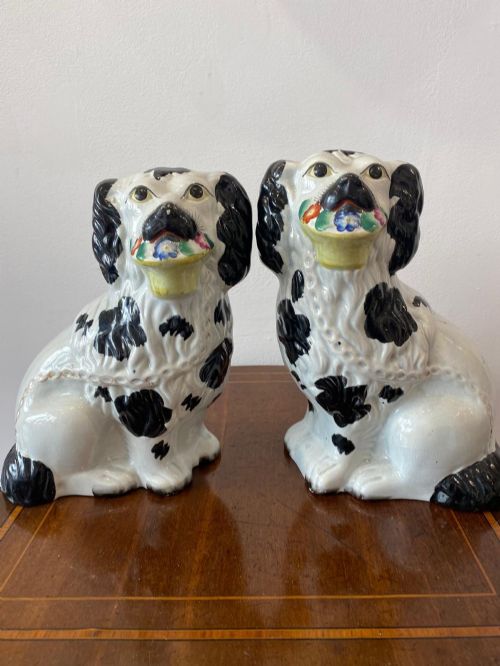
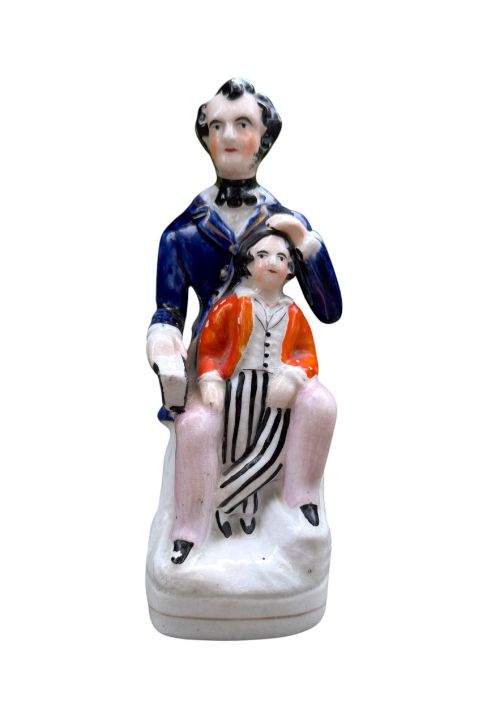
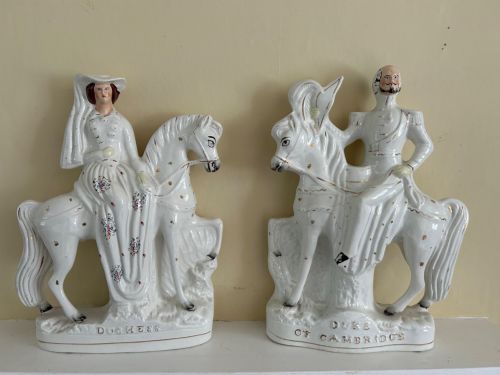
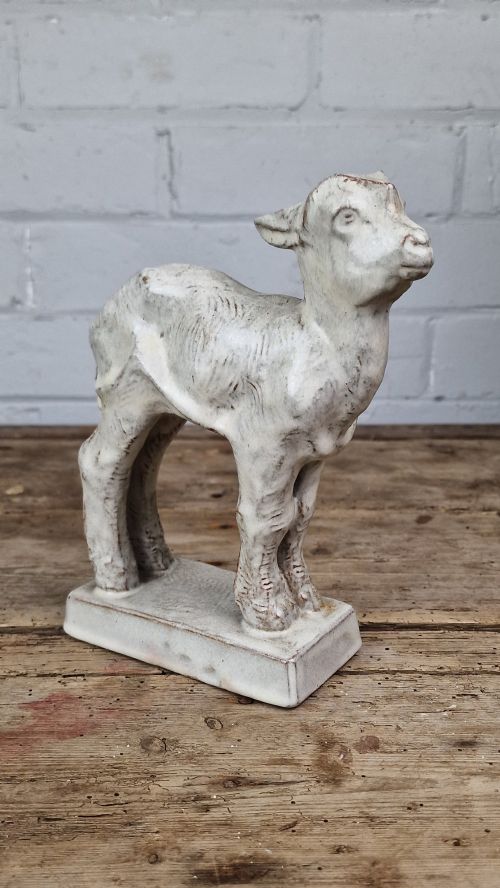
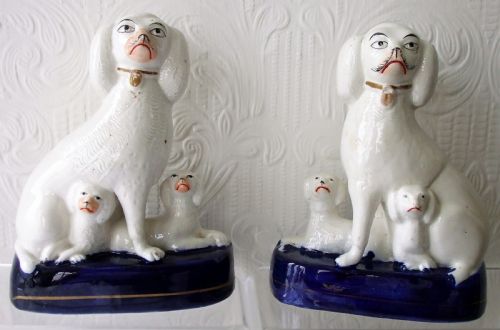
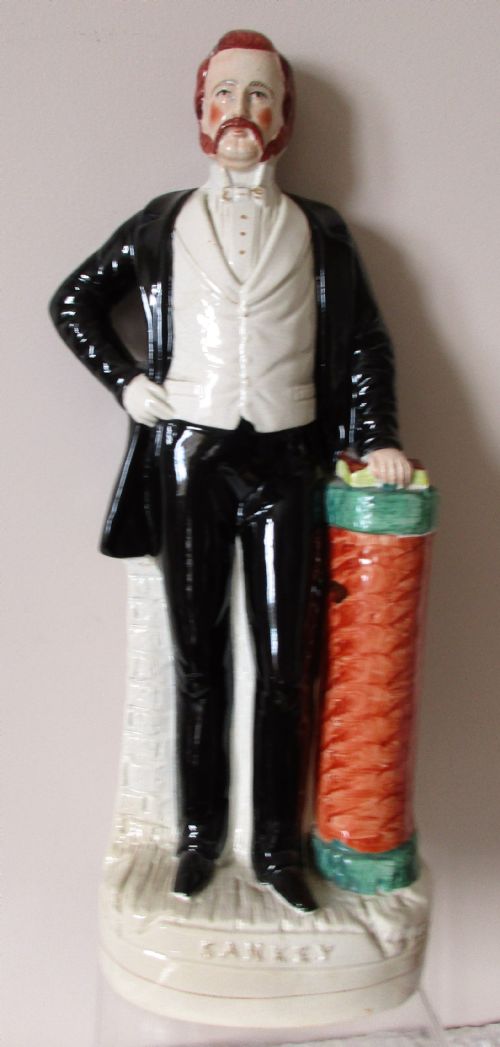
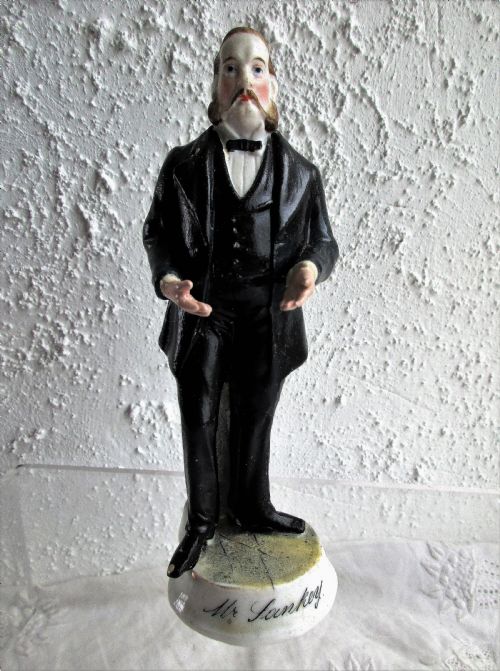
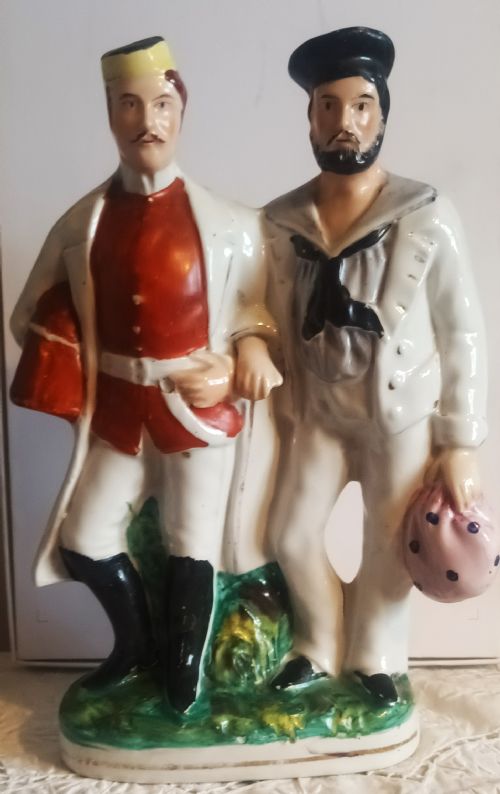
White pottery figurines comprise sculptural forms produced primarily during the nineteenth century, with Staffordshire earthenware examples forming the core of the current selection. These pieces represent animals, notable historical figures, literary subjects and domestic pairs designed for display on mantelpieces.
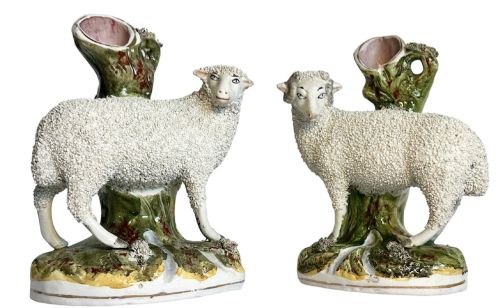
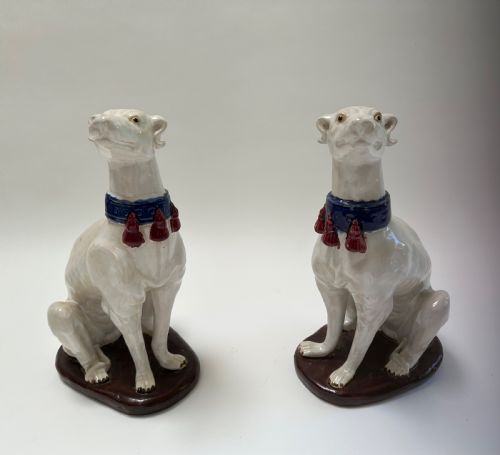
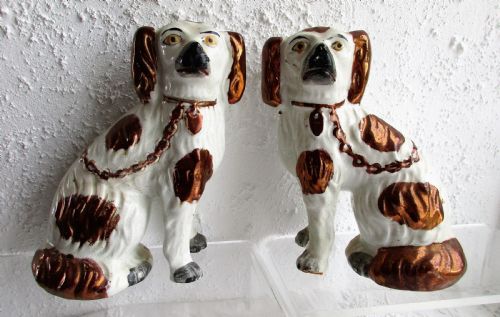
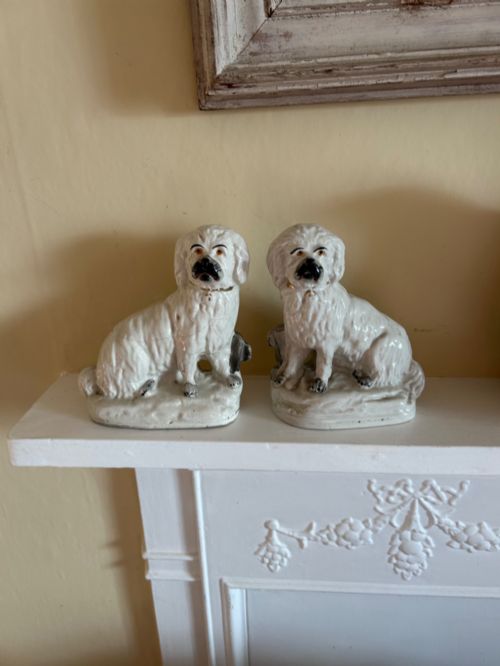
Buyers encounter numerous variations, ranging from seated spaniels and poodles to flatback portrait groups and spill vases. The nineteenth-century pieces dominate the selection, showing both simple modelled earthenware and more elaborate multi-figure compositions.
Originating largely from British potteries alongside continental Dutch Delftware and German Fayence traditions, these figures reflect the popular tastes of Victorian households. Their appeal lies in their direct, unpretentious character and their survival as tangible records of nineteenth-century domestic life.
Materials and manufacturing methods
Surface decoration frequently combines hand-painted enamel colours with blue and white or copper lustre accents. The underlying ceramic material provides a sturdy base for these detailed surface applications.
Listings feature earthenware, ceramic and terracotta materials decorated with glaze, enamel paint and gold leaf.
Judging the quality of figures
Quality separates through the crispness of the moulding and the precision of the hand-painted details upon the ceramic surface. Superior examples display carefully applied enamel colours and distinct facial expressions rather than blurred or hasty brushwork.
The sophistication of the modelling determines the standing of a piece within its category, particularly in portrait groups and animal studies. Pairs that match closely in size, stance and painted detail command greater interest than mismatched survivors.
Thomas Parr
The White Pottery Figurines Glossary
- Flatback
- A figurine designed with a finished front and a plain, unmodelled flat reverse intended to stand flush against a wall or mantelpiece. This construction method saved time and materials during production.
- Spill vase
- A hollow figurine incorporating an attached vertical cylinder designed to hold wooden spills used for lighting fires or pipes. These dual-purpose objects combine decorative sculpture with practical utility.
- Earthenware
- A porous, non-vitreous pottery body fired at lower temperatures and coated with a glaze to ensure it holds water. It serves as the primary material for nineteenth-century Staffordshire figures.
- Lead glaze
- A glossy coating containing lead oxide applied to pottery before firing to create a smooth, waterproof surface. It enhances the brightness of underlying enamel paints.
White Pottery Figurines: Frequently Asked Questions
What are white pottery figurines?
White pottery figurines are moulded ceramic sculptures representing animals, people and domestic scenes produced mainly during the nineteenth century. They served as ornamental objects for mantels and shelves in Victorian homes.
These pieces capture popular culture, historical events and everyday companions through stylised forms and hand-painted details.
Where were these figures made?
The majority originate from British potteries, particularly Staffordshire, while others derive from Dutch and continental European traditions. Regional workshops produced distinct styles ranging from earthenware dogs to Delft earthenware.
Production centres utilised local clay resources and established moulding techniques to supply domestic and export markets.
How do I display them?
Flatback figurines sit securely against walls or the back edges of mantelpieces due to their unadorned rear surfaces. Pairs of dogs or animal figures look best arranged symmetrically.
Keep them away from direct sunlight and dust them gently with a soft dry cloth to preserve the enamel paint and gilt highlights.
How do I tell periods apart?
Stylistic indicators such as flatback construction, polychrome enamel palettes and specific subject matter point towards nineteenth-century Victorian production. Earlier pieces often feature simpler glazes and distinct modelling conventions.
Examining the base and the condition of the ceramic body helps identify the manufacturing era and regional origin.