


White Ceramic Figures
White ceramic figures bring character to a room through modelled porcelain and earthenware forms shaped across the eighteenth and nineteenth centuries.
White Ceramic Figures
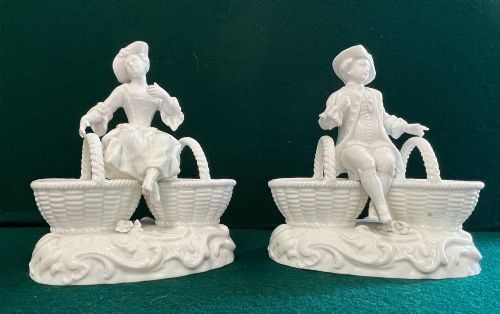
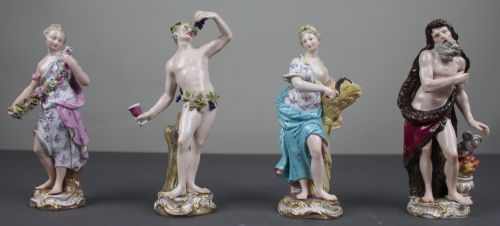
White ceramic figures encompass sculpted figurines, groups, and decorative vessels modelled in porcelain, earthenware, and parian across Georgian, Victorian, and later periods.
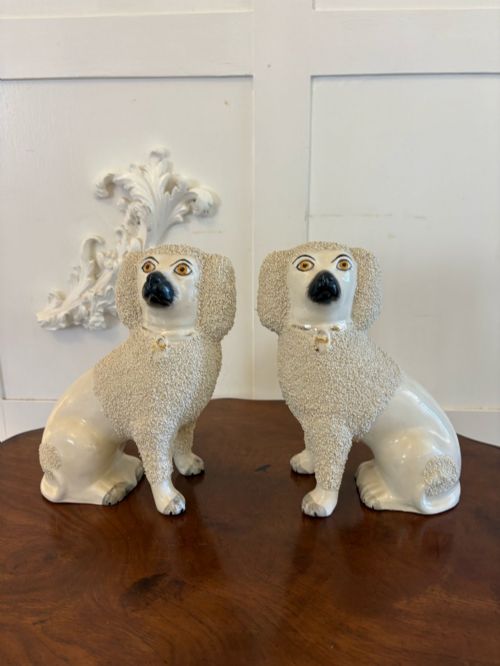
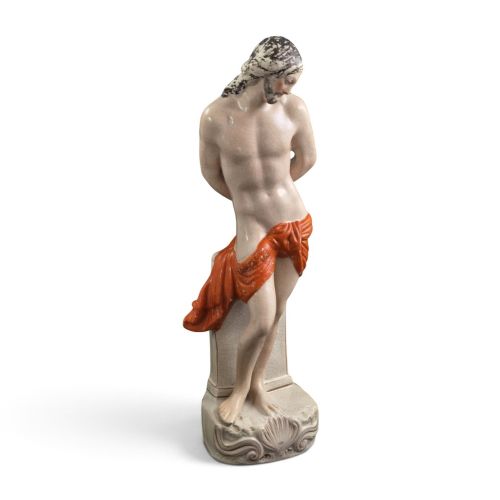
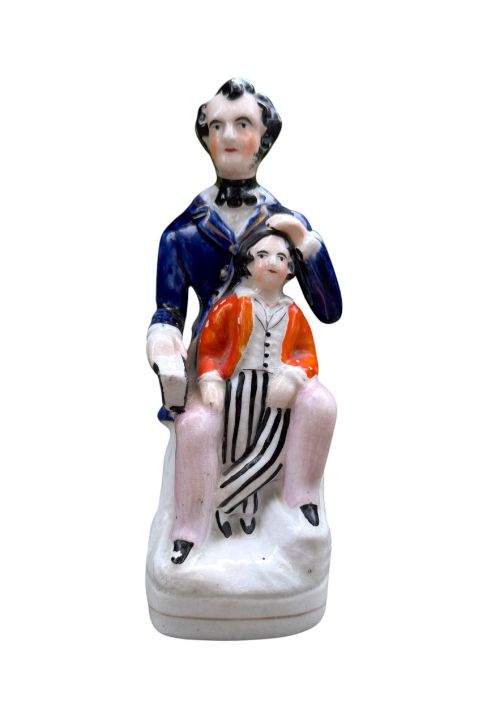
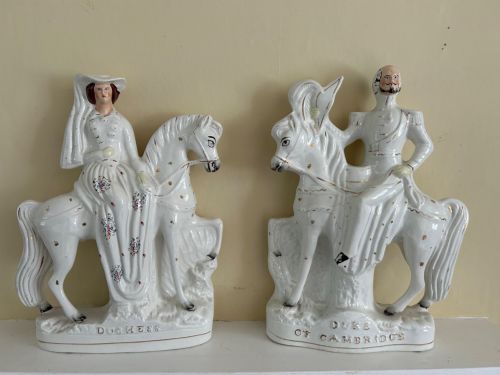
The version most commonly met on this page is the nineteenth-century Staffordshire earthenware figure or pair, often rendered as domestic animals, historical portrait subjects, or allegorical groups.
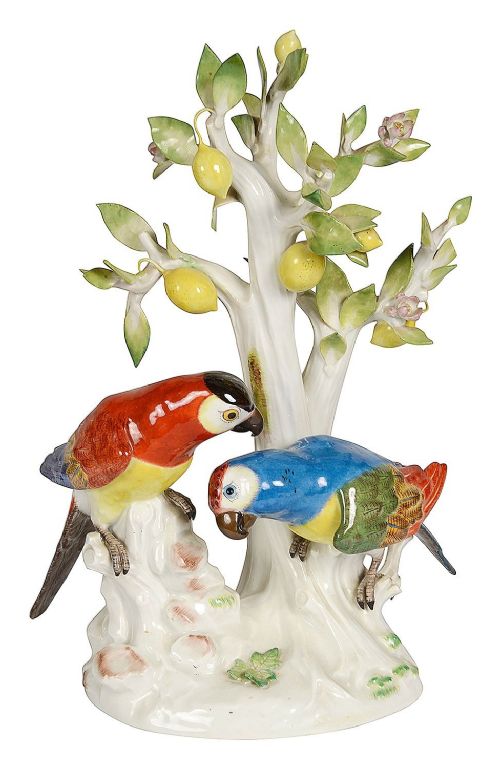
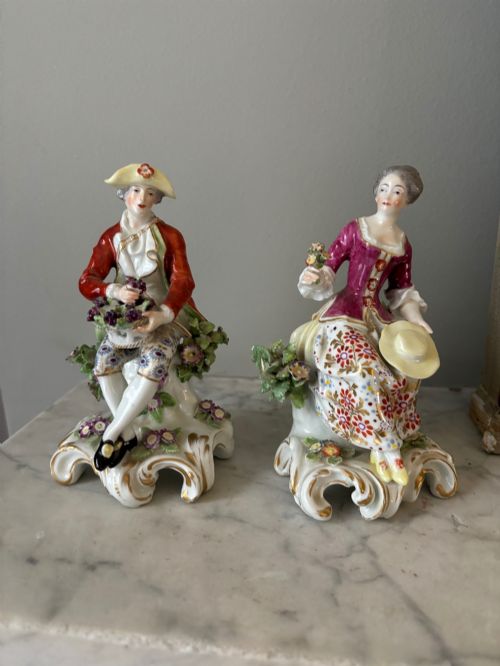
Beyond earthenware, collectors frequently encounter eighteenth-century hard-paste and soft-paste porcelain models, alongside later continental figures and parian studies spanning neo-classical and art deco styles.
Materials and manufacture
Makers shaped these pieces using soft-paste and hard-paste porcelain, earthenware, terracotta, and parian, applying lead or tin glazes and occasional enamel decoration or gold leaf accents.
Figurines were cast from moulds or hand-modelled, then fired at high temperatures before receiving glaze layers or remaining in an unglazed biscuit state to accentuate the modelled detail.
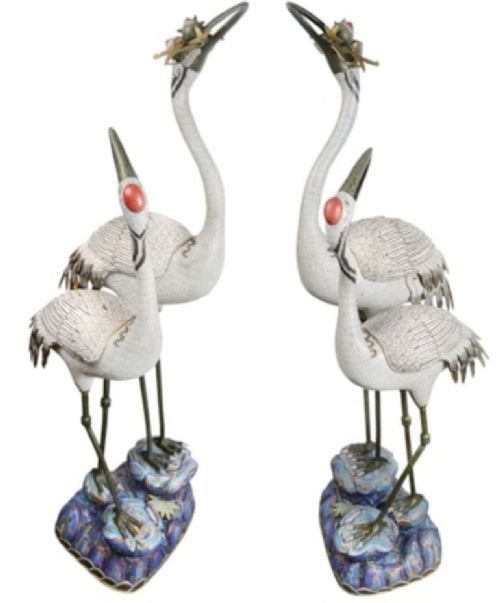
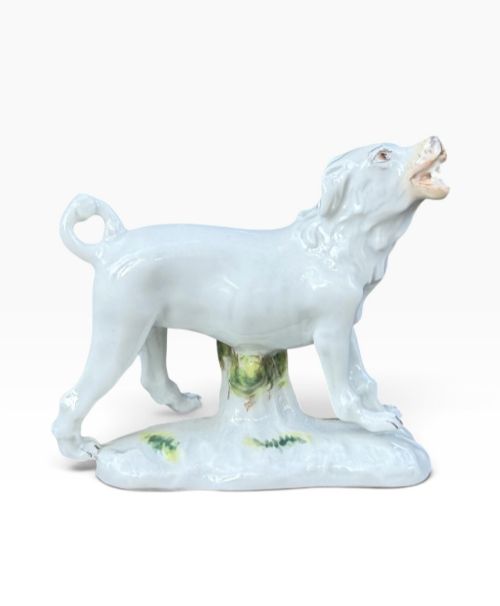
Among the menagerie of white ceramic poodles, spaniels, and leopards, watchful owls sit quietly ready to illuminate rooms as oil lamps.
Factors determining quality
The application of glaze and enamel paint distinguishes workshop output, separating pieces with carefully painted details from those with hurried, mass-produced decoration.
Meissen·Edmé Samson·Sitzendorf·Derby·Bow·Royal Worcester·Minton·Copeland
The White Ceramic Figures Glossary
- Biscuit
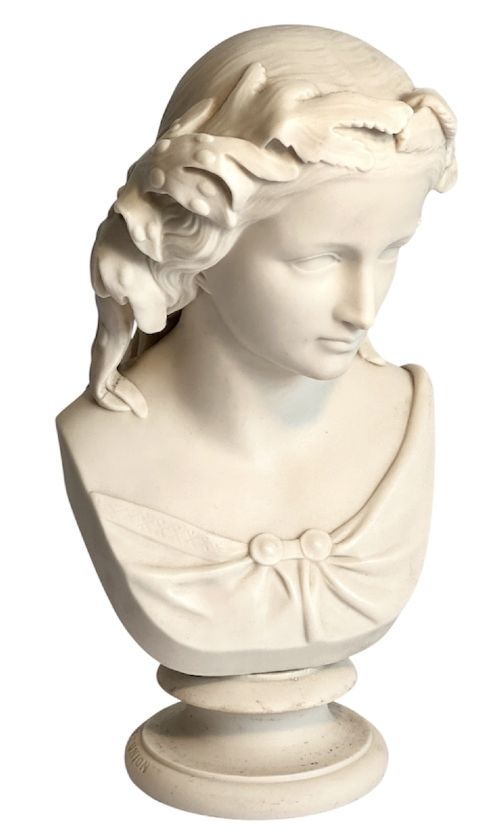
- Unglazed fired porcelain or pottery that presents a matte, marble-like surface texture. This finish allows sculptural details and fine modelling to remain crisp without the softening effect of a glossy glaze layer.
- Parian ware
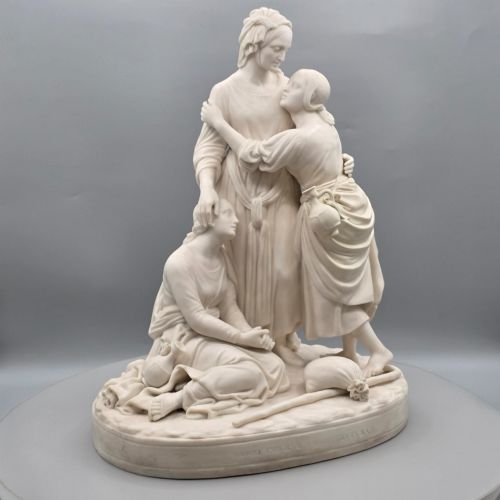
- A fine-grained unglazed white porcelain developed in the nineteenth century to imitate carved marble. It was frequently utilised for classical busts and literary figures.
- Staffordshire flatback
- An earthenware figure modelled primarily for display on mantelpieces, featuring a detailed front and a flat, unpainted back designed to stand against a wall.
- Hard-paste porcelain
- A dense, durable ceramic composed of kaolin and petuntse, fired at high temperatures. It yields a bright white body that resists scratching and absorbs little moisture.
White Ceramic Figures: Frequently Asked Questions
What are white ceramic figures?
White ceramic figures are three-dimensional sculptural objects modelled from materials such as earthenware, porcelain, and parian. They depict human subjects, animals, and allegorical scenes across various historical periods.
These pieces were produced primarily for decorative display on mantelpieces, side tables, and shelves in domestic interiors.
How were they used historically?
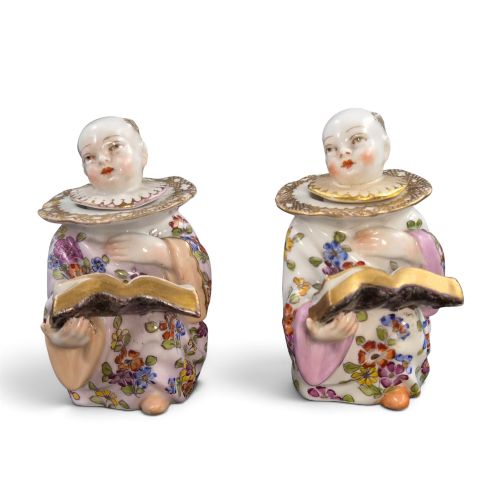
Historically, these figures served as decorative ornaments intended to display taste, commemorate public figures, or moralise through allegorical themes. Some specialised pieces, such as figural inkwells or oil lamps, combined sculptural form with functional utility.
Pairs of animals or portrait figures were frequently arranged symmetrically on mantelpieces within nineteenth-century homes.
How do I care for ceramic figures?
Care involves gentle dusting with a soft, dry brush to prevent dirt accumulation within recessed modelled details. Avoid using liquid cleaners, which can damage unglazed surfaces like biscuit porcelain or flake delicate enamel decorations.
Display these pieces away from direct sunlight and areas subject to sudden temperature shifts to protect the ceramic body and glaze.
How do I distinguish periods?
Distinguishing periods relies on observing the ceramic body, glaze characteristics, and stylistic traits such as Georgian neoclassical restraint or Victorian sentimental modelling. Eighteenth-century pieces often employ soft-paste porcelain or early hard-paste bodies, while nineteenth-century Staffordshire works utilise heavier earthenware.
Base marks, where present, provide further chronological clues through factory stamps and impressed numbers.