


Vintage Wooden Mantel Clock
A vintage wooden mantel clock anchors a room with mechanical character, offering rich timber cases and dependable movement for the collector.
Vintage Wooden Mantel Clock
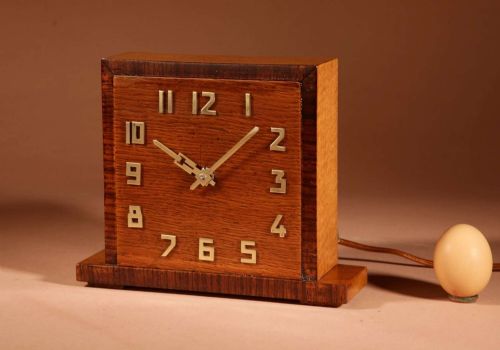
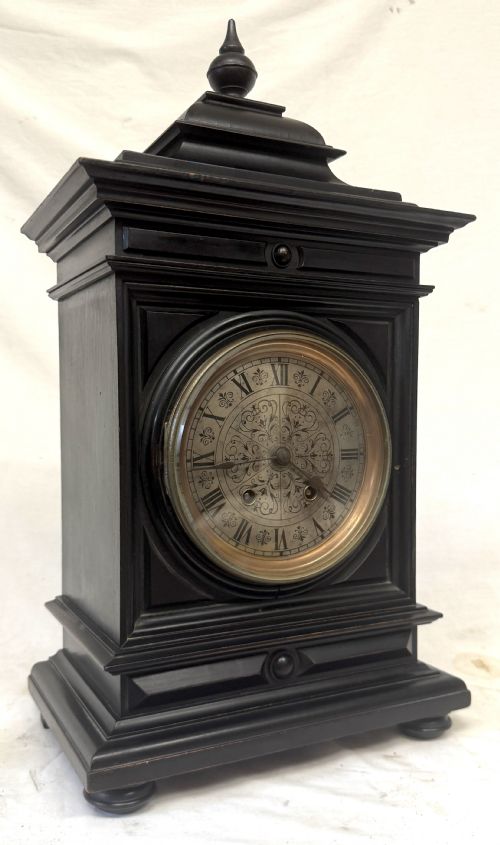
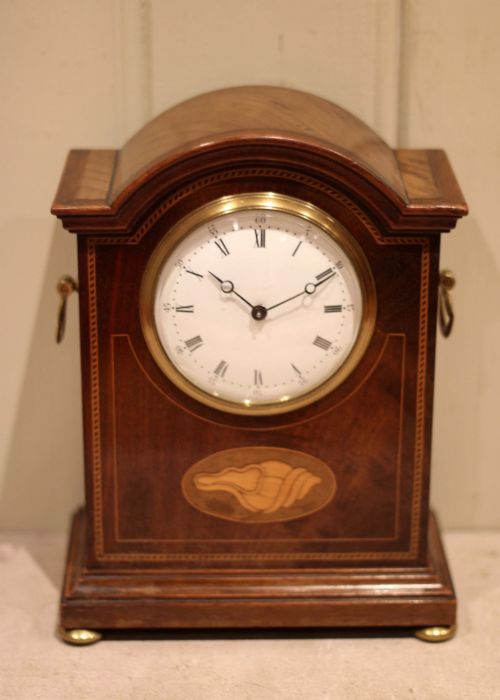
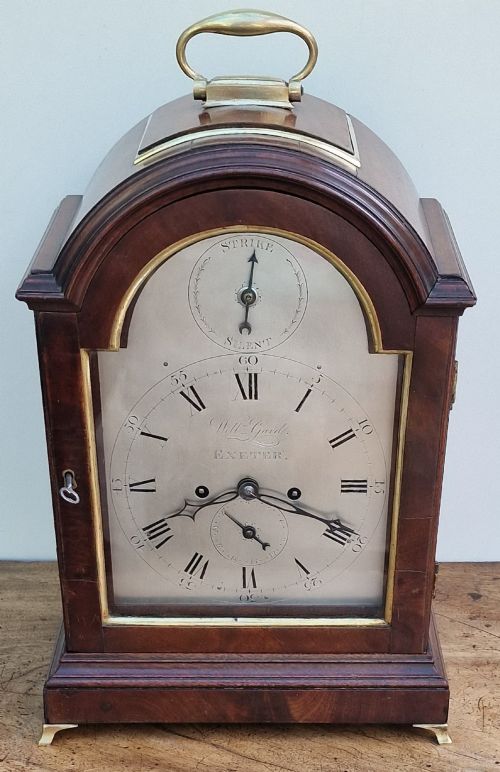
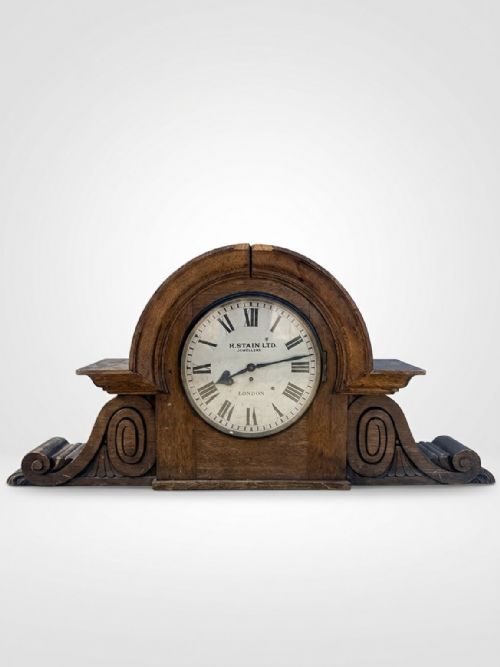
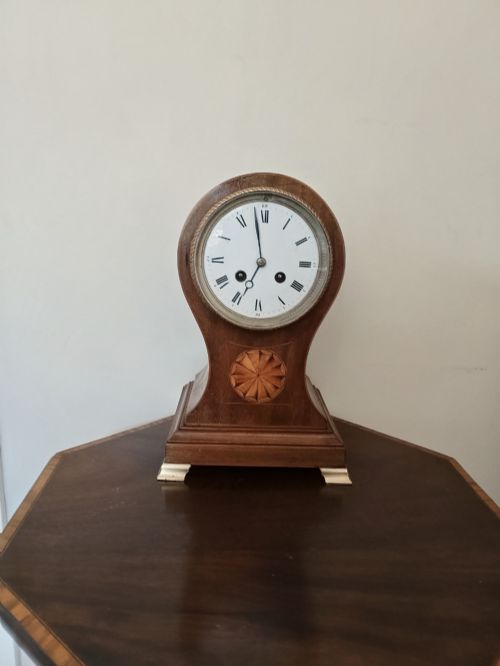
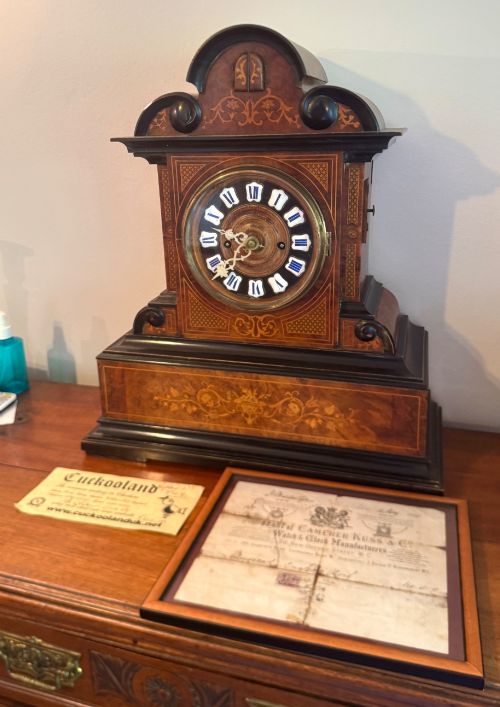
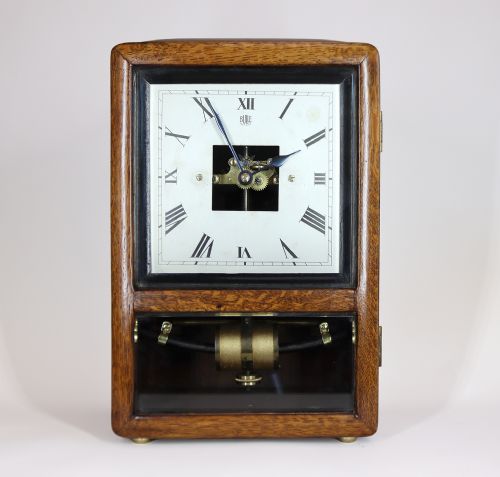
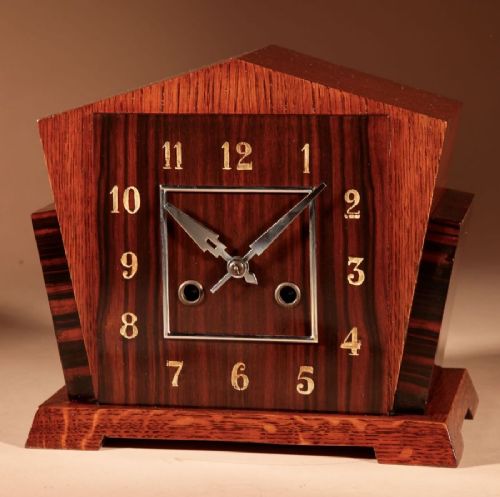
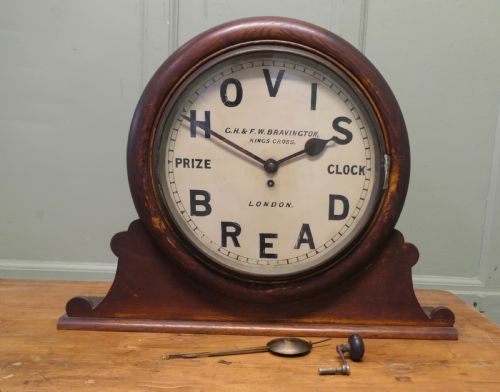
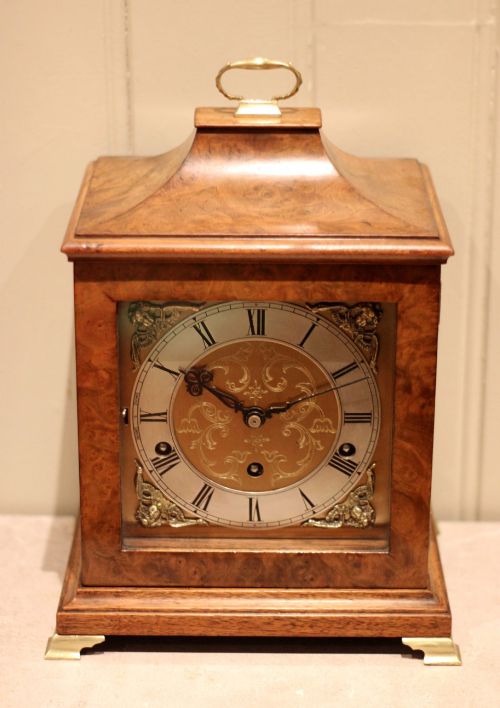
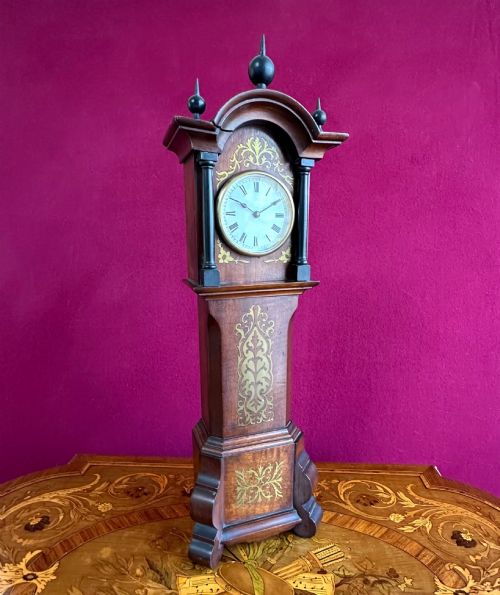
A vintage wooden mantel clock spans several distinct periods, with Edwardian, Art Deco, and early twentieth-century examples appearing frequently on this page. These timepieces take the form of bracket clocks, architectural clock cases, and table clocks designed to sit steadily on a shelf or sideboard. Makers fashioned them in various regional styles, ranging from English mahogany designs to continental walnut and oak pieces.

Materials and construction
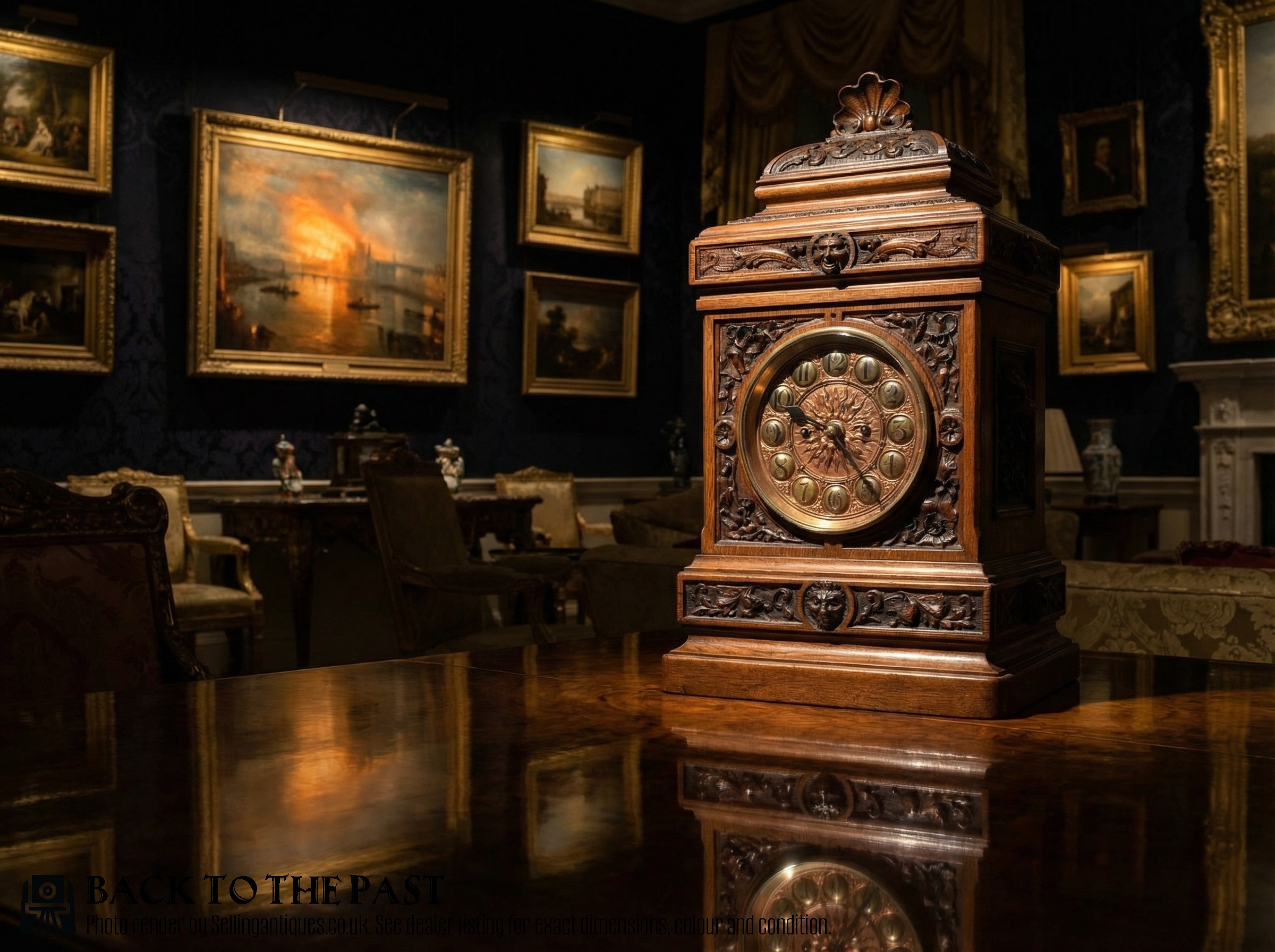
Movements rely on mechanical gear trains driven by springs or weights, housed securely within fitted wooden chassis. Woodworkers shaped architectural fretwork, carved brackets, and shaped portico frames by hand or with period workshop machinery, uniting cabinetmaking with horology.
Vintage Wooden Mantel Clock Retail Price Guide 2026
Typical asking prices for vintage wooden mantel clock among the pieces listed under this phrase on Sellingantiques today, from the lower quarter to the upper quarter. They describe what is for sale here now, not the wider market.
Black Forest cuckoo clocks bring the cheerful sound of chirping wooden birds directly onto the nineteenth-century mantelpiece.
Assessing quality in timber timepieces
Quality rests in the harmony between the cabinetmaker's joinery and the horologist's movement. Superior examples exhibit finely figured timber veneers, precise marquetry inlay, and robust brass movements signed by notable makers, whereas simpler pieces rely on plain housings and standard mass-produced mechanisms.
The crispness of architectural fretwork, the weight of the timber case, and the complexity of the striking or chiming mechanism distinguish finer bracket clocks from basic timepieces. Original dials, well-preserved glass panels, and harmonious proportions elevate a clock from a utilitarian timekeeper to a work of decorative art.
H.A.C.·Lenzkirch·Mappin & Webb·Walker and Hall·Winterhalder·Haller·Elliott
The Vintage Wooden Mantel Clock Glossary
- Bracket clock
- A portable table or shelf clock originally designed to sit upon a wall bracket. These pieces often feature elaborate wooden cases and sophisticated striking movements.
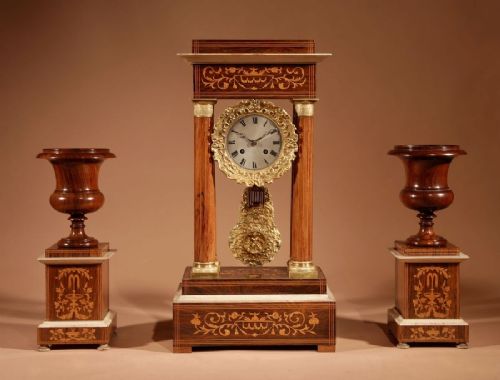
- Portico clock
- A monumental clock style featuring columns supporting a pediment, popular in nineteenth-century French design. They frequently utilise mahogany or exotic wood veneers.
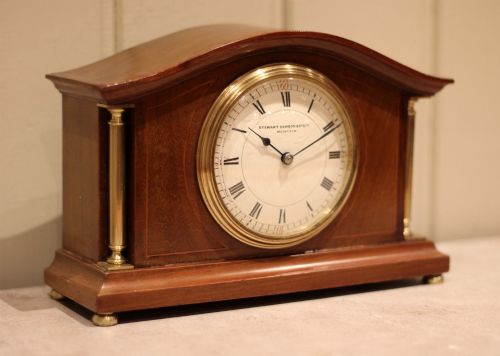
- Timepiece
- A clock that indicates the time without possessing a striking or chiming mechanism. These simpler movements often feature in Edwardian mahogany desk and mantel clocks.
- Marquetry
- The art of applying small pieces of veneer to a wooden structure to form decorative patterns. Craftsmen utilised contrasting timbers like ebony, rosewood, and mahogany to create geometric or floral scenes.
- Silvered dial
- A metal clock face treated with a silver compound to produce a matte, reflective finish. Engraved numerals and markers stand out clearly against this pale surface.
Vintage Wooden Mantel Clock: Frequently Asked Questions
Where should I place a wooden mantel clock?
Position the clock on a stable, level surface away from direct sunlight, draughts, and sudden temperature fluctuations. Wood cases and vintage timber veneers react poorly to extreme environmental shifts.
A mantel or sideboard in a quiet room suits these clocks best, allowing the mechanical ticking and chimes to resonate without interference.
How do I tell an Edwardian clock from a Georgian one?
Examine the timber grain, inlay style, and case proportions for period clues. Georgian pieces often display heavy mahogany construction with understated classical lines, whereas Edwardian models frequently feature lighter inlaid mahogany cabinets and softer satinwood stringing.
The lettering on the dial and the style of the brass feet also provide clear indicators of manufacturing era.
What is the difference between a timepiece and a striking clock?
A timepiece simply tells the time using a gear train and escapement without sounding the hours. These are generally simpler in mechanical design and require fewer internal components.
A striking clock includes an additional gear train and hammer mechanism that sounds on the hour or quarter-hour, utilising bells, gongs, or chimes.