


1920s Mantel Clock
A 1920s mantel clock brings striking geometric presence to a room, driven by early electrical movements or classic mechanical designs.
What 1920s mantel clocks are
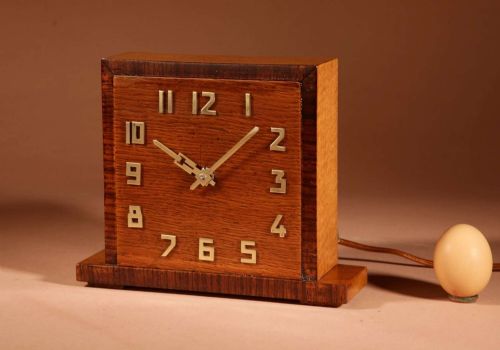
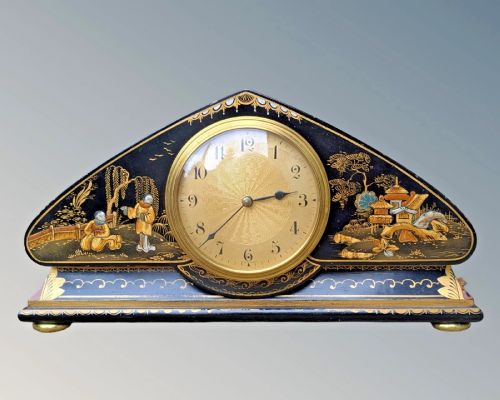
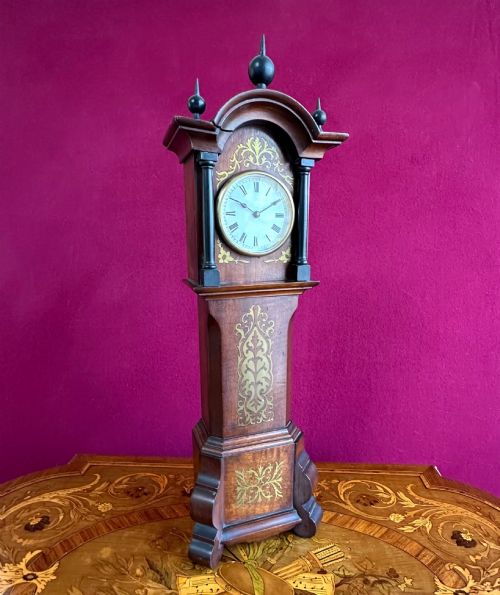
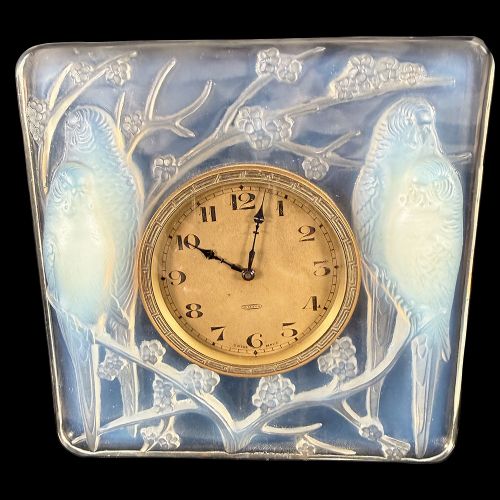
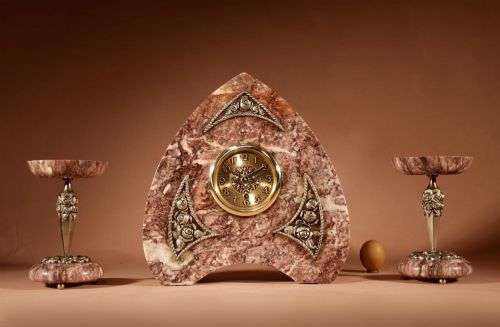
When you search for a 1920s mantel clock, you find striking timepieces defined by the bold geometry of the Art Deco and Amsterdam School styles. These pieces sit squarely on a shelf or mantel, serving both a practical and a decorative purpose in the interior.
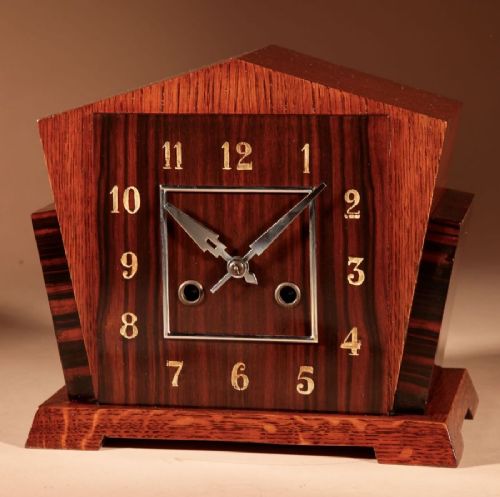
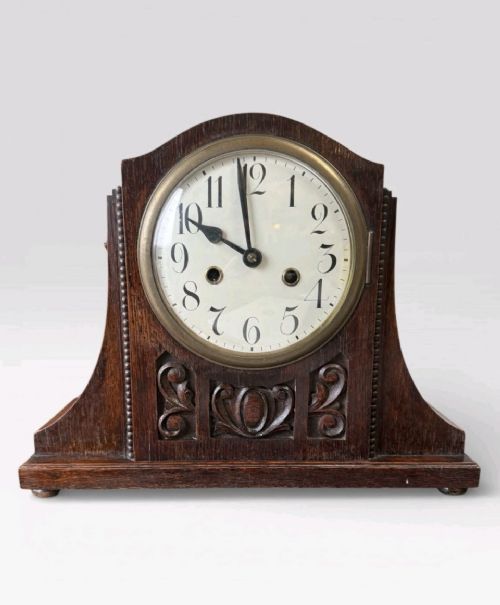
On this page, you are most likely to meet examples from the 1920 period featuring architectural wooden cases. The designs incorporate distinct regional interpretations, particularly the heavy, characterful styling of the Amsterdam School.
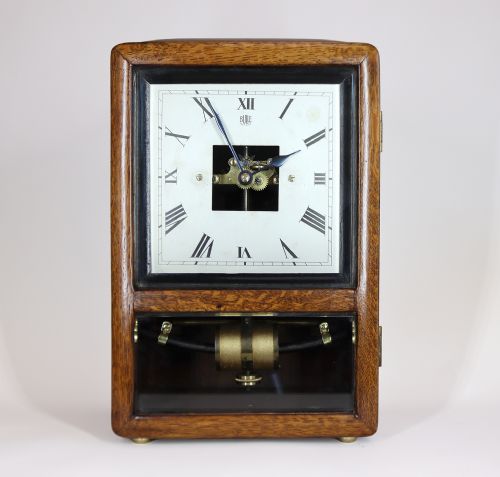
The forms range from early electrical configurations to traditional setups housed within substantial timber frames. Each piece reflects the progressive design language of the era, moving away from Victorian excess toward clean, modernist lines.
How they were made
The construction of these clocks relies on solid timbers and striking veneers. Makers utilised oak as a sturdy structural base, pairing it with decorative surfaces of rosewood and macassar ebony.
Metal and brass components provide functional contrast and structural detail within the wooden cases. Early electrical mechanisms sit alongside traditional joinery, marking a period of technical transition in horology.
Some early electrical models from this era still tick with the cautious optimism of a household discovering wall sockets.
What varies in quality
The distinction between standard examples and the finest pieces lies in the selection and application of exotic veneers. Rich grains of macassar ebony and rosewood elevated simple oak carcases into high-status decorative objects.
Integration of movement technology also separates the range, where early electrical systems represent a more ambitious technical undertaking than standard spring-driven alternatives.
The 1920s Mantel Clock Glossary
- Amsterdam School
- A style of architecture and applied art originating in the Netherlands, known for expressive brickwork, traditional craft, and distinctive rounded wooden forms. It heavily influenced European design during the early twentieth century.
- Macassar Ebony
- A dense, heavily figured tropical hardwood featuring dark brown and black stripes with warm yellowish-brown undertones. It was frequently used for high-end decorative veneering.
- Rosewood
- A heavy, durable timber prized for its deep reddish-brown colour and pronounced dark grain patterns. It provides a luxurious finish when polished and treated.
Frequently Asked Questions
How do 1920s mantel clocks work?
These clocks operate using either traditional mechanical movements or early electrical systems. The internal mechanism drives the hands while being securely housed within a substantial wooden case.
The inclusion of early electrical components marks a significant technological shift during this decade, offering an alternative to standard wound springs.
Where should I place a mantel clock?
A mantel clock is traditionally designed to sit on the flat surface of a mantelpiece above a fireplace. Their balanced proportions also suit sideboards, bookshelves, and desks.
Because these pieces feature detailed wooden cases and exposed metal accents, placing them away from direct heat sources helps preserve the materials.
What materials are used?
The primary structure of these clocks is typically built from oak, providing a stable and durable carcase. Decorative surfaces are enhanced through the use of exotic veneers like rosewood and macassar ebony.
Brass and other metals are incorporated into dials, bezels, and internal workings to provide functional contrast against the dark timber.
What is Amsterdam School style?
The Amsterdam School is an architectural and design movement from the early twentieth century that emphasises expressive forms and traditional craftsmanship. In clock cases, this translates to bold, sculptural woodwork.
Pieces from this movement often display a distinct Dutch character that separates them from standard geometric Art Deco designs.