
Vintage Walnut Side Table
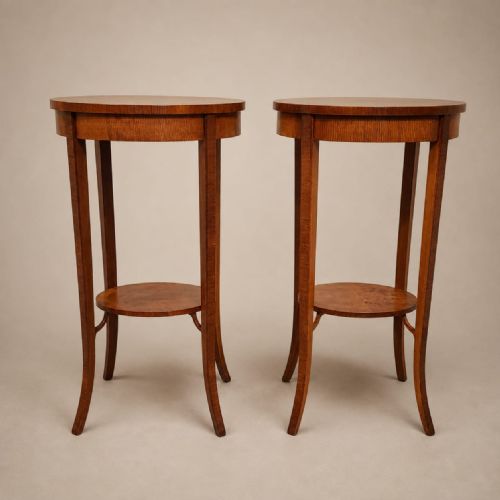
A vintage walnut side table brings warmth and rich grain to a room, offering practical surface space in a compact footprint.
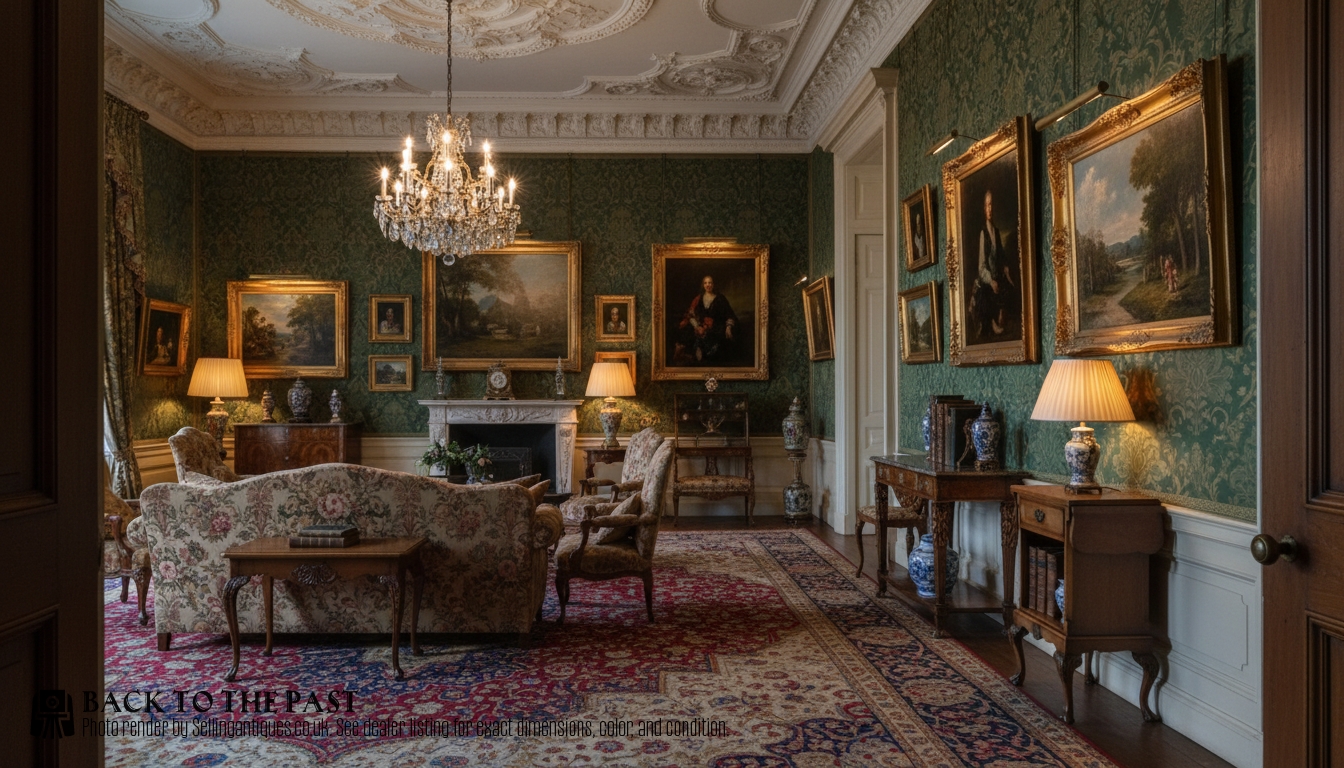
Vintage Walnut Side Table
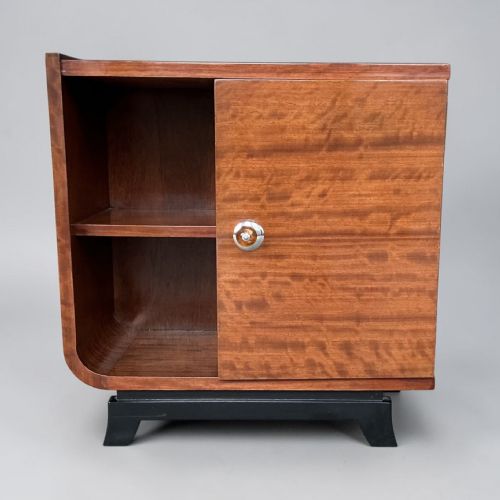
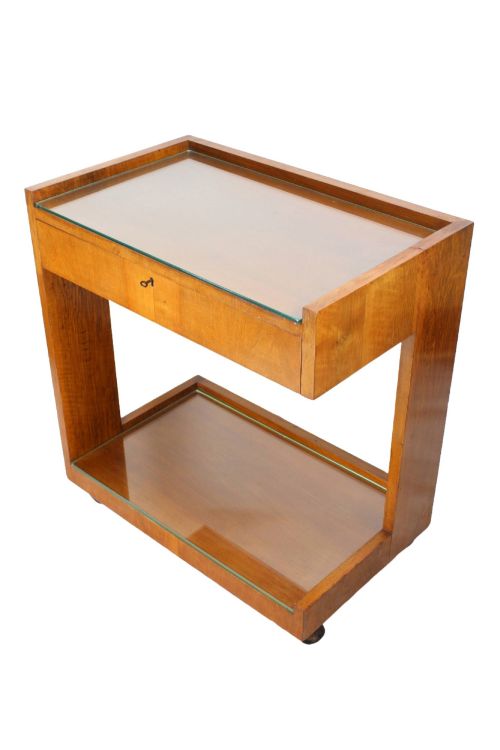
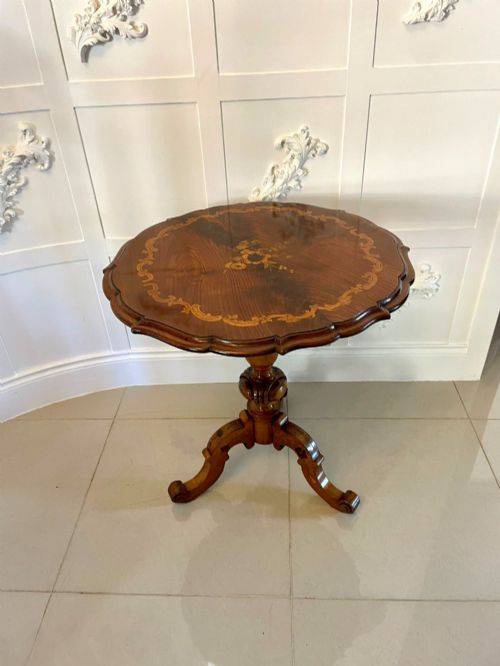
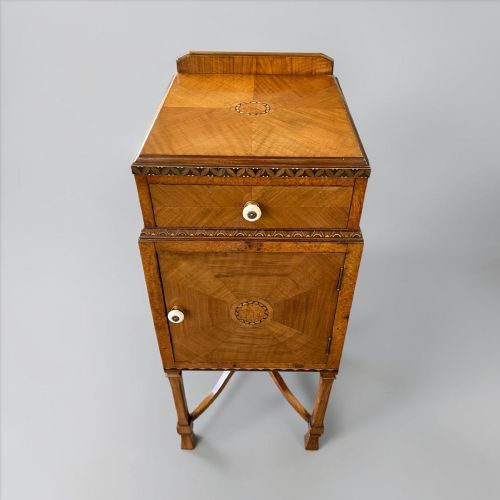
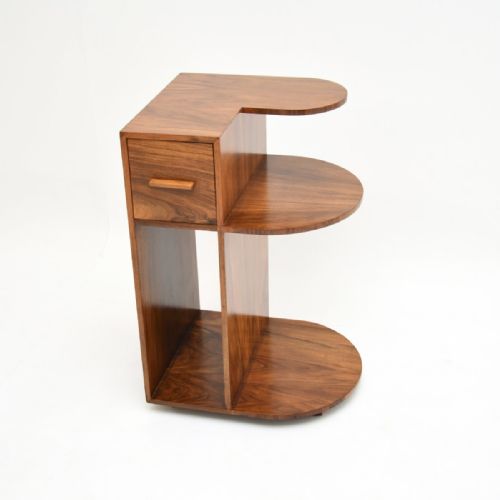
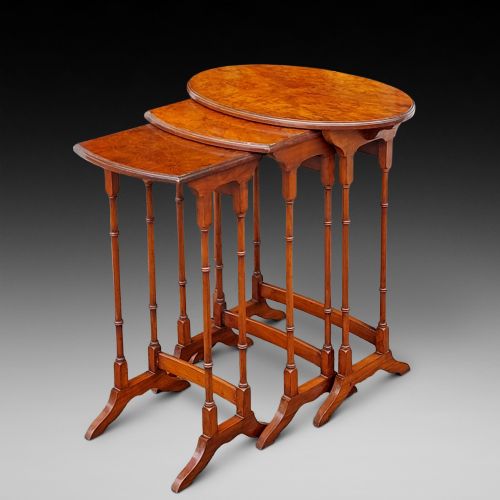
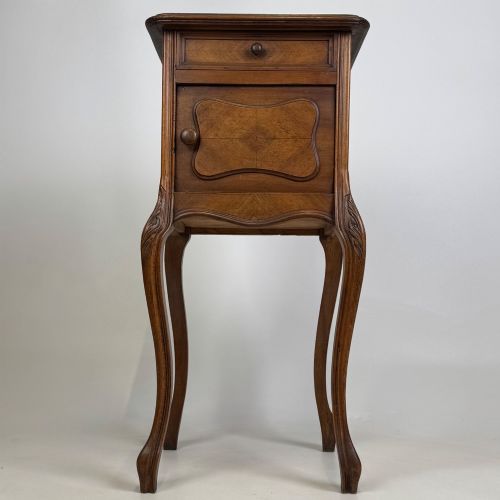
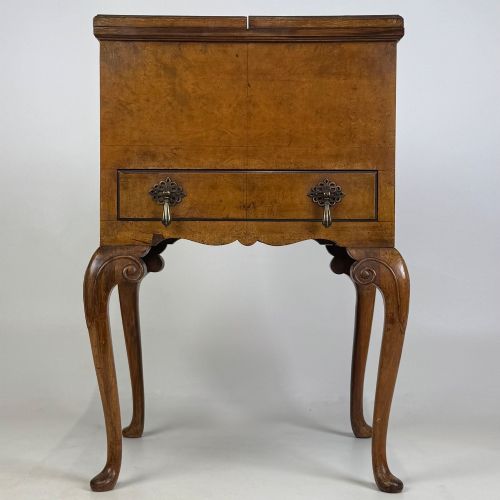
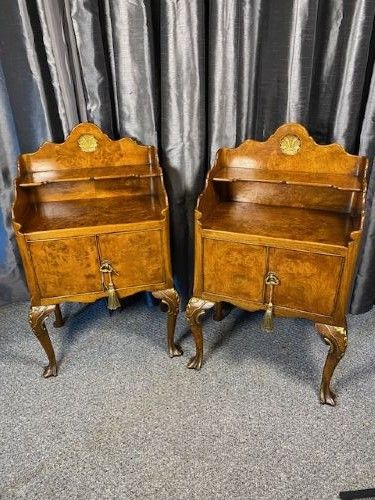
A vintage walnut side table encompasses a variety of compact occasional furniture, from Art Deco designs to Victorian lamp tables and Edwardian nests. Buyers seeking a vintage walnut side table will encounter forms designed for specific domestic tasks, including bedside cabinets, lowboys, and coffee tables. These pieces span multiple decades and stylistic revivals, reflecting how makers adapted walnut timber for smaller household surfaces over time.
The assortment on this page draws heavily on early twentieth-century production alongside nineteenth-century examples and eighteenth-century revivals. Side tables and occasional tables dominate the offerings, frequently featuring figured walnut veneers or marquetry inlay. Many pieces originate from British and French workshops, showing distinct regional preferences in leg shape and surface decoration.
Materials and construction
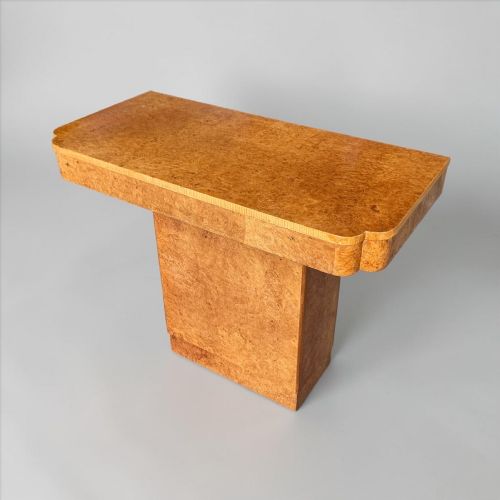
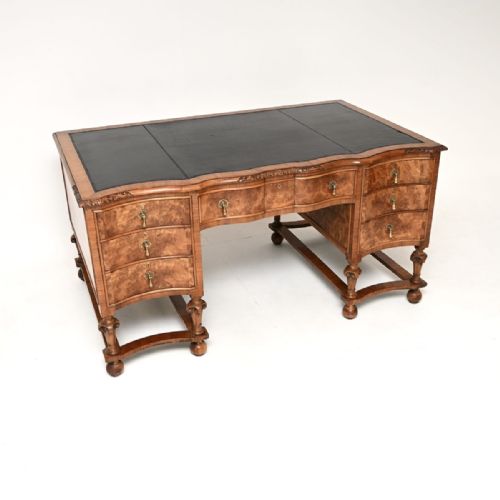
Makers utilised solid walnut and walnut veneer, frequently selecting burr walnut to create striking, highly figured grain patterns across table tops. Veneers allowed craftsmen to display symmetrical swirls and patterns that solid timber rarely yielded in single boards.
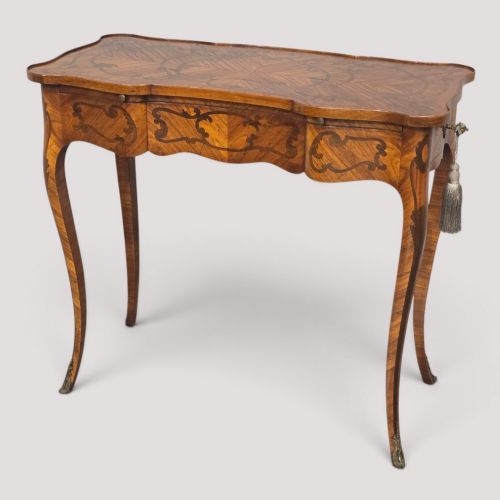
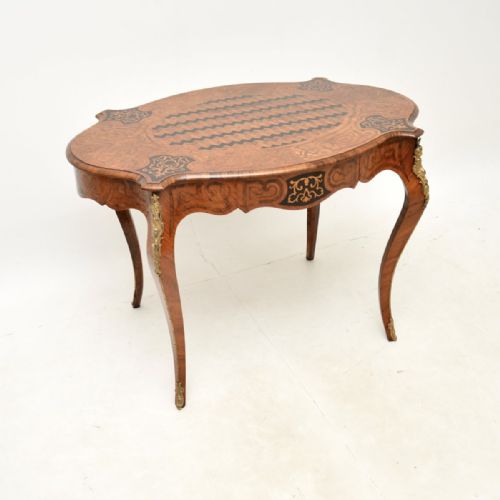
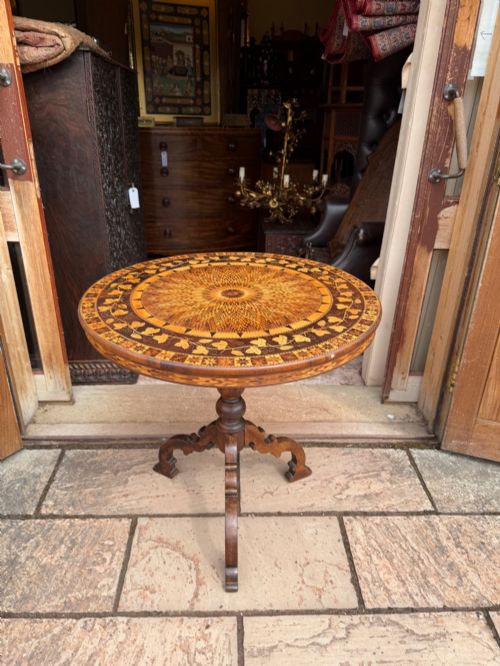
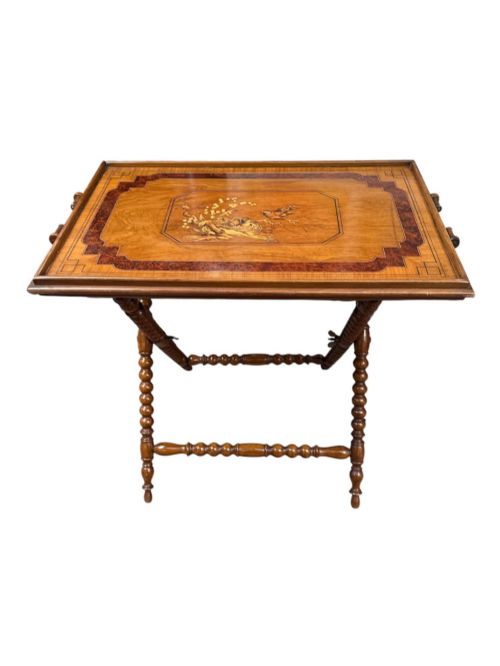
Secondary structural elements incorporate mahogany and ebonised wood, while surface details often rely on brass hardware, leather inserts, or inset marble slabs. Marquetry inlay appears on several pieces, introducing contrasting woods to form geometric or floral motifs.
Vintage Walnut Side Table Retail Price Guide 2026
Typical asking prices for vintage walnut side table among the pieces listed under this phrase on Sellingantiques today, from the lower quarter to the upper quarter. They describe what is for sale here now, not the wider market.
Some nineteenth-century tables hide folding chess boards within their tops, ready for an impromptu parlour game.
Assessing craftsmanship
Quality rests significantly on the selection and matching of the veneer, where book-matched burr walnut creates a balanced, mirror-image pattern across the surface. Finer examples display meticulous attention to edge banding and joinery that remains tight and stable through decades of use.
The depth of hand-applied polish and the crispness of inlaid marquetry separate standard production from exceptional pieces. Superior items maintain integrity in their structural supports, whether turned pedestals, cabriole legs, or multi-tiered frames.
Maple and Co
The Vintage Walnut Side Table Glossary
- Lowboy
- A small oak or walnut table with drawers, resembling the lower half of a tallboy chest. These versatile items functioned as dressing tables or side tables.
- Marquetry
- The art of applying small pieces of veneer to a structure to form decorative patterns or pictures. Craftsmen used various coloured woods to create contrast.
- Sutherland table
- A narrow drop-leaf table where the leaves drop almost vertically when folded down. It stands on pivoted gate legs and saves considerable floor space.
- Book-matching
- A technique where adjacent slices of veneer are opened like a page to mirror each other. This creates symmetrical patterns across a table top.
Vintage Walnut Side Table: Frequently Asked Questions
How do I date a vintage walnut table?
Dating relies on identifying stylistic markers, construction methods, and timber types specific to periods like Art Deco or the Victorian era. Examining the secondary woods beneath or inside drawers also provides clues to the manufacturing decade.
Cabinet makers altered leg profiles, handle styles, and veneer thicknesses as fashions changed from the nineteenth century into the twentieth. Comparing a piece to documented examples from similar workshops helps narrow down its production era.
Where should I place a side table?
These compact tables fit easily beside armchairs, sofas, or beds, providing a convenient surface for lamps and books. Their modest scale allows them to function in hallways or as small freestanding display pieces.
Because walnut finishes are sensitive to direct heat and strong sunlight, positioning the table away from radiators and south-facing windows preserves the wood and veneer.
What is the difference between solid walnut and veneer?
Solid walnut uses thick pieces of timber throughout the structure of the table, offering uniform material depth. Veneer applies a very thin layer of high-grade wood over a stable secondary timber core.
Veneering allowed cabinet makers to utilise highly decorative grain patterns, such as burr walnut, which would be too unstable or scarce to construct solid furniture from safely.