

Vintage Tea Tray
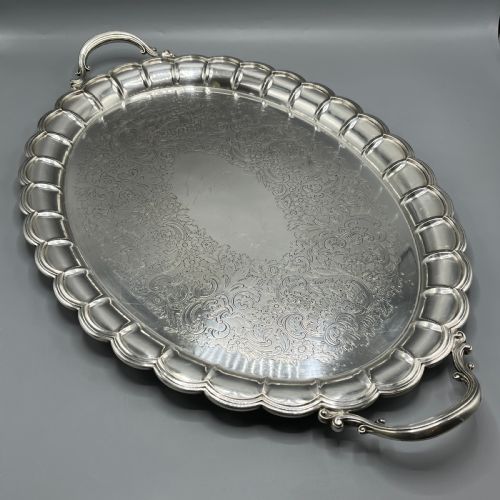
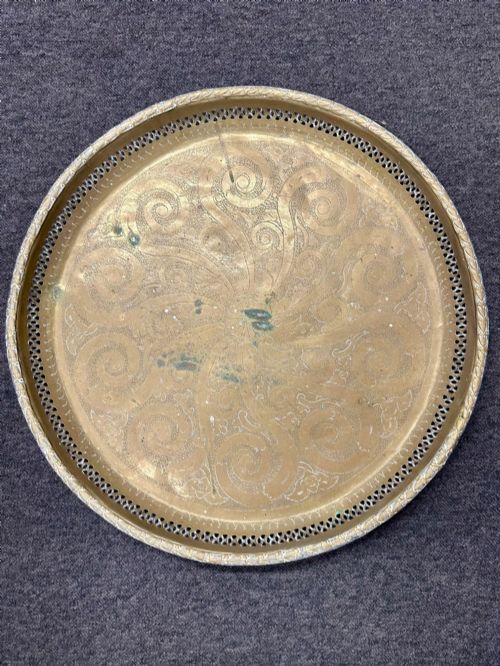
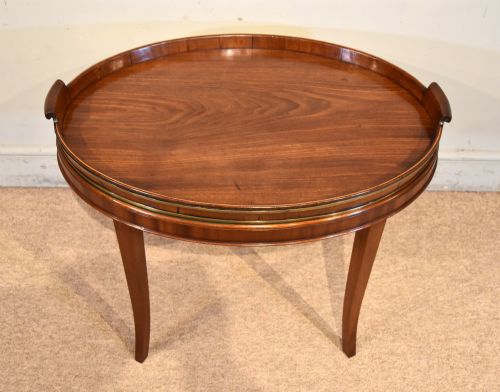
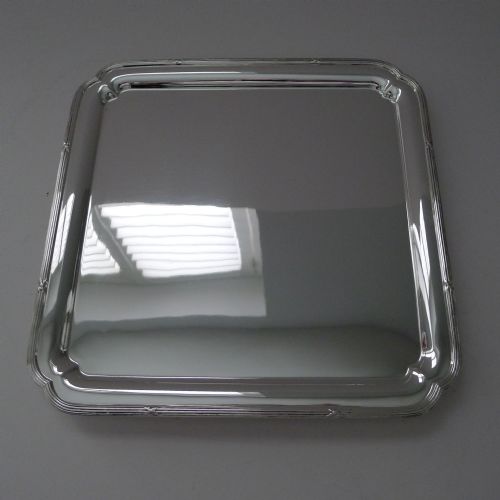
These vintage tea tray pieces range from silver plate and brass to mahogany and walnut, bringing functional domestic history into modern rooms.
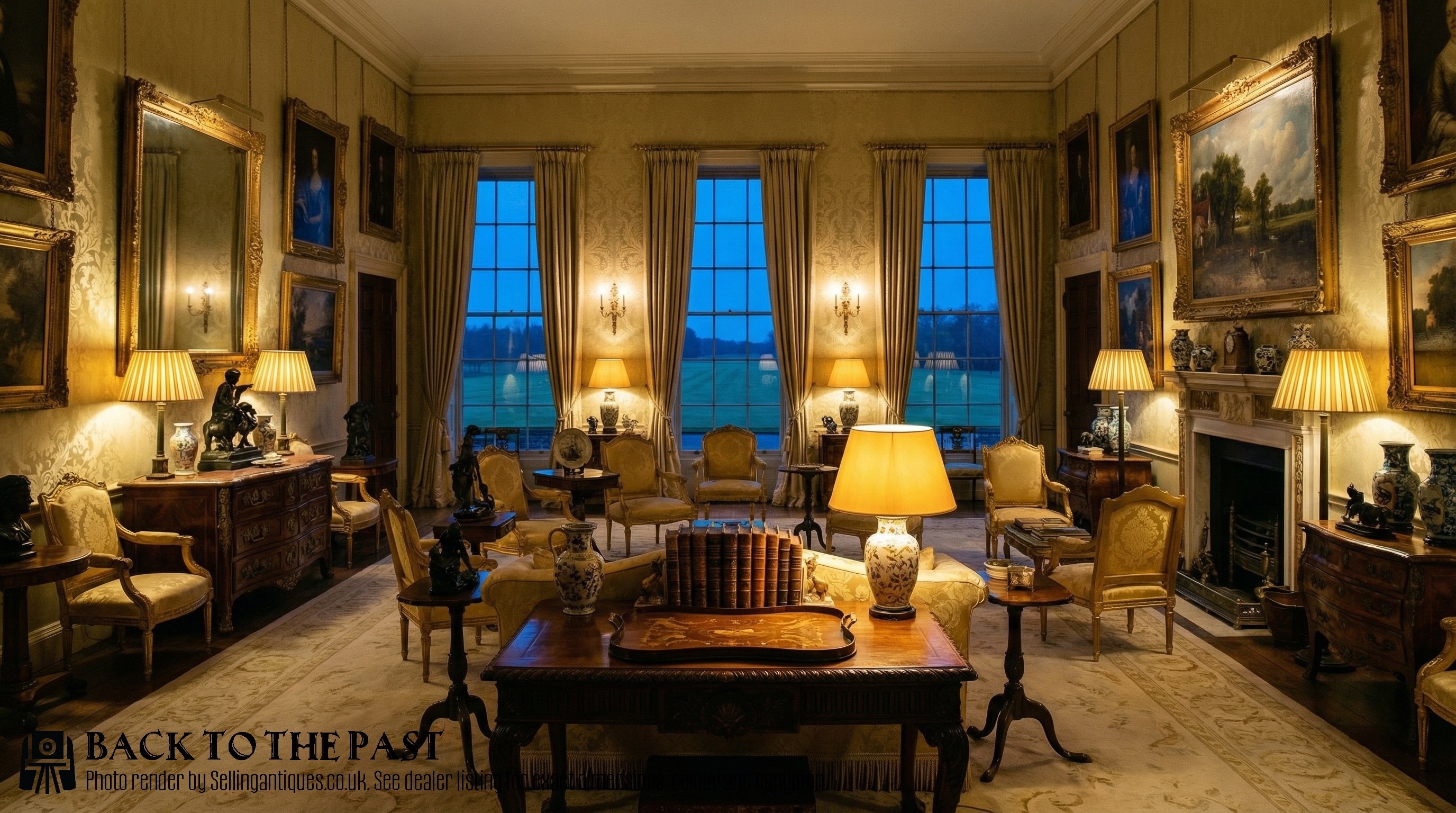
Vintage Tea Tray
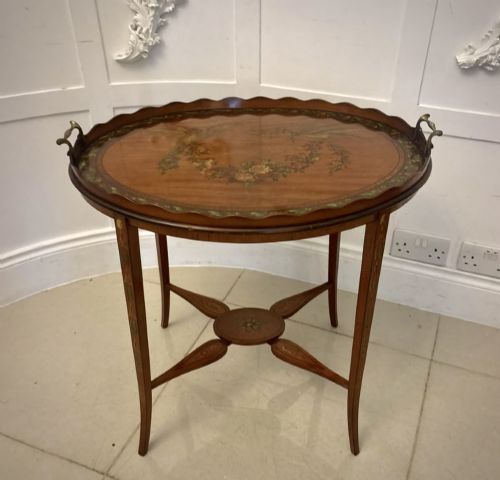
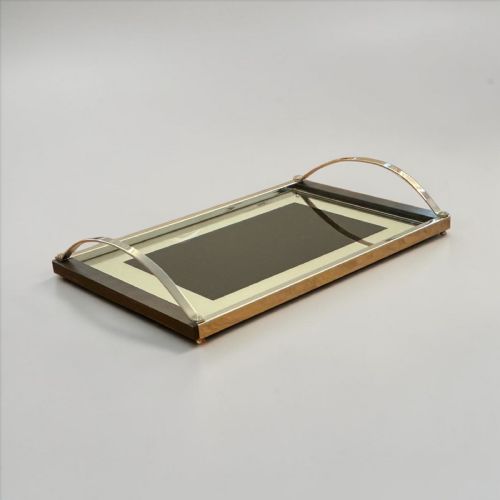
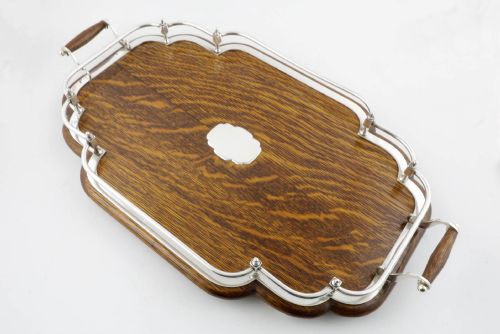
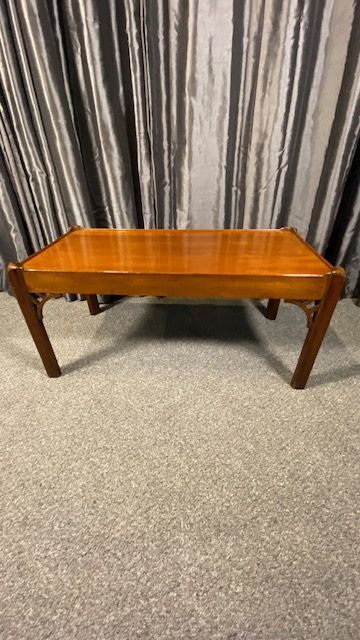
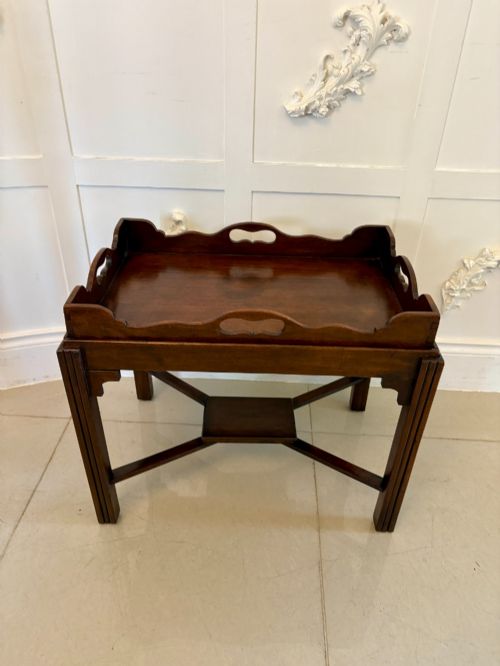
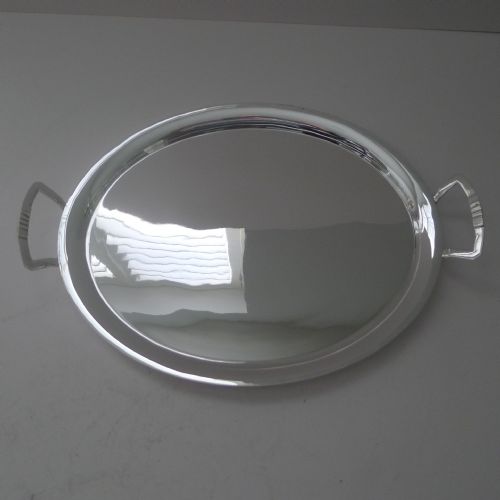
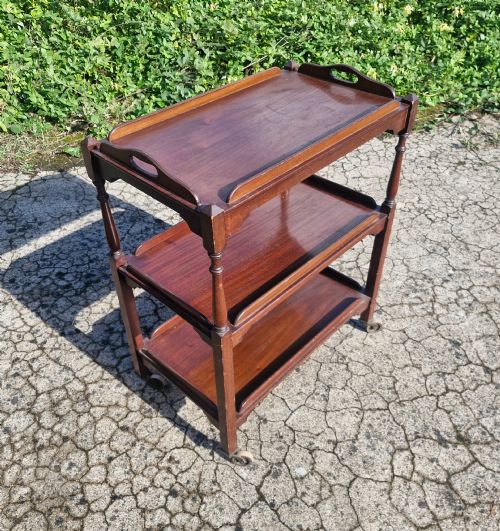
A vintage tea tray encompasses serving items, butler's trays, and occasional tables from periods spanning the nineteenth and twentieth centuries. The selection includes Edwardian silver plated gallery designs, Victorian mahogany pieces, and mid-century modern examples.
Materials and construction
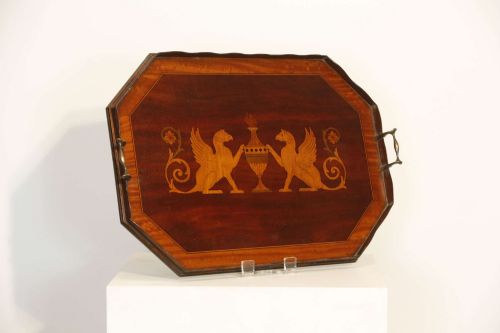
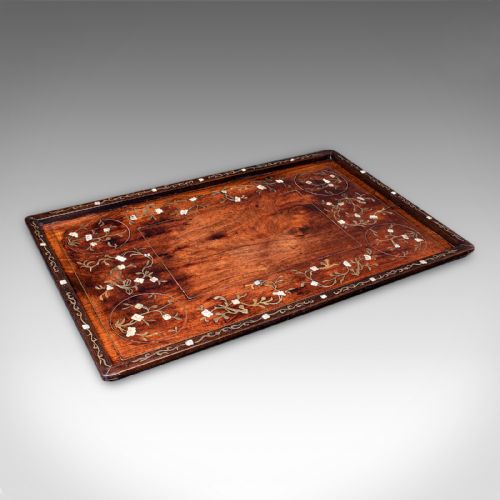
Carpenters utilised timbers such as mahogany, walnut, satinwood, oak, and teak, frequently incorporating intricate marquetry, oyster veneering, or shell inlay. Metal pieces rely on brass, silver plate, EPNS, and gilt bronze, often shaped with pierced galleries or bamboo handles.
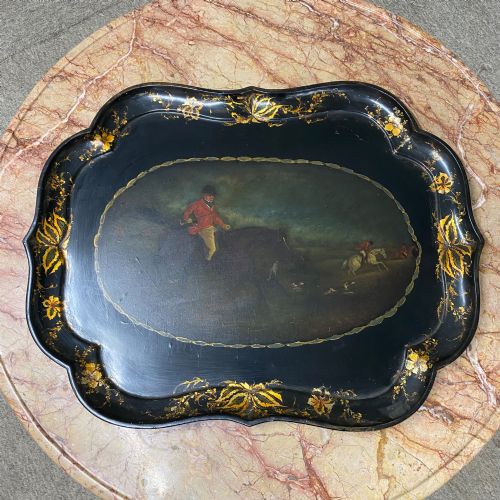
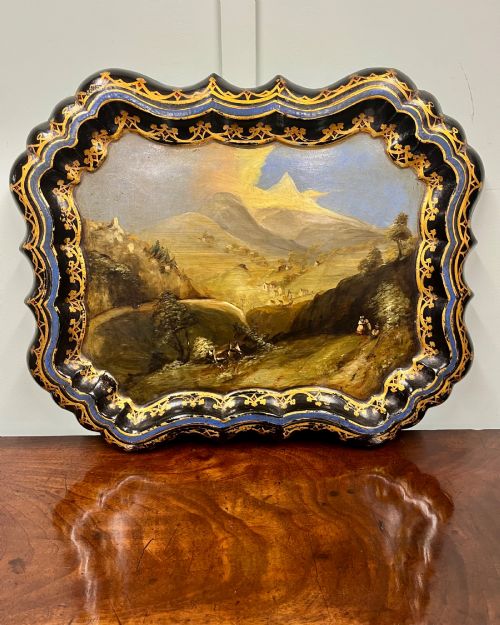
Moulders and metalsmiths combined wood and metal structures, securing brass carry handles, coppered bands, or applied borders. Papier-mâché examples display layered construction with original hand-painted or gilded surface decoration.
Vintage Tea Tray Retail Price Guide 2026
Typical asking prices for vintage tea tray among the pieces listed under this phrase on Sellingantiques today, from the lower quarter to the upper quarter. They describe what is for sale here now, not the wider market.
One exceptional ship's tray in golden elm proves that afternoon tea remained an absolute priority even on rolling ocean waves.
The markers of execution
Quality rests in the crispness of the handler's craftsmanship, from the precision of inlaid marquetry work to the depth of engraving upon silver plated surfaces. Superior examples retain their original structural integrity, balanced proportions, and untouched surface patination.
The choice of timber grain, the weight of the metal plate, and the finesse of pierced galleries separate standard utilitarian items from exceptional decorative pieces produced by established makers.
James Deakin·Mappin and Webb·Edwards and Roberts·Christofle
The Vintage Tea Tray Glossary
- Gallery tray
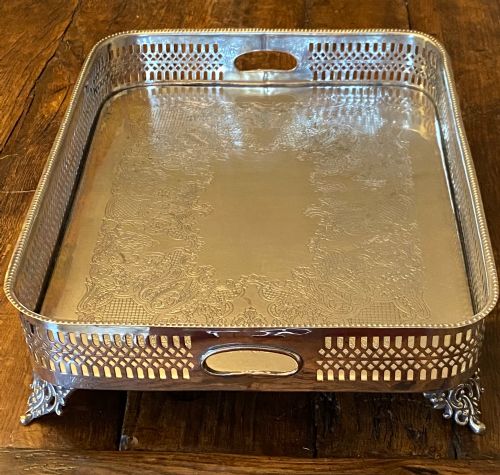
- A serving tray featuring a raised pierced or solid metal border designed to prevent items from sliding off during transit. This style gained widespread popularity during the Edwardian period.
- Butler's tray
- A removable wooden tray constructed with hinged or folding sides, typically paired with a separate folding wooden stand. These pieces functioned in large houses for transporting service to sitting rooms.
- Marquetry
- The decorative technique of applying thin veneer pieces to a wooden structure to form pictorial or geometric patterns. Makers utilised varied coloured timbers like satinwood and walnut to achieve contrast.
- EPNS
- Electroplated Nickel Silver, a composite metal base coated with a thin layer of silver through an electrical process. This method became standard for domestic tableware manufacture from the mid-nineteenth century onward.
- Pierced gallery
- An openwork pattern cut through the metal border of a tray, lightening the visual weight while securing the contents.
Vintage Tea Tray: Frequently Asked Questions
How do I date a vintage tea tray?
Examine the materials, construction methods, and any maker stamps present on the reverse or rim. Silver plate hallmarks, timber types like satinwood or mahogany, and decorative styles such as Arts and Crafts or Edwardian provide clear chronological indicators.
Compare the construction details, such as dovetailing on wooden trays or the specific composition of metal plating, against known production periods ranging from the Victorian era through the mid-twentieth century.
How should I clean a silver plated tea tray?
Wipe the surface gently with a soft, lint-free cloth to remove dust and surface particles. Avoid harsh abrasive cleaners that can wear away the silver plate layer over time.
For tarnish, apply a specialised silver polish sparingly with a soft sponge, rinse with lukewarm water, and dry immediately to preserve the original finish.
Can these trays be used daily?
Most wooden and metal pieces tolerate normal daily use when handled with reasonable care. Protect wooden surfaces from moisture rings by using coasters beneath wet glassware.
Heavily silver plated or antique papier-mâché pieces benefit from careful handling and display rather than heavy operational service to protect their delicate surface finishes.