

Vintage Oak Clock
A vintage oak clock brings substance to a room, carrying the weight of past centuries in timber and brass.
Vintage Oak Clock
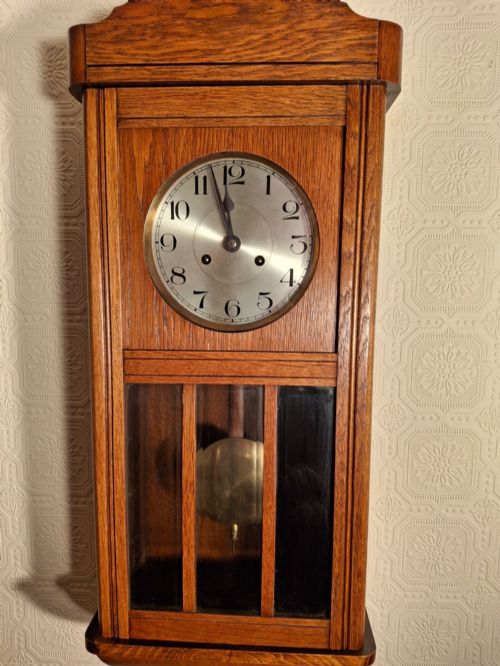
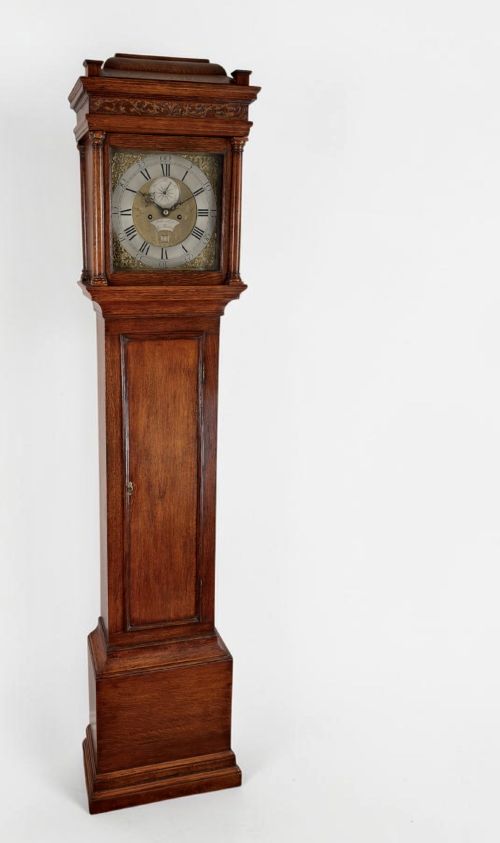
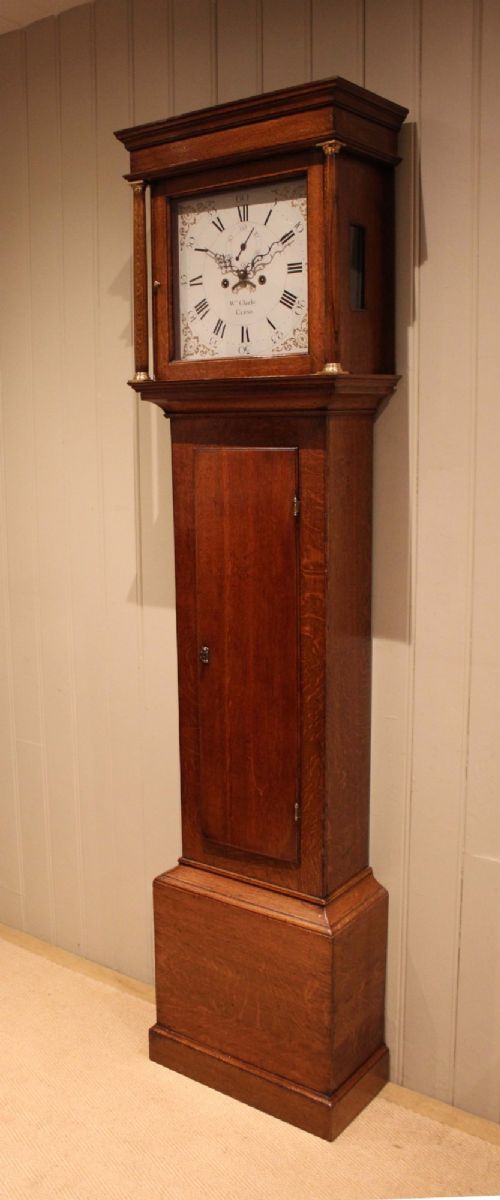
When searching for a vintage oak clock, collectors encounter several distinct forms spanning multiple centuries, from tall floor-standing longcase examples to compact mantel versions.
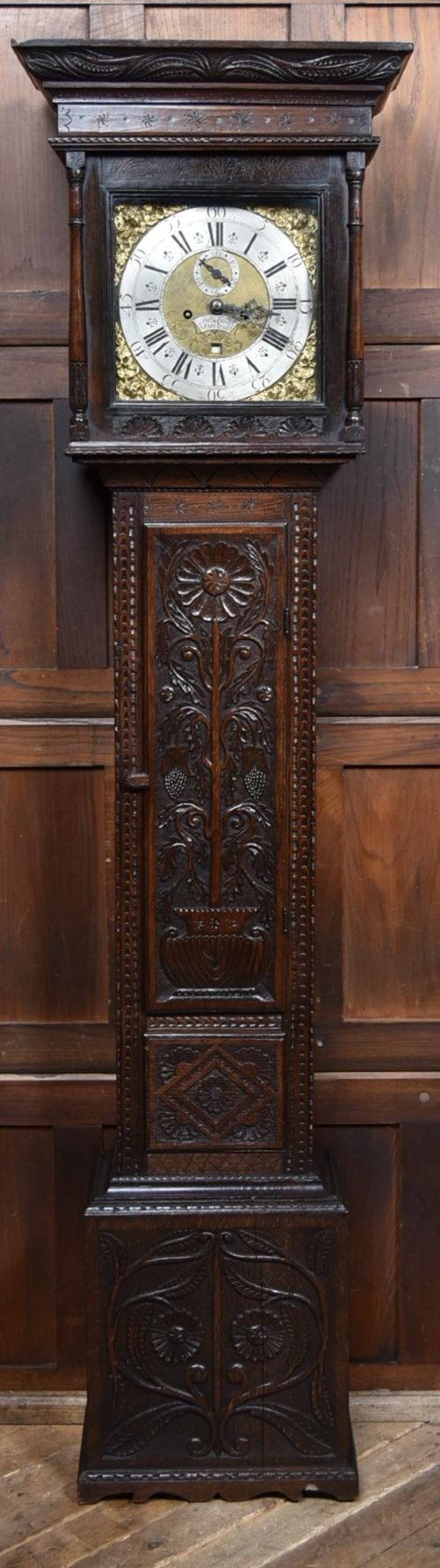
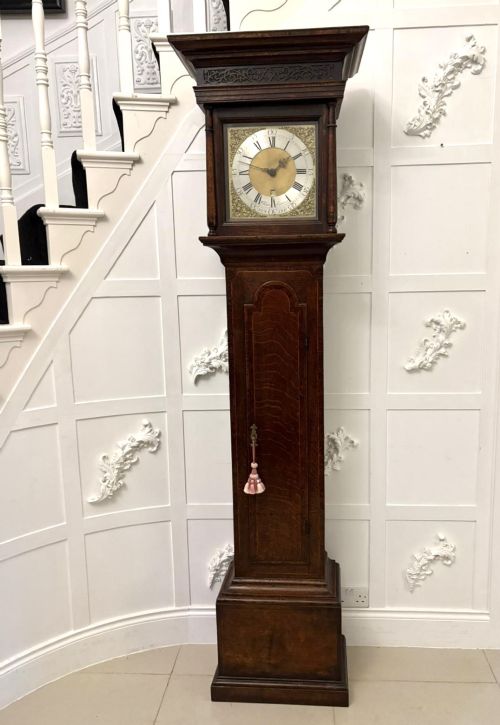
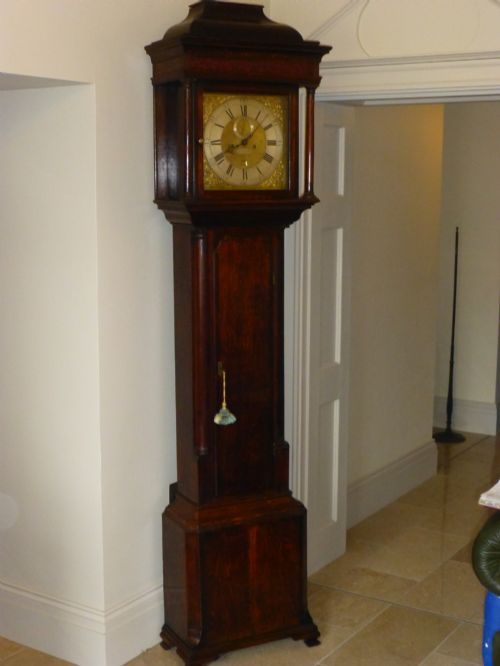
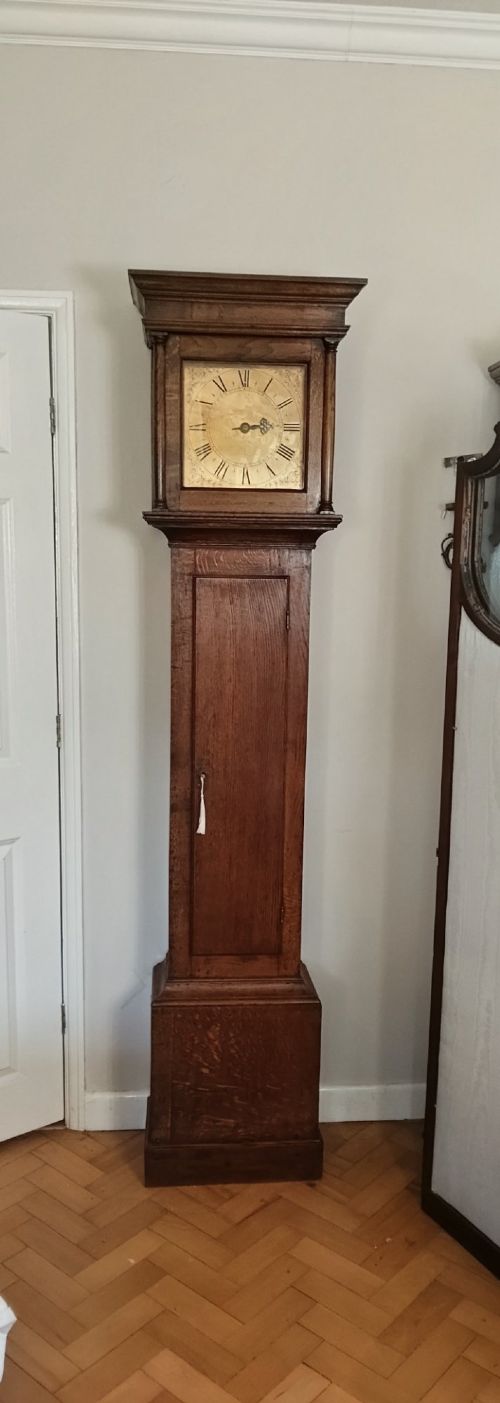
The longcase or grandfather variety dominates earlier periods like the Georgian and 18th Century, often signed on brass dials by regional makers.
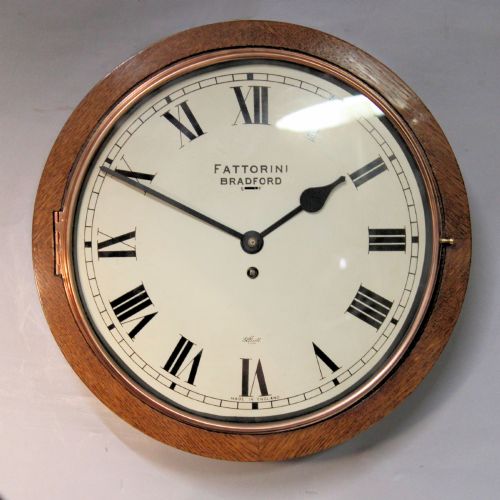
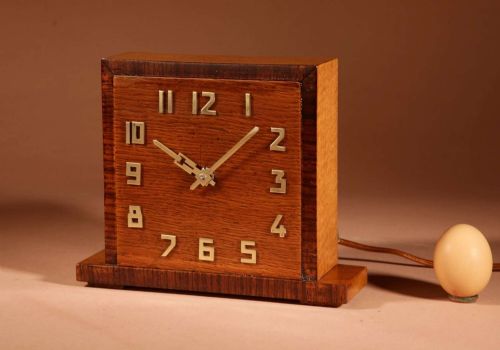
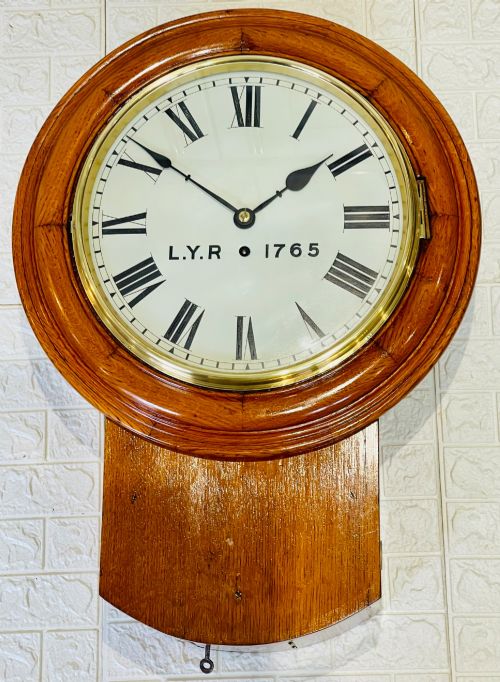
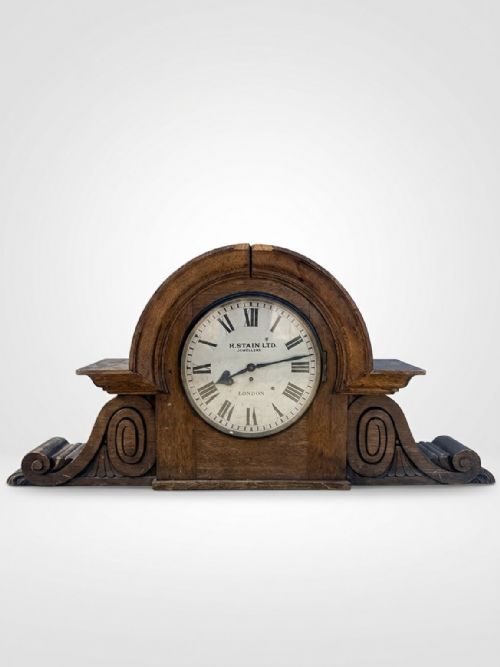
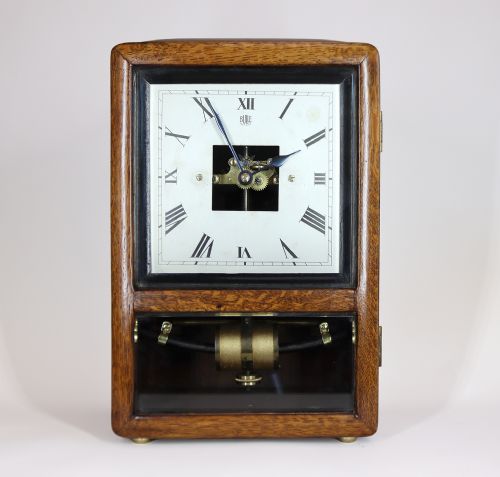
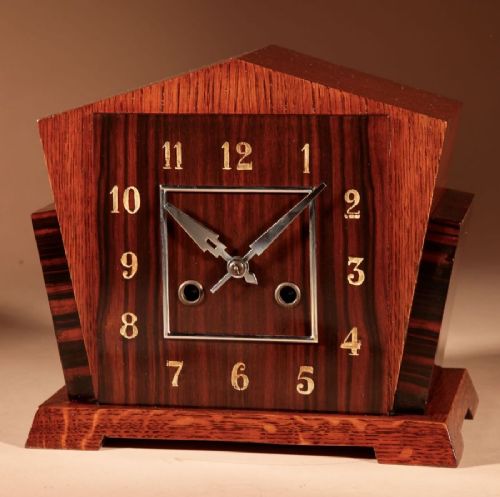
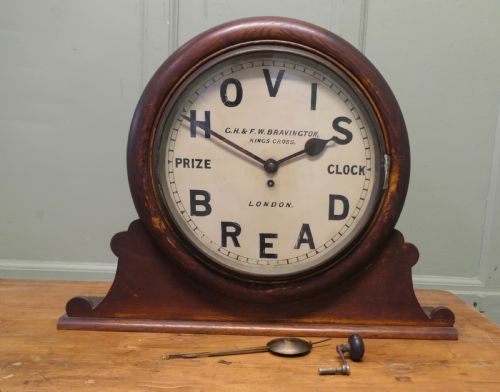
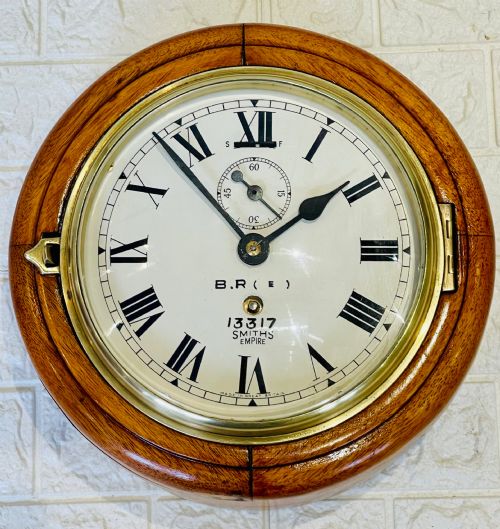
Wall-mounted dial clocks and drop dial railway pieces appear frequently alongside Art Deco Amsterdam School mantel designs from the early twentieth century.
How they were made
Timbers such as solid oak, burr oak and occasional walnut form the structural cases, sometimes combined with contrasting macassar ebony or rosewood veneers.
Dials employ engraved brass, painted enamel or metal with distinct numerals, housing mechanical movements like fusee, lever escapement, or early electrical systems.
Listings span periods from the 18th Century through Georgian, Victorian, Edwardian, and into the 1920s and 1930s Art Deco era.
What varies in quality
The caliber of movement dictates the standard, from standard spring drives to complex musical chimes and quarterly striking regulators.
Cabinetwork execution separates ordinary items from superior examples, seen in crisp wood carving, well-fitted brass bezels and balanced proportions.
Lee of Great Marlow·Jn° Smith, Macclesfd·Richard Corless of Stockport·Hyde & Sons Sleaford·G.H. & F.W. Bravington London·George Hallifax Of Doncaster·Thomas Webbe of New Quay
The Vintage Oak Clock Glossary
- Fusee
- A conical pulley used in mechanical clocks to maintain even force on the gear train as the mainspring unwinds.
- Escapement
- The mechanical linkage that controls the release of power to keep the pendulum swinging at a steady rate.
- Longcase clock
- A tall freestanding timepiece, commonly known as a grandfather clock, enclosing weights and a pendulum.
- Aneroid barometer
- A weather-measuring instrument utilising a flexible metal box without liquid, often integrated into oak clock cases.
- Dial clock
- A circular wall clock with a prominent face, historically utilised in offices, railway stations and public buildings.
Vintage Oak Clock: Frequently Asked Questions
How do I wind an old oak clock?
Most mechanical versions require a key inserted into winding holes on the dial face to tension the internal springs or lift the hanging weights.
Care must be taken not to overwind the mechanism, stopping gently as soon as resistance is felt.
Where should I place a longcase clock?
Tall floor-standing pieces need a stable, dry interior wall away from direct sunlight and strong temperature fluctuations.
Securing the tall wooden case to the wall prevents accidental tipping and ensures the pendulum hangs plumb.
How do I tell an 18th century clock from a later copy?
Early pieces display hand-cut brass movement plates and thick oak boards joined with pegged mortise and tenon construction.
Signatures on the dial typically name regional watchmakers rather than mass-producing factories.
Why does my wall dial clock stop ticking?
Railway and wall dial movements depend entirely on the cabinet hanging completely level against a vertical surface.
Shifting the base slightly to the left or right usually restores the regular beat of the escapement.