


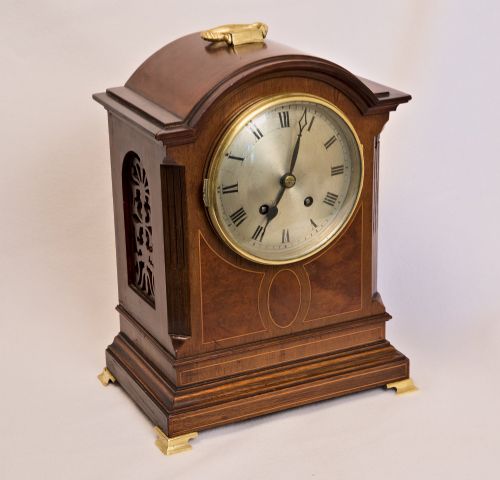


Brass Bezel Desk Clock
A brass bezel desk clock brings functional precision and period charm to a workspace, offering polished metal framing and clear dial visibility.
Brass Bezel Desk Clock
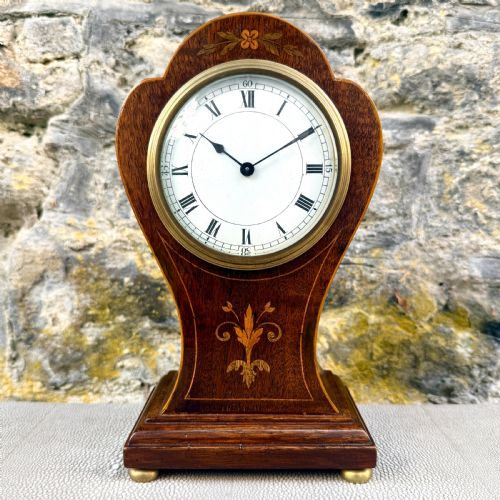
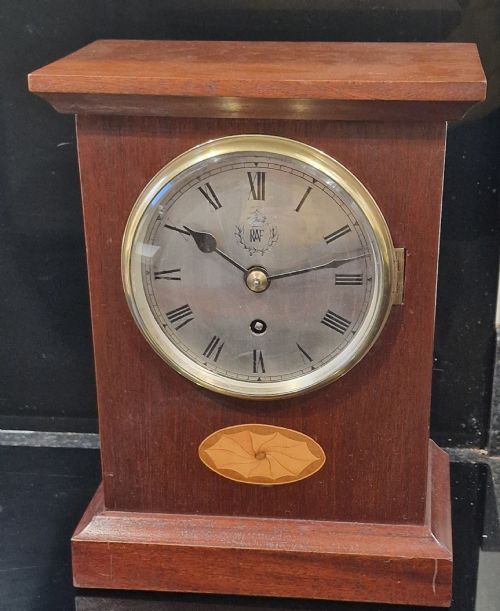
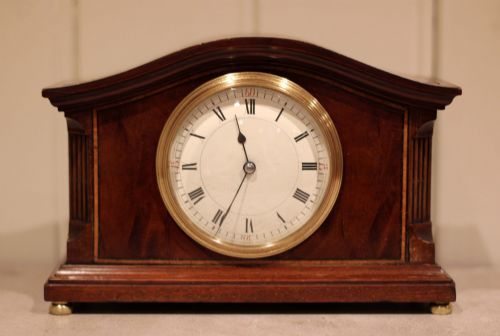
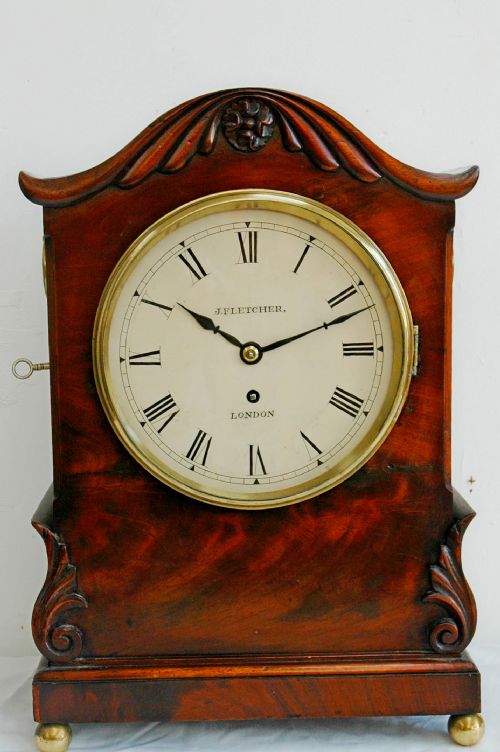
A brass bezel desk clock comprises timepieces designed for surfaces, frequently appearing as mantel clocks, bracket clocks, and dedicated desk clocks spanning the Victorian, Edwardian, and mid-twentieth-century periods. These objects serve both practical timekeeping and decorative roles within domestic and institutional settings.
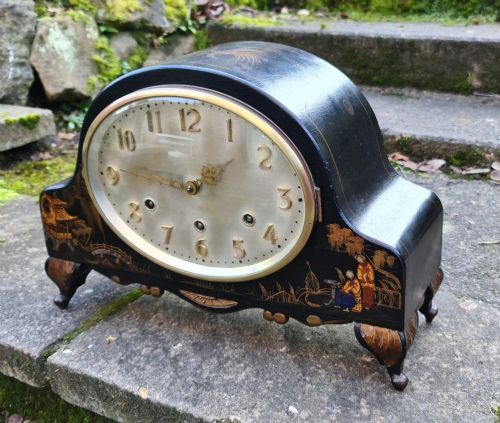
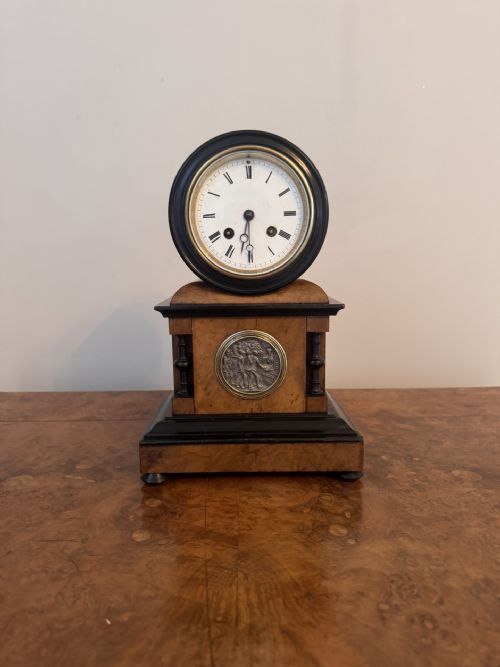
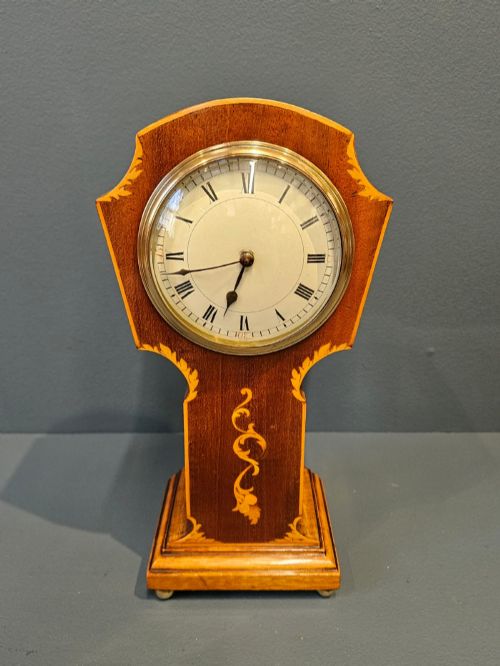
The selection ranges from traditional Edwardian inlaid mahogany cases to French marble, ormolu mounts, and military mess clocks from the interwar years. Buyers regularly encounter pieces utilising brass, glass, enamel, and mahogany across various nineteenth and twentieth-century styles.
Materials and construction
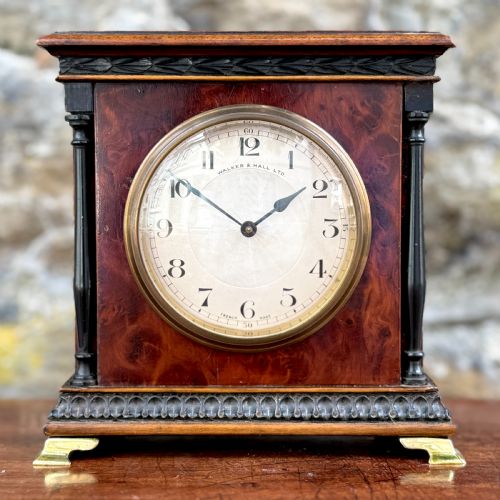
Cases utilise solid and veneered timbers such as mahogany, satinwood, and oak, alongside heavy natural marble, ebonised wood, and cast brass bezels. Many examples incorporate glass panels to reveal internal movements, complemented by delicate enamel dials and silver-mounted details.
Decorative techniques involve marquetry inlay, faux tortoiseshell finishes, hand-painted chinoiserie motifs, and cast ormolu mounts. Movement construction relies on mechanical systems, including single fusee and eight-day mechanisms housed within timber or stone housings.
Listings feature periods from the nineteenth century through the interwar years, utilising brass, mahogany, marble, and enamel.
Judging quality
Distinctions in quality rest upon the crispness of timber inlay, the weight and casting finish of the brass bezel and ormolu mounts, and the legibility of the enamel dial. Superior examples display refined proportions and meticulous joinery rather than purely decorative additions.
The integration of named makers or specific military provenance adds substance to an item, distinguishing standard commercial production from bespoke workshop output. Finer pieces maintain original dial faces and uncompromised casework materials.
Walker and Hall·W. Burton·Piggin Norwich·Baby and Jannings·Hampson and Son·Henry Marc
The Brass Bezel Desk Clock Glossary
- Bezel
- The metal rim that holds the glass protecting the clock face in place. It typically swings open on a hinge to allow hand-setting.
- Fusee
- A conical pulley used in mechanical clocks to maintain even tension on the gear train as the mainspring unwinds. This mechanism ensures consistent timekeeping accuracy.
- Ormolu
- Gilded bronze ornamentation applied to clock cases during the eighteenth and nineteenth centuries. The technique involves a mercury-gilding process yielding a rich golden sheen.
- Marquetry
- Decorative veneer work forming intricate patterns or pictures using various coloured woods. Craftsmen cut and fit thin pieces of timber into precise recesses.
- Timepiece
- A clock that indicates the time but lacks a striking mechanism to chime the hours. These units focus entirely on visual time display.
Brass Bezel Desk Clock: Frequently Asked Questions
Where should I place a desk clock?
These clocks suit flat surfaces like office desks, sideboards, and mantelpieces where their mechanical displays remain visible and protected from vibrations.
Ensure the location offers stable support away from direct moisture sources to preserve timber cases and internal metal components.
How do I wind a mechanical desk clock?
Winding requires a matching key inserted into the dial arbors, turning gently clockwise until resistance indicates the mainspring is fully tensioned.
Avoid over-winding to protect the internal spring mechanism from undue stress over years of regular use.
What is an eight-day movement?
An eight-day movement runs for approximately eight days on a single winding cycle, reducing the frequency of maintenance required from the user.
This specification appeared frequently in quality nineteenth and twentieth-century clocks designed for domestic and office environments.
How do I date an Edwardian clock?
Edwardian pieces generally date from the reign of Edward VII, showing specific stylistic traits such as inlaid mahogany cases and lighter aesthetic proportions than heavy Victorian designs.
Maker signatures, style cues, and materials help narrow the manufacturing era when formal documentation is absent.