
Victorian Wooden Settle
A Victorian wooden settle brings solid timber craftsmanship and high backs into hallways and kitchens, offering enclosed seating that keeps out drafts.
Victorian Wooden Settle
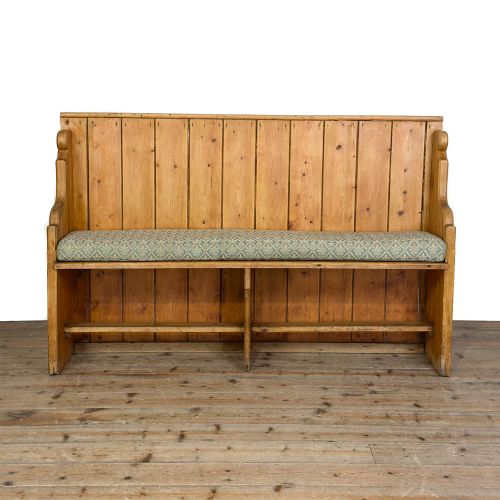
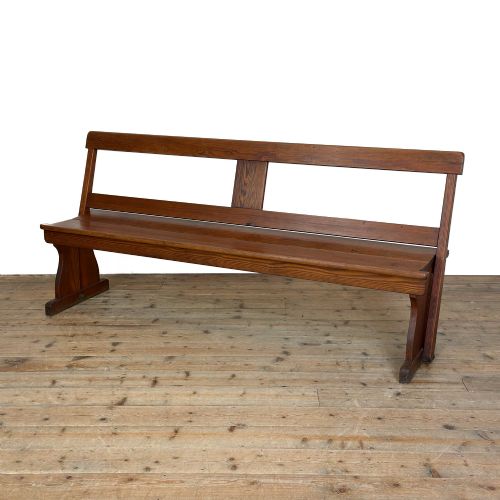
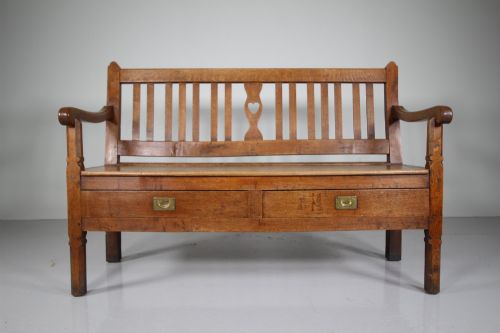
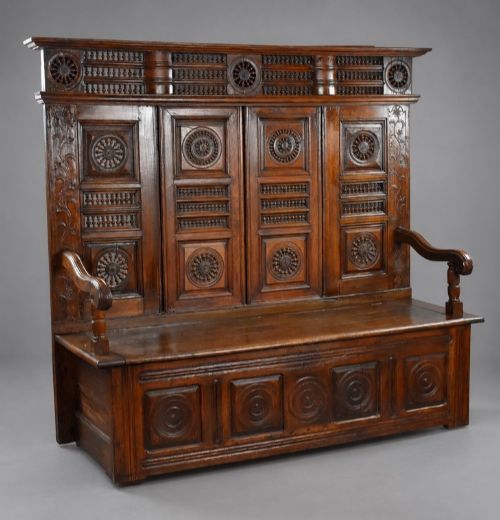
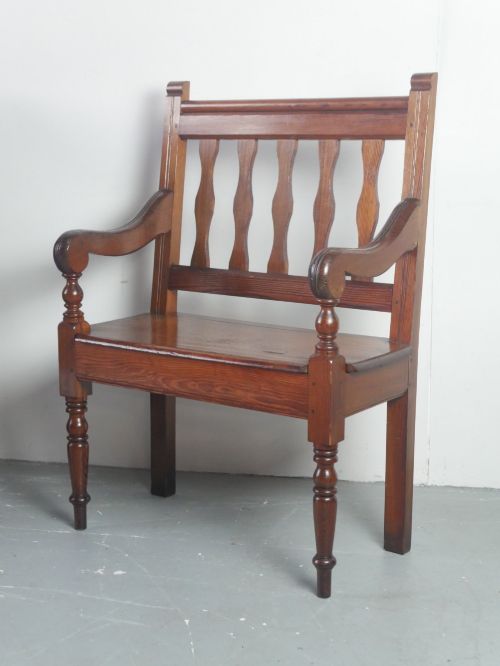
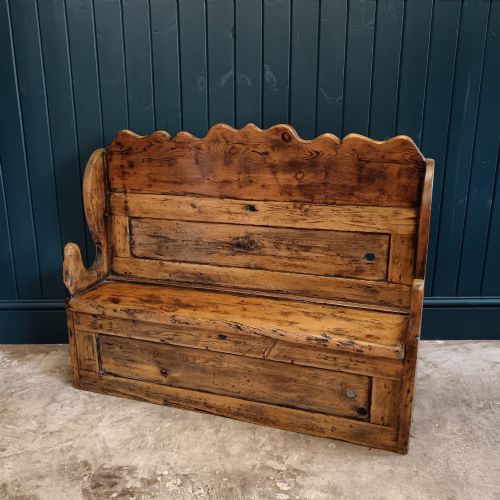
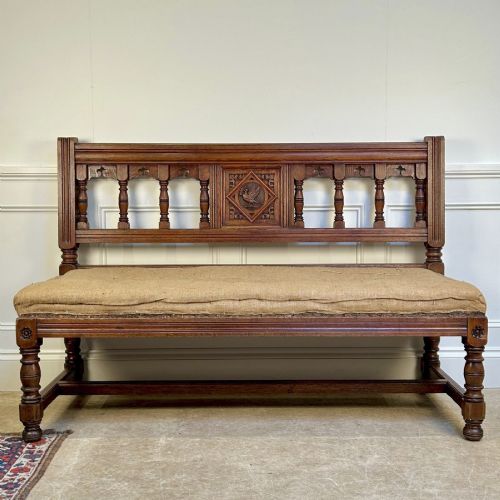
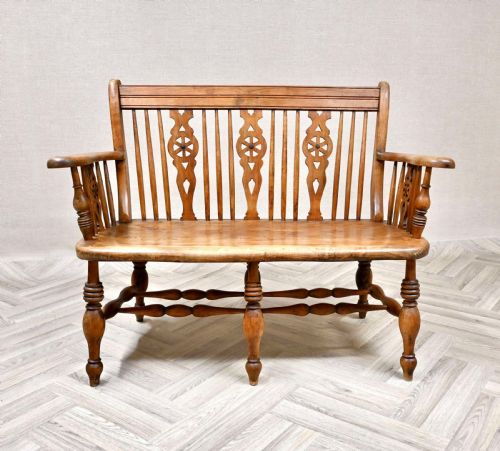
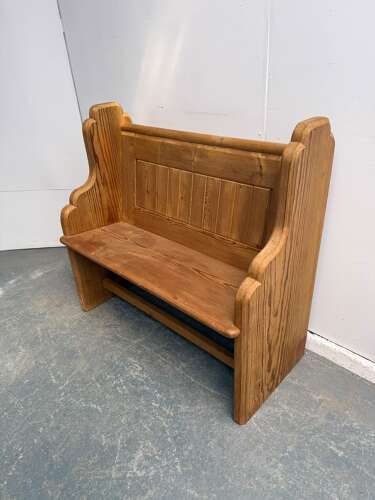
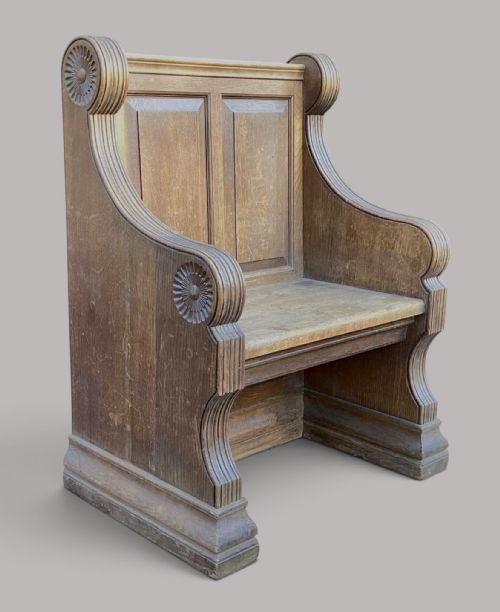
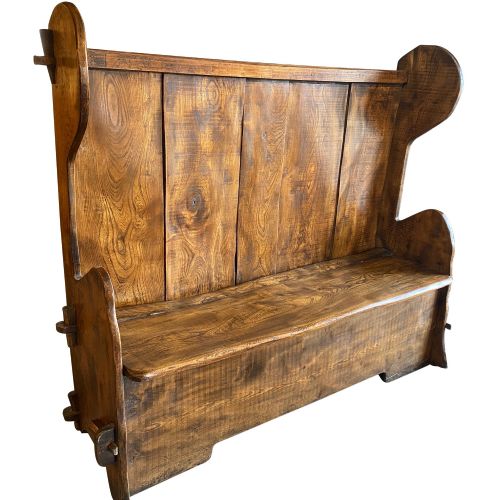
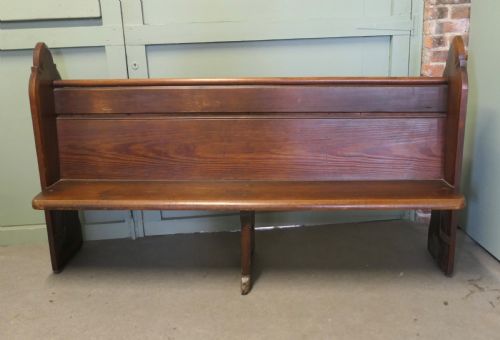
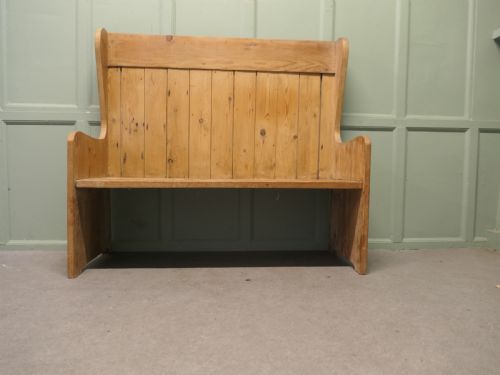
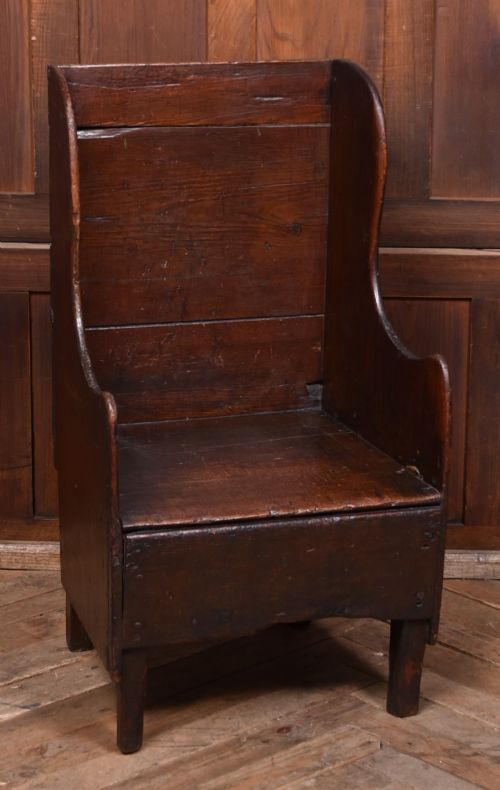
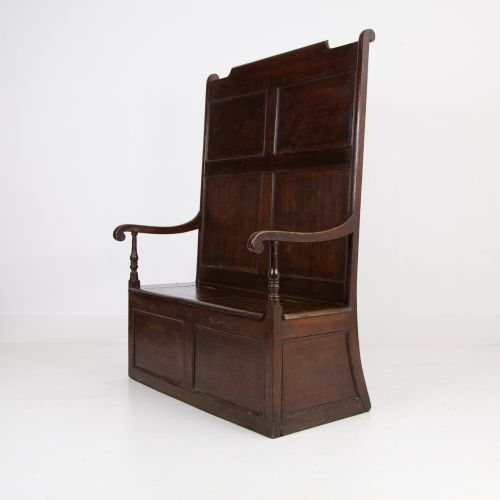
A victorian wooden settle is a substantial seat designed for hallways, kitchens, and communal rooms, offering high backs to block cold drafts. The examples found here span the nineteenth century and into the early twentieth century, taking forms such as panelled oak hall benches, church pews, and pine box settles with storage beneath the seat. Regional variations appear too, including Hungarian pine benches and Welsh oak seating.
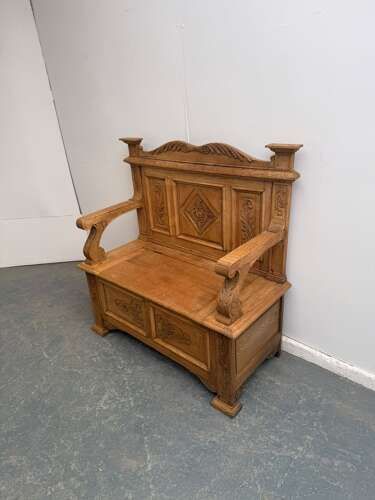
Most pieces date from the Victorian period, though related listings stretch from eighteen hundred through the Edwardian era. Makers utilised robust native and imported timbers, shaping them into architectural forms, gothic revival styles, and rustic country benches. Buyers encounter everything from simple slatted waiting room seats to heavily carved oak box settles with hinged lids.
Materials and construction
Makers constructed these settles primarily from solid hardwoods and softwoods, relying heavily on oak, pine, elm, and pitch pine. Oak appears in panelled and carved gothic pieces, while pine forms many of the country church pews, chapel benches, and painted Hungarian box settles. Elm and walnut turn up in regional benches and waiting room seating.
Joinery methods depended on the intended function, using pegged mortise and tenon joints for sturdy oak frames and simple board construction for pine storage settles. Many pine versions received coats of paint in blue, cream, or green, while oak and walnut examples were typically waxed to reveal the grain. Iron and brass hardware, such as hinges and brackets, frequently secured lids and structural joints.
Listings include pine, oak, elm, walnut, and pitch pine timber across nineteenth-century church pews, box settles, and hall benches.
Factors that separate the examples
Quality in a victorian wooden settle rests on the integrity of the timber and the depth of the carving or architectural detailing. Pieces fashioned from solid oak with intricate panelling or gothic revival tracery sit at the higher end of the scale compared to plain utility benches. Original surfaces, such as untouched beeswax patination or early period paint finishes, elevate an example far above stripped or heavily restored timber.
Structural completeness also dictates worth, particularly whether storage boxes retain their original hinged lids, bases, and internal partitions. Heavy proportions, tight joinery, and well-executed turning on arms and spindles demonstrate superior workshop origin, whereas altered or shortened benches show less refined execution.
GIllows
The Victorian Wooden Settle Glossary
- Settle
- A wooden bench with high backs, solid arms, and often a closed base to keep out floor drafts. It serves as traditional fireside or hallway seating.
- Box settle
- A bench featuring a hinged seat that lifts to reveal a storage compartment underneath. This design combines seating with chest storage for blankets or boots.
- Church pew
- A long, fixed wooden bench designed for communal seating in chapels and churches. They frequently appear in pine and pitch pine.
- Winged settle
- A variant with enclosed sides or curved wings attached to the high back. These wings trap body heat near the sitter.
Victorian Wooden Settle: Frequently Asked Questions
How were settle benches used?
These benches were placed in hallways, kitchens, and inns to provide seating away from cold drafts. The high backs and solid sides trapped heat from fires.
Box versions also stored boots, firewood, and textiles, serving a dual purpose in busy domestic spaces.
Where should I place a settle?
A narrow hallway or entrance hall suits a slim pine or oak hall bench, providing a place to sit when removing shoes. They also function well along a dining table or against a kitchen wall.
Ensure you measure the height of the backrest and the clearance for any hinged storage lids before positioning the piece.
How do I care for waxed wood?
Maintain waxed pine and oak surfaces by applying a quality beeswax paste every six to twelve months. Buff the timber gently with a soft cloth to preserve the sheen.
Keep wooden settles away from direct heat sources and strong sunlight to prevent the timber from drying out or splitting.
Are painted finishes original?
Many nineteenth-century pine benches, particularly Hungarian imports, received decorative paint coats in colours like blue, cream, and green. Inspect the surface for craquelure and wear patterns that indicate age.
Some pieces were painted in later decades, so examining the pigment layers helps determine whether the finish dates to the Victorian period.