
Country Wooden Bench
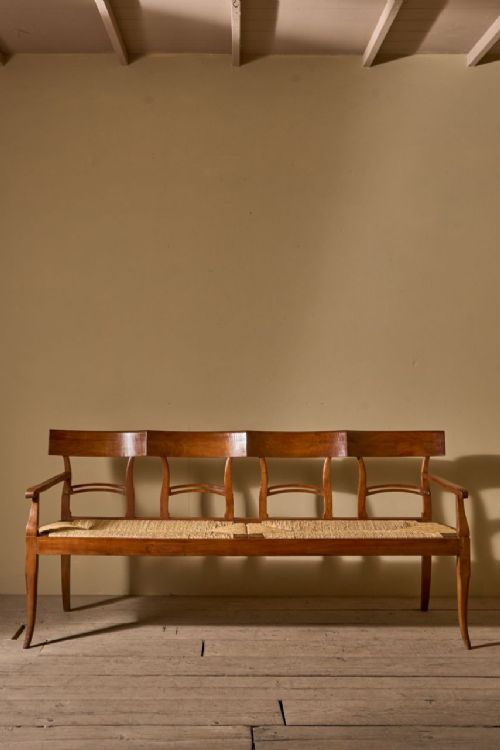
A country wooden bench brings tactile warmth to an interior through honest timber and vernacular craft.
Country Wooden Bench
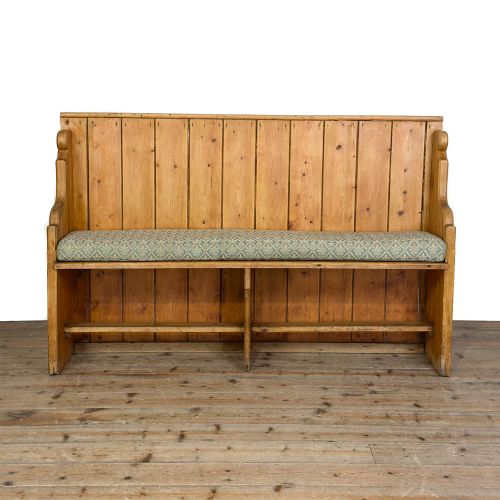
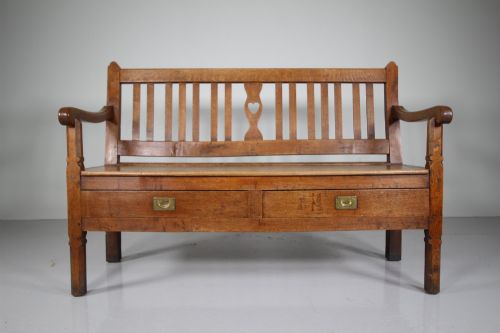
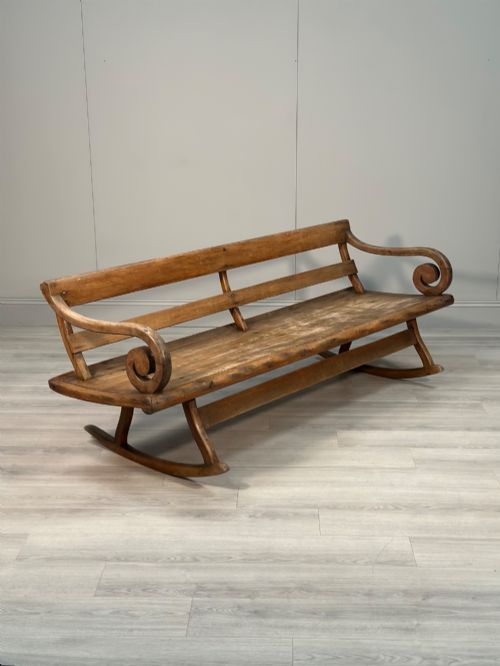
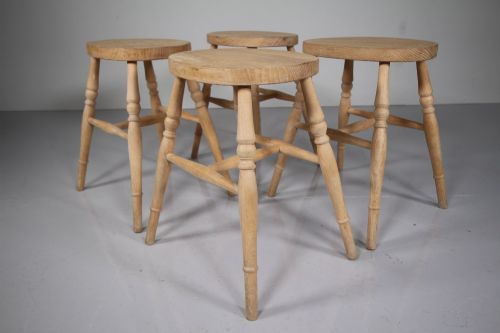
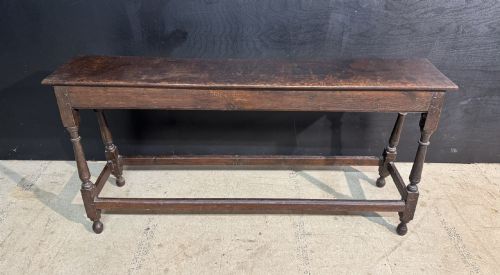
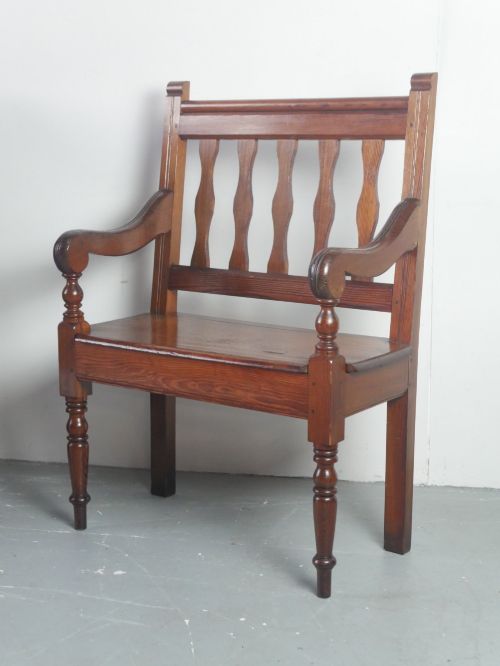
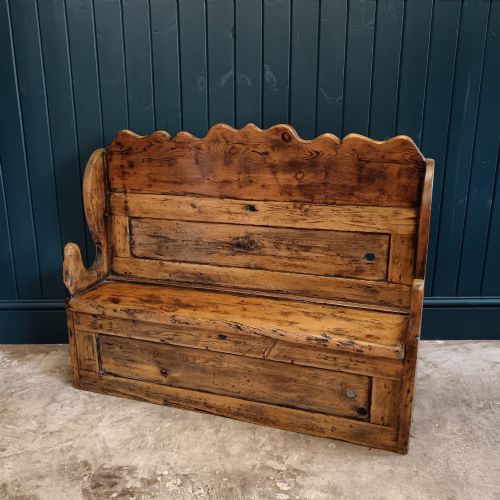
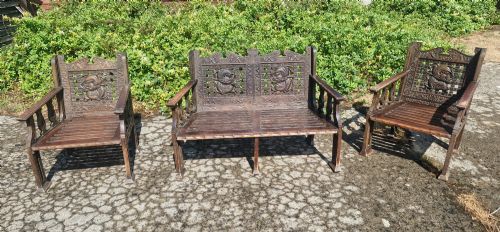
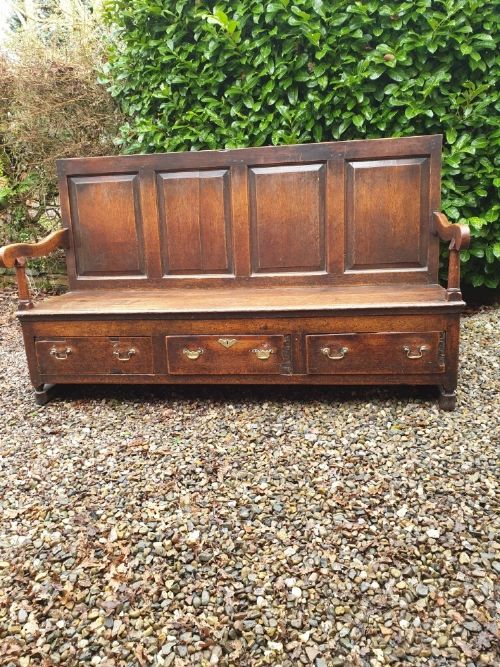
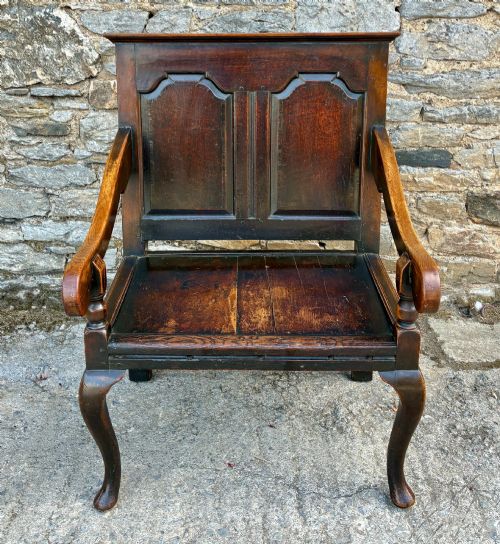
A country wooden bench encompasses utilitarian seating forms created for domestic, farm and garden use, spanning simple low stools and long hallway seats to high-backed settles with integrated storage. You will frequently encounter 18th-century and 19th-century examples shaped by English, French, Austrian and Eastern European rural traditions.
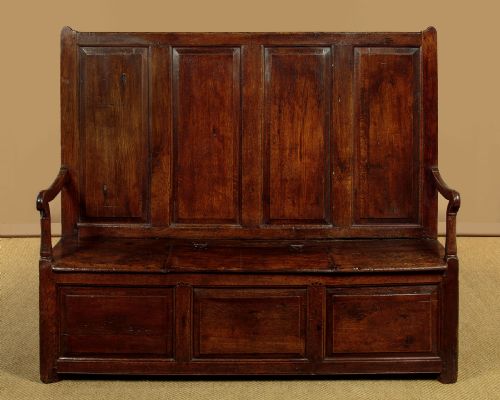
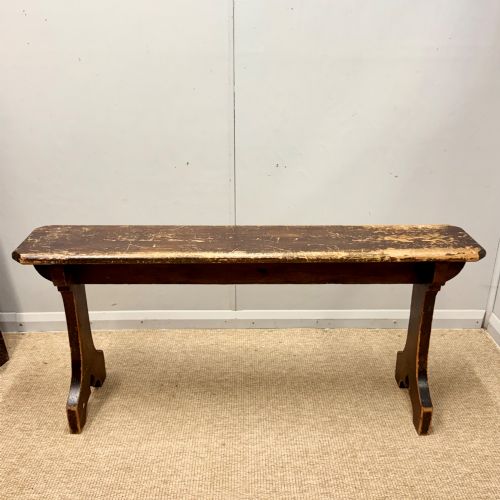
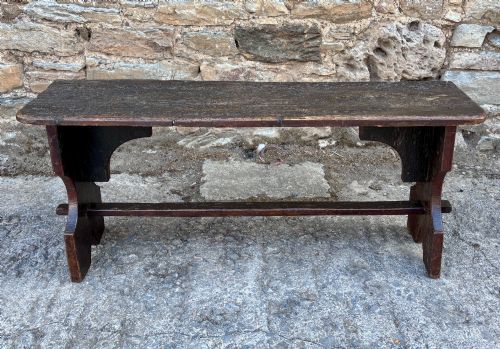
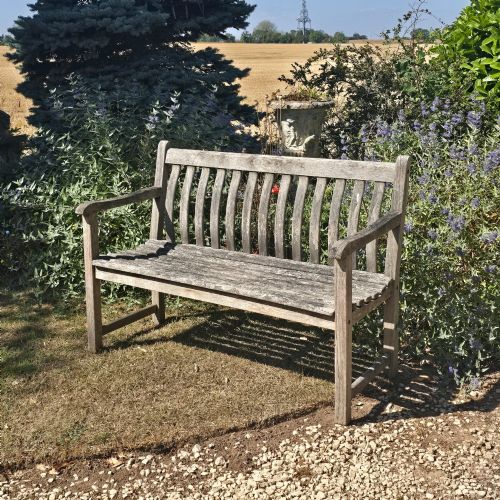
Settles form a distinct subset within this group, offering high panelled backs and enclosed box bases originally designed to block draughts in farmhouse kitchens and country pubs. Simple plank benches, pig benches and garden variants also feature prominently across the periods.
Origins vary from vernacular English oak and pine pieces to French elm and painted Spanish workshops, reflecting local timber supplies and regional seating customs.
Materials and Construction Methods
These pieces rely on solid domestic hardwoods and softwoods including oak, pine, elm, ash and sycamore, joined using traditional methods such as tenons, dowels and pegged joints. Many examples combine different timbers within a single frame, utilising sturdy oak or ash for structural framework alongside secondary woods for panels.
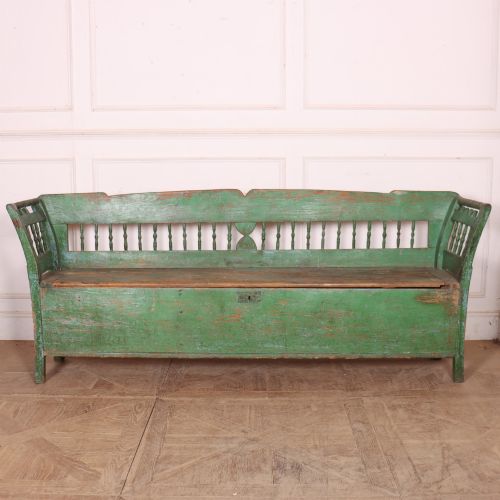
Surface treatments range from waxed natural patinas and honey brown finishes to original layers of ochre, green and white paint, particularly on continental milking stools and provincial benches. Iron bracing and hardware appear on specific garden and faux bois forms to reinforce outdoor frames.
Regional forms featured in the selection include Welsh box settles, French provincial benches and Eastern European milking stools.
Evaluating Proportion, Surface and Structural Integrity
Quality rests in the balance of proportion and the integrity of the timber's surface, where untouched patinas and original colour distinguish superior examples from heavily sanded or altered pieces. The harmony between the seat height, back rake and leg placement determines the visual weight of the bench.
The degree of hand-shaping in moulded box seats, panel carvings and turned supports marks the distinction between standard workshop output and exceptional vernacular craftsmanship.
The Country Wooden Bench Glossary
- Settle
- A wooden bench featuring a high solid back and enclosed box base or arms, designed to shield occupants from cold draughts. These seats often incorporate hinged lift lids for storage.
- Joint stool
- A sturdy, mortise-and-tenon framed wooden stool dating from the 17th or 18th century, constructed with straight turned legs rather than splayed peasant legs.
- Pig bench
- A low, heavy wooden bench traditionally utilised for agricultural tasks, now frequently repurposed as a low coffee table.
- Faux bois
- A technique rendering concrete or metal to imitate natural wood grain, seen on specific garden benches from the 19th century.
- Patina
- The surface sheen and colour developed by wood over decades of handling, exposure and waxing.
Country Wooden Bench: Frequently Asked Questions
Where should I place a settle bench?
High-backed settle benches work effectively in large entrance halls, narrow hallways or beside a living room fireplace where their panelled backs create a distinct seating enclosure.
Their solid box bases also provide concealed storage for blankets, boots or shoes in busy domestic spaces.
How do I care for antique pine furniture?
Maintain antique pine surfaces by applying natural beeswax sparingly and buffing with a soft cloth to preserve the underlying patina.
Avoid placing wooden benches near direct heat sources or radiators to prevent timber shrinkage and splitting.
Can I use an old garden bench indoors?
Weathered timber garden benches function well inside sunrooms, boot rooms or kitchens if treated with care and cleaned of loose surface debris.
Their weathered finishes introduce textural contrast to refined interior settings.