

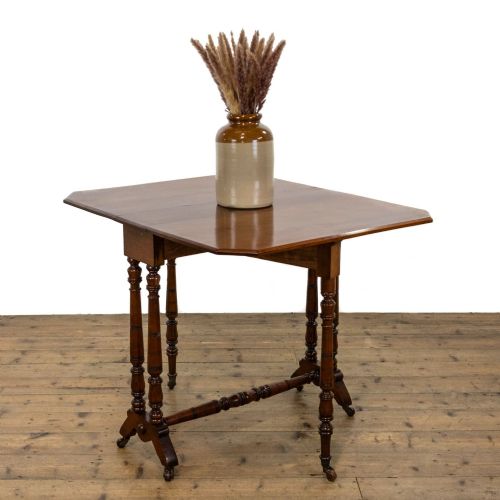
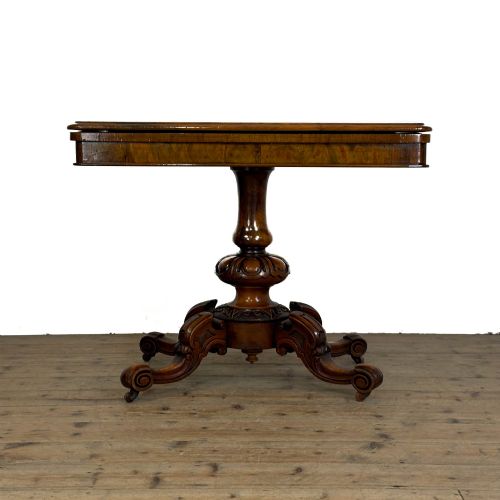
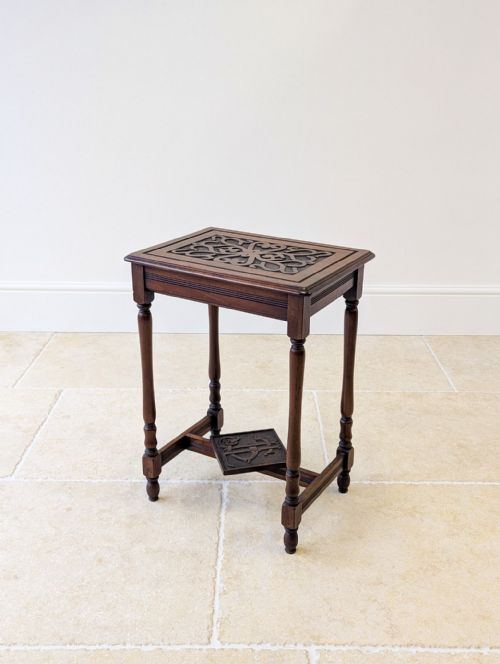
Victorian Walnut Tea Table
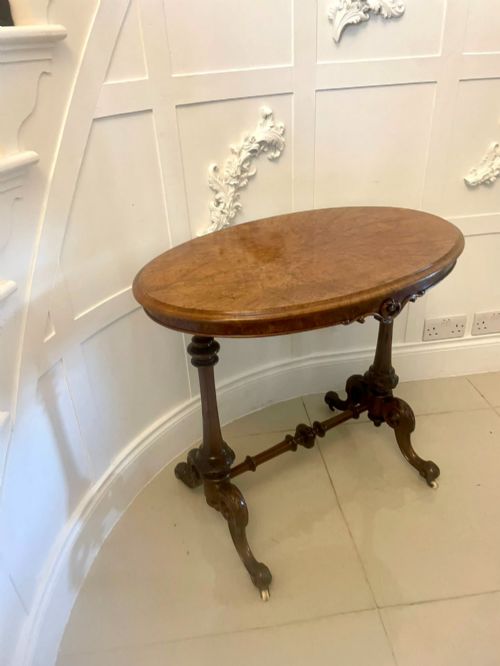
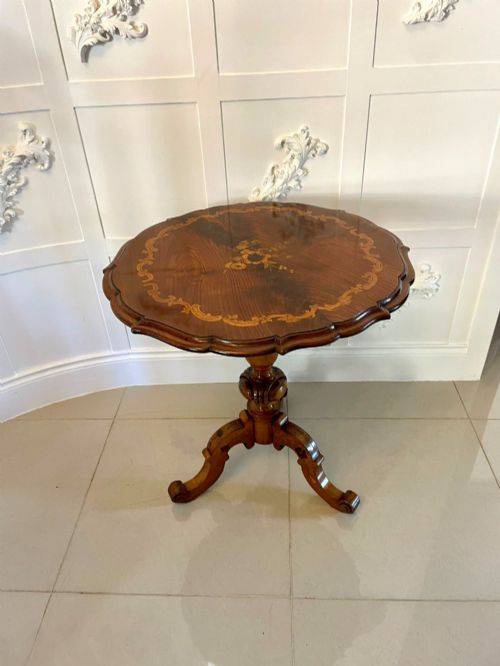
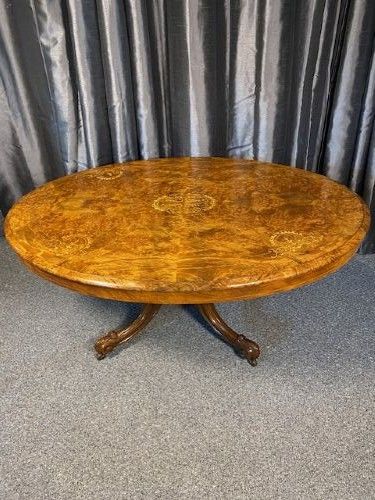
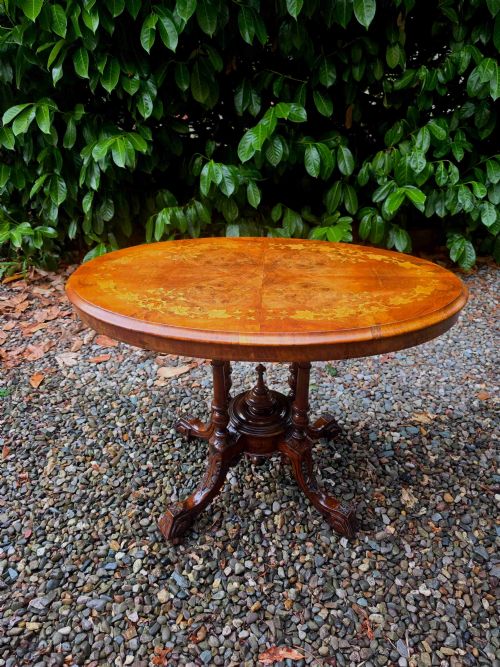
A victorian walnut tea table brings nineteenth-century warmth into a modern room, offering rich timber grain and folding tops designed for hospitality.
Victorian Walnut Tea Table
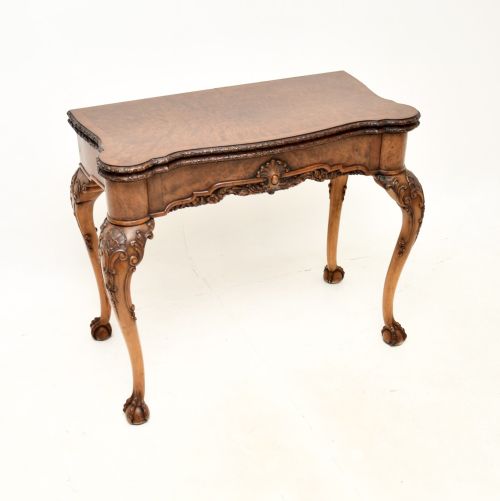
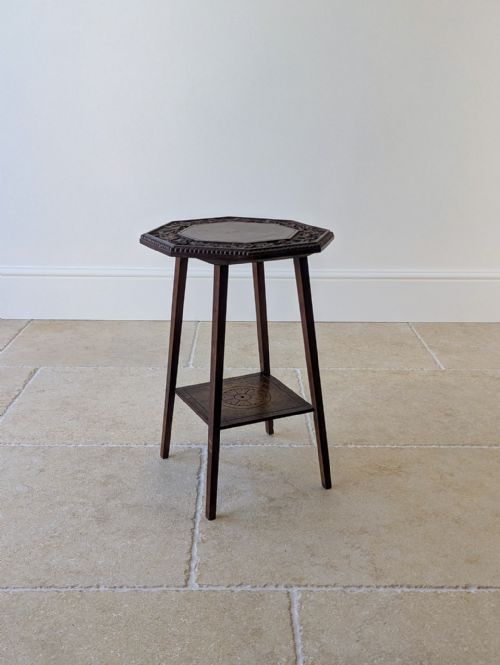
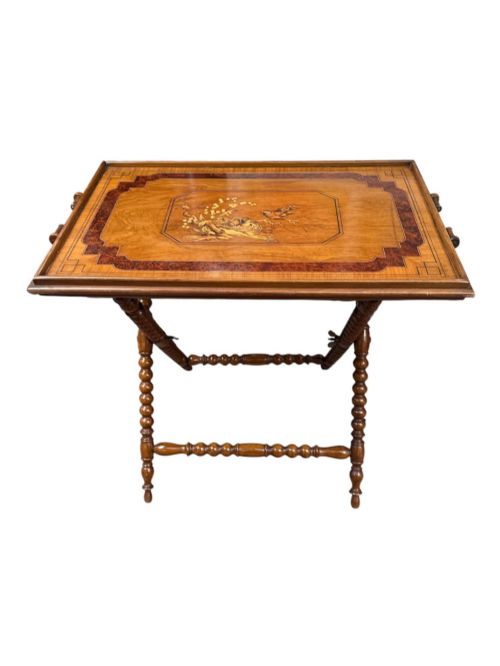
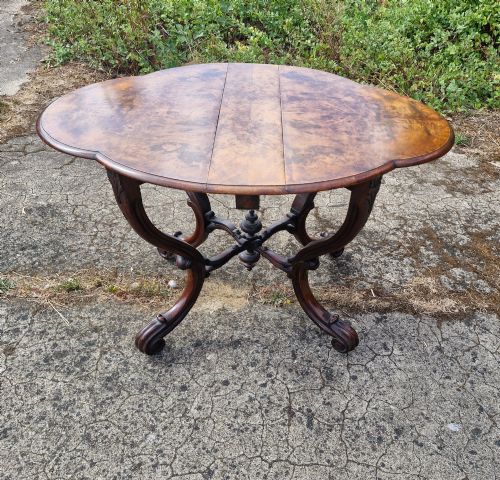
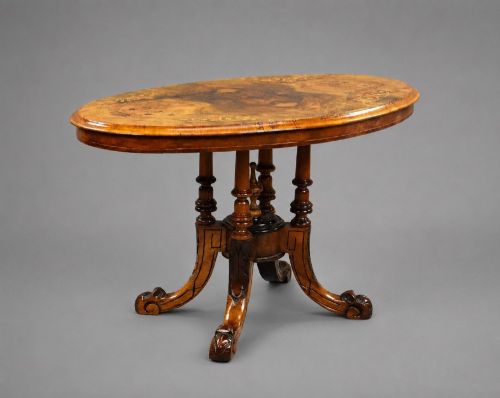
A victorian walnut tea table is primarily defined by nineteenth-century craftsmanship, appearing in forms that span folding card tables, tilt-top designs, and occasional pieces. The selection on this page relies heavily on the Victorian period, with specific dates clustering through the eighteen-fifties, sixties, seventies, and eighties.
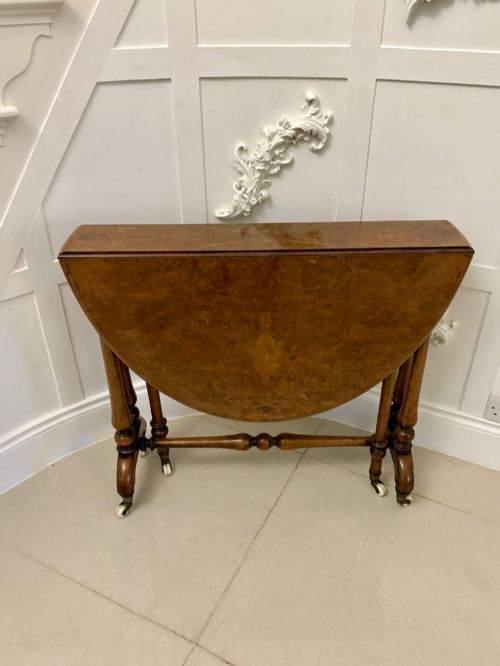
Buyers will encounter various formats, including games tables, Sutherland tables, lamp tables, and centre tables alongside the traditional tea and coffee tables. These pieces originated to serve formal nineteenth-century entertaining, adapting hinged leaves and rotating tops to suit drawing rooms.
Materials and Technique
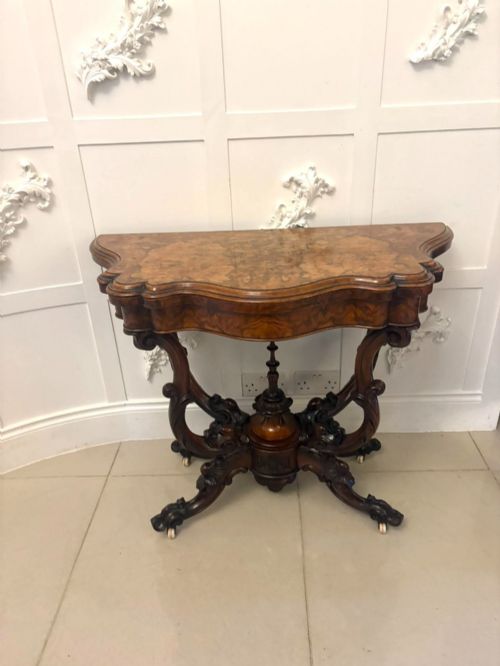
The construction of these pieces centres on walnut and burr walnut veneers applied over solid secondary woods like mahogany. Cabinetmakers utilised boxwood inlay, marquetry, and brass hardware to add decorative contrast to the dark timber ground.
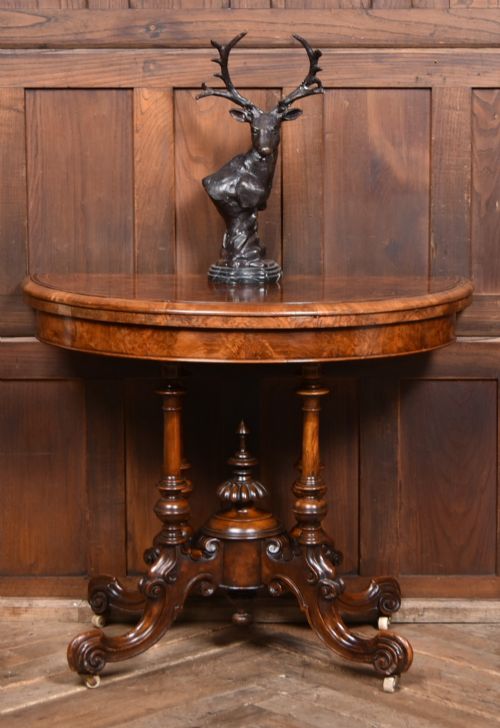
Joinery methods include scissor actions, fold-over mechanisms, and tripod or carved basket bases that support the pivoting tops. The surfaces display detailed figuring in the walnut grain, enhanced through traditional polishing techniques.
Victorian Walnut Tea Table Retail Price Guide 2026
Typical asking prices for victorian walnut tea table among the pieces listed under this phrase on Sellingantiques today, from the lower quarter to the upper quarter. They describe what is for sale here now, not the wider market.
Scissors-action frames allow some tables to expand like accordions, proving the Victorians loved mechanical furniture almost as much as tea.
Assessing Quality
Quality in a victorian walnut tea table is determined by the selection of the burr veneer and the precision of the marquetry inlay. Pieces featuring detailed boxwood work, carved basket bases, and named makers represent the upper tier of the range.
The integrity of the folding mechanism and the smoothness of the swivel or scissor action also distinguish finer examples from standard production. Superior finishing on the underside and crispness in the carved wooden supports separate workshop masterpieces from simpler items.
Holland And Sons Of London·E W Godwin
The Victorian Walnut Tea Table Glossary
- Burr Walnut
- A figured wood grain obtained from the growths on walnut trees, prized for its swirling patterns on table tops. Cabinetmakers used these veneers to create dramatic visual movement across flat surfaces.
- Marquetry
- Decorative patterns formed by fitting together small pieces of veneered wood of different colours. This technique created intricate floral or geometric designs on nineteenth-century table tops.
- Sutherland Table
- A narrow drop-leaf table with hinged flaps that fold down steeply. It was designed to save space in Victorian drawing rooms while providing a steady surface for tea.
- Fold-Over Table
- A table featuring a hinged top that doubles the surface area when opened out. These pieces often concealed storage wells beneath the folding leaf for cards or tea accessories.
Victorian Walnut Tea Table: Frequently Asked Questions
How did victorians use a tea table?
Victorians used these tables primarily for afternoon tea service and evening social gatherings. The folding tops allowed households to expand surface space quickly when guests arrived.
Between visits, the tables stood against drawing room walls or in the centre of the room holding lamps and decorative objects. Their adaptable design made them central to middle-class and elite domestic rituals.
How do I identify burr walnut?
Burr walnut is recognised by its distinctive swirling, mottled grain patterns rather than straight timber lines. This figure comes from the burl growth on the tree, creating rich visual depth.
Nineteenth-century cabinetmakers sliced these growths into thin veneers to display the complex patterns across wide table tops. The resulting surfaces catch the light and offer high decorative contrast.
How do I care for antique walnut wood?
Antique walnut requires protection from direct sunlight and extreme humidity changes to prevent the veneer from drying or cracking. Regular dusting with a soft, dry cloth preserves the polished surface.
Applying occasional appropriate wax feeds the timber and maintains the natural lustre of the grain. Avoid chemical sprays or excessive moisture which can damage nineteenth-century polish.