
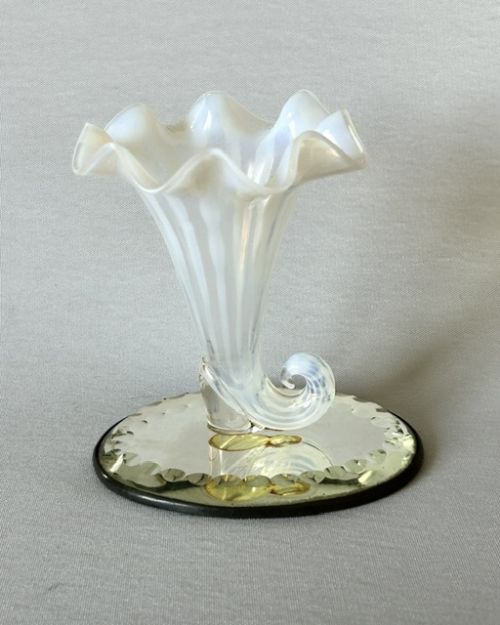


Victorian Vaseline Glass
Victorian vaseline glass glows with a distinctive yellow-green luminescence derived from uranium oxide, prized for its striking optical property under ultraviolet light.
Victorian Vaseline Glass
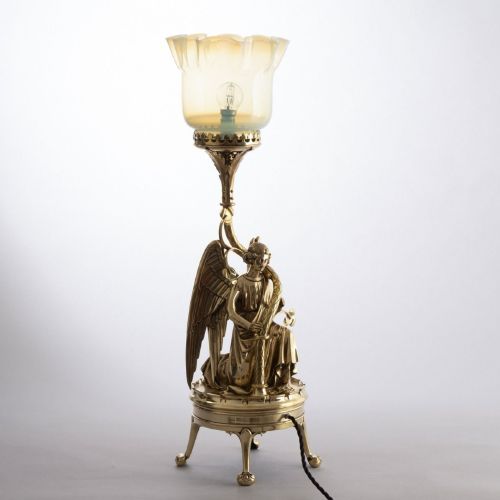
Victorian vaseline glass encompasses a wide range of decorative and functional objects produced during the nineteenth century and the early years of the twentieth century. When searching for Victorian vaseline glass, buyers encounter tablewares, lighting fixtures, and decorative vessels displaying the characteristic transparent or translucent yellow-green tint.
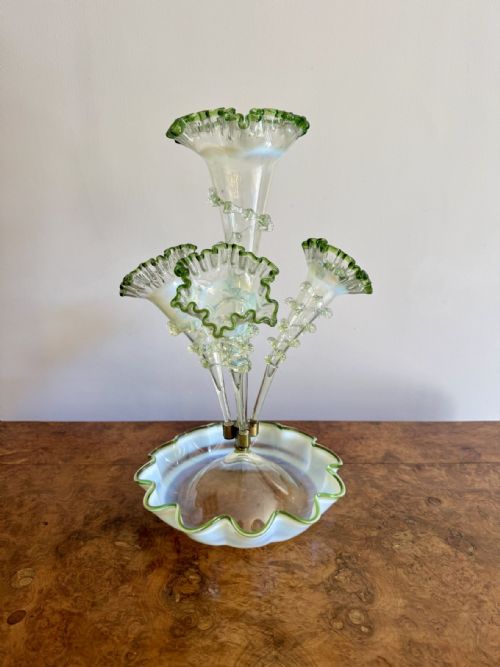
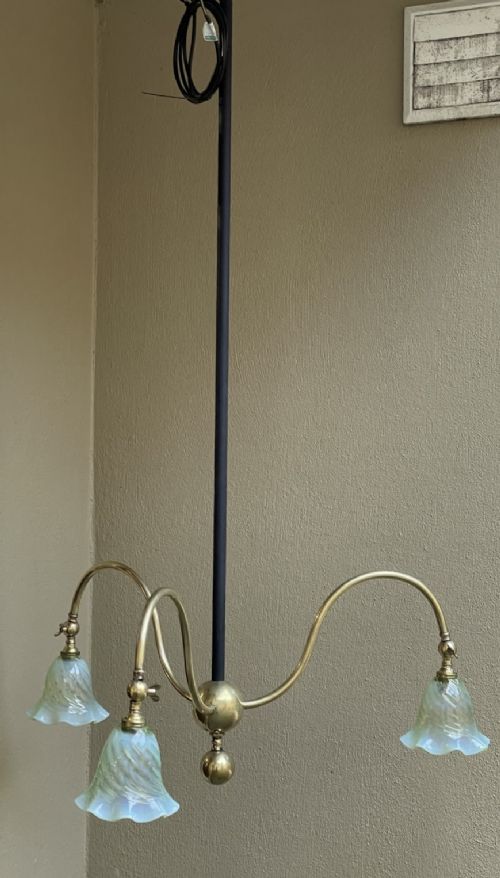
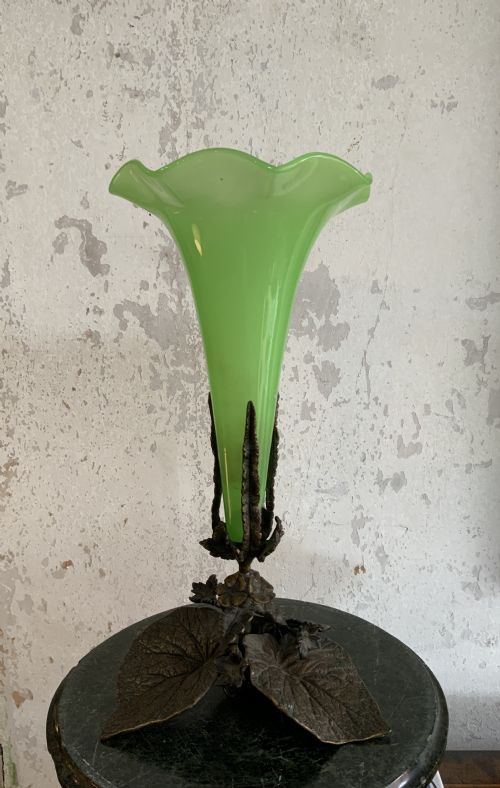
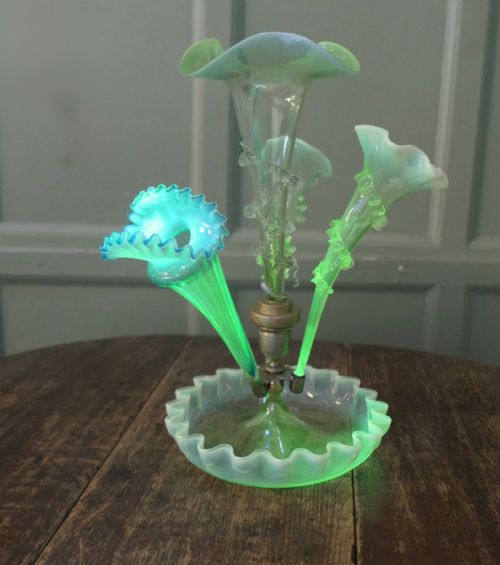
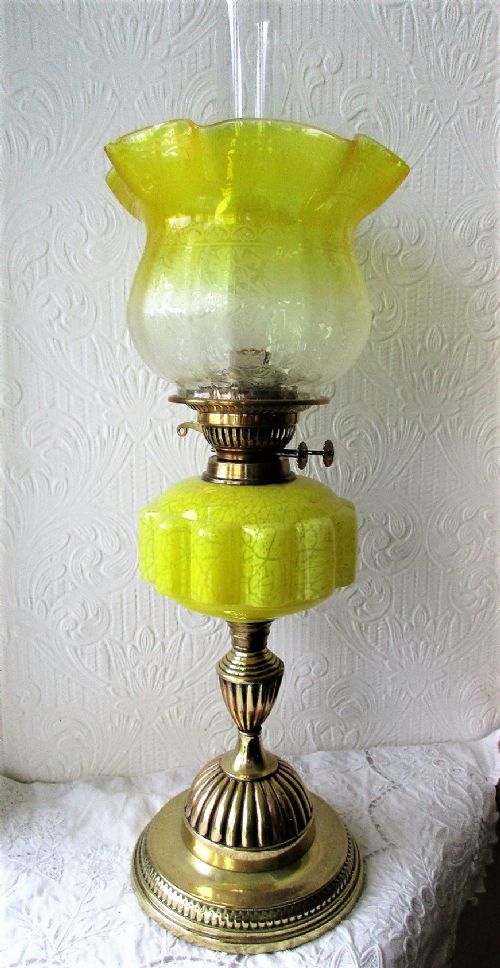
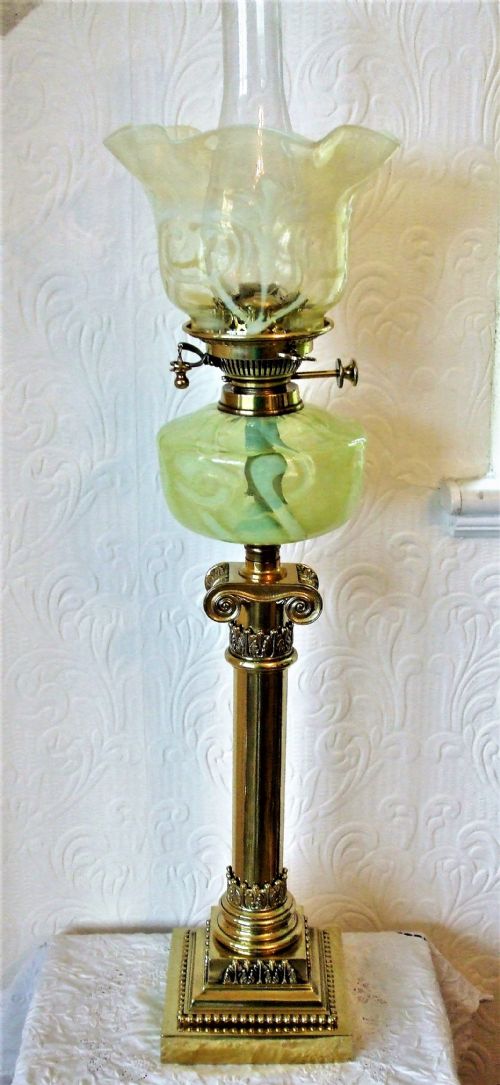
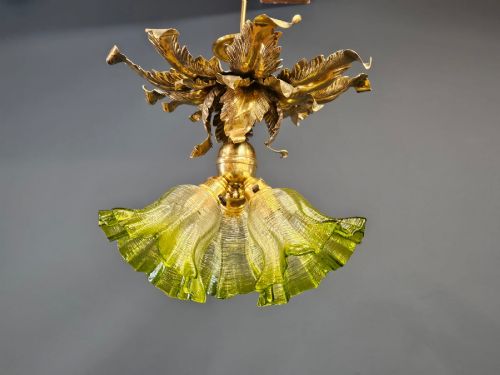
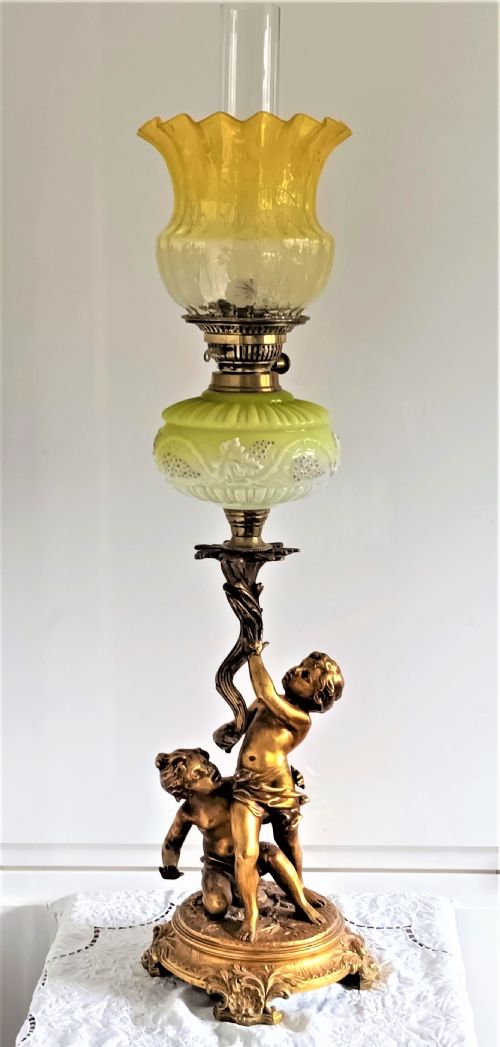
The material appears in domestic settings through oil lamps, ceiling lights, wine glasses, and elaborate epergnes. Pieces range from simple pressed dishes to hand-blown cornucopia vases and silver-plated centrepieces mounted in brass or metal stands.
Most examples originate from nineteenth-century production periods, frequently associated with Victorian, Edwardian, and Art Nouveau styles. Collectors find these items preserved both as individual drinking vessels and as complex multi-trumpeted centrepieces.
Production materials and techniques
Makers introduced uranium oxide into the glass batch to achieve the characteristic yellow and green colouration that reacts strongly under black light. Glassblowers shaped the molten material by hand or pressed it into moulds to create tableware, lampshades, and decorative ornaments.
Many items combine glass with structural mountings of brass, bronze, silver plate, or cast iron. Metal components provide support for oil lamps, perfume bottles, and centrepieces, integrating metalwork with coloured glass elements.
Techniques such as hand blowing, opalescent shading, and gilding appear across the surviving inventory. Artisans combined vaseline glass with cranberry glass, amber glass, or amethyst glass to produce dual-colour effects and frilled borders.
Markers of quality and execution
Quality depends on the precision of the glassblowing technique and the crispness of moulded details such as leaf designs and fluted trumpet edges. Finer vessels display even colour saturation and balanced proportions without heavy bubbles or distortion.
The integration of metal mounts influences the overall standard of a piece, particularly in silver-plated stands, Corinthian columns, and bronze bases. Maker attribution and original matching components, such as burners on oil lamps and matching shades, elevate the standing of an item.
The complexity of the form dictates distinction, separating standard tableware items from multi-part epergnes, scent bottles, and cornucopia vases. Condition of the glass surface and the retention of original silver-plated mountings complete the evaluation of quality.
Hinks Ionic Column·WMF·Whitefriars·Deykin & Sons
The Victorian Vaseline Glass Glossary
- Uranium Glass
- Glass containing small amounts of uranium dioxide added as a colouring agent, producing a yellow or yellowish-green hue that fluoresces brightly under ultraviolet light.
- Epergne
- A large table centrepiece featuring a central bowl with multiple detachable trumpets or arms used for holding fruit, flowers, or sweets.
- Opalescent Glass
- Glass possessing a milky, translucent quality where the edges or raised patterns display a contrasting milky-blue or white tone.
- Lustre
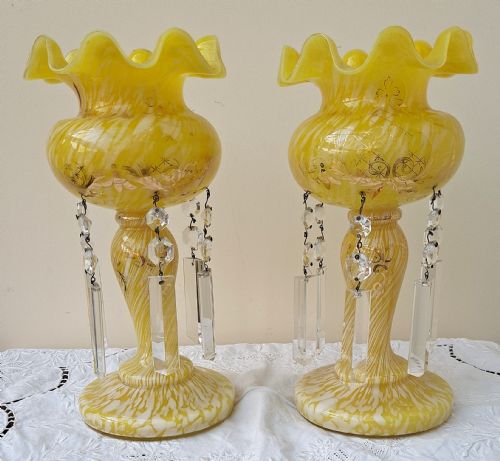
- A mantel ornament featuring a bowl or vase fitted with hanging glass prisms designed to refract candle or daylight.
- Posy Vase
- A small vessel specifically proportioned to hold a short bunch of cut flowers.
- Bonbon Dish
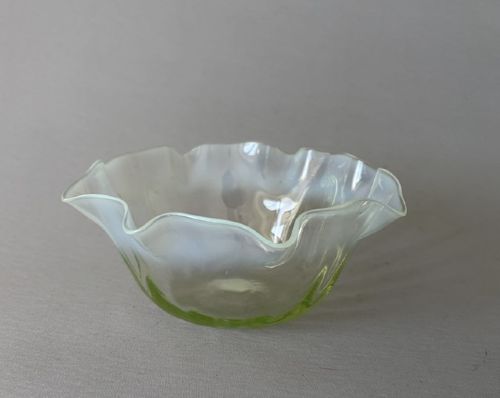
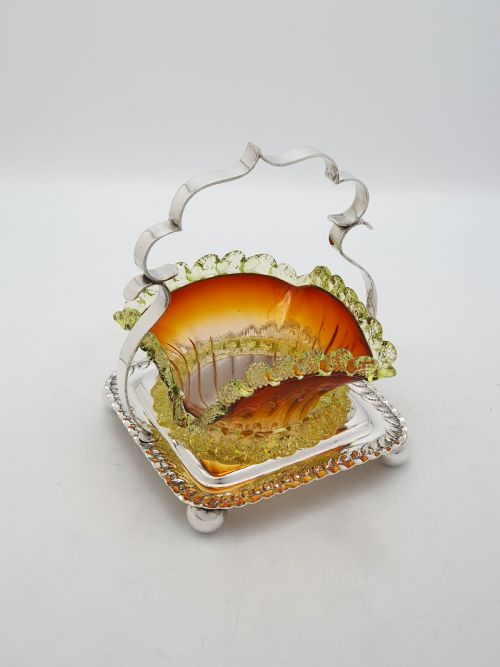
- An open dish or bowl created for serving small sweets, often fitted into a silver-plated metal stand.
Victorian Vaseline Glass: Frequently Asked Questions
How do I identify vaseline glass?
Vaseline glass is identified by its transparent or translucent yellow-green tone and its distinct bright green fluorescence when exposed to ultraviolet light. The colour ranges from pale lemon yellow to deep greenish-yellow depending on the concentration of uranium oxide used in the batch.
Examining the object under a black light confirms the presence of uranium content. Additionally, the texture and weight reflect nineteenth-century manufacturing methods such as hand blowing and mould pressing.
Are these items safe to use?
Objects made from uranium glass contain trace amounts of radioactive material trapped within the glass matrix. While the radiation levels are extremely low and generally considered safe for display, daily use for acidic food or drink is often avoided by collectors.
Most buyers choose to display these pieces as decorative art rather than functional tableware. Handling and normal proximity pose negligible risk during everyday curation.
What is an epergne?
An epergne is a decorative table centrepiece featuring a large base bowl fitted with multiple detachable trumpets or hanging baskets. Victorian examples frequently combine vaseline glass and opalescent glass to create elaborate table displays for flowers or fruit.
These centrepieces were manufactured in matching sets where each trumpet slips securely into the central bowl. The complexity of the glassblowing required for multiple trumpets makes complete surviving sets notable finds.
How do I date these pieces?
Dating relies on stylistic indicators such as Victorian, Edwardian, or Art Nouveau design motifs combined with manufacturing characteristics. Pieces incorporating brass oil lamp mechanisms or silver-plated stands often align with specific nineteenth-century production periods.
Comparing forms like wine glasses, decanters, and lamp shades with archival records helps narrow the date of origin. Maker marks on accompanying metal bases or silver plate also provide fixed chronological points.