



Trumpet Flute Vase
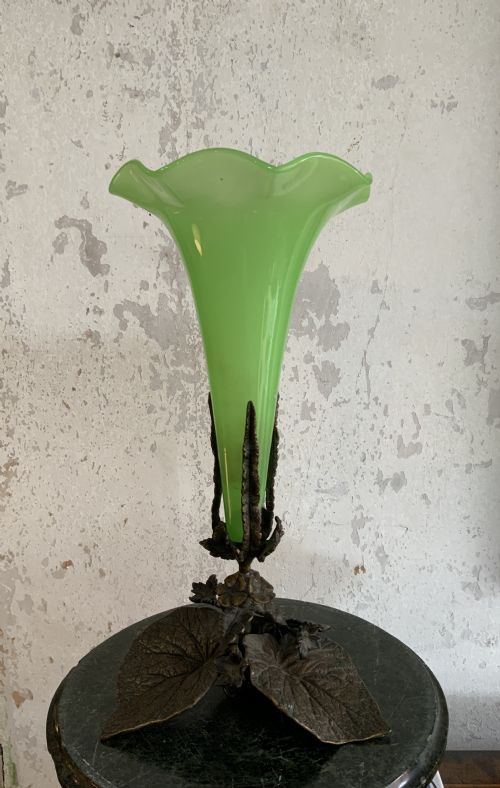
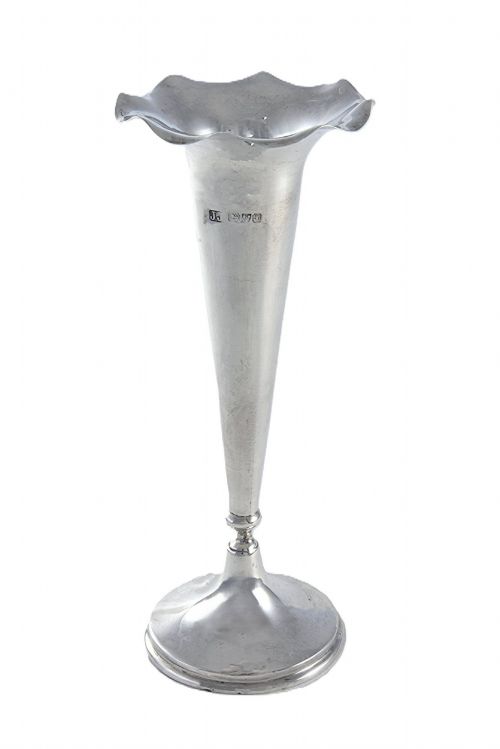
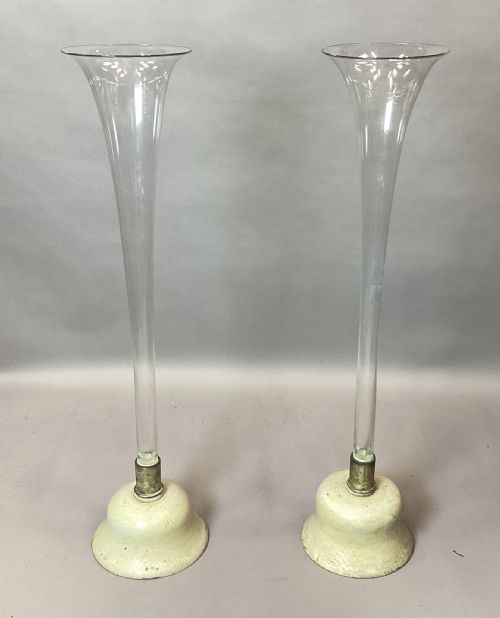
These trumpet flute vase examples combine slender profiles with flared rims, offering striking centrepieces for floral displays.
Trumpet Flute Vase
A trumpet flute vase brings vertical height and architectural form to any room, taking inspiration from periods spanning the Victorian era through to the Art Deco movement. These vessels appear in diverse configurations, from single slender flutes to multi-stemmed epergnes designed to hold elaborate floral arrangements.
Makers shaped these objects using materials ranging from glowing cranberry glass and uranium glass to solid sterling silver, silver plate, crystal, and bronze. Floor vases reach substantial heights, while smaller posy vases and twin-fluted designs suit tabletop display.
Materials and Construction Techniques
Glass production involved free-blowing or mould-blowing techniques, incorporating coloured glass batches such as cranberry and uranium glass, sometimes enriched with white cane decoration and pink trails. Metal versions utilised sterling silver or silver plate over base metals, occasionally combined with gilt bronze mounts.
Silversmiths and metalworkers hammered, spun, or cast metal components, soldering weighted bases to stable feet. Glass flutes were often fitted into removable metal collars or set directly into heavy bronze and brass mounts.
Some uranium glass bases conceal their luminous green glow until darkness falls and ultraviolet light hits them.
Distinctions in Quality
Quality rests upon the crispness of the metalwork, the weight and clarity of the glass, and the harmony of mixed media components like bronze and crystal. Superior examples display balanced proportions, clean hallmarks on silver elements, and smooth, unblemished glass surfaces.
Artistry shows in the execution of decorative details, such as Secessionist or Art Nouveau motifs, where confident lines and secure mountings distinguish finer studio and workshop output from standard production.
The Trumpet Flute Vase Glossary
- Epergne
- A central table centerpiece featuring multiple detachable vases or baskets branching from a single base. These elaborate table decorations appeared frequently in Victorian dining settings.
- Cranberry glass
- A rich red-pink transparent glass created by adding gold chloride to the molten batch. It gained immense popularity during the nineteenth century for decorative tablewares.
- Uranium glass
- Glass containing a small percentage of uranium dioxide, which glows a vivid green under ultraviolet light. It was widely utilised across Victorian and Edwardian decorative items.
- Silver plate
- A layer of silver fused or electroplated onto a base metal such as brass or copper. This technique allowed manufacturers to produce ornate domestic wares at accessible costs.
- Crystal
- A high-clarity glass produced by introducing lead oxide into the batch. This addition increases weight, brilliance, and the refraction of light.
Trumpet Flute Vase: Frequently Asked Questions
How were trumpet flute vases used?
These vessels held cut flowers, single stems, or elaborate botanical displays on dining tables, mantelpieces, and sideboards.
Larger floor standing versions and multi-fluted epergnes functioned as focal points in grand Victorian and Edwardian interiors.
What periods do these vases come from?
The available selection spans from the Victorian era through the Edwardian period, encompassing late nineteenth-century French designs.
Pieces also extend into early twentieth-century movements including Arts and Crafts, Art Nouveau, Vienna Secessionist, and Art Deco.
How do I care for silver and glass?
Sterling silver and silver plate require gentle cleaning with appropriate polishes to maintain their finish without removing the metal layer.
Glass flutes need careful hand washing in lukewarm water, avoiding abrasive sponges that might scratch delicate coloured or clear surfaces.
How are different styles identified?
Victorian and Edwardian items often display floral motifs and traditional silver hallmarks, while Art Nouveau pieces exhibit flowing, organic lines.
Secessionist and Art Deco examples show more geometric, streamlined forms executed in chrome, silver, or coloured glass.