


Victorian Mahogany Accent Table
A victorian mahogany accent table brings nineteenth-century warmth and compact utility to a room.
Victorian Mahogany Accent Table
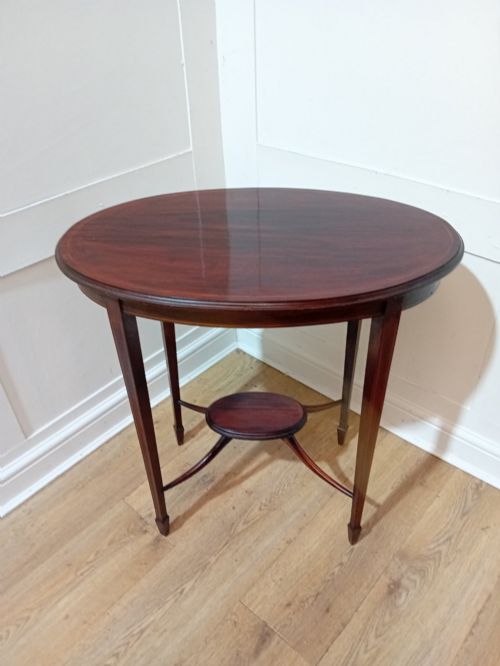
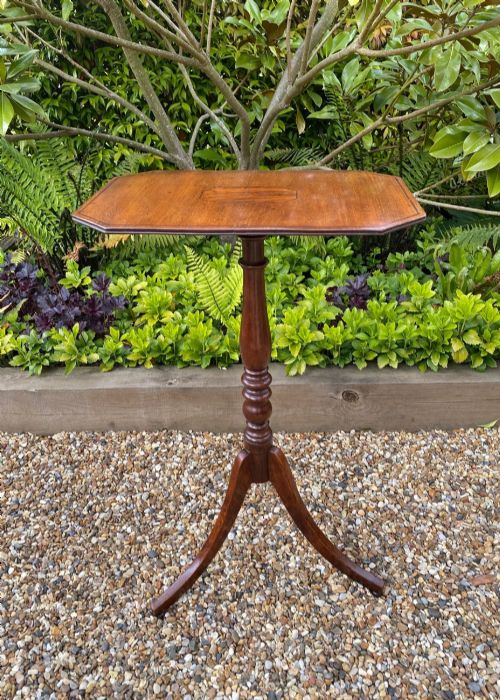
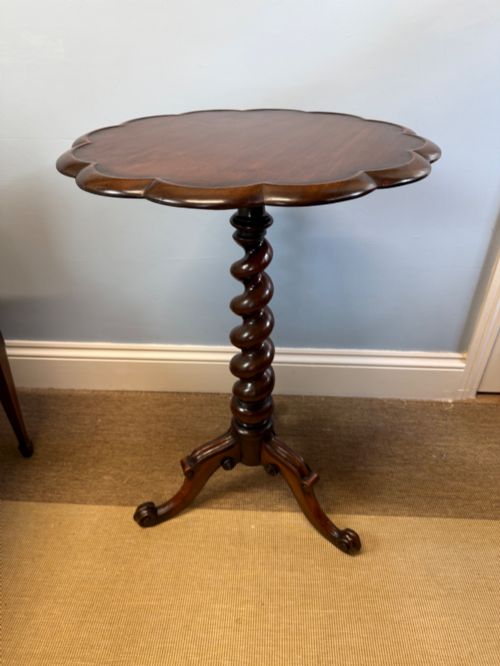
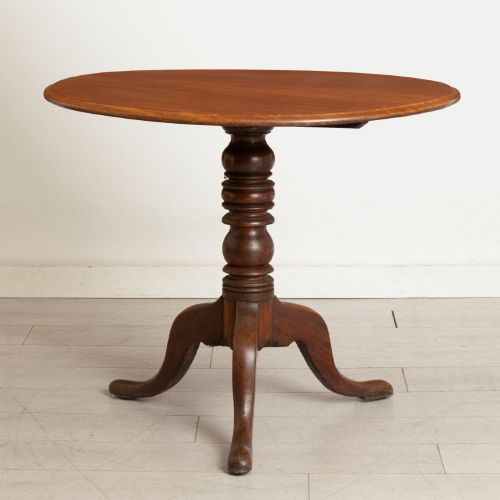
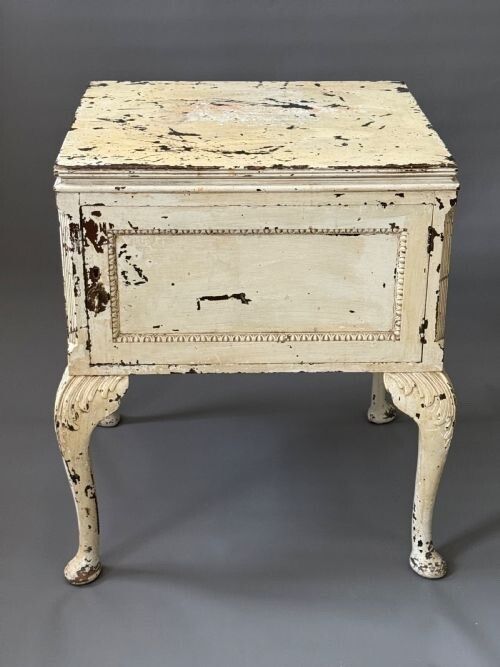
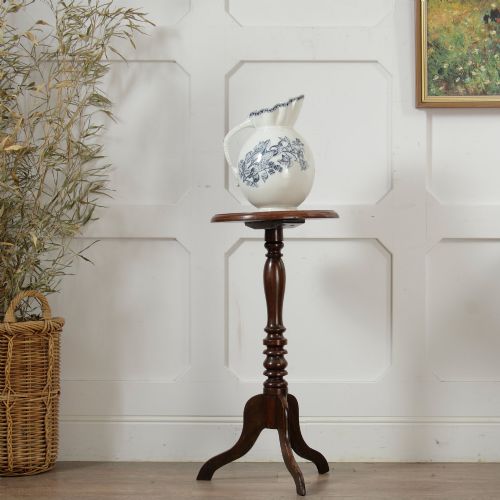
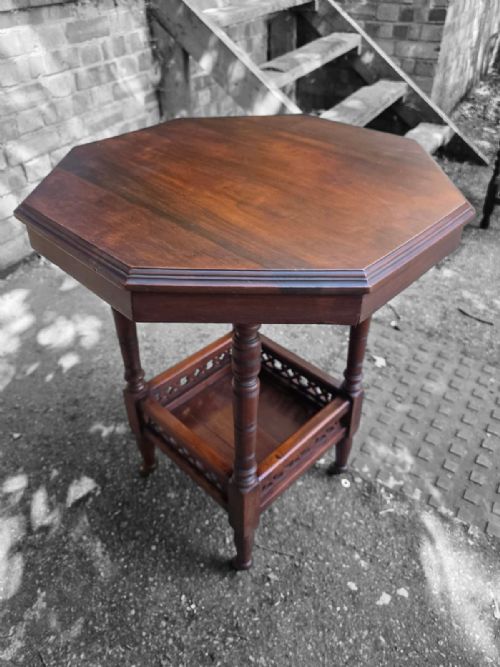
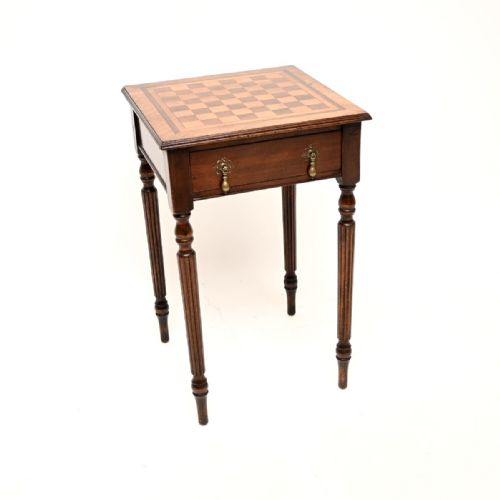
A victorian mahogany accent table encompasses various occasional, side, wine, and Pembroke tables dating from the nineteenth century. These pieces served functional roles in period drawing rooms and parlours, designed to hold lamps, drinks, or needlework.
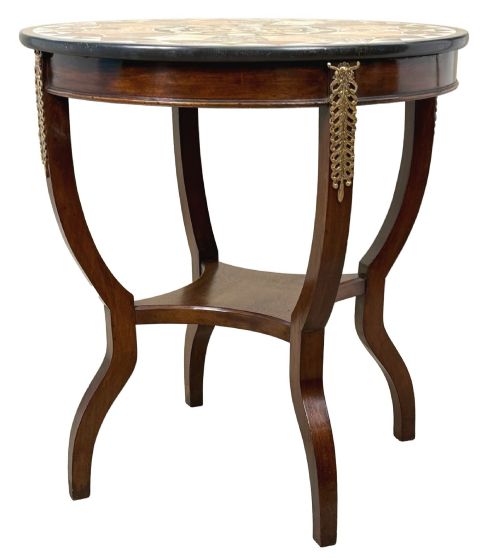
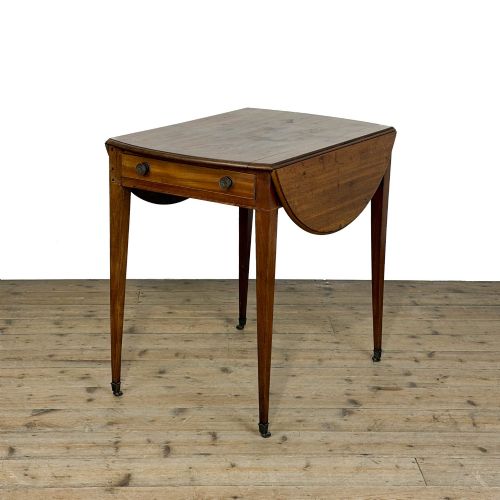
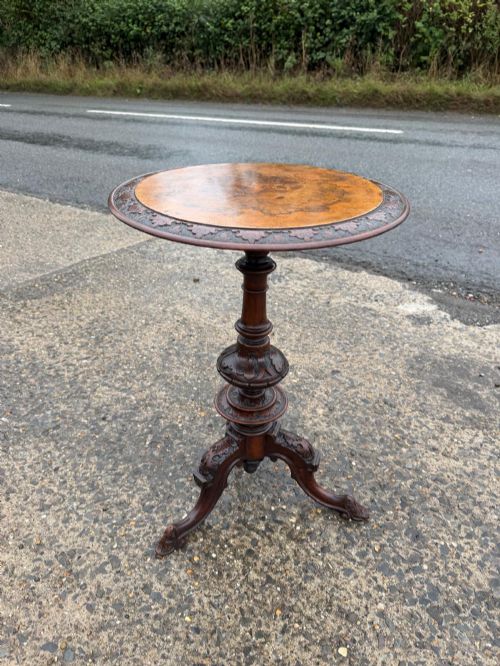
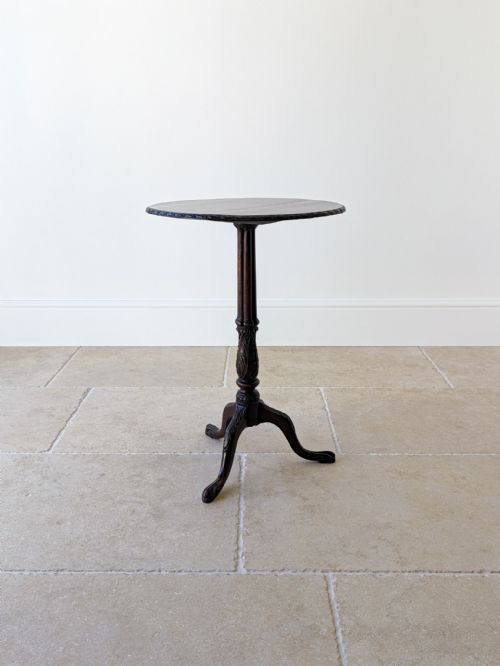
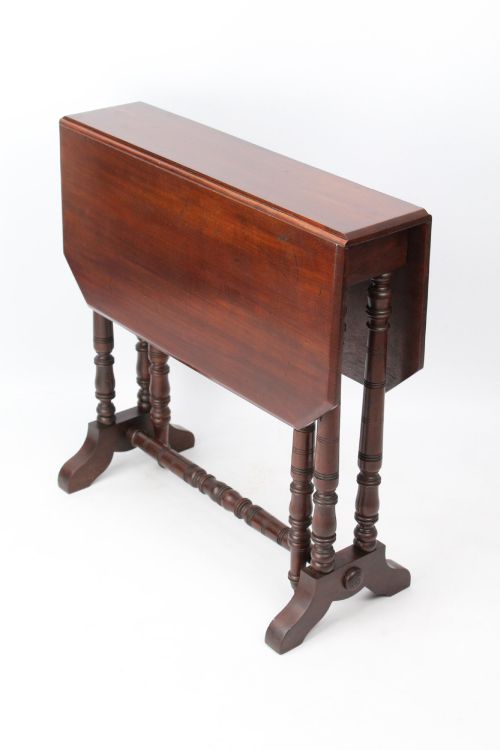
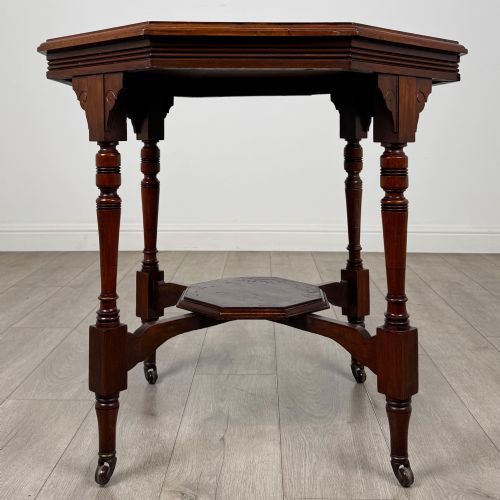
The specimens seen here span specific nineteenth-century decades and adopt revival aesthetics such as Chippendale and Sheraton influences, alongside Aesthetic Movement designs. Circular tripod tables and drop-leaf Pembroke formats appear frequently across the selection.
Materials and Construction
Makers utilised solid mahogany and mahogany veneers, occasionally incorporating burr wood, satinwood, and walnut for contrast. Supporting structures often feature turned pedestals, tripod legs, or cabriole supports.
Surface details include brass mounts, marble tops, and painted highlights, while functional elements encompass tilt-top mechanisms, drop leaves, and drawers.
Victorian Mahogany Accent Table Retail Price Guide 2026
Typical asking prices for victorian mahogany accent table among the pieces listed under this phrase on Sellingantiques today, from the lower quarter to the upper quarter. They describe what is for sale here now, not the wider market.
The listings here include cabinet work by identified London makers alongside numerous regional nineteenth-century pieces.
Craftsmanship and Distinction
Distinctions in quality arise from the selection of timber figure, such as burr wood or matched mahogany grains, and the crispness of carved details on legs and edges. Named makers and documented London firms introduce an additional layer of provenance.
Structural integrity of tilt-top mechanisms, original brass hardware, and the subtlety of secondary woods like satinwood or walnut further divide standard production from finer workshop outputs.
James Shoolbred·Gregory & Co·Druce & Co London
The Victorian Mahogany Accent Table Glossary
- Pembroke table
- A small table with hinged drop leaves on either side, often fitted with a drawer. It originated in the eighteenth century and remained popular through the Victorian era.
- Tripod table
- A small occasional table supported by a central pillar resting on three legs. Many examples feature a tilt-top mechanism to allow vertical storage.
- Wine table
- A compact single-pillar table designed to hold a glass and bottle. These pieces often feature circular tops and delicate tripod bases.
- Aesthetic Movement
- A late nineteenth-century design style that rejected heavy Victorian ornamentation in favour of simplicity and artistic reform. Pieces from this movement often incorporate ebonised wood or distinct linear forms.
- Specimen table
- An occasional table featuring a top composed of various decorative woods or marble arranged in geometric patterns. These top surfaces showcase specialised marquetry or stone inlay techniques.
Victorian Mahogany Accent Table: Frequently Asked Questions
What is a Pembroke table?
A Pembroke table is a small drop-leaf design featuring hinged flaps on two opposing sides. These pieces often include a single drawer and were historically used for breakfast or writing.
Their compact footprint allowed them to sit against a wall when not in use and expand when needed.
Where were accent tables placed?
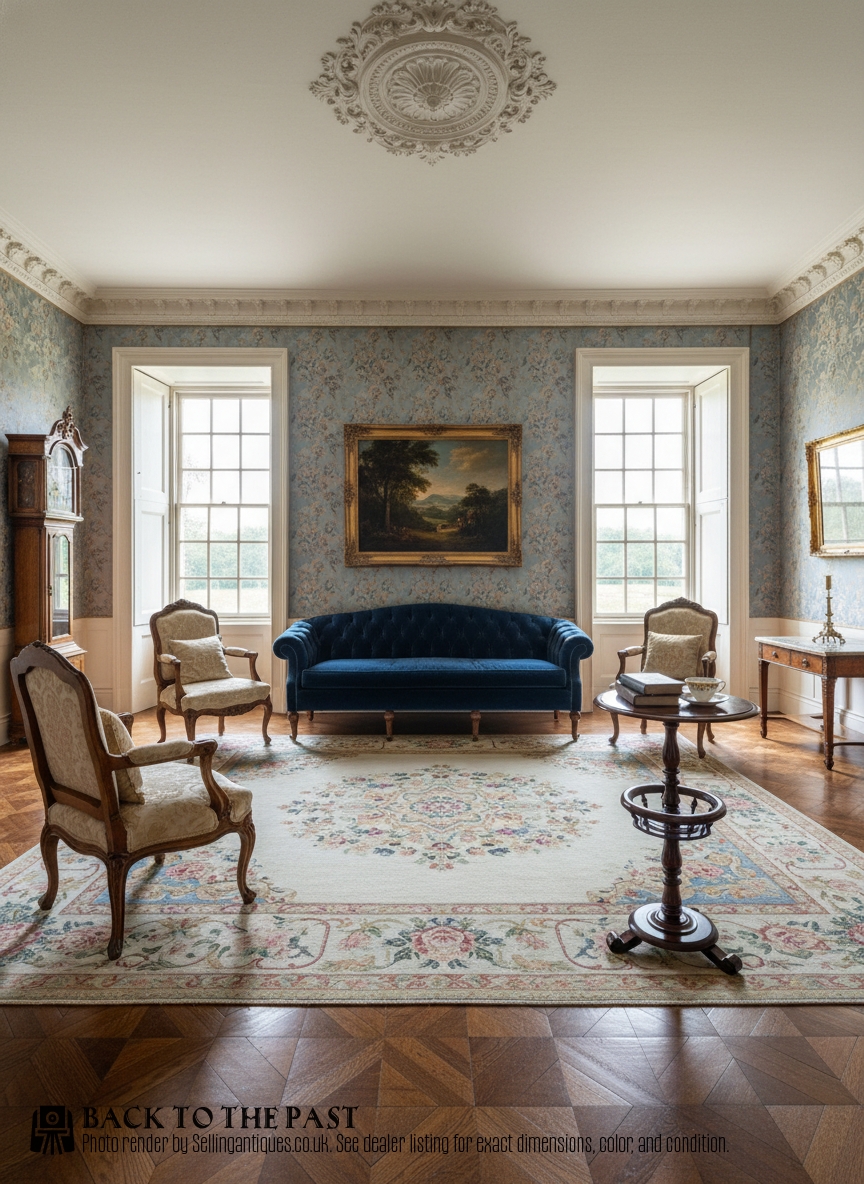
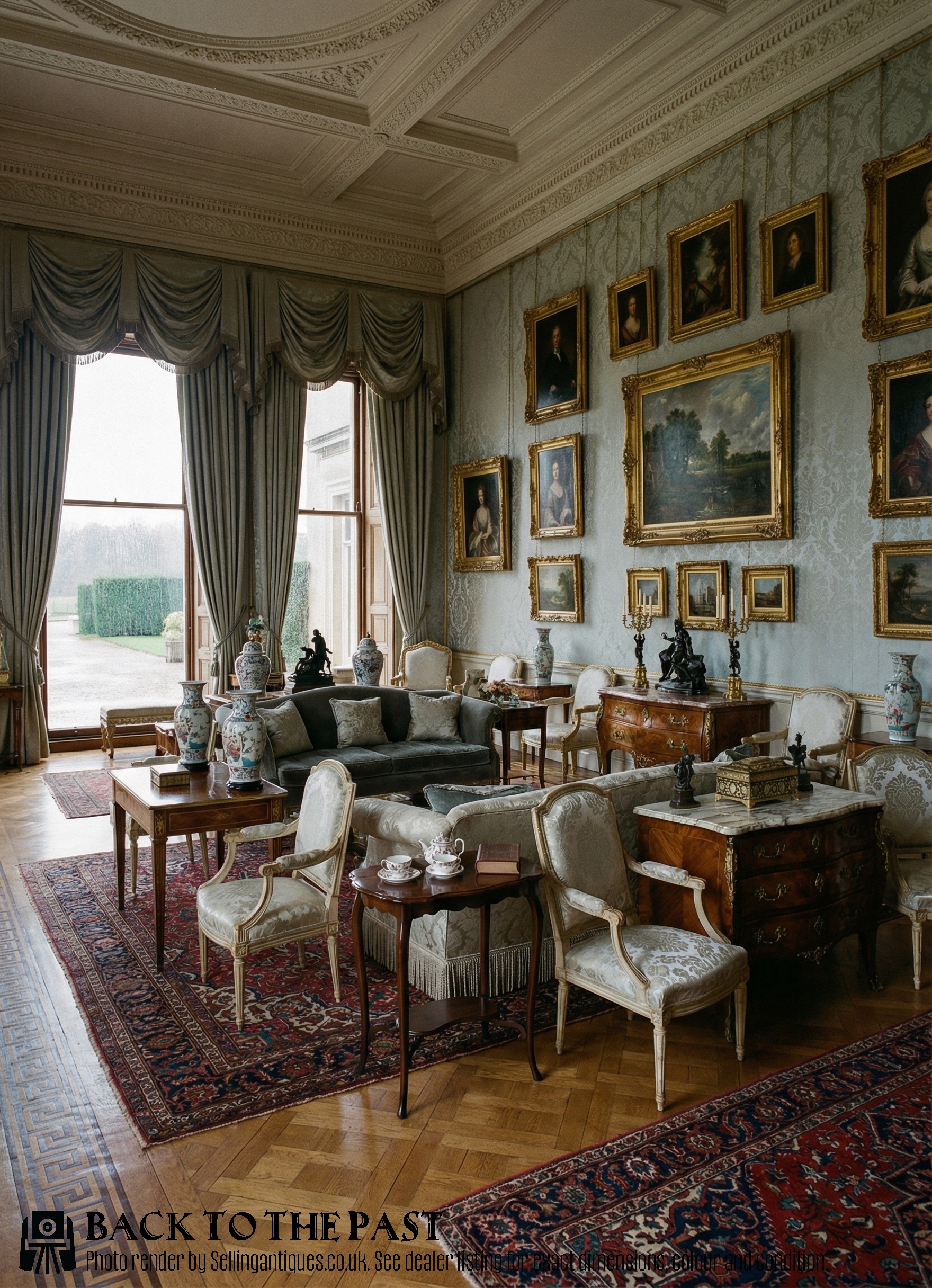
These tables served flexible roles in nineteenth-century drawing rooms, parlours, and bedrooms. They held small lamps, books, sewing equipment, or tea services.
Their movable nature meant they shifted around rooms according to daily requirements.
What is an Aesthetic Movement table?
An Aesthetic Movement table dates from the late nineteenth century and reflects a shift toward artistic design rather than heavy historic revival styles. These pieces often display simpler geometric lines and lighter proportions.
Makers working in this style sometimes incorporated exotic woods or contrasting painted finishes.