
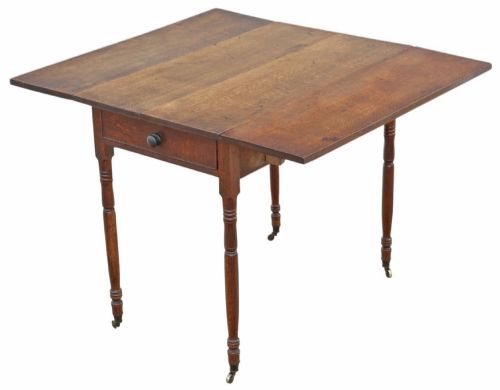
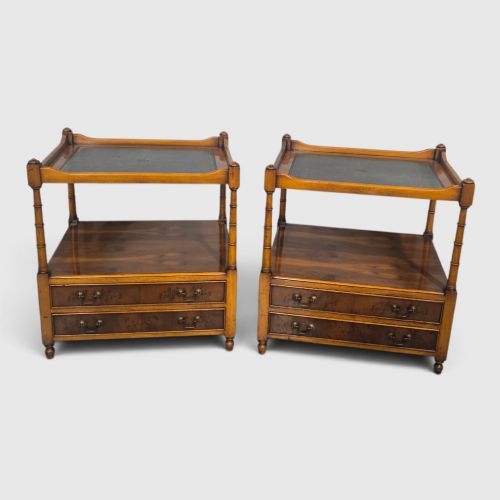


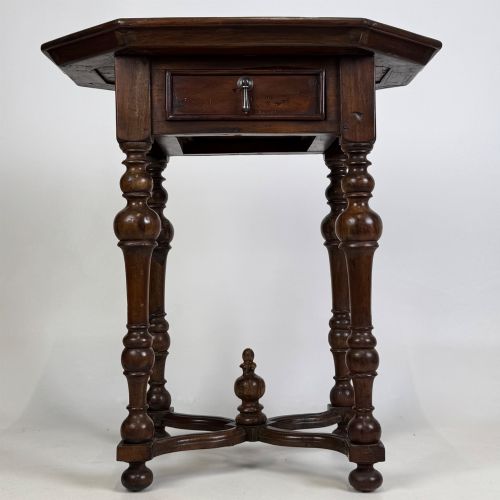
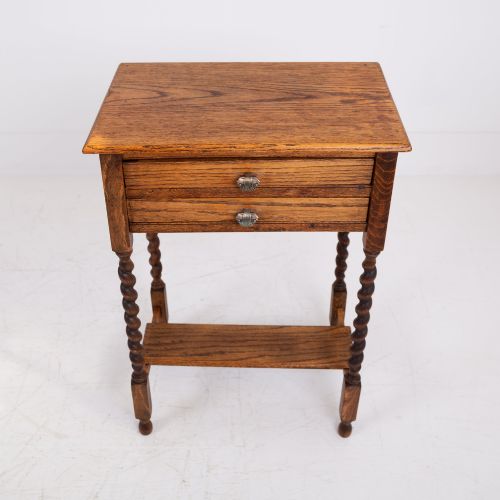
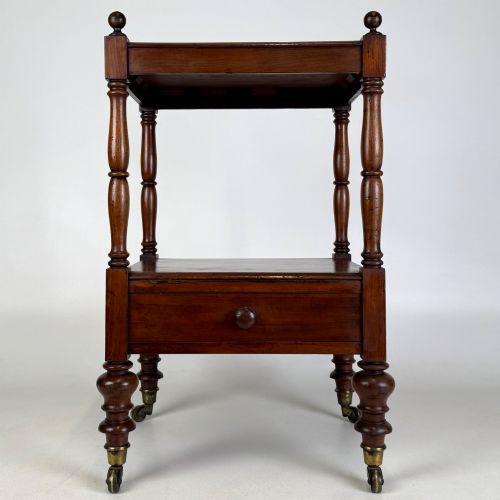
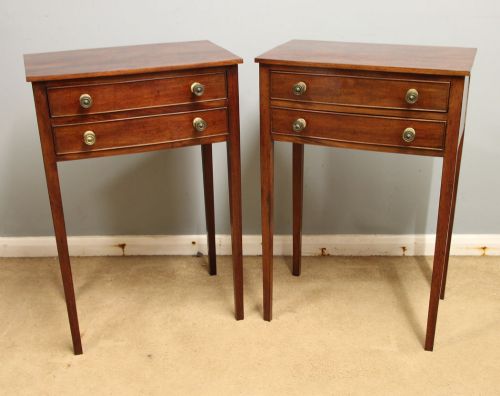
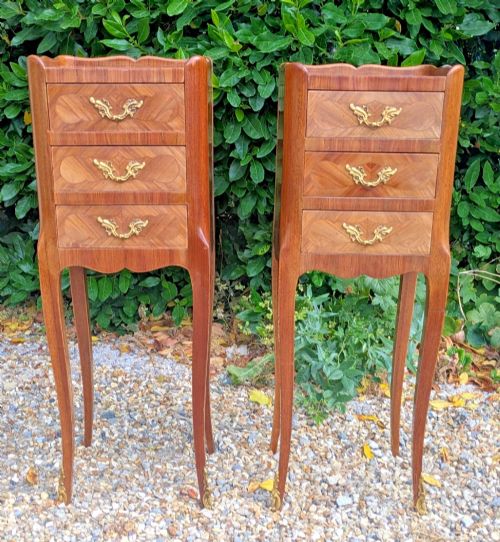
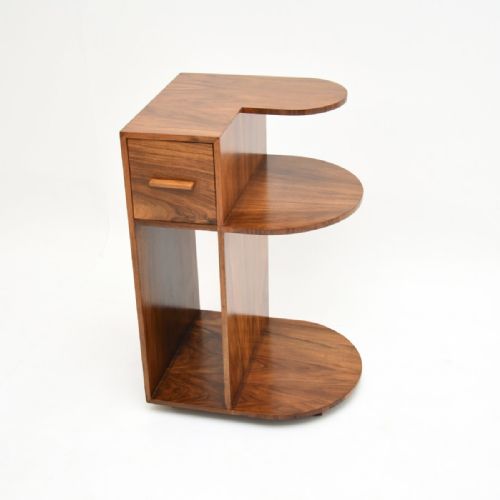
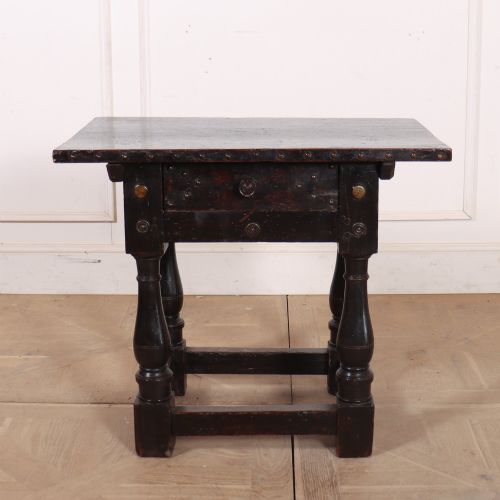
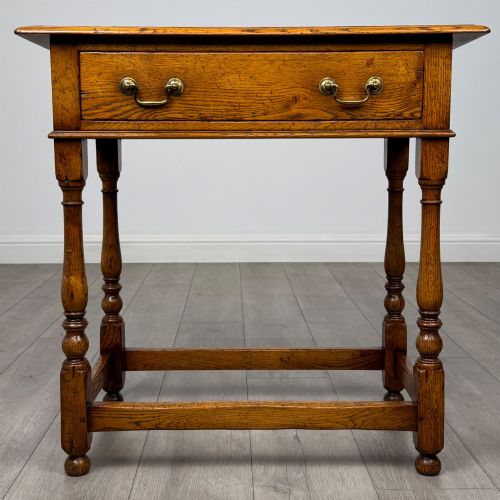
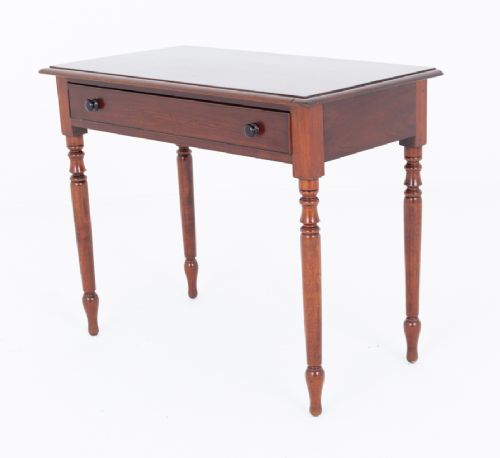
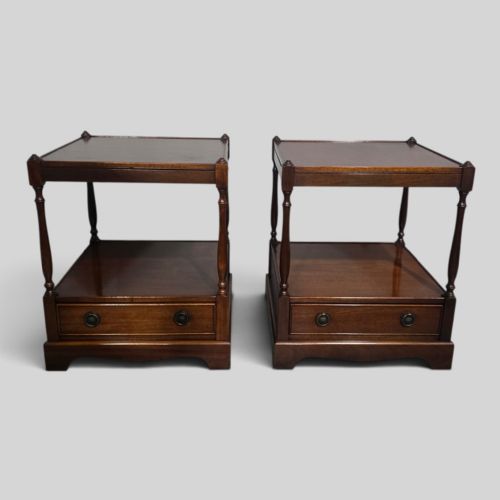
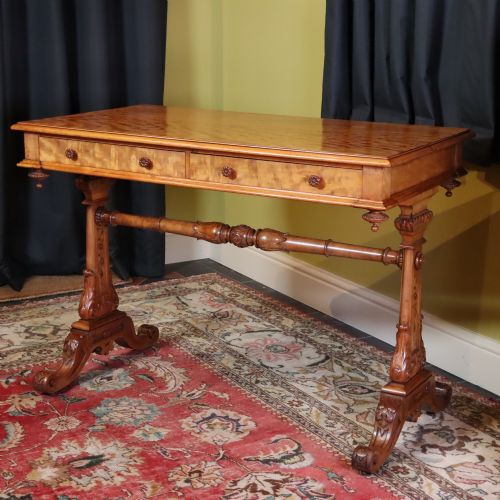
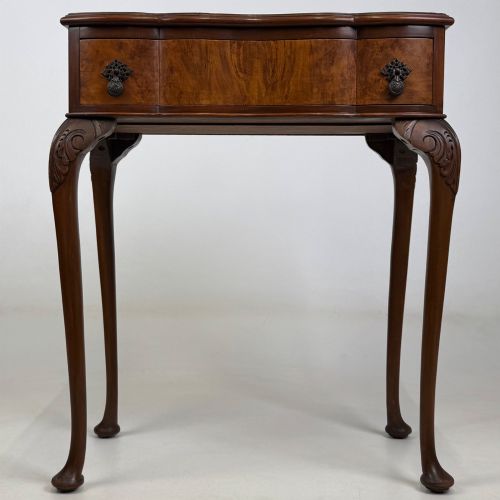
Antique End Table Drawer
These antique end table drawer pieces are compact functional items designed to hold small household necessities close at hand.
What they are
An antique end table drawer combines a convenient surface for lamps and drinks with a discreet compartment for storage, making it a staple of period interiors. You encounter occasional tables, side tables, and drop leaf tables when searching this phrase, spanning periods from the Victorian era into the early twentieth century.
The selection ranges from smaller occasional lamp tables to drop leaf pembroke tables and larger farmhouse or dining tables fitted with end drawers. Mahogany is the dominant wood, accompanied by pine, oak, and fruitwood, often showing styles such as George IV, Queen Anne Revival, and Georgian style.
How they were made
Cabinet makers utilised solid timbers including mahogany, pine, oak, and fruitwood to build these tables, ensuring durability for daily domestic use. Joinery techniques connect the legs and frames securely while allowing the timber to move naturally with humidity changes.
Hardware such as brass handles and decorative inlay work using boxwood provide functional and visual contrast to the polished timber surfaces. Drop leaf mechanisms rely on sturdy hinged flaps and swing brackets to support extended surfaces reliably.
Retail Price Guide 2026
Typical UK retail prices for end table drawer, calculated from the Sellingantiques database of over a million retail prices indexed since 2003. This retail price guide relies exclusively on Sellingantiques data; no external sources or auction records are used, so the figures do not describe the wider market.
Listings feature items spanning the Victorian era through the 1930s, constructed in mahogany, pine, oak, and fruitwood.
What varies in quality
The distinction between standard utility items and finer examples lies in the selection of timber grain and the precision of the joinery. Superior pieces display carefully matched veneers, tight dovetail joints on the drawer construction, and intact original hardware.
Proportion and decorative restraint also signal a higher grade of manufacture, where carved details or inlaid boxwood lines enhance the design without overwhelming the practical form of the table.
The Antique End Table Drawer Glossary
- Pembroke table
- A small form of table featuring two hinged drop leaves on opposing sides, often equipped with a single drawer at one end. This design allows the footprint to expand or contract according to space requirements.
- Occasional table
- A portable piece intended for use as needed in various rooms, frequently utilised as a lamp or side table. These tables prioritise mobility and compact dimensions.
- Drop leaf
- A hinged table flap that folds down to reduce the overall surface area or lifts up to provide extra space. It requires sturdy wooden brackets or swing legs for adequate support.
- Boxwood
- A dense, pale yellow hardwood frequently utilised for decorative stringing and inlay work on finer furniture surfaces. Its fine grain permits precise cutting for geometric patterns.
Frequently Asked Questions
What is an end table drawer?
An end table drawer is a small piece of furniture designed to sit beside seating or beds, providing a top surface and a built-in storage compartment.
These tables accommodate small items like reading materials, writing utensils, or lighting fixtures while keeping clutter contained.
How were these tables used?
Period households utilised these versatile tables in parlours, bedrooms, and dining spaces for serving, holding lamps, or storing personal effects.
The inclusion of a drawer kept essential items close to hand without cluttering the visible surface of the furniture.
What woods were used?
Cabinet makers constructed these tables from a variety of timbers including mahogany, pine, oak, and fruitwood.
Mahogany appears frequently alongside lighter woods like boxwood used for decorative inlay and contrast details.
How do I date a table?
Dating relies on observing construction methods, timber types, and stylistic indicators such as George IV or Victorian design characteristics.
Changes in hardware styles and joinery techniques also offer reliable clues to the period of manufacture.