

Vintage Wood Nightstand
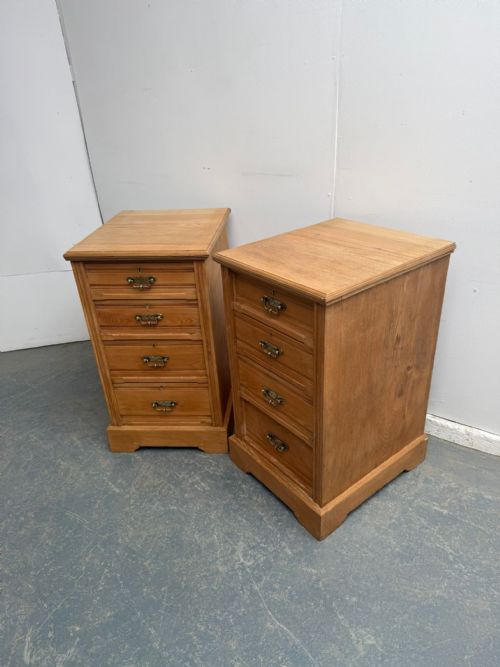
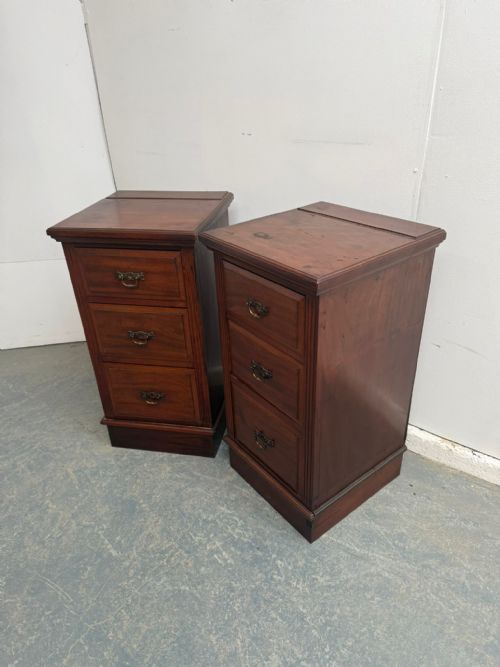
These vintage wood nightstands span Georgian, Victorian, Edwardian, and Art Deco periods, offering practical bedside storage in mahogany, walnut, oak, and satinwood.
Vintage Wood Nightstand
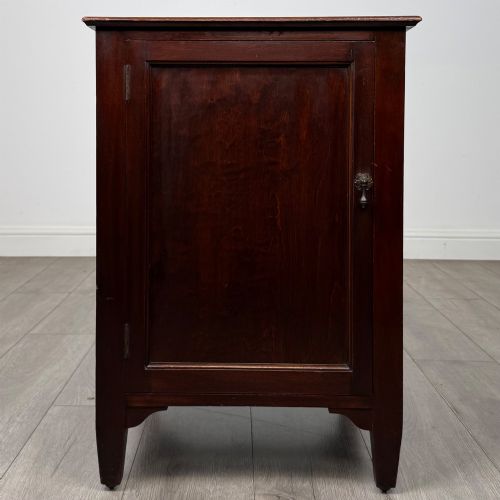
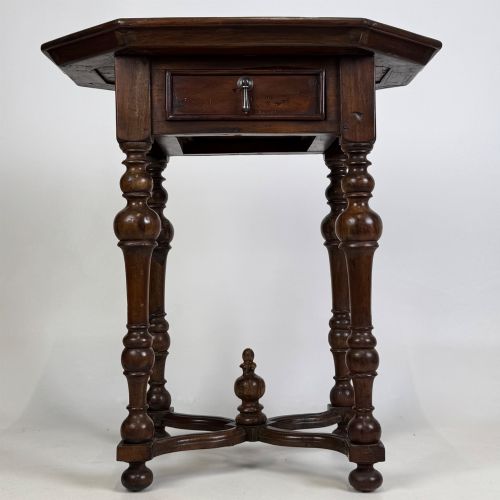
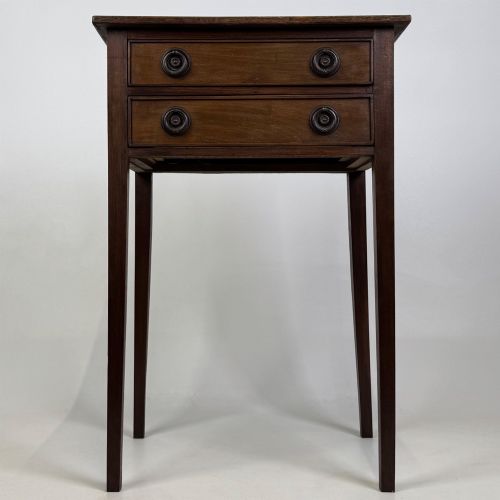
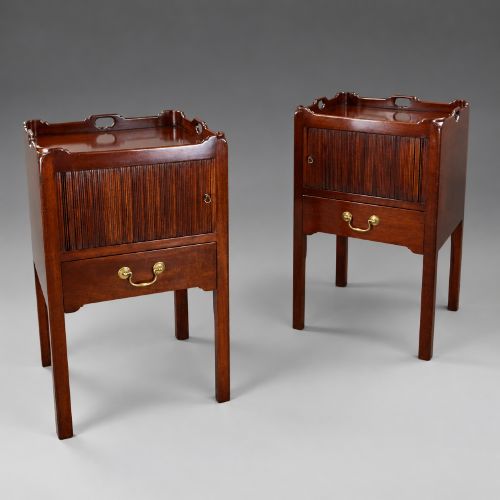
A vintage wood nightstand serves as a bedside companion, taking forms such as bedside tables, cabinets, chests, cupboards, and lamp tables. These pieces originate across the Georgian, Victorian, Edwardian, and Art Deco eras, reflecting shifting domestic needs over centuries.
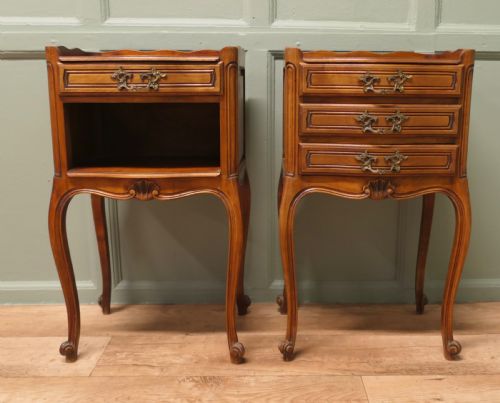
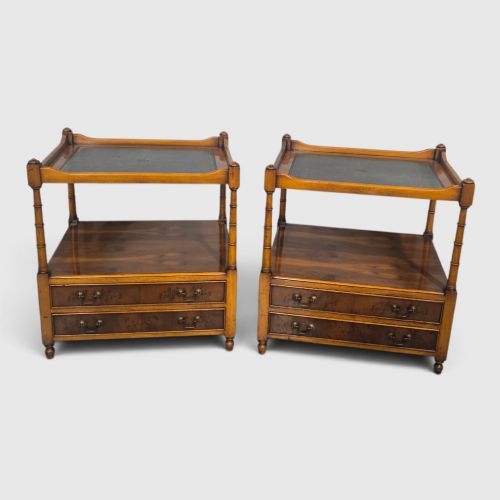
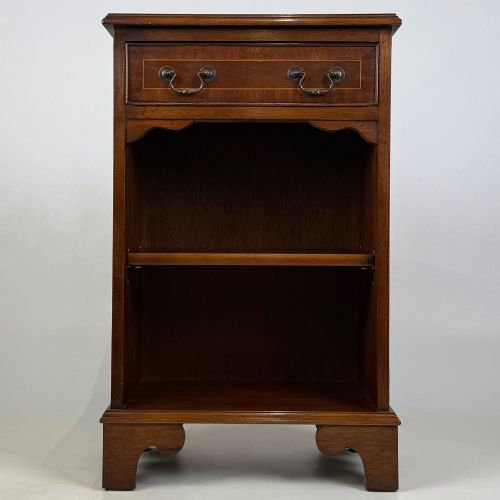
Mahogany predominates among the available forms, alongside walnut, oak, satinwood, ash, yew, and rosewood. Buyers encounter single items as well as matched pairs, frequently fitted with drawers, cupboards, or open shelves.
Materials and construction
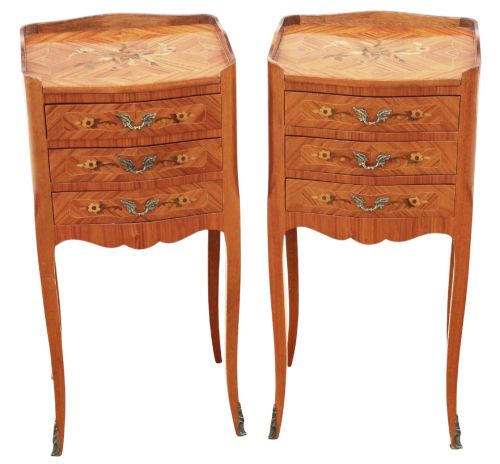
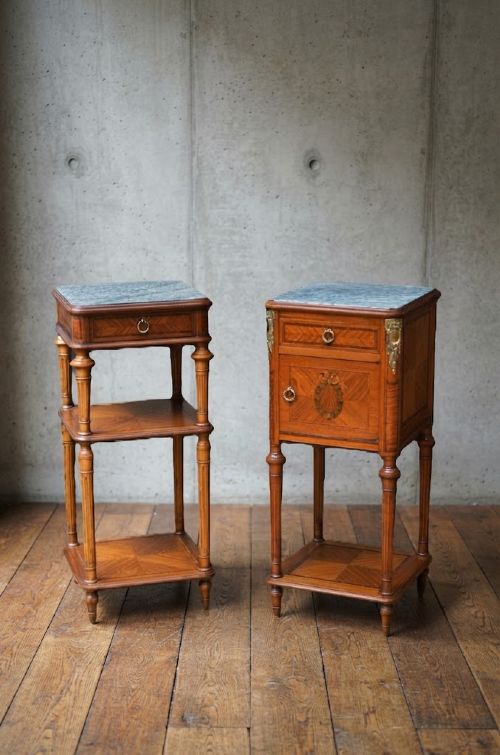
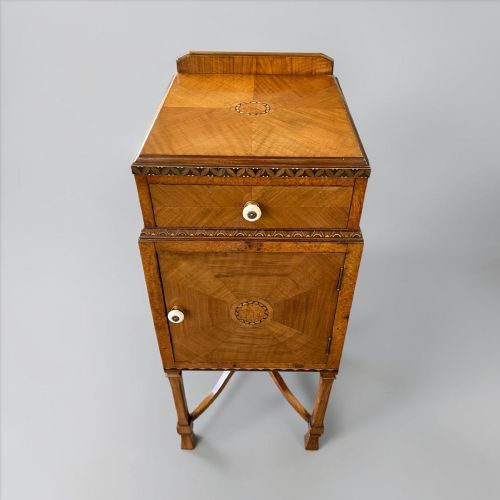
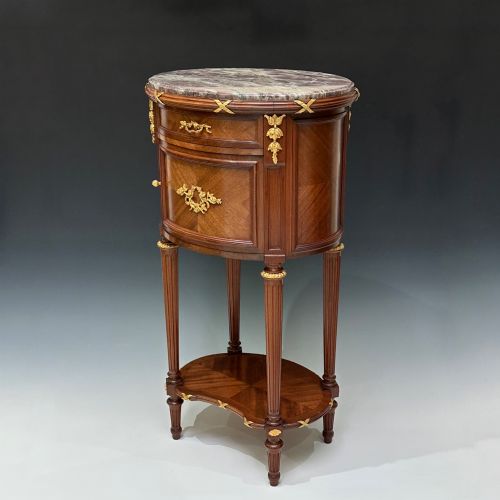
Cabinet makers utilised dense hardwoods such as mahogany, walnut, and oak for structural integrity and refined grain patterns. Inlaid details in satinwood or contrasting timbers demonstrate careful surface decoration on Edwardian and French pieces.
Waxed finishes protect the timber while preserving natural tactile qualities. Structural additions like brass hardware and marble tops appear on select Victorian and Edwardian examples.
Distinctions in quality
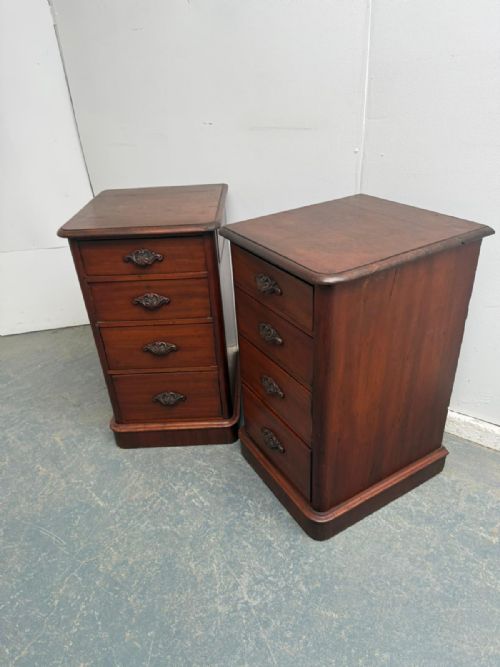
Quality rests upon the selection of timber and the precision of its construction, particularly in figured walnut, mahogany, and marquetry. Matched pairs command greater attention than isolated pieces due to the difficulty of keeping two identical items together over generations.
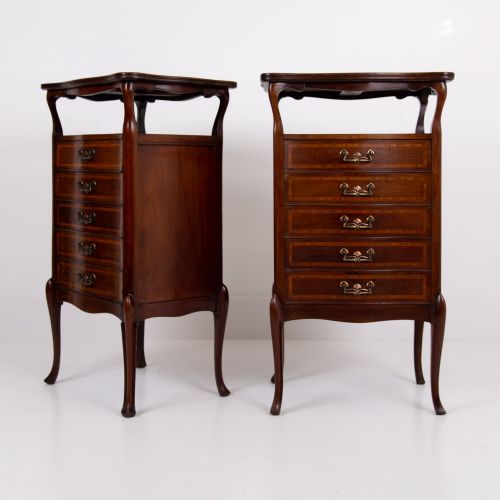
Richer detailing, such as serpentine fronts, brass fittings, inlaid borders, and integrated marble tops, separates standard bedside utility from finer decorative cabinet work.
François Linke
The Vintage Wood Nightstand Glossary
- Night stand
- A small piece of furniture positioned beside a bed to hold a lamp and nighttime necessities. It often takes the form of a cabinet, cupboard, or small chest with drawers.
- Marquetry
- The art of applying decorative veneer pieces to a structure to form ornamental patterns. This technique appears on French bedside tables.
- Pot cupboard
- A traditional enclosed bedside cabinet originally designed to house a chamber pot. Georgian and Victorian examples frequently feature this enclosed form.
- Etagere
- A set of open shelves for displaying small objects. Edwardian versions combine woodwork with brass elements.
Vintage Wood Nightstand: Frequently Asked Questions
What is a night stand?
A night stand is a small bedside table, cabinet, or chest designed to hold lamps, books, and personal items within easy reach of the bed.
Historically known by various terms including pot cupboards and bedside chests, these pieces provide practical enclosed or open storage in the bedroom.
How do I date a bedside cabinet?
Dating relies on stylistic markers, construction methods, and timber choices typical of periods such as Georgian, Victorian, Edwardian, or Art Deco.
Mahogany and satinwood with inlaid details often suggest Edwardian manufacture, while heavy proportions and dark wax point toward Victorian or Georgian origins.
Are pairs difficult to find?
Matched pairs of bedside tables or cabinets occur less frequently than single pieces because furniture from different rooms became separated over time.
Matching pairs from the Edwardian and Art Deco periods are especially valued for symmetrical bedroom decoration.
What woods were used?
Cabinet makers predominantly worked with mahogany, walnut, and oak, supplemented by decorative veneers like satinwood, rosewood, and ash.
Selected pieces incorporate contrasting brass hardware or marble tops to enhance the surface appearance.