
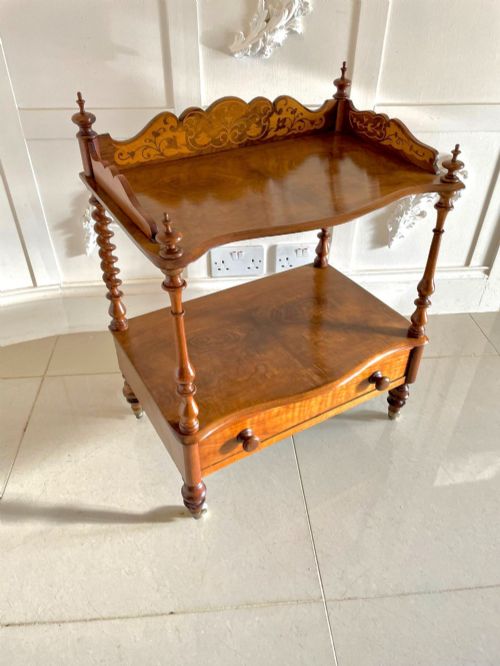
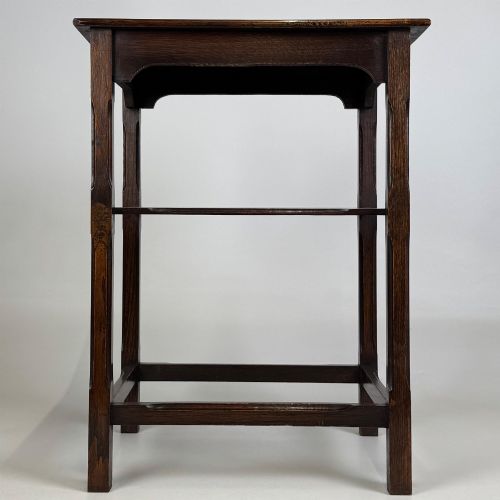
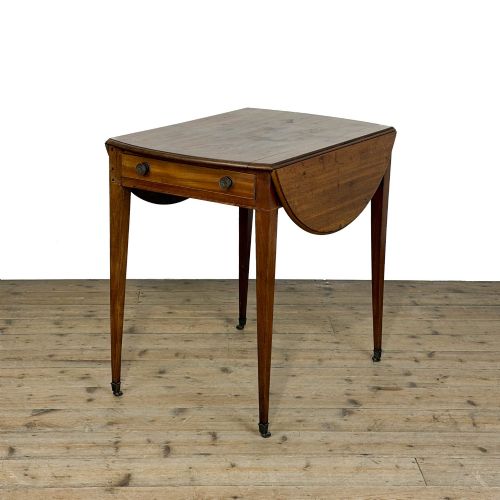

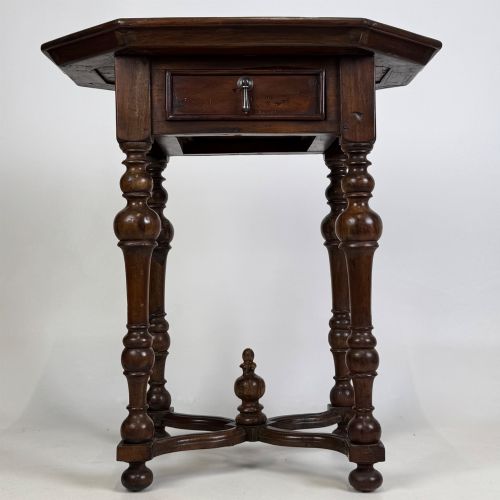
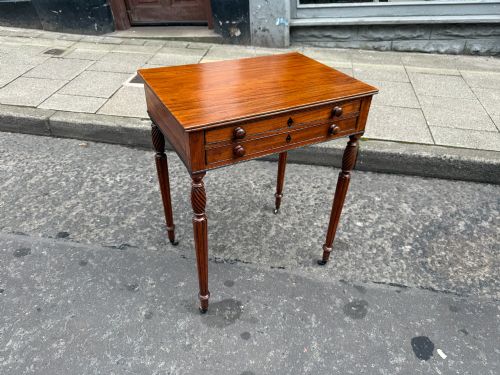
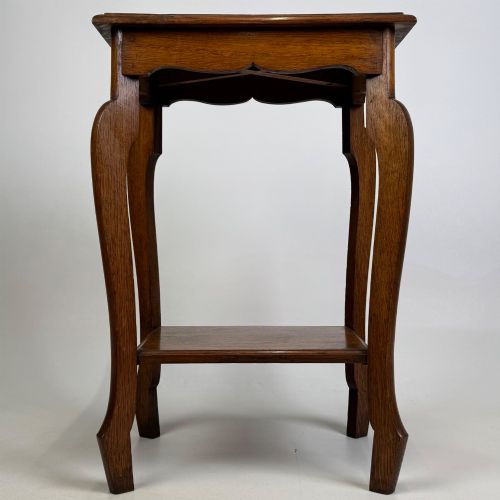
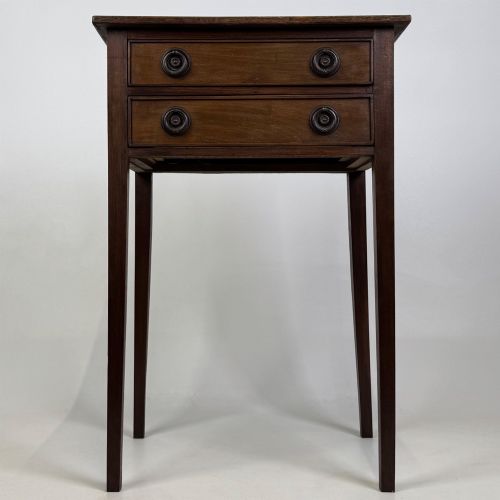
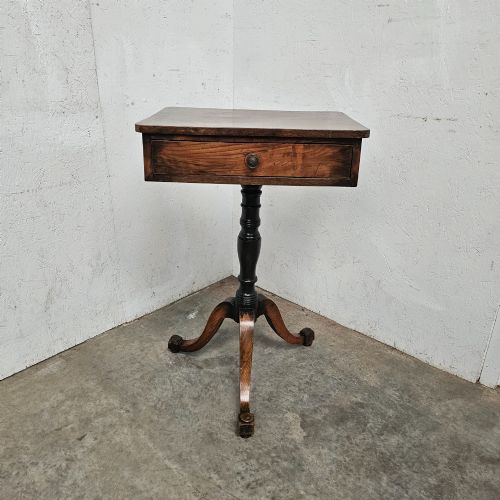
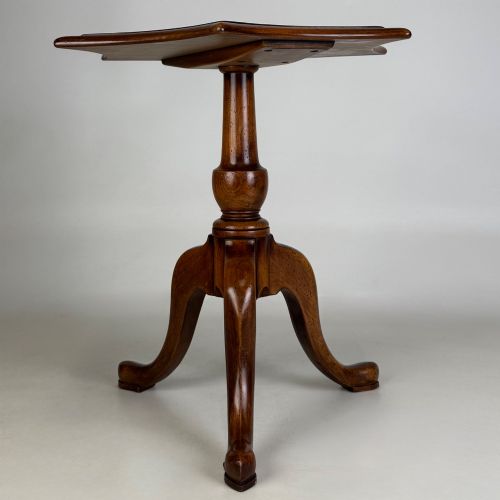
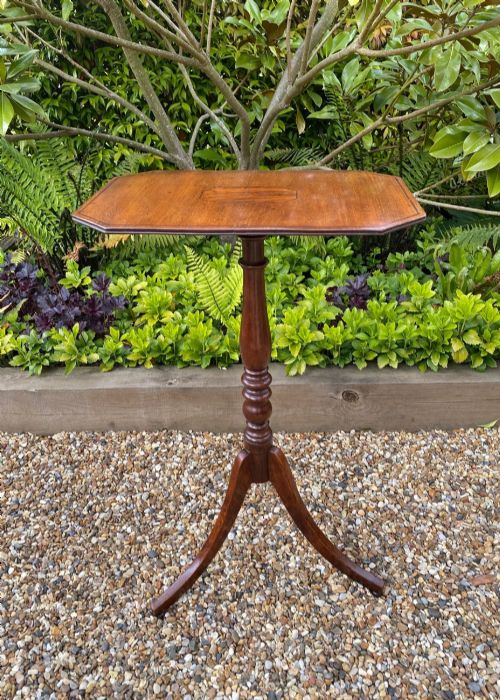
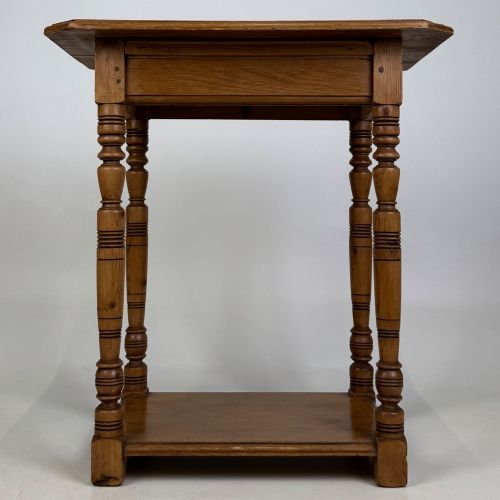
Small Wooden Occasional Table
A small wooden occasional table offers practical surface space and distinct period character, making it a versatile addition to any room.
Small Wooden Occasional Table
A small wooden occasional table is a compact piece of furniture designed for flexible placement throughout a home, serving functions from holding lamps to supporting tea sets. These items span periods including the Georgian, Victorian, and Edwardian eras, reflecting changing domestic habits across centuries.
Origins stretch from English workshops to French provincial makers, incorporating styles such as Regency, Arts and Crafts, and William and Mary. Buyers select them for their ability to fit into tight spaces while bringing genuine historical timber into a room.
How they were made
Construction relies heavily on traditional hardwoods such as mahogany, oak, and walnut, frequently selected for durability and rich grain patterns. Cabinetmakers also utilised decorative timbers like satinwood and fruitwood, sometimes enhancing surfaces with intricate wood inlay or burr walnut veneers.
Joining techniques and mechanical elements define the craftsmanship of these pieces, from the turned columns of pedestal tables to the folding action of gateleg and Sutherland tables. Details like brass fittings, tilt-top mechanisms, and chip carving demonstrate the functional ingenuity applied to domestic furniture.
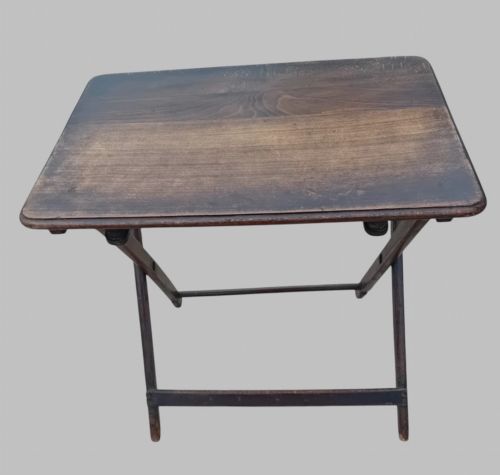
Several tables fold completely flat for campaign use, proving our ancestors loved modular packing just as much as we do.
What varies in quality
Quality in a small wooden occasional table rests largely on the selection of timber and the precision of its construction. Superior examples display carefully matched grain veneers, tight joinery in frames and pedestals, and well-executed decorative elements such as inlay or turning.
Proportion and stability further distinguish finer pieces, particularly in forms like tripod wine tables and nests of tables where balance is essential. Lesser pieces may exhibit simpler secondary woods and coarser assembly, while higher-grade items retain crisp carving and refined historical styling.
The Small Wooden Occasional Table Glossary
- Tilt-top table
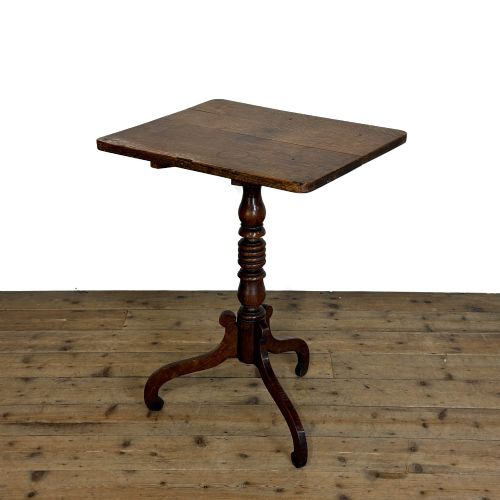
- A table featuring a hinged top that pivots to a vertical position when not in use, allowing the piece to be stored flat against a wall.
- Pembroke table
- A small table equipped with two hinged drop leaves on opposite sides, supported by folding brackets or swinging legs.
- Sutherland table
- A narrow drop-leaf table where the leaves comprise a large portion of the top surface, supported by folding gate legs.
- Wine table
- A compact pedestal table traditionally designed to hold a single glass or bottle of wine near a seating area.
- Nest of tables
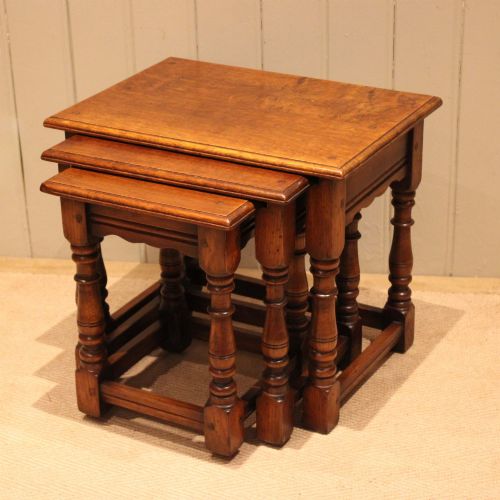
- A set of graduated tables designed to slide neatly beneath one another to save floor space.
Small Wooden Occasional Table: Frequently Asked Questions
What is a small wooden occasional table used for?
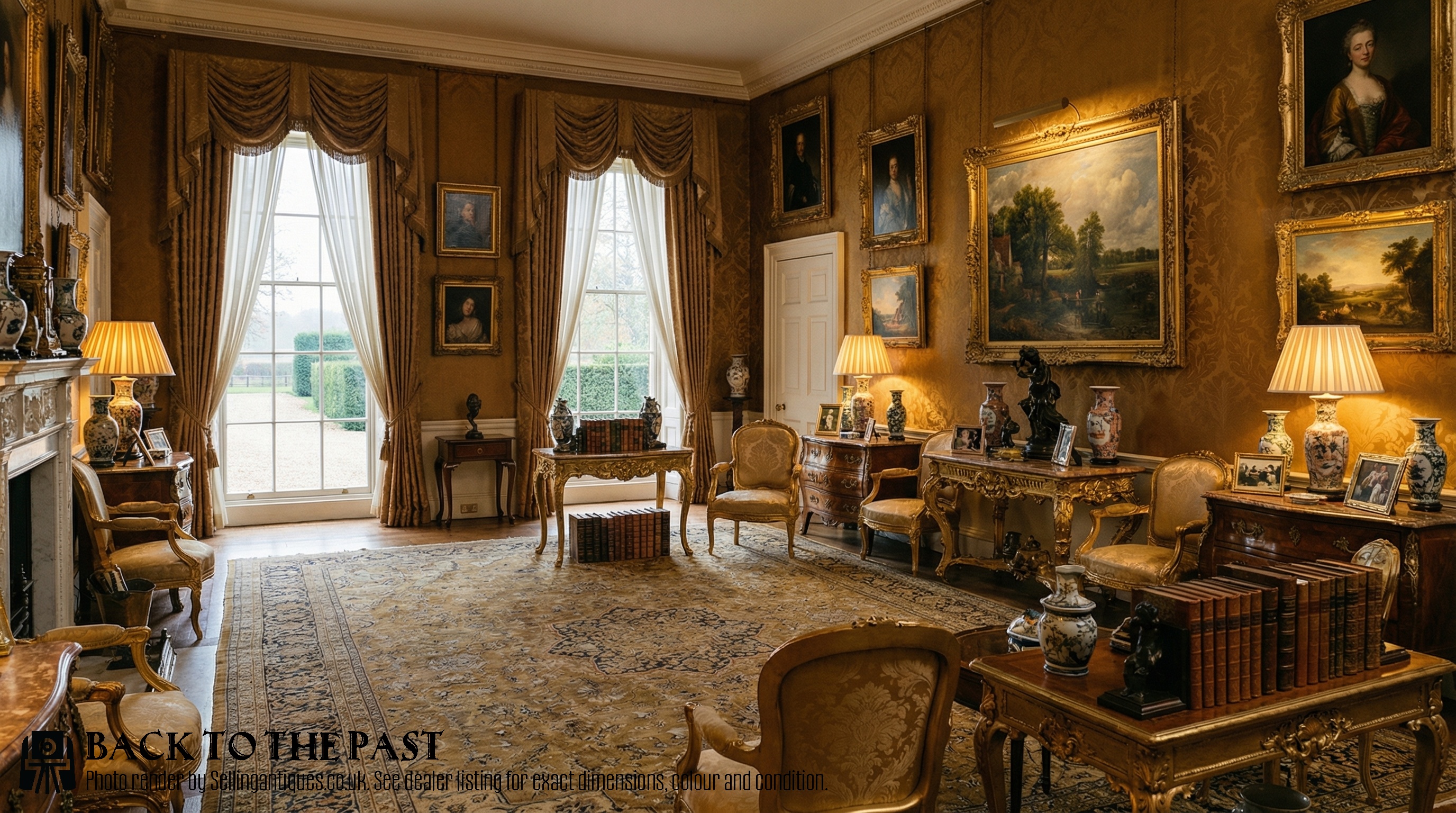
These versatile pieces serve multiple functions in a room, traditionally acting as stands for lamps, books, or drinks beside seating. Their compact dimensions allow them to fill empty corners or awkward spaces where larger furniture will not fit.
Beyond practical utility, they introduce historical character and warmth through traditional timber grains and period designs. Homeowners often utilise them as bedside stands, plant pedestals, or accent surfaces in hallways.
How do I tell a Victorian table from a Georgian one?
Georgian tables, dating from the eighteenth and early nineteenth centuries, generally favour clean classical proportions, understated mahogany or oak surfaces, and restrained decorative carving. They often feature slender tripod bases or simple square legs with functional drawers.
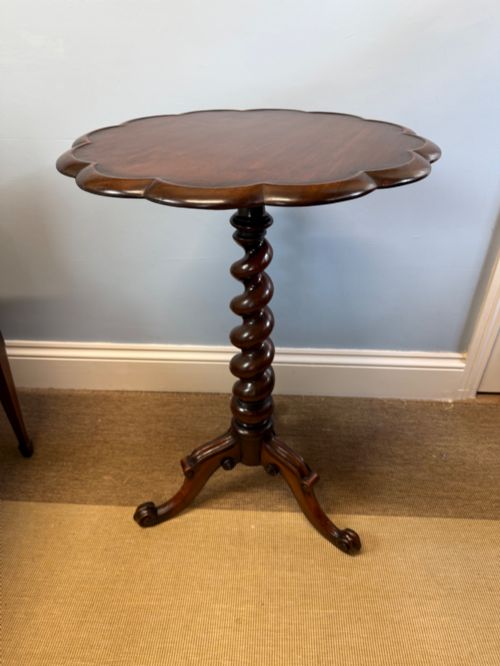
Victorian pieces from the later nineteenth century tend to showcase heavier proportions, darker walnut or burr walnut timbers, and more elaborate ornamentation. You will frequently find richer veneers, turned barley twist supports, and more complex mechanisms like those on Sutherland tables during this period.
Are these tables sturdy enough for daily use?
Most of these tables were built by traditional cabinetmakers using solid hardwoods like oak, mahogany, and walnut, making them durable for everyday placement. Proper construction ensures they easily handle the weight of daily objects such as lamps and coffee cups.
Care should be taken with pieces featuring delicate mechanisms, such as tilt-top pivots or drop leaves, to avoid straining the joints. Placing them away from excessive heat sources will also protect the timber and veneers over time.
What is an Edwardian occasional table?
Edwardian tables date from the early twentieth century and often reflect lighter, more eclectic design influences than their Victorian predecessors. They frequently incorporate satinwood inlay, tapered legs, and practical multi-tier formats like nests of tables.
This era also embraced versatile hybrid forms, including side tables combined with magazine racks or folding campaign frames. Their brighter timber tones and refined proportions make them particularly adaptable to modern interiors.