
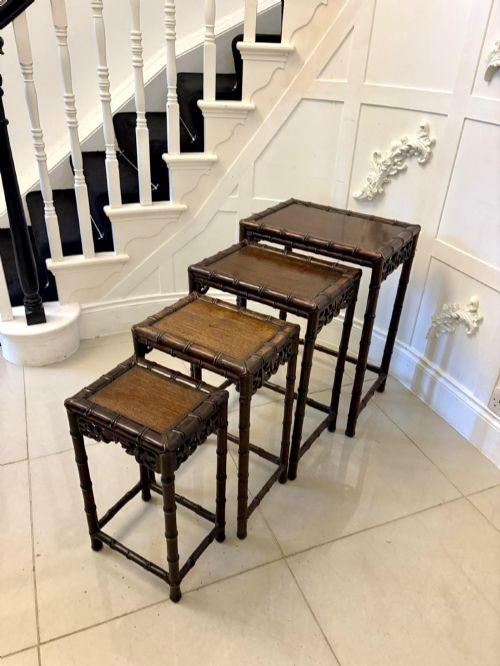
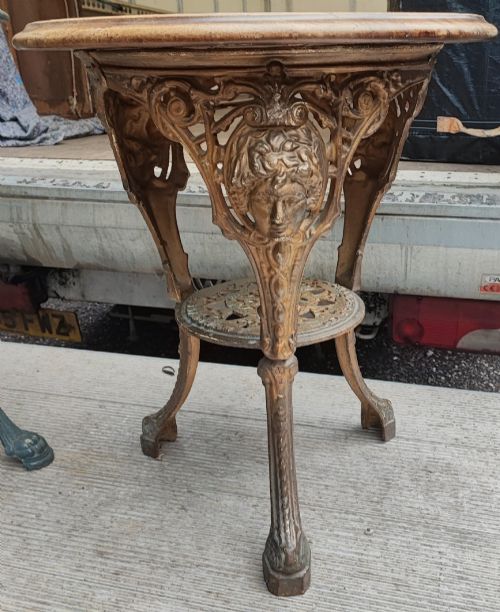
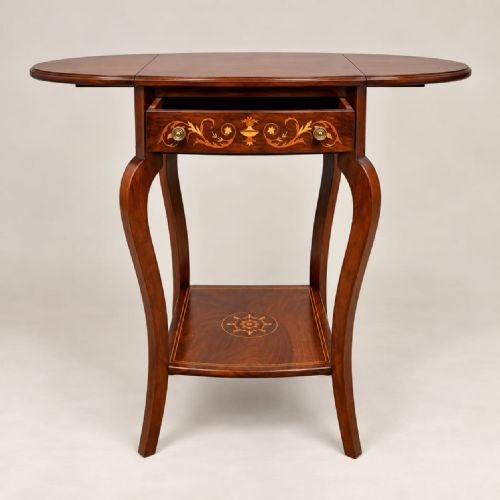
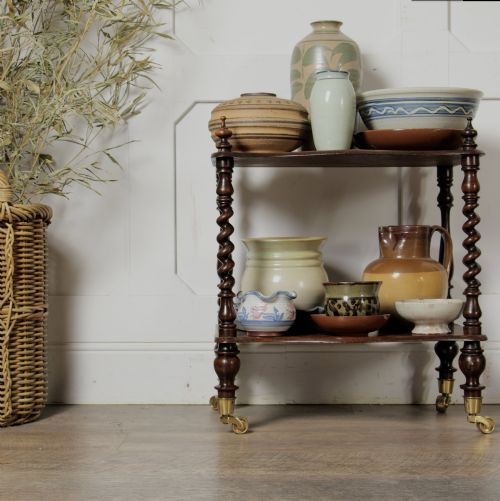

Victorian Wooden Side Table
A victorian wooden side table brings solid nineteenth-century timber and honest utility directly into a room.
What they are
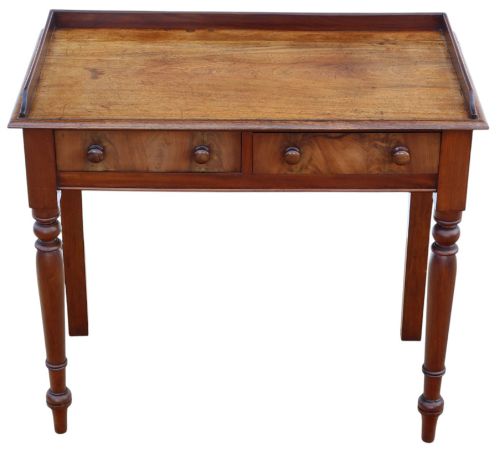
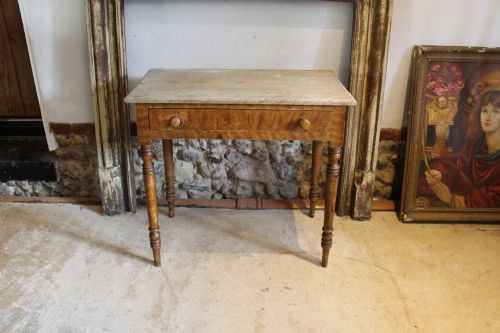
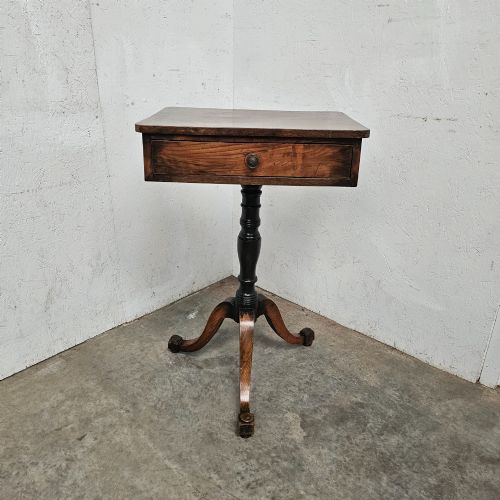
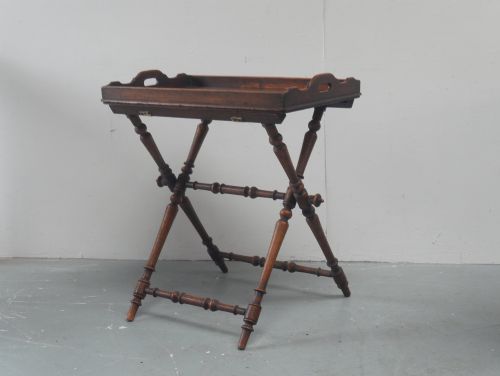
A victorian wooden side table encompasses a diverse range of occasional surfaces designed for nineteenth-century domestic use. The pieces appearing here span from William IV examples through to later nineteenth-century utility forms.
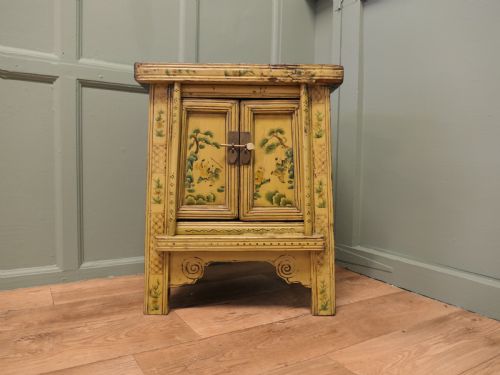
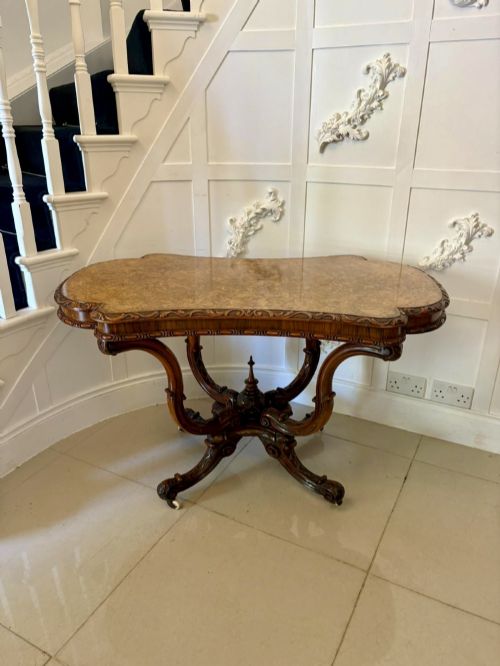
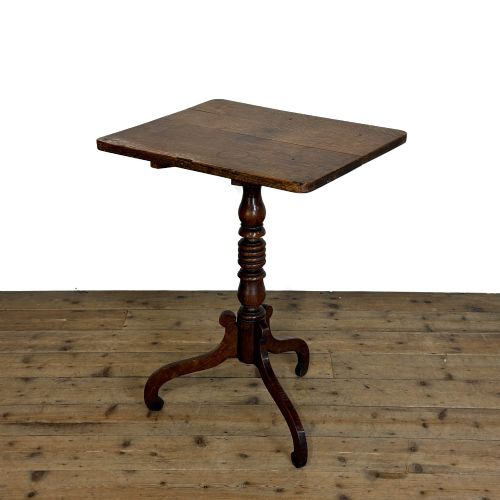
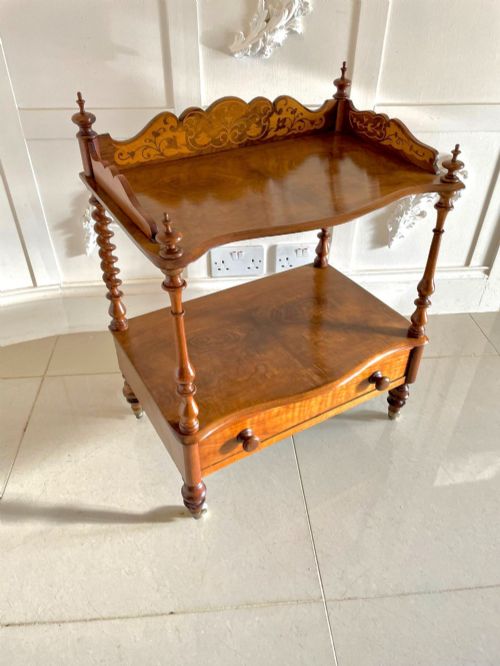
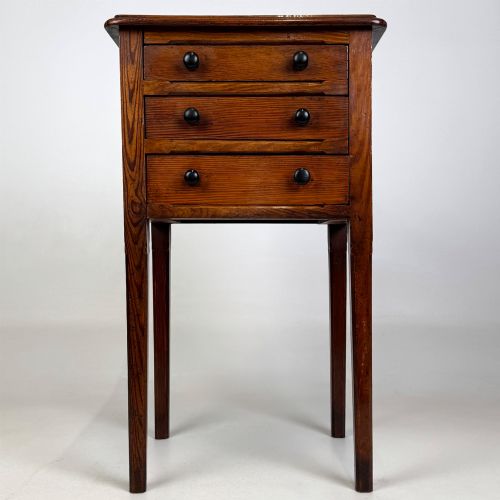
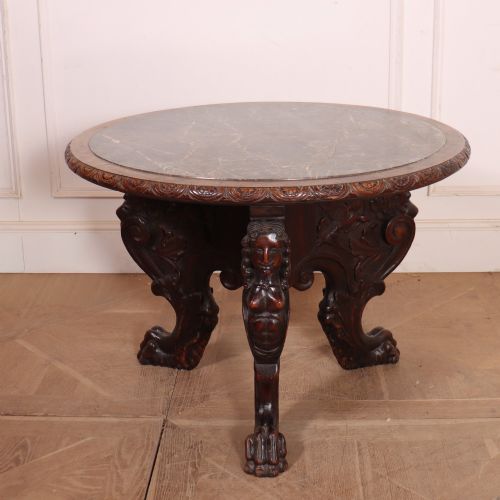
Buyers encounter various functional formats including wine tables, console tables, lamp tables with tilt tops, and serving tables. Materials vary across these forms, incorporating mahogany, walnut, pitch pine, stained pine, and elm.
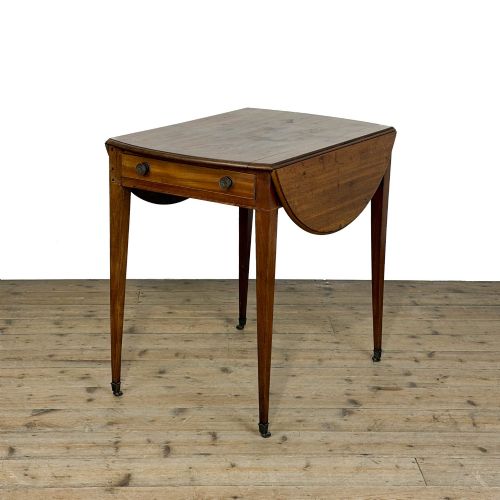
Origins reflect British cabinet-making traditions, with specific items categorised under styles such as Victorian Country alongside standard Victorian production. Simple drop-leaf pembroke designs sit alongside more formal serpentine console hall tables.
How they were made
Construction relies upon traditional timber selection, utilising dense hardwoods like mahogany and walnut alongside softer domestic woods including pine and elm. Brass fittings appear as functional components on specific forms.
Joinery methods support practical demands, evident in tilt-top mechanisms for lamp tables and drop-leaf configurations for pembroke tables. Surfaces combine stained pine bases with elm tops or feature solid mahogany configurations.
Retail Price Guide 2026
Typical UK retail prices for victorian wooden side table, calculated from the Sellingantiques database of over a million retail prices indexed since 2003. This retail price guide relies exclusively on Sellingantiques data; no external sources or auction records are used, so the figures do not describe the wider market.
Current listings feature mahogany, walnut, pitch pine, pine, and elm across Victorian and William IV periods.
What varies in quality
The distinction between standard utility items and finer pieces rests upon timber selection and formal ambition. A simple pine and elm kitchen or serving table prioritises robust utility, whereas a mahogany serpentine console demonstrates greater sculptural intent.
Refinement in turning and top construction marks the upper tier of production, particularly in tilt-top lamp tables and wine tables where stability and timber figuring govern the overall success of the piece.
The Victorian Wooden Side Table Glossary
- Pembroke table
- A small drop-leaf table with hinged flaps on either side, designed for versatility in nineteenth-century interiors.
- Serpentine console
- A wall table featuring a curved, wave-like front edge, typically executed in mahogany during the Victorian period.
- Tilt top
- A tabletop mechanism allowing the surface to pivot vertically when not in use, commonly found on Victorian lamp and wine tables.
- Pitch pine
- A durable, resinous softwood utilised for nineteenth-century utility tables and serving furniture.
Frequently Asked Questions
What is a side table used for?
These tables served various practical functions in nineteenth-century rooms, acting as surfaces for lamps, serving food, or holding wine glasses.
Today they function equally well as occasional tables in living spaces or hallways.
How do I identify a William IV table?
William IV pieces date from the early nineteenth century and often display heavier proportions alongside rich walnut and mahogany timbers.
They bridge the transition between late Regency designs and the later Victorian era.
Are these tables made of solid wood?
The listings show tables constructed from solid timbers including mahogany, walnut, pitch pine, and elm.
Combinations such as stained pine bases with elm tops also occur in country pieces.