



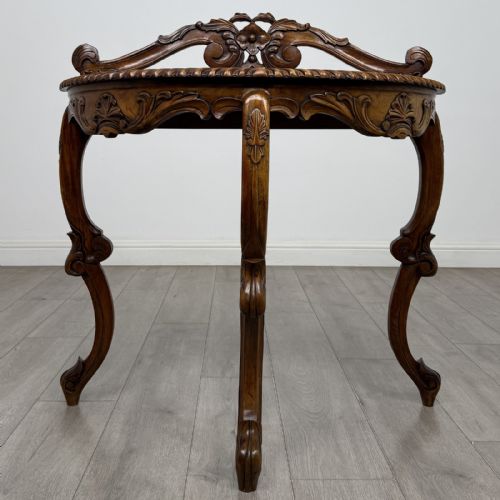
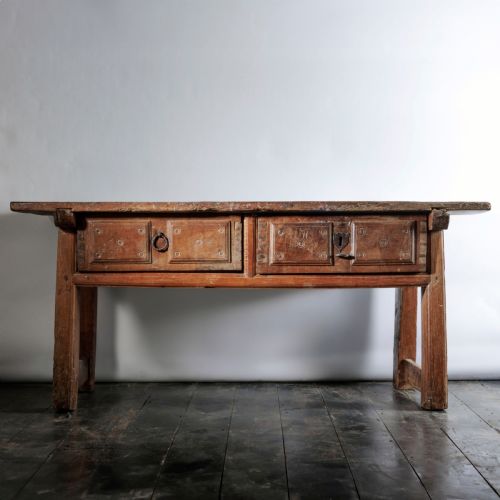
Carved Wooden Console
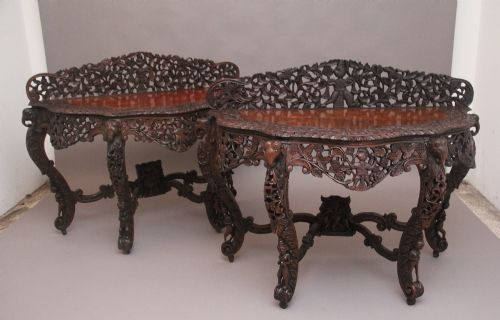
A carved wooden console brings immediate architectural presence to a hall or reception room through substantial timber and sculptural detail.
Carved Wooden Console
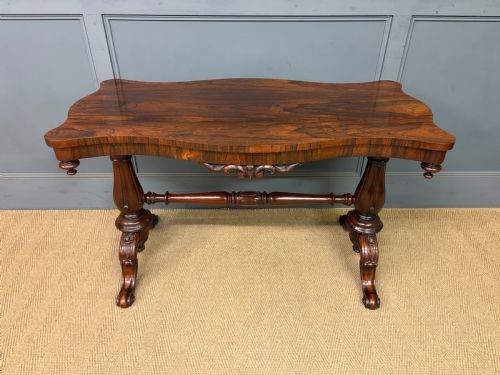
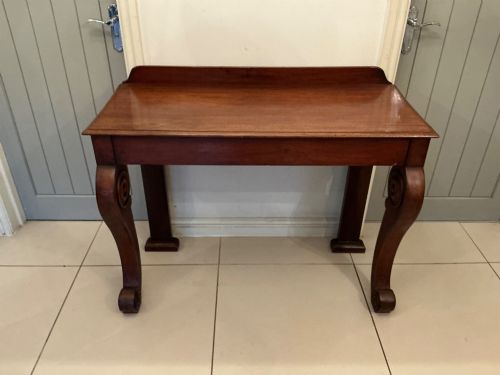
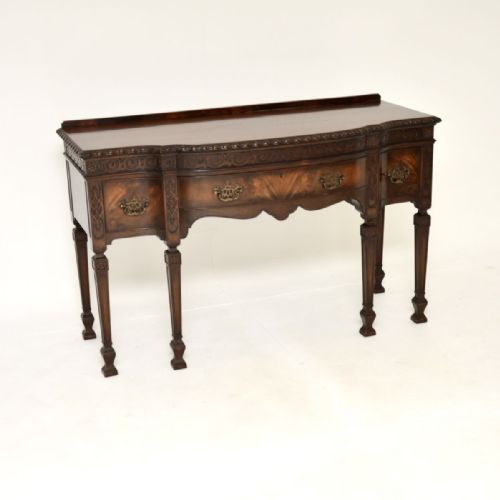
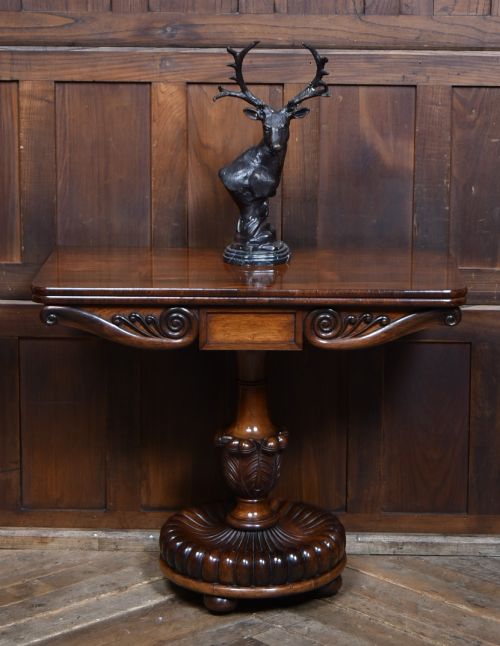
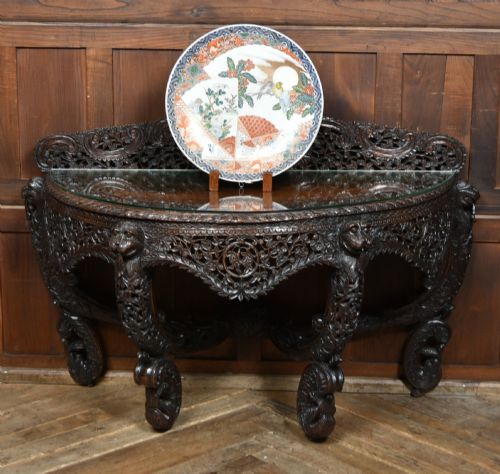
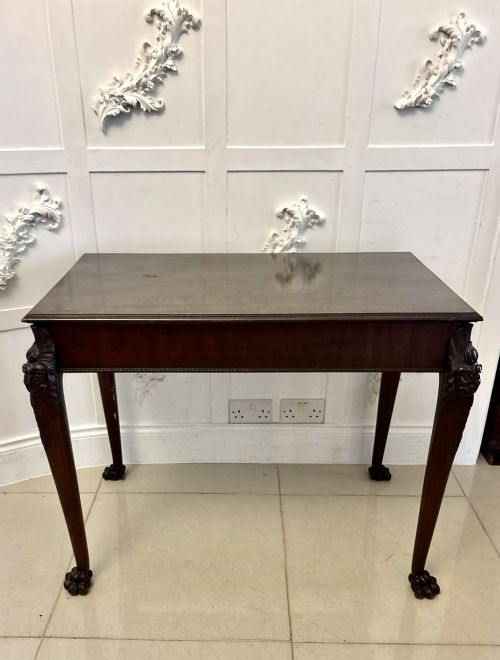
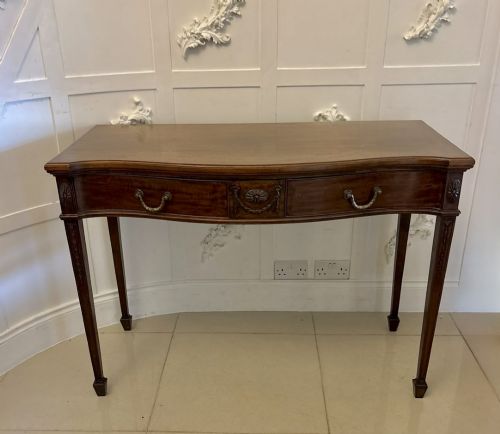
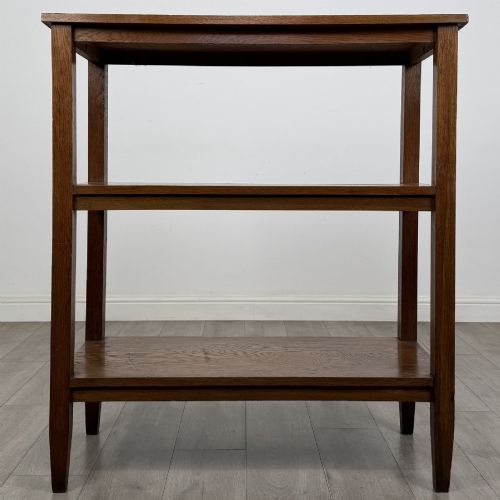
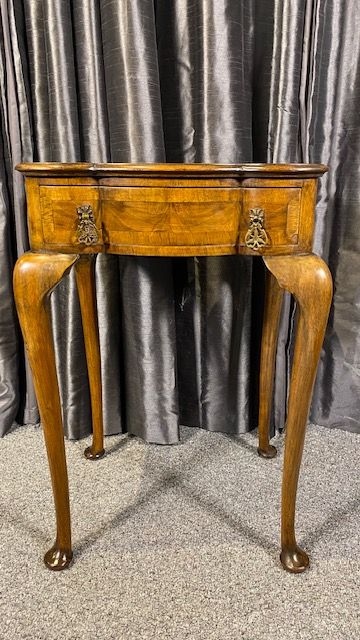
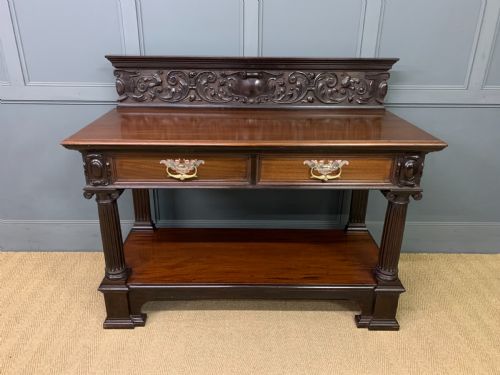
A carved wooden console serves primarily as a decorative yet functional table designed to stand against a wall, frequently appearing in domestic interiors from the Victorian era back to the eighteenth century. These pieces encompass serpentine hall tables, writing desks, and side cabinets, alongside grander Continental examples.
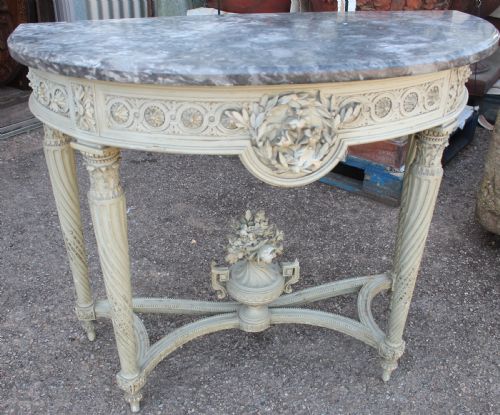
The selections available on this page reflect diverse regional origins, ranging from English mahogany designs to Chinese Qing dynasty red lacquered cabinets and Italian neoclassical painted furniture. Formats vary from restrained nineteenth-century tables to elaborate Spanish painted surfaces and walnut centre pieces.
How they were made
Construction relies heavily upon traditional timber framing utilising mahogany, walnut, softwood, and carved wood, shaped into functional furniture forms. Structural elements frequently incorporate applied mouldings and turned supports tailored to each specific period.
Surface finishes display considerable technical skill, employing gold leaf, paint, and lacquer applied over timber substrates. Brass elements occasionally supplement the wooden construction to provide structural bracing or decorative contrast.
Carved Wooden Console Retail Price Guide 2026
Typical asking prices for carved wooden console among the pieces listed under this phrase on Sellingantiques today, from the lower quarter to the upper quarter. They describe what is for sale here now, not the wider market.
Several pieces owe their survival to centuries of standing rigidly against walls, quietly catching dropped keys and stray letters.
What varies in quality
The distinction between standard examples and exceptional pieces rests upon the ambition of the carving and the integrity of the original surface finish, whether in gold leaf, paint, or lacquer. Finer objects demonstrate greater depth and relief in the carved wooden decoration rather than relying solely on superficial ornamentation.
Proportion and regional execution heavily influence the standing of an item, as seen in the architectural discipline of eighteenth-century Italian neoclassical work compared to simpler nineteenth-century production. The harmony between timber selection, such as figured mahogany or walnut, and the overall form dictates the piece's visual weight.
The Carved Wooden Console Glossary
- Console table
- A table designed to be fixed against a wall, often supported by brackets or console legs rather than four standard vertical posts.
- Serpentine
- A furniture front or edge that curves outward centrally and inward at the sides in a continuous wave shape.
- Neoclassical
- A style spanning the eighteenth and nineteenth centuries that draws inspiration from the classical art and architecture of ancient Greece and Rome.
- Lacquer
- A durable resin or varnish applied in multiple layers to wood and polished to a hard, smooth finish, frequently associated with Asian decorative arts.
- Gilding
- The application of a very thin layer of gold leaf or powder to a surface to impart a metallic golden appearance.
Carved Wooden Console: Frequently Asked Questions
Where should I place a console table?
These tables traditionally occupy entrance halls, reception rooms, or corridors where floor space is limited against a flat wall. Their shallow depth allows them to sit beneath mirrors or paintings without obstructing movement.
In modern interiors, they frequently serve as display surfaces for lamps, ceramics, or decorative objects while anchoring large wall spaces.
How do I identify a Victorian console?
Victorian pieces often utilise dense timbers such as mahogany and walnut, frequently displaying robust proportions and characteristic nineteenth-century joinery methods. Details may include serpentine fronts and turned supports typical of the period.
Comparing the timber grain and secondary woods underneath or inside the carcass helps confirm the manufacturing era.
What is the difference between a console and a centre table?
A console table is specifically designed to stand directly against a wall, meaning the rear edge is often unfinished or shaped to fit flush. A centre table is finished on all sides because it stands independently in the middle of a room.
While both provide surface area, their intended placement dictates how the base and rear sections are constructed.
Are painted and lacquered consoles authentic antiques?
Painted and lacquered finishes are historically accurate decorative treatments found on Continental and Asian furniture from the eighteenth and nineteenth centuries. Spanish painted surfaces and Chinese Qing dynasty red lacquer represent authentic regional traditions rather than later alterations.
Examining the wear patterns within the paint or lacquer helps indicate the age and authenticity of the finish.