

Antique Farm Table
An antique farm table brings daily hard work and hearty meals into the modern home, shaped by generations of domestic use.
Antique Farm Table
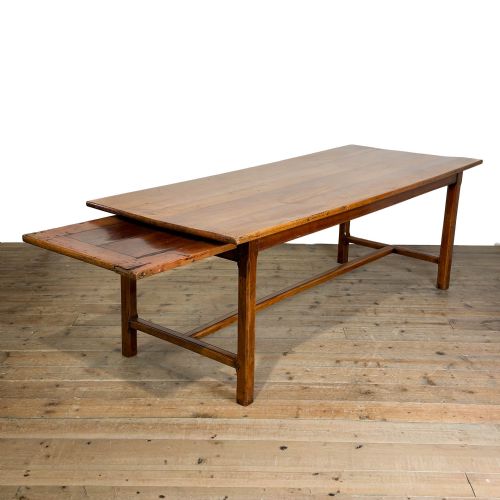
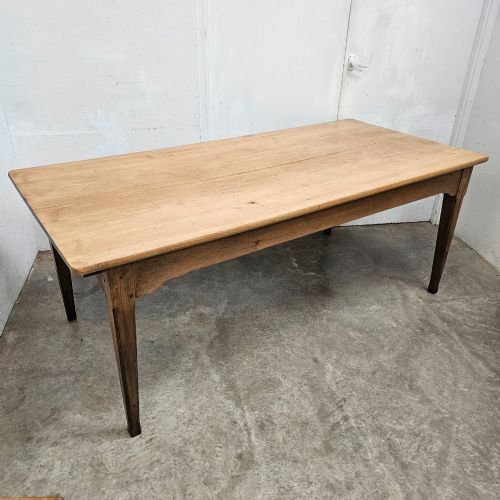
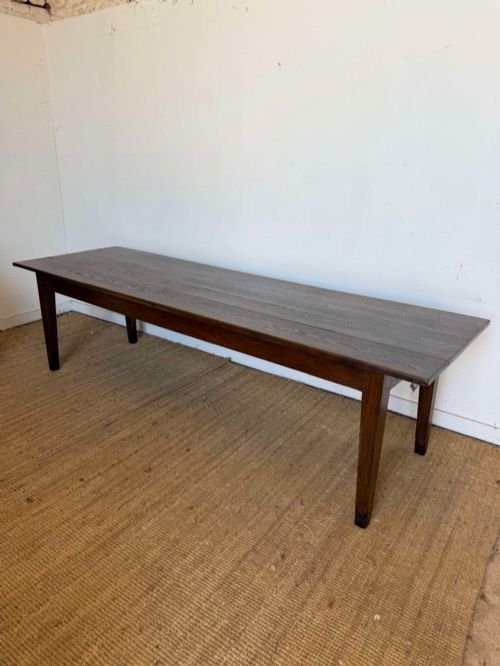
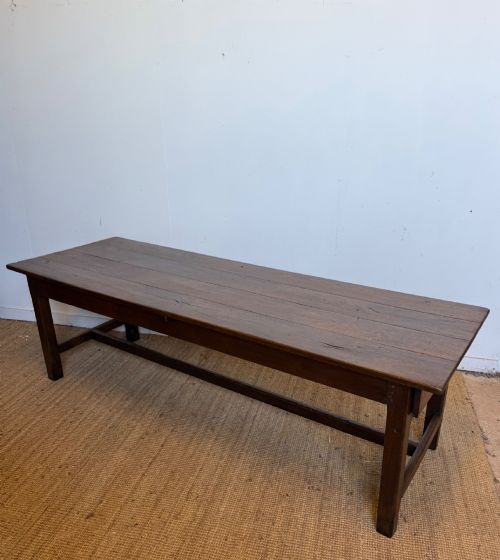
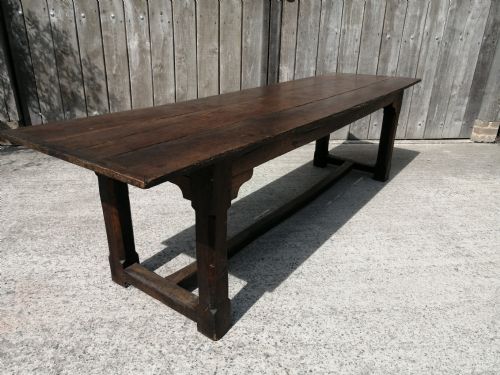
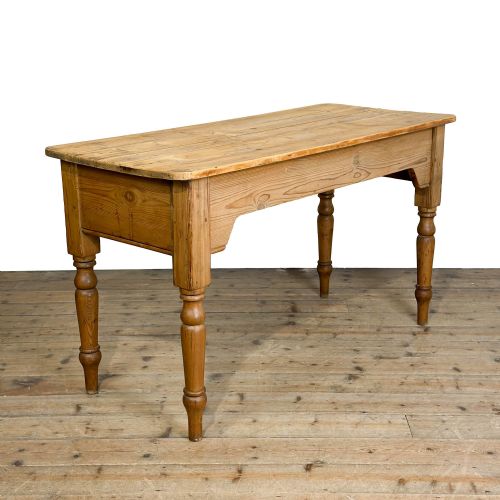
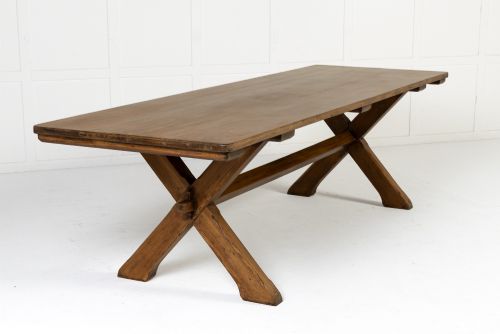
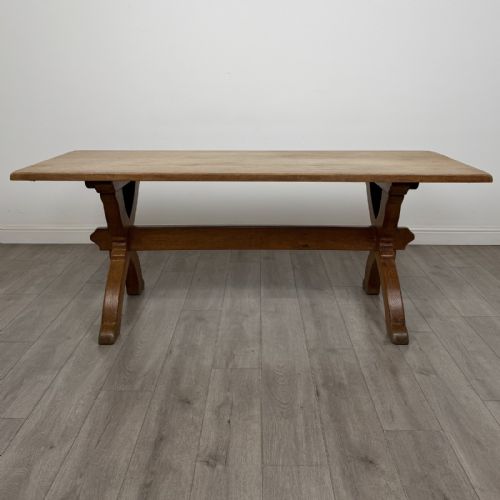
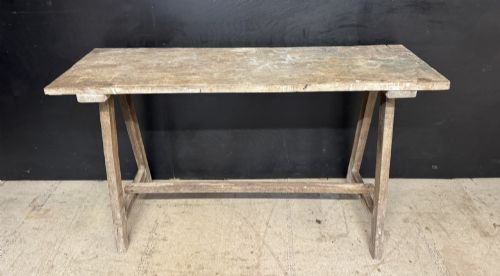
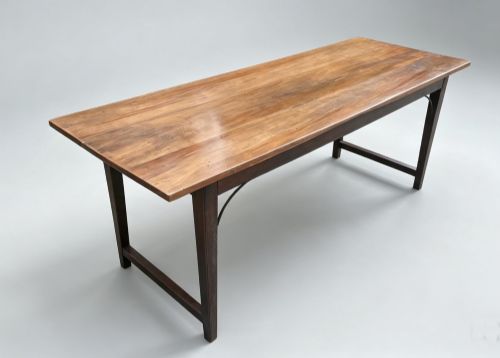
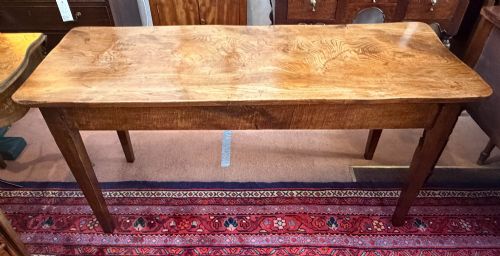
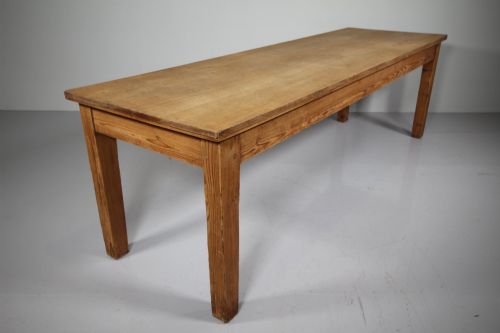
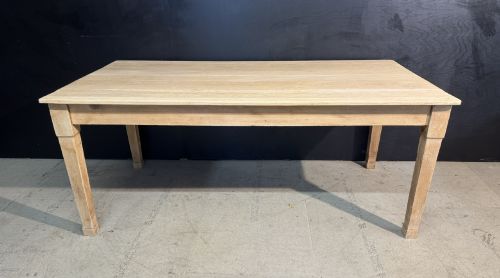
The antique farm table serves as the primary gathering surface of the traditional interior, appearing in forms designated for dining, kitchens, and console use. Most examples met here span the nineteenth and twentieth centuries, reflecting utilitarian origins across English and French domestic spaces.
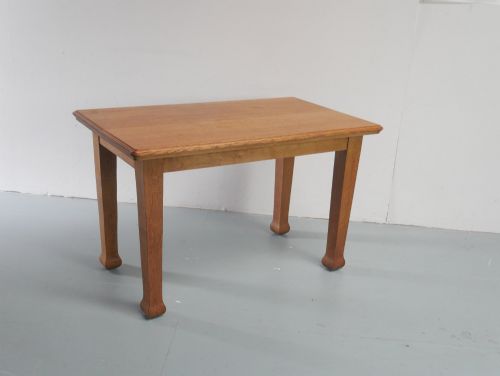
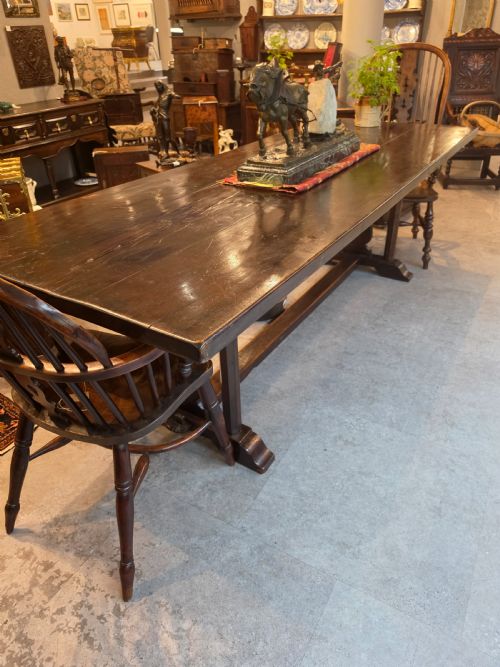
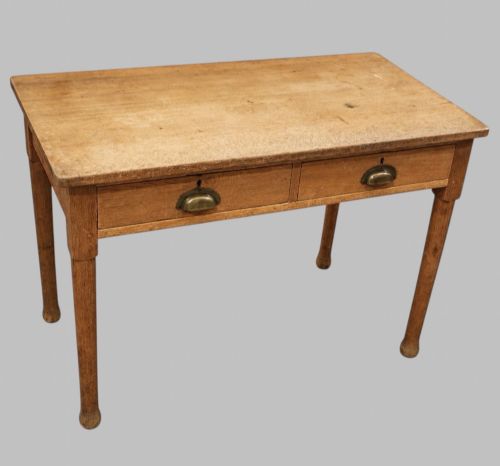
Makers constructed these pieces using dense domestic timbers suited to heavy domestic tasks. Common formats include rectangular dining boards, refectory styles, and occasional kitchen tables fitted with single or double storage drawers.
Stylistic descriptors range from rustic vernacular and farmhouse to provincial and Victorian country. These designations point directly to regional utility rather than courtly fashion, prioritising sturdy legs and broad plank tops.
Materials and Construction
Carpenters relied upon solid native timbers, predominantly pine, oak, elm, cherry wood, and fruitwood. These woods formed thick tops and sturdy frames designed to withstand vigorous daily preparation of food and communal dining.
Joinery methods reflect straightforward utilitarian needs, incorporating peg construction, substantial stretcher bases, and occasional wind-out mechanisms on later dining formats. Brass hardware appears selectively on drawer pulls alongside stained and painted surface treatments.
Antique Farm Table Retail Price Guide 2026
Typical asking prices for farm table among the pieces listed under this phrase on Sellingantiques today, from the lower quarter to the upper quarter. They describe what is for sale here now, not the wider market.
Listings feature timbers including pine, elm, oak, cherry wood, and brass fittings across dining, kitchen, and console formats.
Distinctions in Execution
Quality rests in the selection of timber and the integrity of the structural frame. Tables featuring thick oak, elm, or cherry boards display superior grain depth compared to simpler stained pine counterparts.
Proportion and scale dictate the upper tier of the range. Extra-tall formats, extended refectory lengths, and the inclusion of original functional drawers separate standard domestic pieces from substantial regional examples.
The Antique Farm Table Glossary
- Refectory table
- A long narrow dining table traditionally used in monastic or communal dining halls. This form appears frequently in sturdy oak variants.
- Wind-out table
- A dining table fitted with an internal mechanical screw mechanism operated by a handle to insert extension leaves. This system allows the top to expand.
- Vernacular furniture
- Objects built by local joiners to satisfy regional domestic needs without adherence to high stylistic capitals. These pieces rely on practical local traditions.
- Gateleg table
- A table with hinged drop leaves supported by legs that swing out like a gate. This construction saves space when the leaves fold downward.
Antique Farm Table: Frequently Asked Questions
What is an antique farm table?
An antique farm table is a utilitarian wooden surface originally utilised for food preparation and communal dining in rural households. These tables reflect regional domestic traditions rather than formal court styles.
They appear primarily in pine, oak, elm, and cherry wood, spanning periods from the seventeenth century through to the early twentieth century.
How were these tables used?
Families gathered around these sturdy boards for daily meals, while cooks used the expansive wooden tops for kneading dough and preparing provisions. Single or double end drawers provided storage for small kitchen implements.
Over decades of domestic service, the timber absorbed the marks of everyday labour and communal life.
Which woods are most common?
Pine and oak appear most frequently across English and continental European examples, offering reliable strength for daily household routines. Elm, cherry wood, and fruitwood also feature prominently in regional workshop output.
Thick tops in oak or cherry often indicate a heavier, more substantial build.
How do I care for the surface?
The historic timber responds best to gentle cleaning with a damp cloth, avoiding harsh chemical polishes that strip dry finishes. Regular application of natural wax helps nourish older pine, oak, and elm surfaces.
Protecting the wood from excessive moisture preserves the authentic character accumulated over centuries.