


English Vernacular Furniture
English vernacular furniture consists of honest, utilitarian pieces shaped by local makers for everyday country life.
English Vernacular Furniture
English vernacular furniture comprises practical household pieces built by regional carpenters rather than urban workshops. When exploring english vernacular furniture, buyers encounter seating and tables rooted in rural tradition from the seventeenth, eighteenth, and nineteenth centuries. The pieces on this page span robust dining tables, settles, and seating forms designed for daily use.
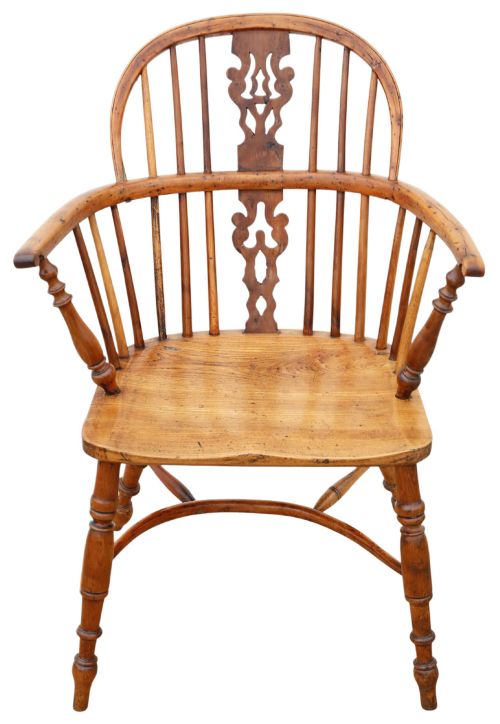
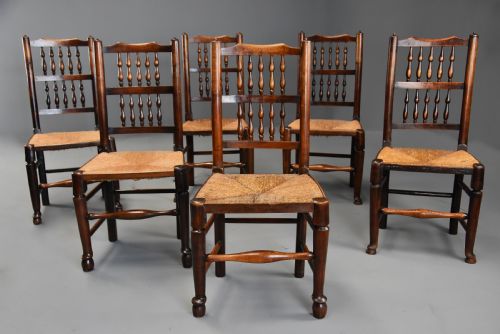
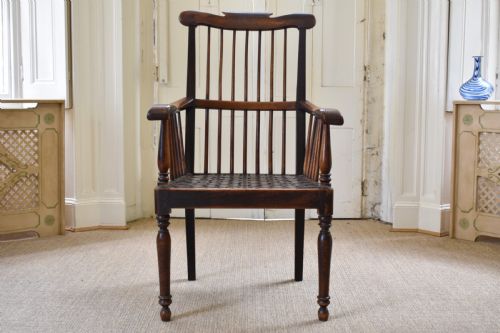
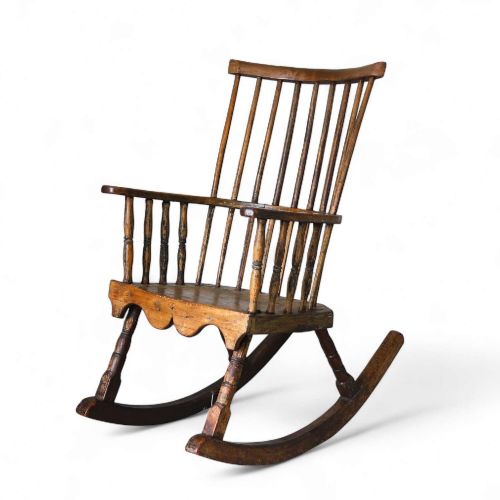
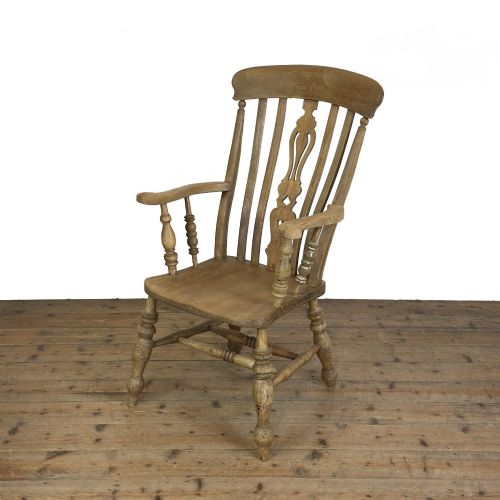
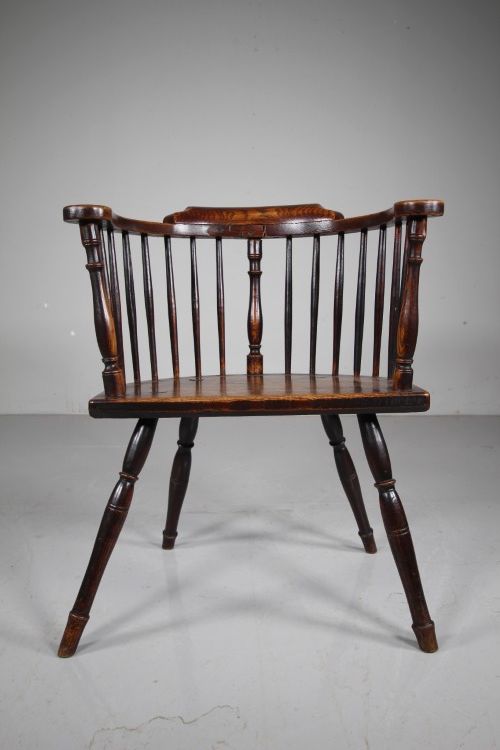
Seating forms dominate the selection, particularly Windsor armchairs and spindle-back chairs fashioned from native timbers. Tables include sturdy oak cricket tables and larger dining surfaces suited to modest homes. Surviving examples reflect the practical needs of English country life across the Georgian and Victorian eras.
How they were made
Makers utilised solid native timbers available locally, frequently combining multiple woods within a single piece. Oak, elm, ash, and yew provide structural strength, while fruitwood and laburnum appear in specific seating and decorative elements. Rush served as a traditional seating material for chairs.
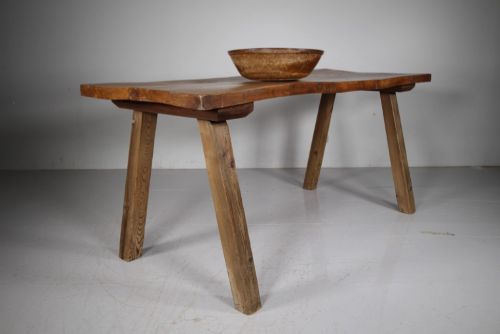
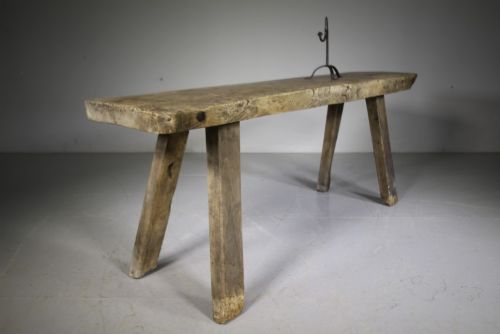
Joinery methods prioritized durability over ornate decoration, employing pegged joints, spindle turning, and stickback construction. Carpenters shaped solid planks of elm and oak for tabletops and chair seats, integrating turned legs and backs. This straightforward construction produced resilient domestic objects.
English Vernacular Furniture Retail Price Guide 2026
Typical asking prices for english vernacular furniture among the pieces listed under this phrase on Sellingantiques today, from the lower quarter to the upper quarter. They describe what is for sale here now, not the wider market.
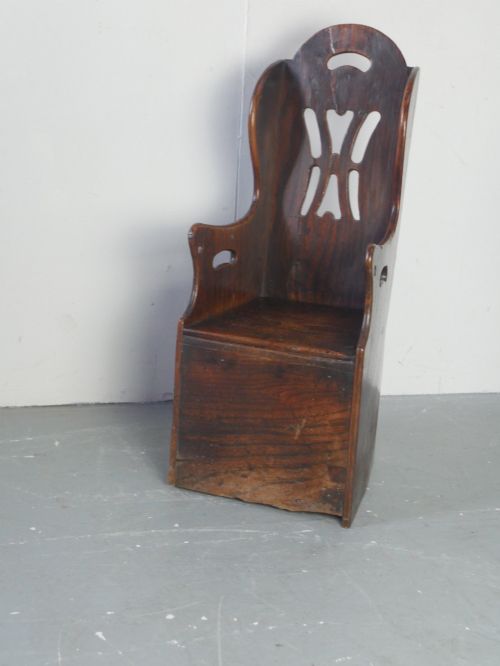
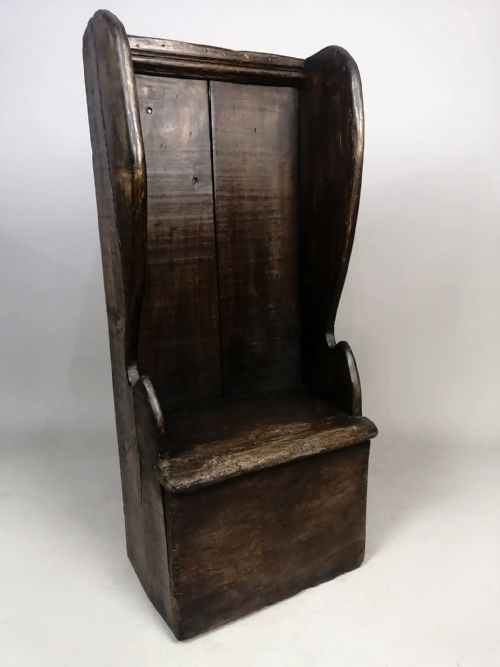
Bacon settles featured high enclosed backs to keep household diners warm, with internal spaces utilised for curing meat.
What varies in quality
Quality rests in the depth of natural patina accumulated through generations of use and careful handling. Pieces retaining their original surface finish and honest timber grain command greater appreciation among collectors. Subtle variations in the turning of spindles and the figuring of burr yew distinguish superior examples.
Proportion and structural integrity separate standard utility pieces from finer country work. Well-balanced seating with comfortable arm bows and sound joints demonstrates the maker's skill. Original timber selection, such as richly figured elm or yew, enhances the character of individual items.
The English Vernacular Furniture Glossary
- Windsor chair
- A wooden chair built with a solid sculpted seat into which the legs and back sticks are inserted directly. These chairs developed regional variations including comb-backs and low backs.
- Cricket table
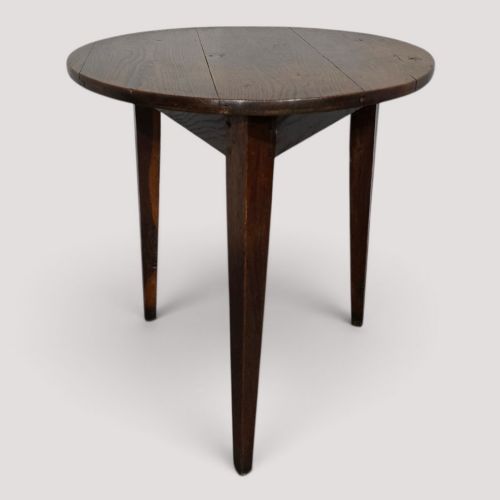
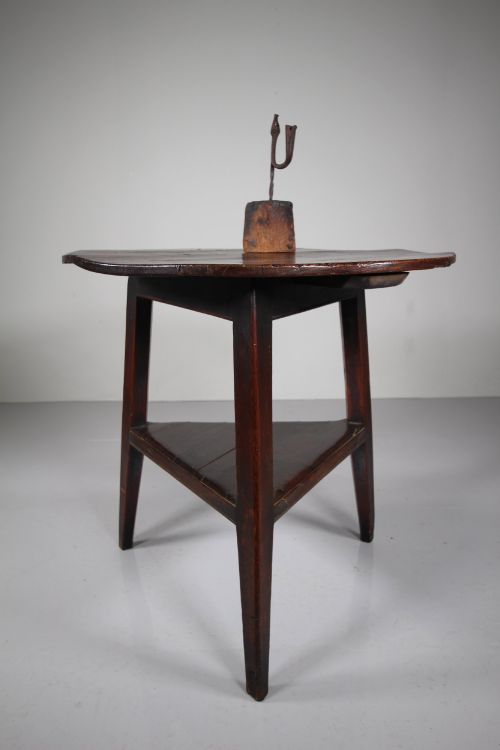
- A small, lightweight table supported by three splayed legs beneath a round wooden top. This design provided stability on uneven flagstone floors.
- Settle
- A high-backed wooden bench featuring solid panels or spindles designed to block draughts in rustic interiors. Some examples incorporate storage compartments beneath the seat.
- Patina
- The lustrous surface sheen developed on wood over long periods through handling, polishing, and natural ageing. This quality indicates authenticity and age.
- Spindle back
- A chair back constructed from multiple slender turned uprights positioned between the seat and top rail. This method offered lightweight strength.
English Vernacular Furniture: Frequently Asked Questions
What is vernacular furniture?
Vernacular furniture refers to domestic pieces built by regional tradesmen for local use rather than high-style urban commissions. These objects prioritize utility and rely on available native materials.
They reflect traditional regional designs and practical needs rather than academic architectural rules.
How do I date an elm chair?
Dating relies on construction methods, tool marks, timber characteristics, and design evolution across centuries. Seventeenth and eighteenth-century examples often display pegged joinery and hand-turned components.
Comparing the wear patterns and timber shrinkage helps confirm the period of manufacture.
Where were Windsor chairs made?
Windsor chairs were produced across various English regions, with significant centres of production in the Thames Valley and surrounding rural counties. Makers utilised local hardwoods such as yew, elm, and ash.
Regional chair bodgers turned components in woodlands before assembling them in local workshops.
How do I care for antique oak?
Antique oak benefits from minimal intervention, maintaining a stable indoor environment away from direct heat sources and strong sunlight. Regular dusting with a dry cloth prevents dirt accumulation.
Occasional application of appropriate natural wax preserves the timber surface and enhances the patina.