



Victorian Kitchenalia
Victorian kitchenalia brings utilitarian domestic objects into modern spaces, offering tangible links to nineteenth-century culinary life through sturdy copper, carved wood, and glazed earthenware.
Victorian Kitchenalia
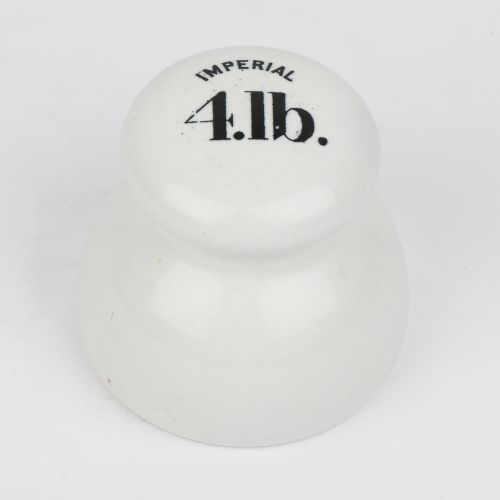
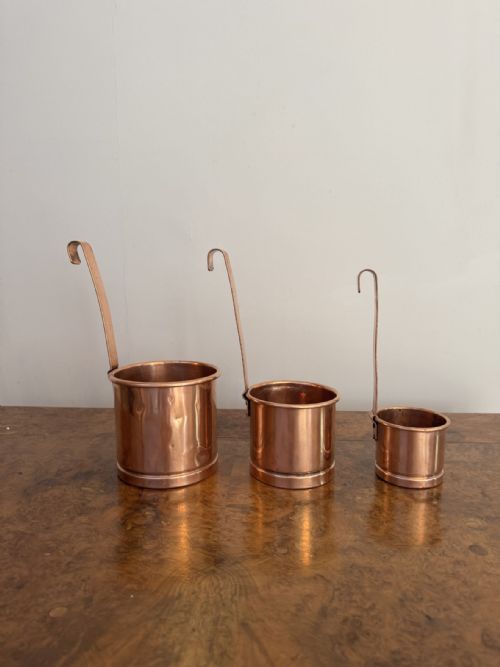
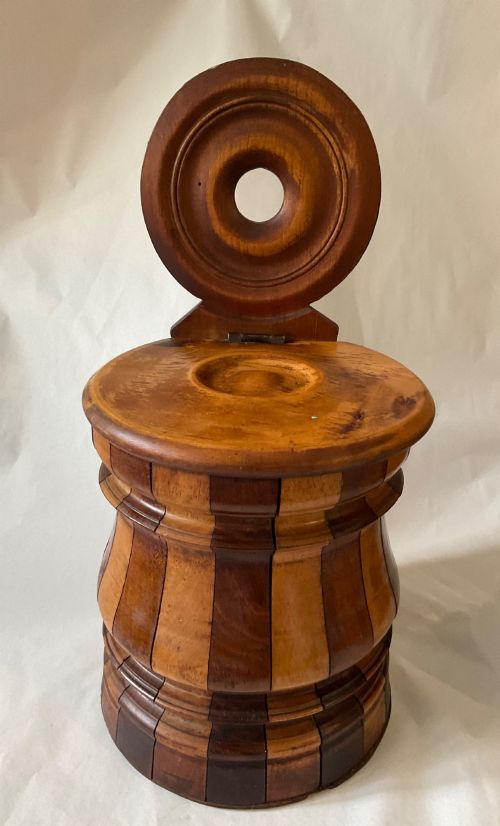
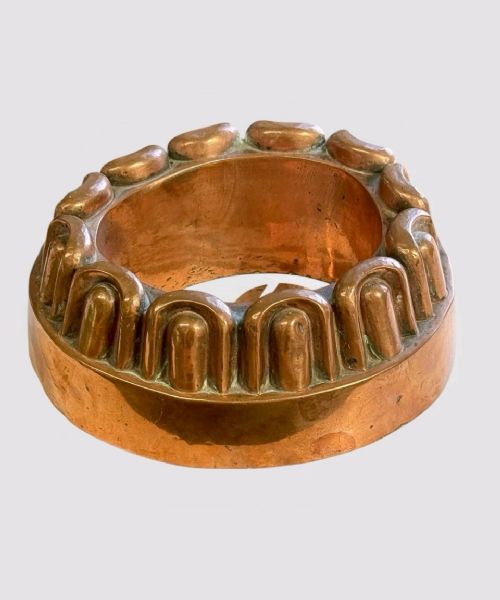
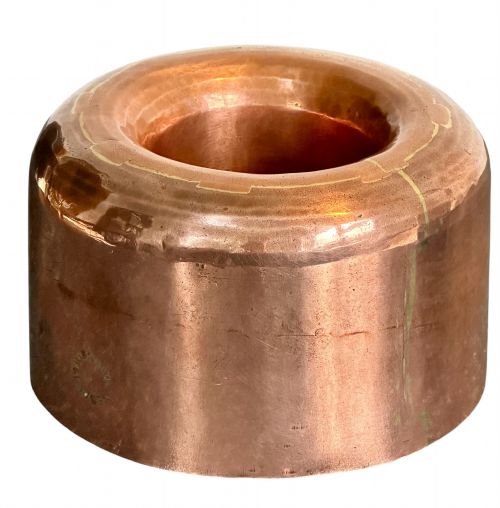
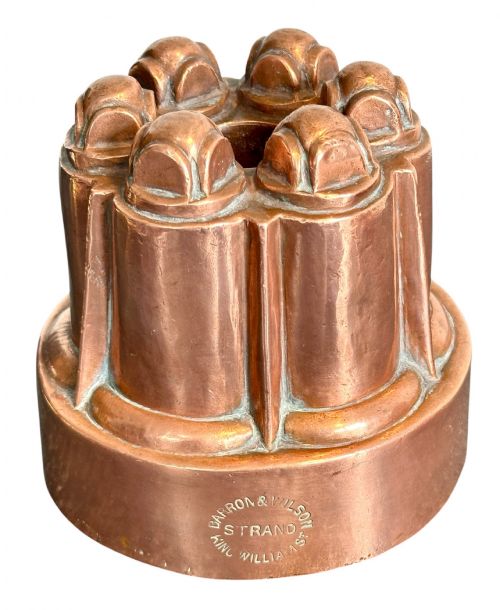
Victorian kitchenalia encompasses the hardworking domestic equipment and utensils used in nineteenth-century households, ranging from utilitarian preparation tools to display pieces designed for grander kitchens. When exploring victorian kitchenalia, buyers encounter copper jelly moulds, turned wood treen spice towers, earthenware storage jars, and heavy ceramic weights.
The objects most frequently met on this page span the mid to late nineteenth century, reflecting the shift from open hearths to enclosed ranges and the growing industrial production of domestic goods. Examples vary from simple sycamore butter prints and boxwood nutmeg graters to copper lidded saucepans and cream-glazed lion jelly moulds.
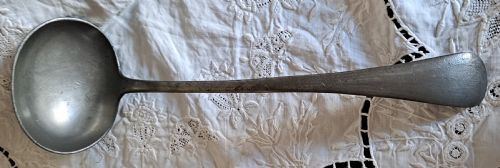
Many of these surviving pieces display the dual nature of nineteenth-century kitchen gear, serving practical roles while bearing decorative carving or maker's marks. Form follows function closely, yet utilitarian items like salt boxes and basting ladles often show careful attention to shape and finish.
Materials and methods of manufacture
Makers relied on durable, heat-conducting metals for culinary vessels, hammering sheet copper into rigid forms and lining the interiors with tin to prevent food contamination. Heavy copper jelly moulds and lidded saucepans required skilled hand-raising and soldering to withstand daily kitchen heat.
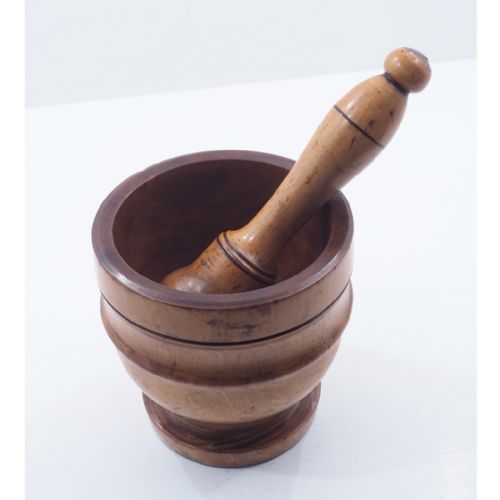
Turned wood and treen items emerged from dense hardwoods like sycamore and boxwood, shaped on lathes or hand-carved to create intricate spice towers, lemon squeezers, and nut crackers. Artisans utilised simple gouges and knives for details such as the acorn and wheat motifs on butter prints.
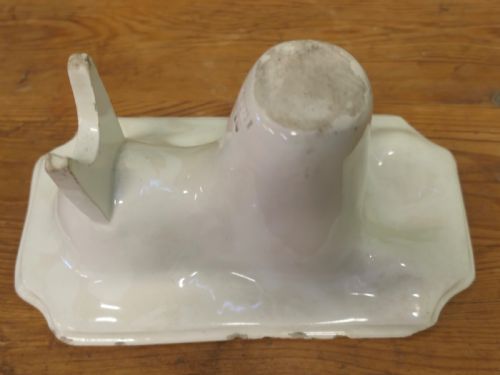
Ceramic pieces, including earthenware jelly moulds and cream bowls, were cast in moulds and finished with dense glazes to create impermeable surfaces suitable for food preparation. Stoneware and earthenware items required precise kiln firing to achieve the hard bodies seen in surviving storage jars and soup jars.
Listings feature 19th-century kitchenalia in copper, earthenware, tin, and turned wood.
Distinctions in quality and finish
The caliber of victorian kitchenalia rests upon the crispness of detail in moulded and carved surfaces, distinguishing mass-produced items from pieces shaped by skilled hands. Treen pieces with sharp, deep chisel work and copper moulds with clean, unblemished fluting represent higher standards of workshop production.
The integrity of construction separates basic utility items from superior surviving examples, particularly in joined copper vessels with intact tin linings and securely pegged wood items. Thickness of metal gauge and weight of ceramic bodies also indicate whether an object was intended for heavy institutional service or domestic use.
John Yates·Cotterell O.P.·Harrods·Wedgwood·Copeland
The Victorian Kitchenalia Glossary
- Treen
- Small handmade wooden household objects. These items range from spice towers to butter prints shaped on lathes.
- Tin-lined
- Metal vessels coated with a thin layer of tin on the interior. This process protected food from direct contact with copper.
- Butter print
- A carved wooden stamp used to impress patterns onto blocks of butter. Common designs include agricultural motifs like wheat and acorns.
- Jelly mould
- A rigid vessel used to shape moulded desserts or aspics. These were produced in copper, tin, and glazed earthenware.
- Spice tower
- A multi-tiered wooden container used to store various culinary spices. Each section nests or screws into the one below.
Victorian Kitchenalia: Frequently Asked Questions
How were copper jelly moulds used?
Copper moulds were filled with gelatinous mixtures, aspics, or creams and placed in cool pantries or ice chambers to set. Once chilled, the contents were turned out onto serving platters.
The metal conducted cold efficiently, helping desserts solidify quickly while the tin lining protected the food from the copper beneath.
How do I date nineteenth-century kitchen items?
Dating relies on material combinations, manufacturing marks, and changes in kitchen technology. Mid-century pieces often display hand-beaten copper construction and simpler turned wood profiles.
Makers' stamps, registry marks, and specific ceramic bodies help narrow down the period. Comparing surviving examples with dated factory catalogues provides further context.
Were these items purely decorative?
Nineteenth-century kitchenalia was primarily made for active work in busy domestic environments. Items like basting ladles, salt boxes, and ceramic weights performed daily culinary tasks.
Even decorative elements, such as the intricate patterns on jelly moulds or carved nut crackers, served to identify ownership or add aesthetic pleasure to functional tools.