



Rustic Wooden Container
A rustic wooden container brings texture and utility into a room, offering honest storage shaped by practical past use.
Rustic Wooden Container
The pieces appearing here span diverse origins including British, French, Scandinavian, Chinese, and Indian workshops. Common forms on this page include wall-hanging boxes, lidded salt containers, log bins, woven baskets, and carved vessels.
Makers shaped these items from regional timbers using straightforward construction methods suited to rural life. Each piece reflects the functional traditions of its locale, whether through pegged joints, hand-woven pine strips, or hollowed tree trunks.
Materials and construction
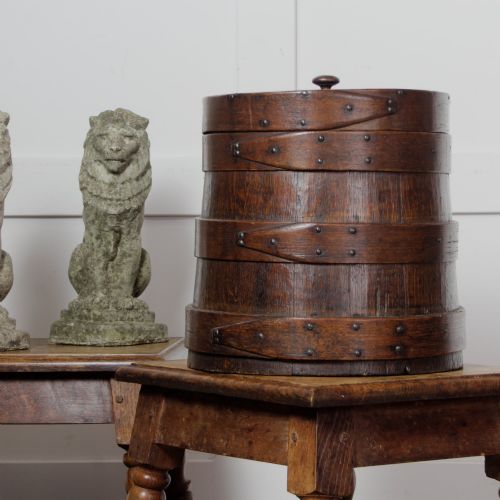
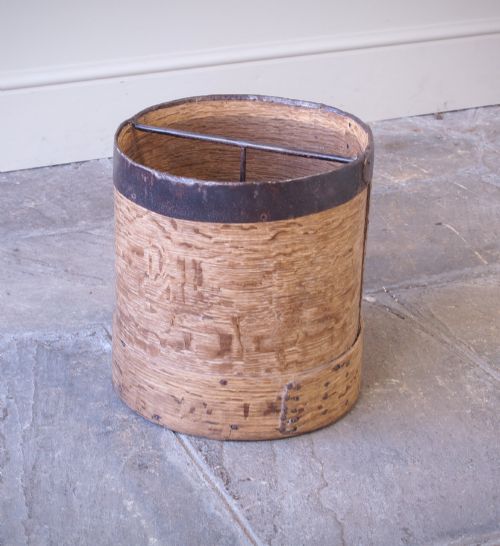
Craftsmen built these containers from accessible local hardwoods and softwoods including oak, pine, elm, sycamore, and timber. Carpenters and rural artisans utilised basic hand tools to carve, plane, and join the wood, frequently incorporating original iron hardware such as hinges and bands.
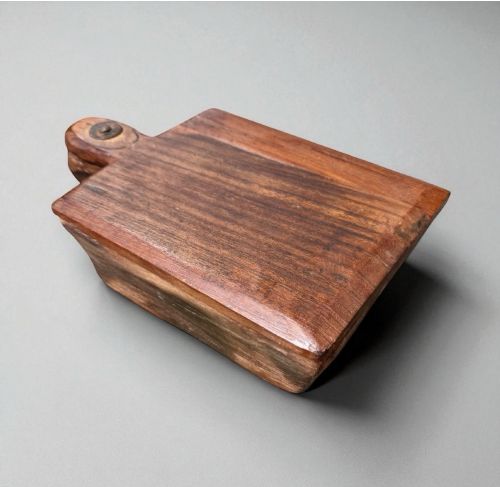
Surface treatments range from bare scrubbed timber to traces of old red paint or painted Swedish finishes. Baskets rely on hand-woven pine construction, while vessels like mortars and small jars emerge from solid carved blocks or dug-out tree trunks.
An unusual treen container listed here likely served the very specific social ritual of collecting wine dregs.
Evaluating quality and character
Quality in these domestic objects rests upon the integrity of the timber, the honesty of the construction, and the preservation of original surfaces. Pieces retain greater interest when they show patination earned through decades of handling rather than over-restoration.
The balance between utility and proportion dictates the strength of a form, whether in the iron fastenings of a log bin or the hand-carved details of a spice box. Finer examples display thoughtful adaptation to their original domestic purpose without losing their robust character.
The Rustic Wooden Container Glossary
- Treen
- Small handmade wooden domestic objects produced before the widespread use of cheap plastics and ceramics. These items include small containers, string holders, and small turned vessels.
- Salt box
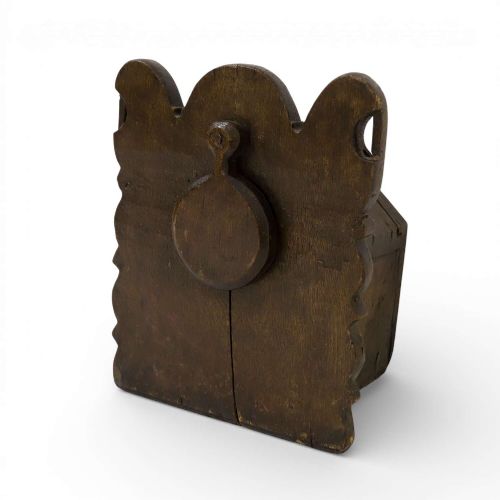
- A wall-hanging or table-standing container designed to keep kitchen salt dry and protected. They typically feature a slanted lid and a high back with a hanging hole.
- Dug-out
- An object formed by hollowing out a solid section of a tree trunk. This primitive technique appears in simple vessels and small tree trunk containers.
- Log bin
- A large storage vessel or container intended for holding firewood near a hearth. Many examples incorporate sturdy pine, oak, or iron banding for added durability.
- Grain measure
- A standardised wooden container utilised for commercial or agricultural measurement of dry goods. They often bear marks of capacity or regional administrative verification.
Rustic Wooden Container: Frequently Asked Questions
What were rustic wooden containers used for?
These containers served specific storage and utility roles in historic domestic and agricultural settings. People relied on them to hold everyday household provisions like salt, flour, candles, spices, and fuel.
Larger vessels managed bulk stores such as grain or harvest crops, while smaller boxes hung on kitchen walls for easy daily access.
How do I date an old wooden container?
Dating relies upon examining the construction techniques, tool marks, timber species, and any original iron hardware present on the piece. Hand-cut nails, pegged joinery, and primitive hollowing methods point towards eighteenth and nineteenth-century origins.
Comparative styles from regions like Scandinavia, Britain, and China further help narrow the period of manufacture.
Can I use an antique log bin for firewood?
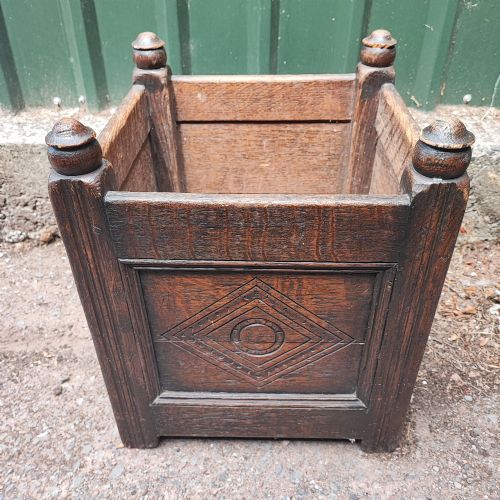
Many sturdy pine, oak, and iron-banded bins were built precisely for holding logs near a fireplace. Ensuring the base and internal structure remain sound allows them to continue their original practical purpose.
Lining damp or rough bark logs with protective material helps preserve historic timber interiors.
How should I care for antique treen and wood?
Wooden containers require stable room environments away from direct heat sources and drastic humidity swings to prevent splitting. Dusting with a dry or very slightly damp cloth maintains the surface without stripping historical wax or dry patination.
Applying occasional neutral beeswax feeds dry timber where appropriate.
What is the difference between a salt box and a candle box?
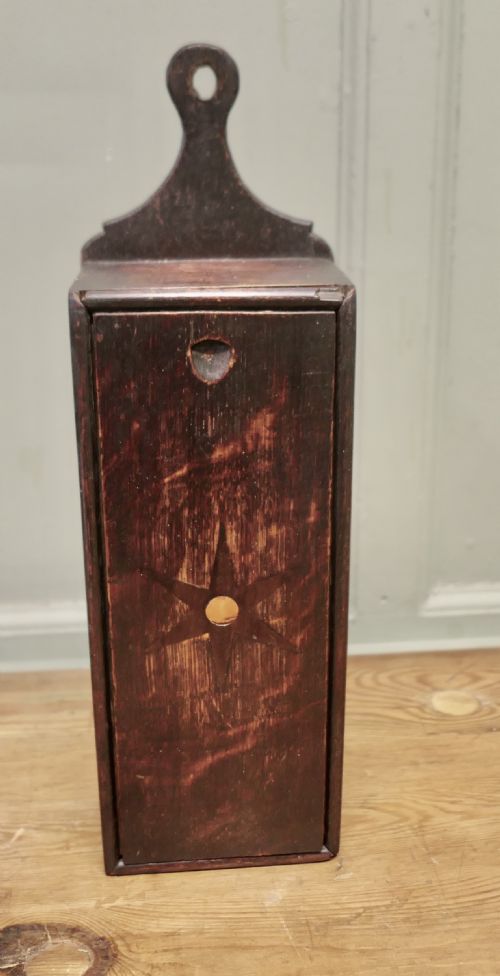
Salt boxes typically feature a high shaped back with a suspension hole and a hinged sloping lid designed to scoop salt easily while keeping it covered. Candle boxes are generally longer and narrower, built to protect wax or tallow candles from dust and pests.
Both types commonly hung on kitchen walls near hearths for convenience.