






Antique Wall Salt Container
These antique wall salt containers are domestic vessels designed to keep seasoning dry near the hearth, combining everyday utility with centuries of local craftsmanship.
Antique Wall Salt Container
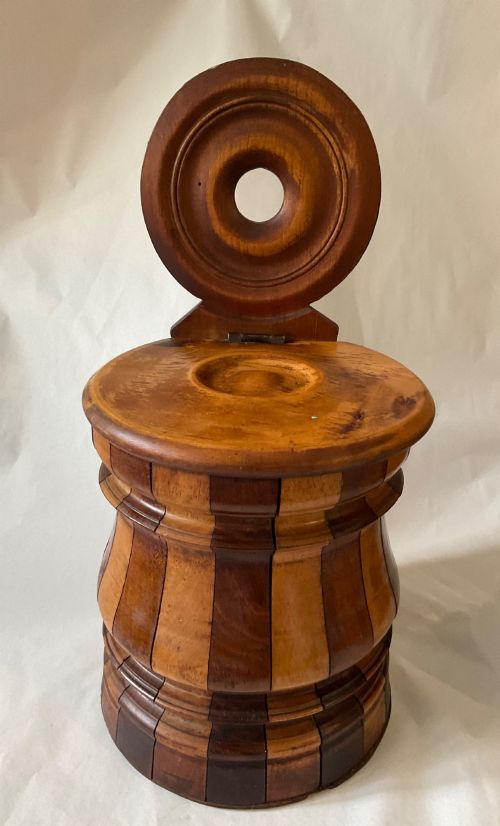
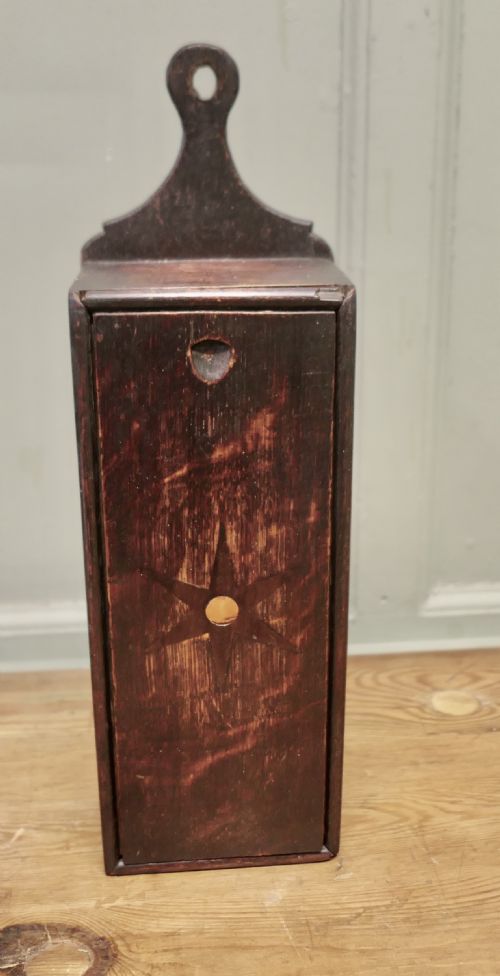
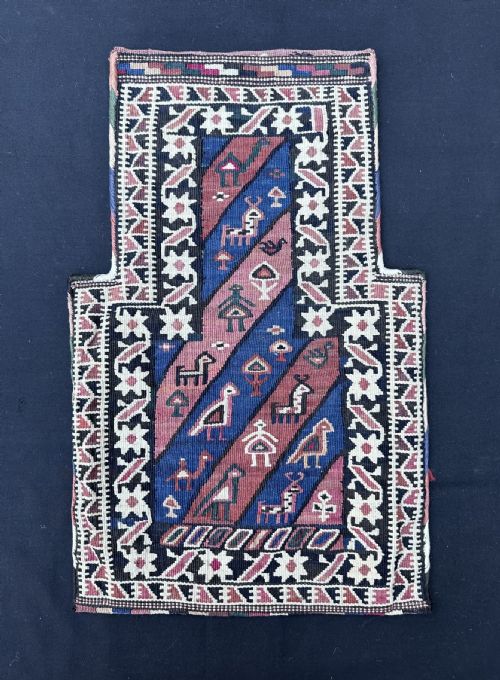
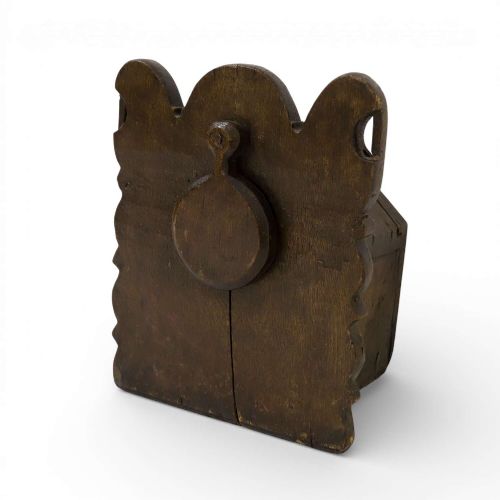
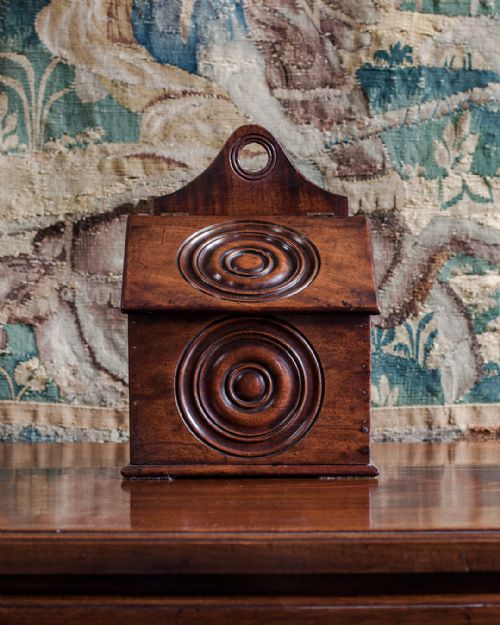
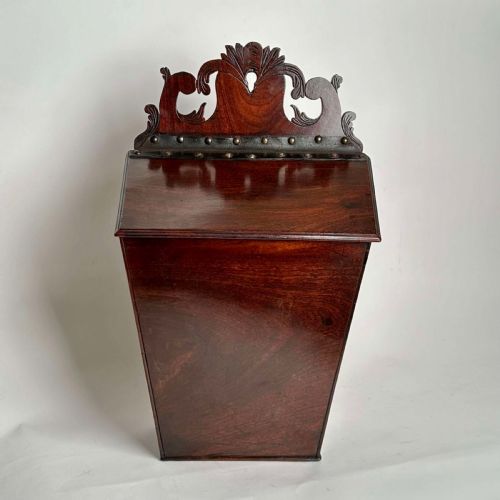
The antique wall salt container category encompasses functional wooden boxes, hanging salt boxes, and textile salt bags designed for domestic spaces. These pieces emerge primarily from 17th-century, 18th-century, and 19th-century traditions across British, French, and Persian regional workshops. Buyers will most commonly encounter timber wall boxes alongside woven tribal salt bags.
Assessing quality and character
Quality rests in the integrity of the materials, the survival of original iron hinges and fastenings, and the crispness of any carved decoration. Timber boxes display superior cabinet work through dovetailed joints and well-chosen grain patterns.
In textile examples, quality is judged by the density of the wool weave, the complexity of the tribal patterns, and the preservation of the original structure. Untouched surfaces and honest wear elevate the standing of both wooden and textile pieces.
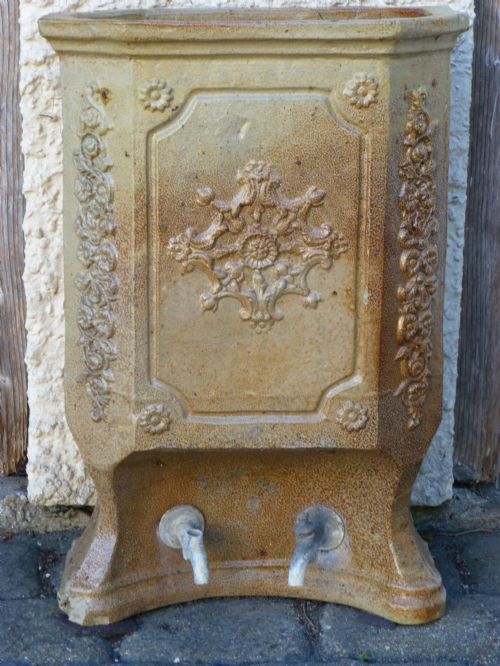
Listings span the 17th, 18th, and 19th centuries, incorporating oak, mahogany, pine, wool, and salt-glazed stoneware.
The Antique Wall Salt Container Glossary
- Salt box
- A wall-mounted wooden container with a hinged lid, built to protect domestic salt from household dampness.
- Soumak work
- A flat-weaving technique producing a durable, textured surface often found on Persian nomadic bags.
- Salt glaze
- A ceramic pottery finish achieved by throwing common salt into the kiln during high-temperature firing.
- Hanging box
- Any small wooden storage chest featuring a pierced backboard for suspension on a wall hook.
Antique Wall Salt Container: Frequently Asked Questions
How were antique salt boxes used?
These containers hung near the hearth or kitchen stove to keep kitchen salt dry and within easy reach of the cook. The sloping lids directed moisture away while providing quick access during food preparation.
Textile salt bags served a similar purpose among nomadic groups, often hung inside tents or carried during seasonal migrations to store household salt securely.
What woods are typical for these boxes?
British and European examples rely heavily on native timbers like oak and pine, chosen for their durability in domestic environments. Mahogany appears in more formal Georgian pieces.
These hardwoods aged gracefully, developing deep patinas through decades of handling and exposure to hearth environments.
How do I distinguish oak from pine pieces?
Oak exhibits a dense grain pattern with characteristic medullary rays, often showing a darker, richer hue gained through age. It provides a heavier, more rigid structure for kitchen use.
Pine is softer and lighter in weight, frequently displaying simpler construction details and a paler tone unless stained or painted.
Can I hang these boxes on modern walls?
Most antique wall salt containers feature original hanging apertures in their back panels designed for wall mounting. Weight varies significantly between heavy oak boxes and lighter pine or textile examples.
Careful assessment of the mounting point ensures the historic timber or hardware bears the weight safely without sustaining damage.