


Victorian Inlaid Furniture
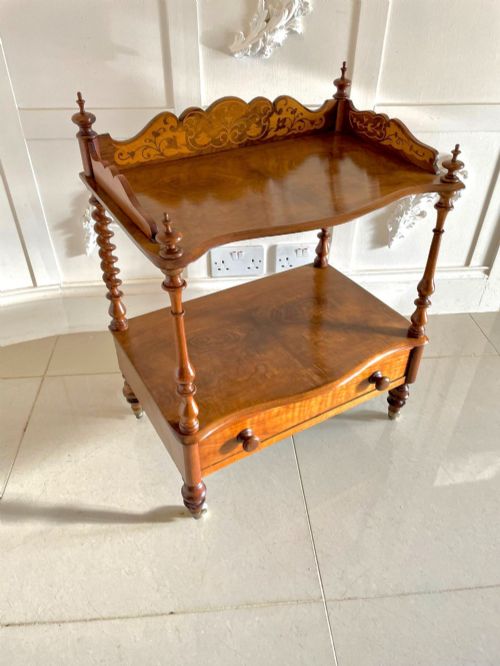
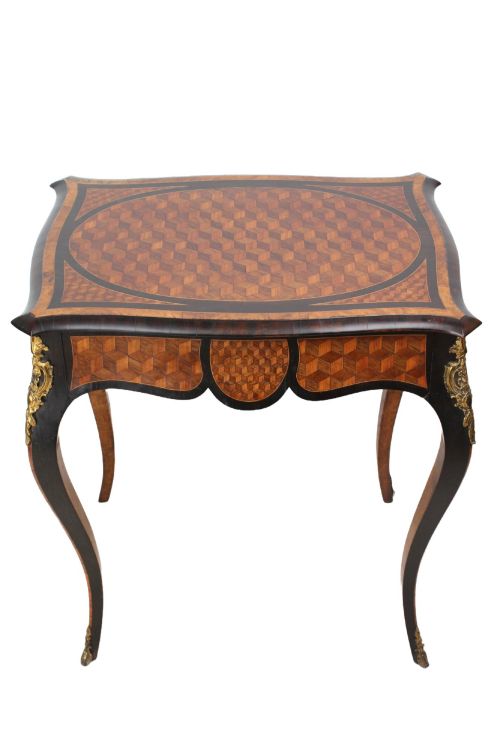
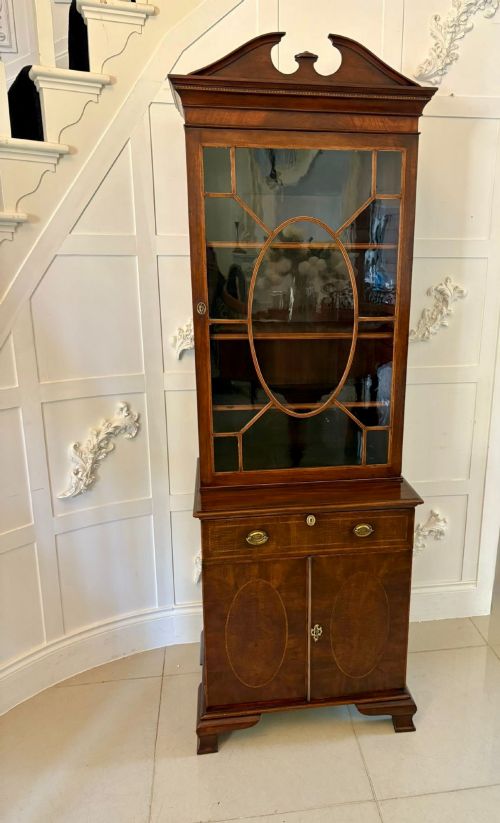
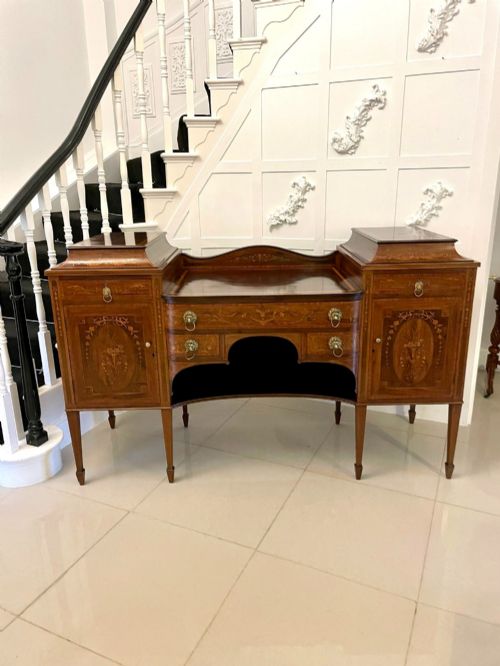
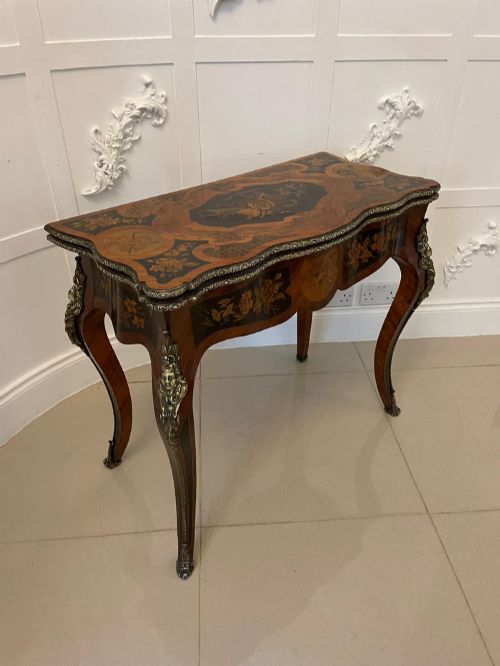
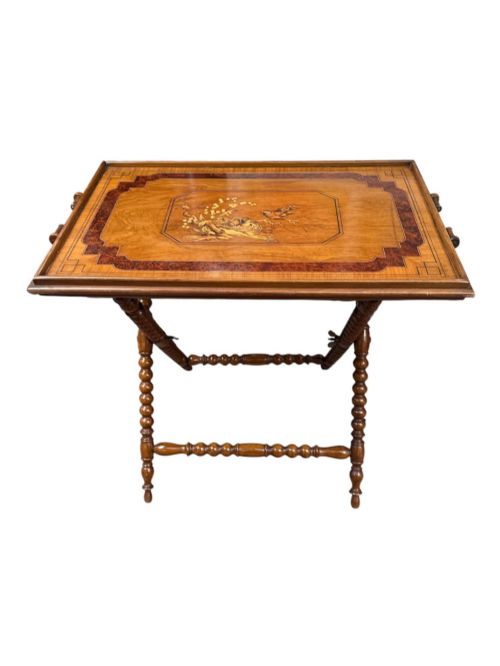
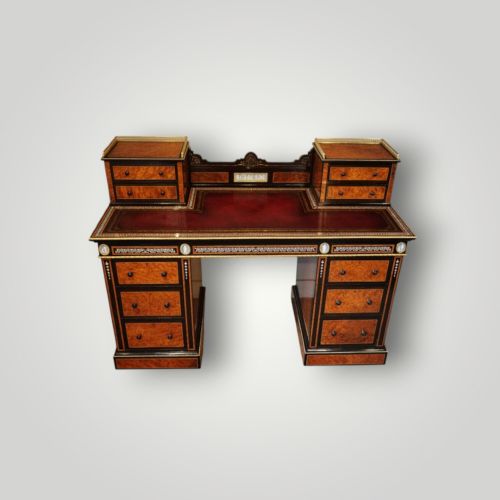
Victorian inlaid furniture combines walnut surfaces with intricate marquetry and boxwood inlay to create desks, cabinets, and canterburys.
What Victorian inlaid furniture is
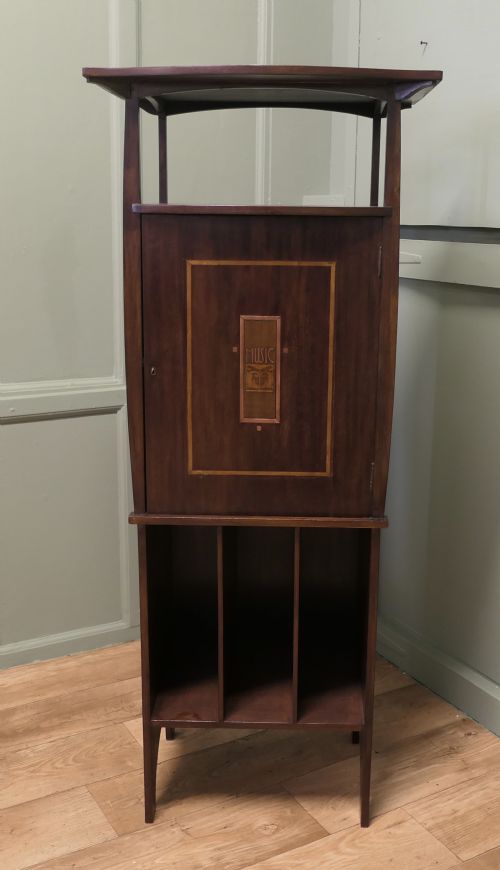
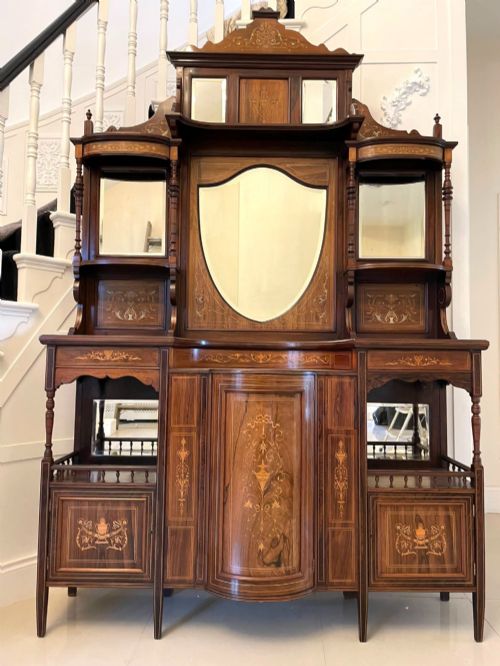
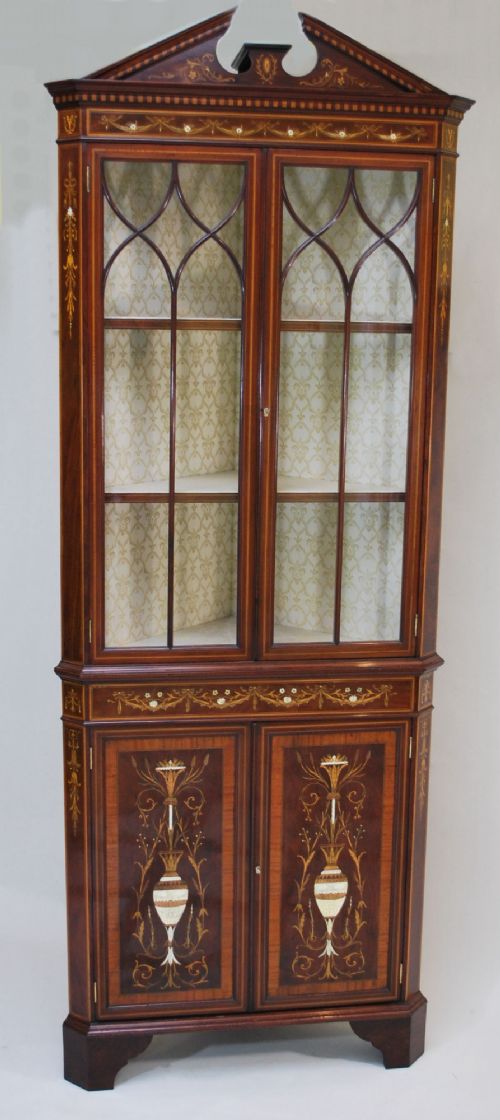
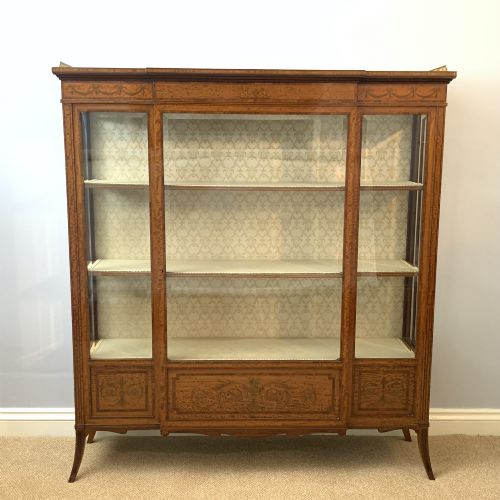
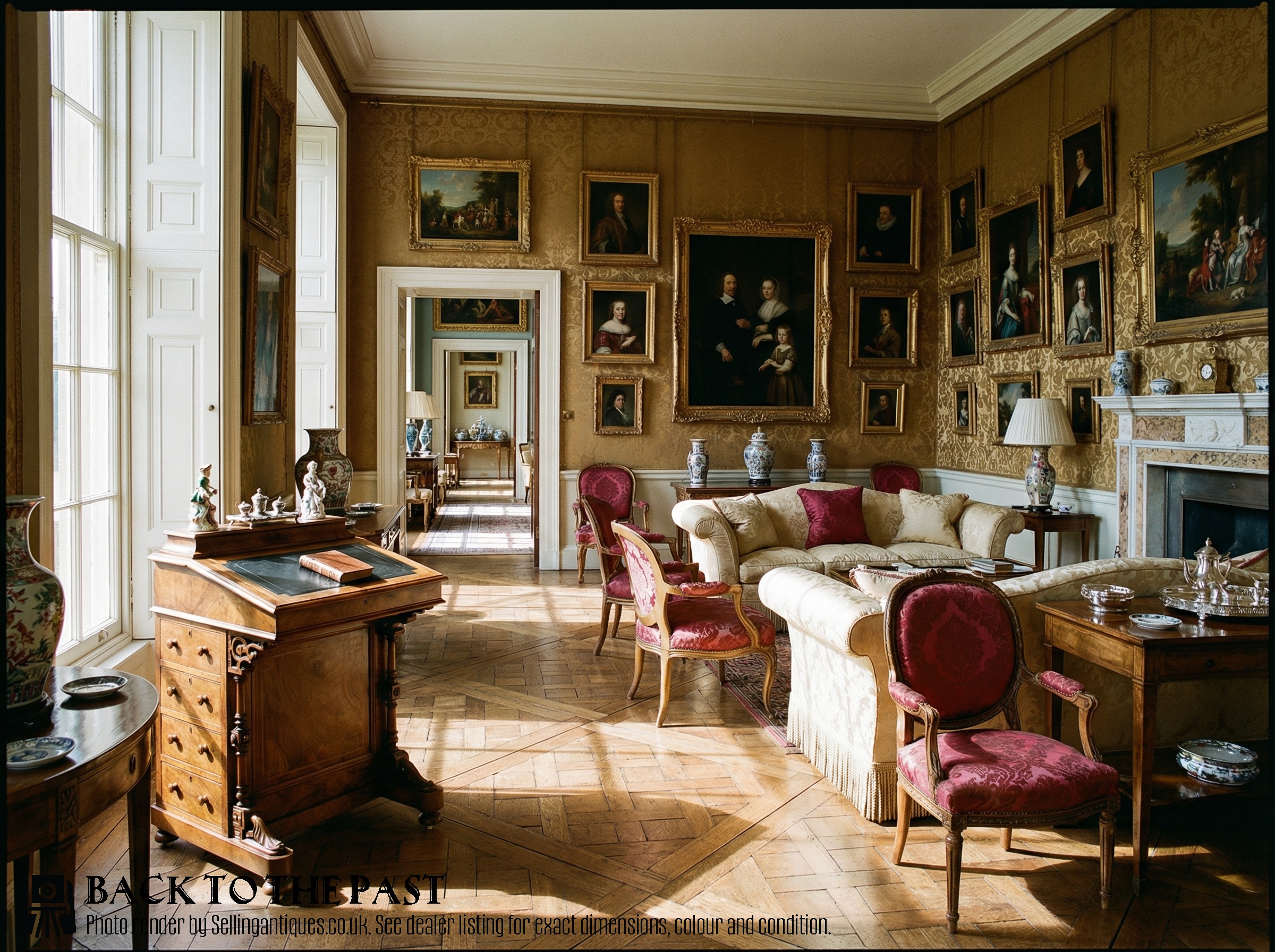
Victorian inlaid furniture comprises a range of domestic pieces produced during the nineteenth century, most notably corner cabinets, display cabinets, davenport desks, and canterburys. These items combine practical storage with decorative ornamentation, serving functional roles in period drawing rooms and parlours.
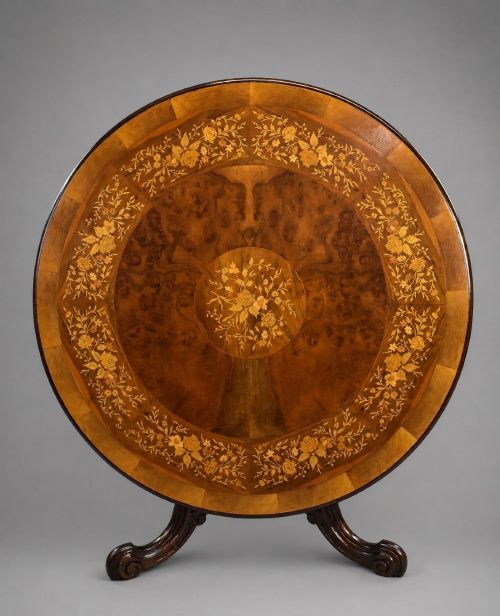
The versions most commonly met on this page are constructed from walnut and burr walnut, featuring contrasting wood inlay and marquetry. These surviving examples demonstrate the Victorian preference for rich, figured timber combined with refined decorative motifs.
How they were made
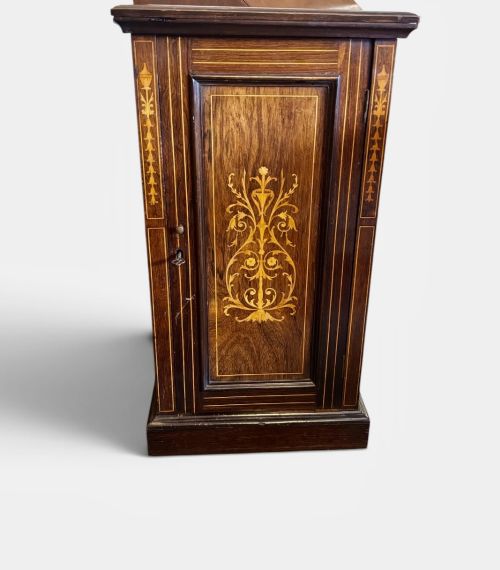
Makers utilised solid walnut and burr walnut veneers over secondary timbers, applying boxwood inlay and marquetry directly into the wooden surfaces. Individual elements were shaped and fitted by hand to create flush, decorative patterns across doors, lids, and panels.
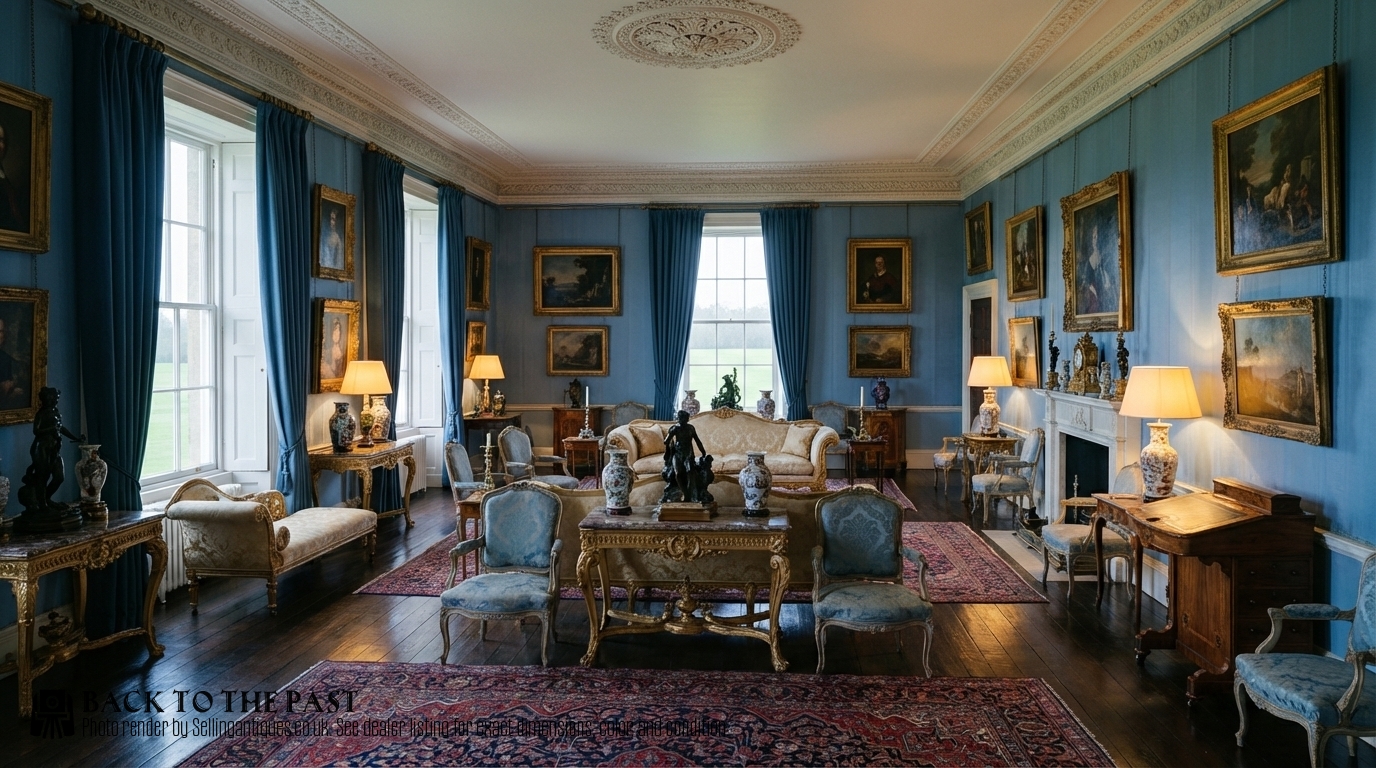
Pieces incorporated contrasting materials such as brass fittings, ormolu mounts, leather desk inserts, velvet linings, and glass panels. These additional elements were selected to complement the dark tones of the walnut structures.
Retail Price Guide 2026
Typical UK retail prices for victorian inlaid furniture, calculated from the Sellingantiques database of over a million retail prices indexed since 2003. This retail price guide relies exclusively on Sellingantiques data; no external sources or auction records are used, so the figures do not describe the wider market.
Listings feature items dated from 1870 to 1880, as well as general Victorian periods.
What varies in quality
Quality in these pieces rests upon the precision of the wood inlay and the choice of walnut timber. Finer examples display tightly figured burr walnut and crisp, intricate marquetry where individual veneers fit seamlessly together.
The standard of construction is further judged by the integration of secondary materials such as ormolu mounts, brass details, and leather surfaces. Superior pieces maintain balance between their structural joinery and their decorative ornamentation.
The Victorian Inlaid Furniture Glossary
- Marquetry
- A decorative technique where pieces of veneer are assembled to form pictorial or geometric patterns on a wooden surface. This method creates the detailed ornamentation seen on tabletops and cabinet doors.
- Burr walnut
- Timber taken from a tree growth or burl, prized for its swirling, highly figured grain pattern. It provides a decorative surface for high-status nineteenth-century furniture.
- Canterbury
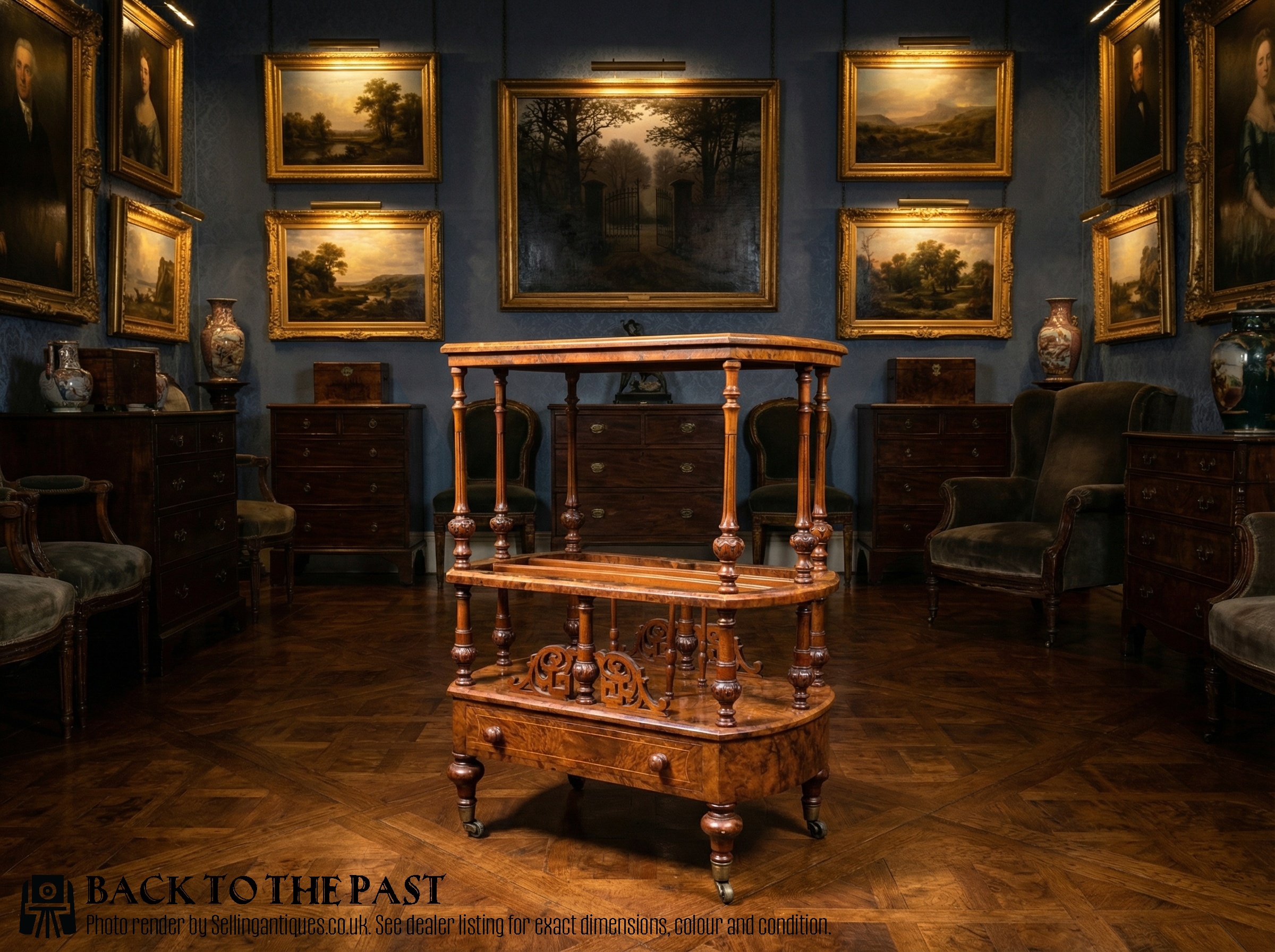
- A low piece of furniture featuring partitions, originally designed for holding sheet music and folios. Victorian versions often incorporate inlaid decoration and turned supports.
- Ormolu
- Gilt bronze ornamentation applied to furniture and decorative objects to provide a metallic contrast against wood. The technique involves treating bronze with a gold amalgam.
Frequently Asked Questions
What is a davenport desk?
A davenport desk is a compact writing desk featuring a sloping lid lined with leather, set above a pedestal of drawers. The design provides a dedicated writing surface while occupying minimal floor space in a Victorian room.
These desks often incorporate hidden compartments, side drawers, and elaborate marquetry inlay across the walnut exterior. They were used for correspondence and record-keeping in private studies and drawing rooms.
How are corner cabinets used today?
Corner cabinets are designed to fit snugly into room angles, making efficient use of awkward spaces while displaying precious objects behind glass doors. They provide vertical storage without dominating the main wall space of a room.
In modern interiors, these cabinets serve to exhibit ceramics, glassware, or small collections. Their walnut construction and inlaid details add period character to both traditional and contemporary settings.
What distinguishes burr walnut?
Burr walnut is characterised by its dense, swirling grain patterns caused by deformations in the tree's growth. This timber yields highly decorative veneer surfaces that catch the light differently than straight-grained wood.
Cabinet makers reserved burr walnut for the most prominent exterior surfaces of desks and cabinets. The distinctive figuring creates a rich visual texture that defines the appearance of mid to late nineteenth-century pieces.
Where were music stands placed?
Music stands and canterburys were positioned near pianos and seating areas in Victorian parlours to keep sheet music and folios organised and accessible. Their compartmented sections allowed musicians to sort scores by type or composer.
Today, these pieces function well as magazine racks or bedside storage units. Their combination of turned wooden supports and inlaid walnut tops allows them to integrate easily into various rooms.