
Brown Walnut Side Cabinet
These brown walnut side cabinet examples offer practical storage and rich timber figures, forming a traditional centrepiece for any reception room.

What these pieces are
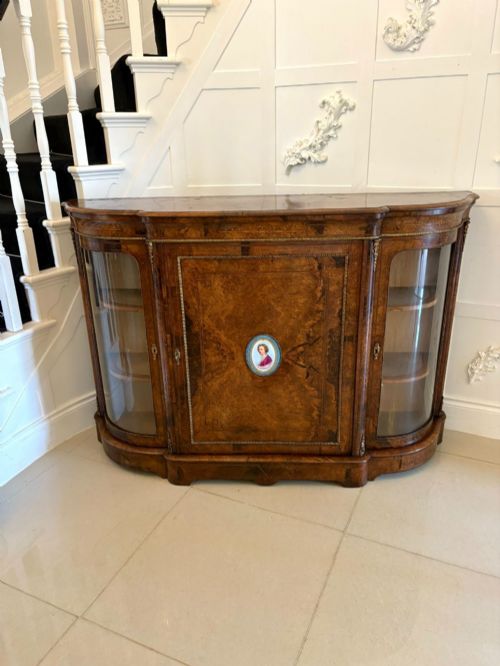
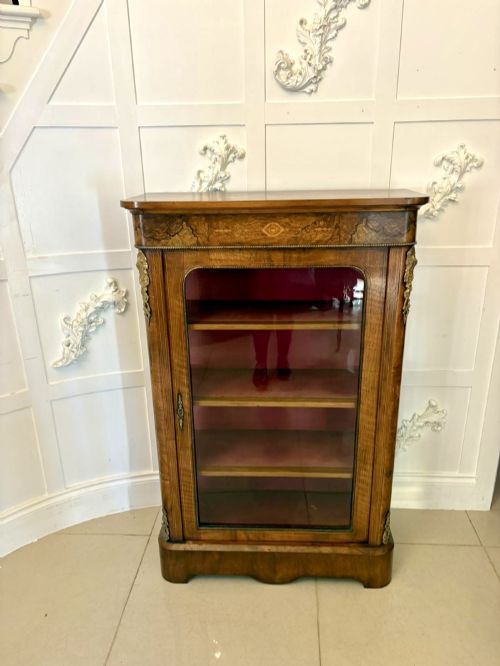
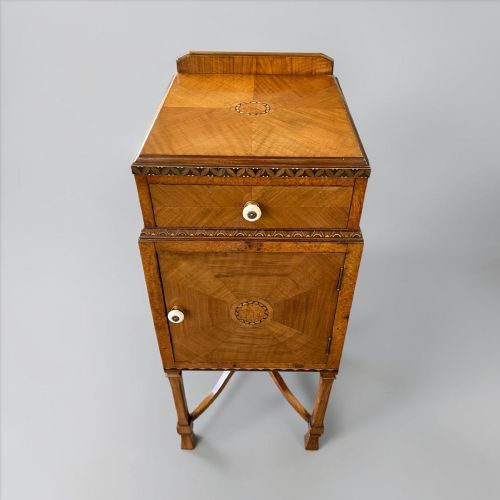
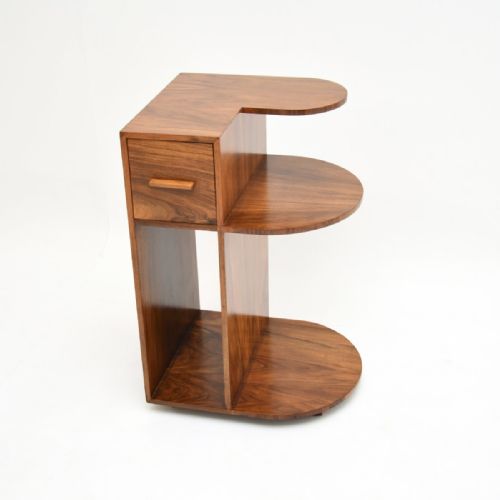
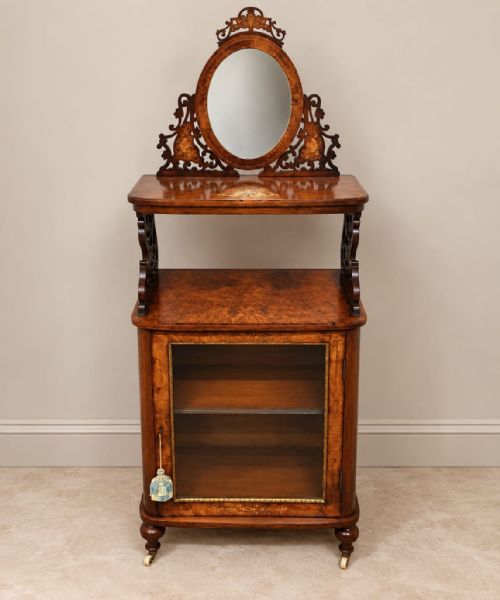
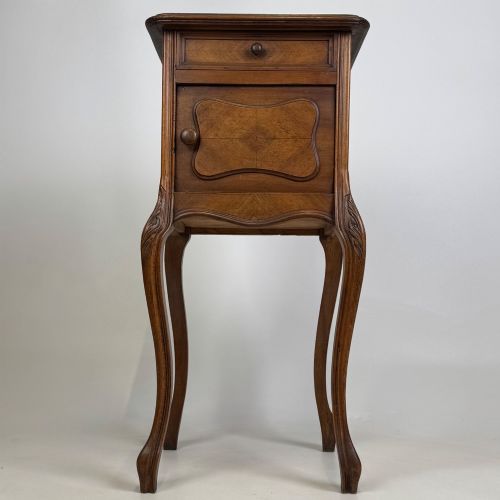
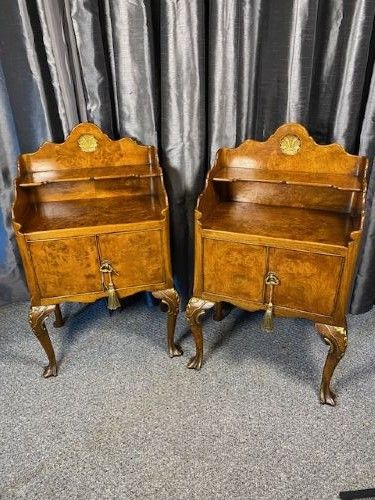
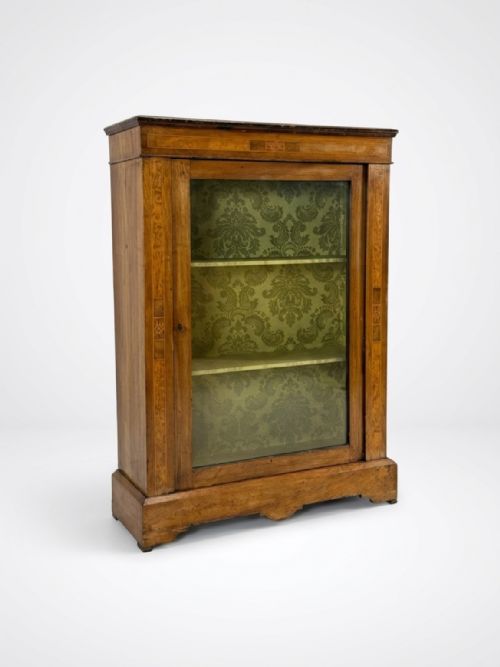
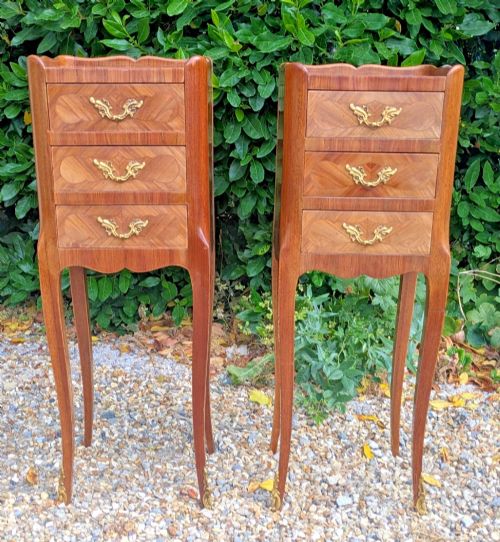
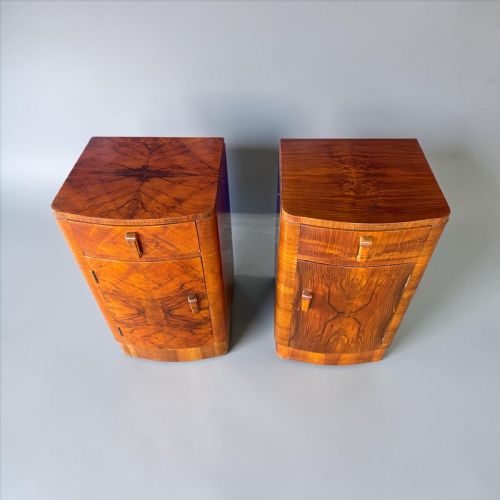
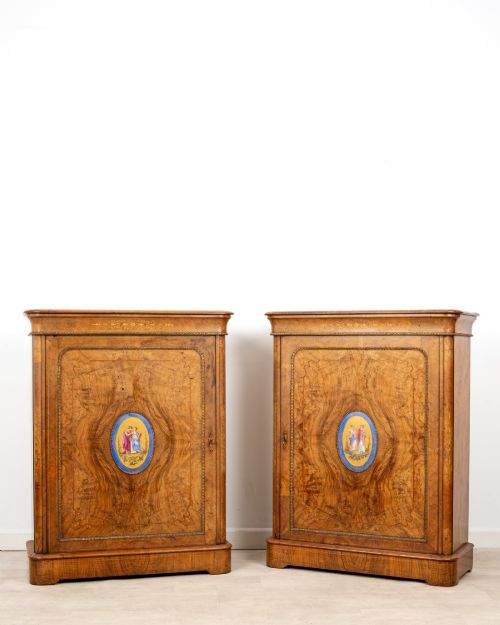
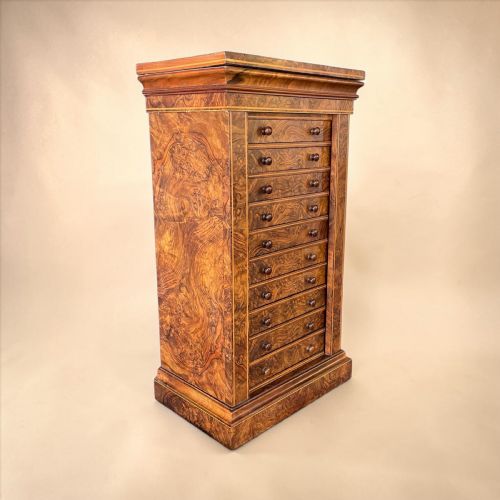
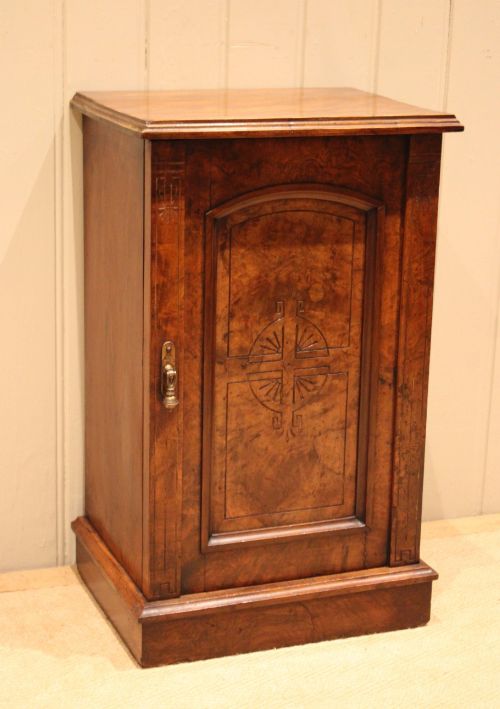
A brown walnut side cabinet typically presents as a low storage piece or display unit, drawing on Victorian and 19th-century origins. The selection spans distinct forms including open bookcases with drawers, pier display cabinets, music cabinets, and nightstands.
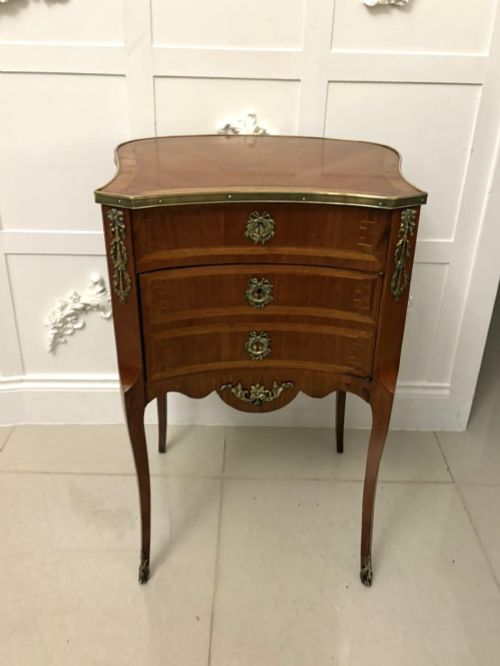
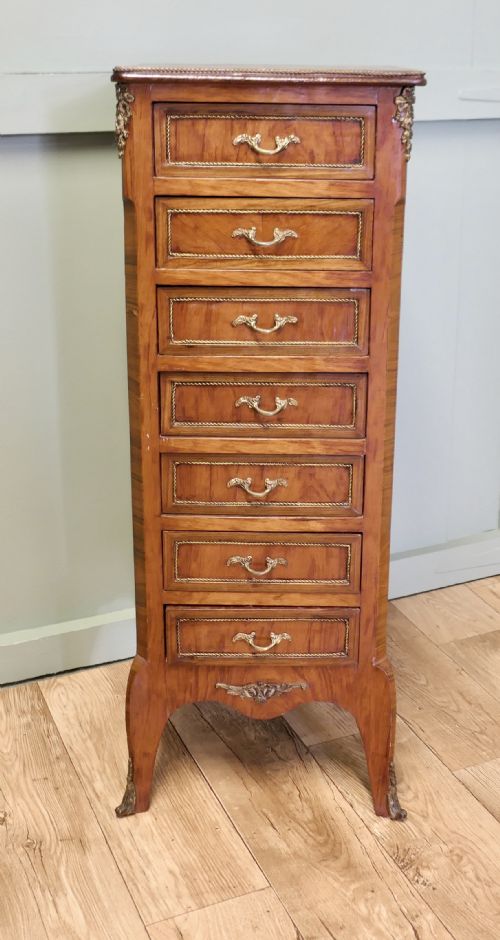
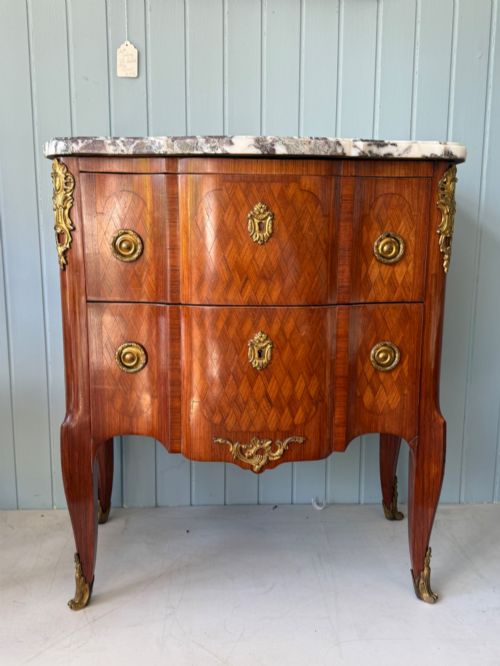
Makers utilised various traditional furniture designs across the range, with examples featuring Queen Anne Revival characteristics and French styling. Buyers will encounter both glazed display units and panelled storage pieces within the current inventory.
How they were made
Construction relies primarily on solid wood and decorative veneers, incorporating walnut, burr walnut, and figured walnut surfaces. Craftsmen enhanced these timber grounds with wood inlay and marquetry detailing to create varied surface patterns.
Hardware and structural accents utilise brass mounts, ormolu, and glass panels. Interior linings occasionally incorporate textile elements such as velvet, while specific nightstand variants pair the wooden structure with a marble top.
Retail Price Guide 2026
Typical UK retail prices for brown walnut side cabinet, calculated from the Sellingantiques database of over a million retail prices indexed since 2003. This retail price guide relies exclusively on Sellingantiques data; no external sources or auction records are used, so the figures do not describe the wider market.
The listings span the Victorian period, 1860, 1870, 1930, and the wider 19th century, utilising materials from brass and glass to marble and velvet.
What varies in quality
Quality differences manifest in the choice of timber veneer and the complexity of the surface decoration. Pieces featuring finely matched burr or figured walnut grain alongside precise wood inlay and marquetry stand apart from simpler panelled constructions.
The sophistication of metal mounts, such as ormolu highlights or brass fittings, distinguishes standard production from finer examples. Similarly, the integration of specialist elements like marble tops or fitted velvet interiors elevates the overall standard of the piece.
The Brown Walnut Side Cabinet Glossary
- Burr walnut
- A specialised timber veneer taken from the growth growths of the walnut tree, prized for its swirling, knotted grain patterns.
- Marquetry
- The art of applying small pieces of veneer to a structure to form decorative patterns and pictures.
- Credenza
- A low cabinet or sideboard originating in 19th-century forms, frequently used for display and storage.
- Ormolu
- Gilt bronze ornamentation applied to furniture, adding metallic detail to the wooden surfaces.
- Pier cabinet
- A tall, narrow display unit designed to fit the wall space between windows during the Victorian period.
Frequently Asked Questions
How do I care for walnut wood?
Dust the surfaces regularly with a soft, dry cloth to prevent the accumulation of grit that might scratch the polish. Avoid using modern silicone sprays or harsh chemical cleaners.
Apply a traditional beeswax polish occasionally to nourish the timber and maintain the natural lustre of the figured walnut grain.
What is burr walnut?
Burr walnut is derived from a tree outgrowth, producing a dense, highly figured grain filled with intricate knot formations. This material was selected by cabinet makers for its decorative impact on primary display surfaces.
Because of its unique patterns, furniture featuring burr walnut veneers generally sits at the more decorative end of the 19th-century range.
How do I identify Victorian cabinets?
Victorian pieces often display characteristic timber choices like walnut alongside specific decorative methods such as marquetry and inlaid wood. Construction techniques from this era typically involve solid secondary woods behind the decorative veneers.
Examining the hinges, brass hardware, and glass panels helps confirm the mid-to-late 19th-century origins of the piece.